BMW is entering 2026 with one of its most intensive China product pushes in years.
A luxury brand resets its China strategy
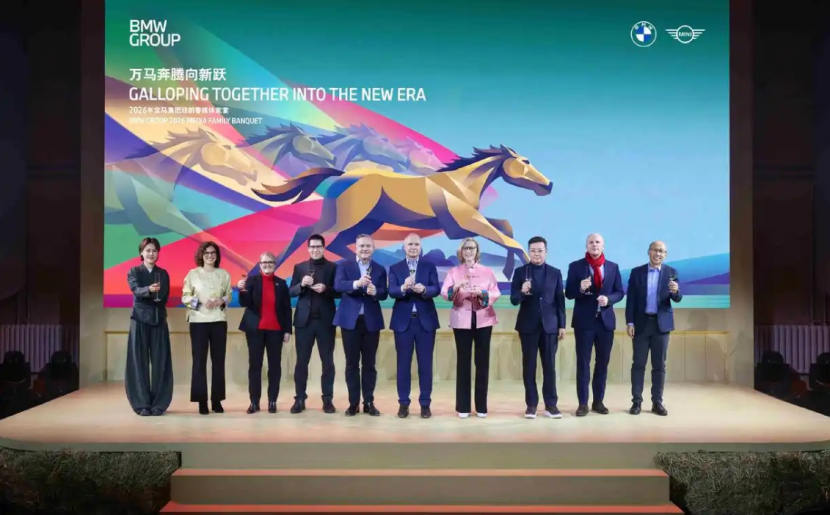
The group says BMW, Mini and BMW Motorrad will introduce about 20 new or refreshed models, framing the year as a period of delivery after several years of adjusting to China's rapid electric transition.
The plan is more than a seasonal marketing statement for the Year of the Horse. It is a strategic recalibration by a foreign luxury brand whose traditional strengths in combustion cars, heritage and badge value are no longer enough to defend share in the world's most competitive premium car market.
China's luxury segment has changed sharply. Local electric brands such as Aito and Li Auto have moved into premium territory with large volumes, software-led cabins and range-extended powertrains that fit Chinese usage patterns. BMW still has deep brand equity, but the market is forcing the German group to localise faster and make electrification feel native rather than imported.
The old luxury formula is under pressure
For years, the German trio of BMW, Mercedes-Benz and Audi dominated China's premium market. That order is now being challenged by electric vehicles, plug-in hybrids and Chinese brands that are able to move quickly on cockpit software, driver assistance and local digital ecosystems.
According to the article, China's fuel-car market between about $42,000 and $56,000 contracted sharply in 2025, with sales in the $42,000 to $49,000 band down 19.2 per cent. That price territory has long been a core hunting ground for traditional luxury brands. At the same time, new-energy vehicles accounted for 50.8 per cent of new-car sales in China, while Aito and Li Auto each sold more than 400,000 vehicles for the year.
BMW's China deliveries fell 12.5 per cent in 2025 to 625,500 vehicles. Its new-energy models accounted for about 26 per cent of China sales, leaving room to close the gap with local rivals that have made electrified vehicles the centre of their brand identity.
The pressure does not mean BMW lacks technology. The challenge is timing, adaptation and perception. Chinese consumers increasingly expect premium cars to combine design, performance, software, intelligent driving, charging convenience and personalised services. A global luxury badge still matters, but it no longer settles the argument.
The Neue Klasse becomes a local test case
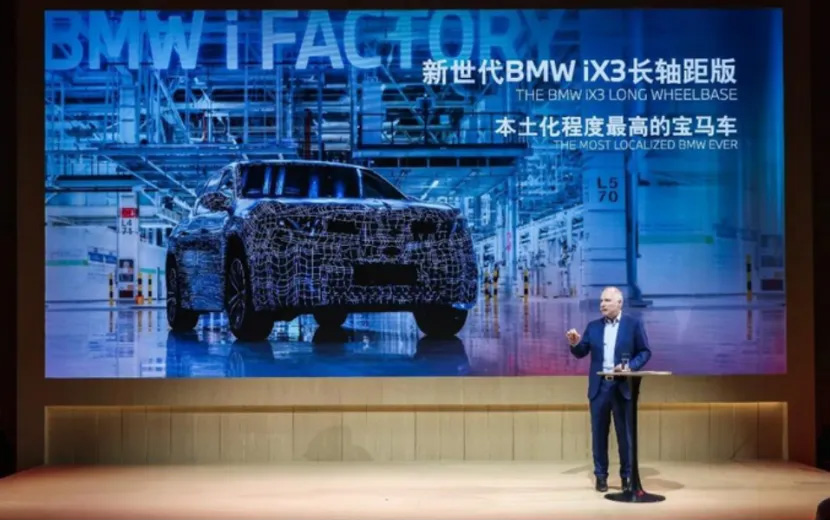
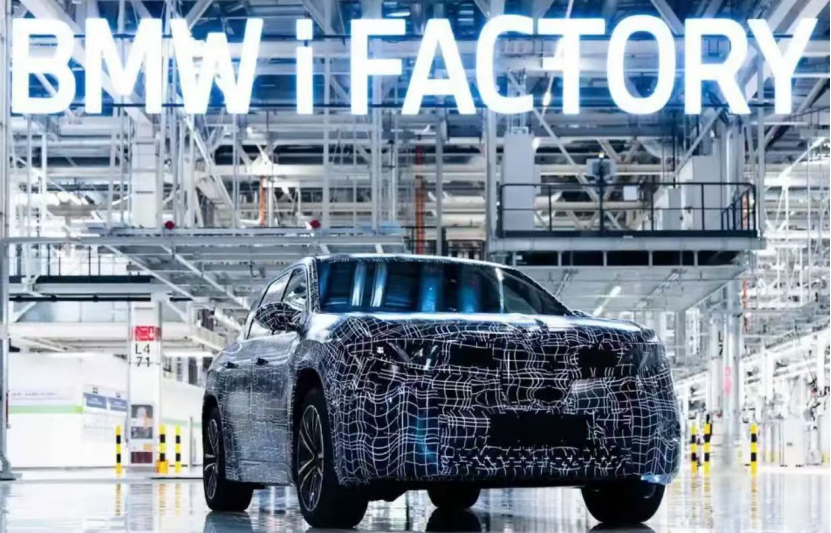
BMW's most important China product in the new cycle is expected to be the long-wheelbase version of the new-generation BMW iX3, due in the second half of 2026. Built on the Neue Klasse platform, the model is described as China-specific and deeply shaped by local development work.
BMW's China research and development teams have been involved from the design stage, with adjustments covering the intelligent cockpit, driving feel, driver assistance and comfort. The model is expected to bring together BMW's next-generation electric drive system, the Heart of Joy control architecture, Panoramic iDrive, Huawei HiCar integration and an intelligent-driving system developed with Momenta.
That mix says much about BMW's changing posture. The company is still trying to protect the driving character that has defined the brand, but it is also accepting that Chinese-market competitiveness now depends on local software partners, Chinese digital interfaces and faster product iteration.
The appointment of an executive with experience in driving electric-vehicle sales in Germany and the Nordic region to lead the China business points in the same direction. BMW wants more execution speed in a market where product cycles and user expectations move faster than in Europe.
Defending the base while chasing new buyers
BMW's 2026 strategy is not a clean break with its combustion base. That would be risky in a market where many premium customers still value established models such as the 3 Series and 5 Series. The group is trying to defend the profitable core while using electric models to create a new growth lane.
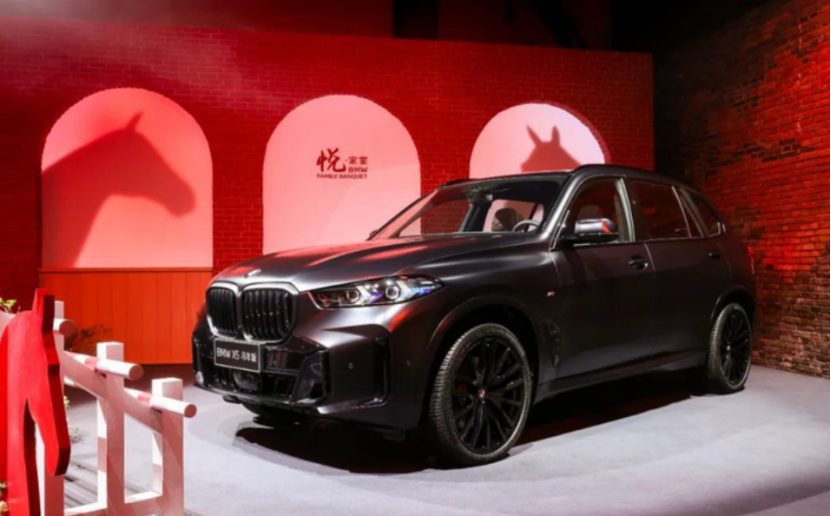
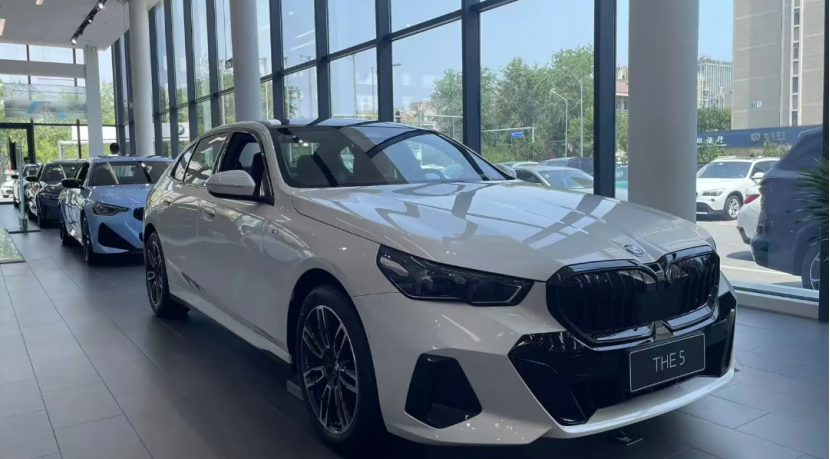
The broader product plan reflects that balance. The limited Year of the Horse editions of mainstream BMW models use design references drawn from Dunhuang murals, including embroidered headrest details. Mini plans a special edition with fashion designer Paul Smith, while BMW Motorrad is preparing new cruiser models.
These may look like scattered actions, but they point to a single target: keeping BMW visible among customers who want premium cars to feel personal, culturally relevant and different from mass-market electric models. In China, emotional value and digital convenience now sit alongside mechanical refinement.
The commercial environment remains severe. BMW delivered 2.46 million vehicles globally in 2025, up 0.5 per cent, and more than 625,000 in China. It still led the German premium brands in China deliveries. Yet reported price reductions of up to about $42,000 across 31 major models early in the year showed how intense the fight has become.
A narrow but important opening
BMW's opportunity lies in turning its 2026 plan into visible user value. A wave of roughly 20 models can protect combustion demand and widen its electric offering. Deeper local development can reduce costs, improve response speed and make vehicles feel less like global templates adapted late for China.
Local production of electric drive systems, domestic battery-cell supply and partnerships with Chinese technology companies can also help BMW respond to a market where foreign brands have often been criticised for slow software updates and weak digital integration.
The risk is that strategy announcements are no longer enough. Tesla, Nio, Hongqi, Aito, Li Auto and Xiaomi have all educated Chinese buyers to expect premium electric products with strong software, distinctive design and frequent iteration. Nio founder William Li has said that 62.4 per cent of orders for the new ES8 in the second half of 2025 came from owners replacing or adding to traditional luxury fuel cars, according to the article.
BMW's China plan is therefore a critical opening rather than a guaranteed rebound. If the company can combine its engineering reputation with products that feel genuinely built for Chinese users, it can remain central to the premium market. If execution slips, the gap between legacy luxury and China's new electric leaders will become harder to close.