
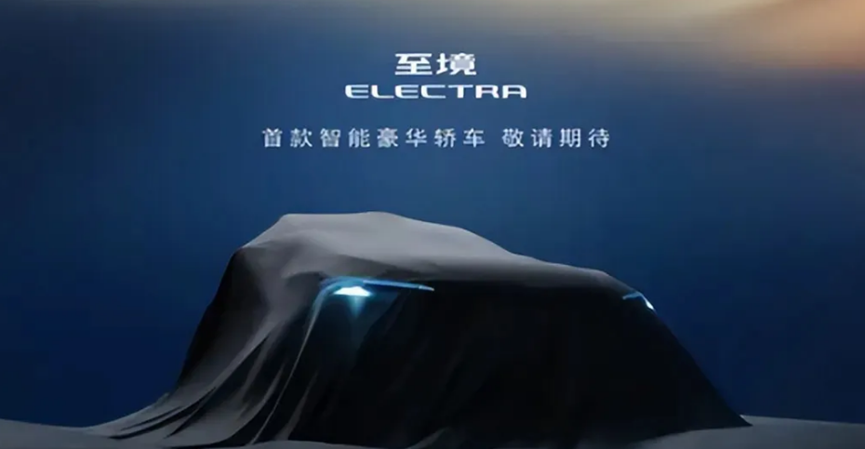
SAIC-GM has started the Electra sedan project, and Buick has revealed the Electra L7 on Weibo.
A premium electric sedan becomes a strategic test
The model is positioned as an intelligent luxury new-energy sedan around the $42,000 level, built on the Xiaoyao super-fusion architecture that SAIC-GM says can support higher-end products.
For Buick and SAIC-GM, the L7 is more than another new model. It is the opening move in an attempt to attack the premium new-energy market and prove that joint-venture brands can still build China-relevant electric products.
SAIC-GM general manager Lu Xiao has said the company wants to use top suppliers, build top-tier products and become a leader in the joint-venture 2.0 era. The Electra L7 is the first visible test of that claim.
Buick can no longer wait
Buick has spent more than two decades building a strong China base through models such as GL8 and LaCrosse, accumulating more than 14mn users. It was once seen as one of the joint-venture brands that best understood Chinese customers.
The new-energy transition has changed the balance. Chinese brands have moved from affordable EVs into premium electric and hybrid vehicles, while many joint ventures have remained cautious. China's new-energy vehicle penetration is expected by some analysts to reach 50 per cent in 2025, 70 to 75 per cent in 2030 and 85 to 90 per cent in 2035.
Passenger-car association data showed new-energy vehicles reached 53.3 per cent of domestic passenger-car retail penetration in June 2025, up 4.8 percentage points from a year earlier. Domestic brands reached 75.4 per cent penetration, luxury brands 30.3 per cent and mainstream joint ventures only 5.3 per cent.
That gap explains why Buick's quiet period has to end. If it does not build a stronger premium new-energy position soon, the market may leave little room for recovery.
SAIC-GM's strategy is moving from defence to attack
Lu has said SAIC-GM achieved a broad operating turnround in the first half of 2025 and returned to a steadier, more sustainable development path. The company has already made several attempts to accelerate electrification, from the Ultium platform and fixed-price strategy to the Xiaoyao architecture and now the Electra brand.
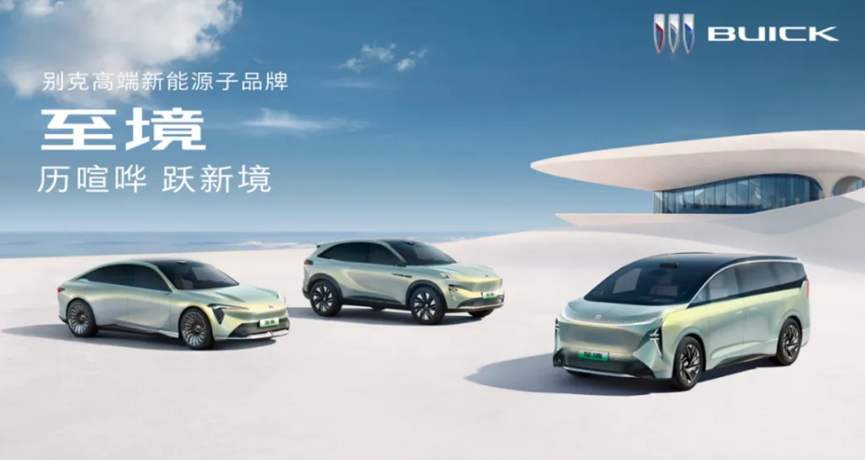
The Electra project signals a more aggressive phase. Rather than treating new-energy vehicles as a side business, SAIC-GM is trying to build a full premium new-energy product matrix covering sedans, SUVs and MPVs, from luxury to ultra-luxury positioning.
The broader idea behind joint-venture 2.0 is that foreign-affiliated automakers can no longer simply bring global technology to China and expect success. They must develop around Chinese user needs, Chinese speed and local innovation ecosystems.
The Xiaoyao architecture carries the new story
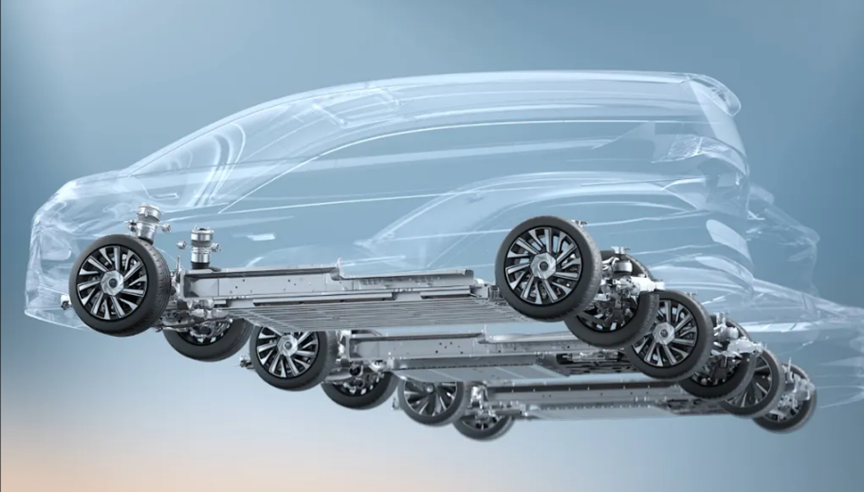
The key to SAIC-GM's argument is the Xiaoyao super-fusion architecture, led by a China-based development team. The platform is designed to support MPVs, SUVs and sedans; battery-electric, plug-in hybrid and extended-range powertrains; and front-, rear- and all-wheel-drive layouts.
That flexibility is intended to solve one weakness of earlier joint-venture EV transitions: narrow product coverage and slow response to local demand.
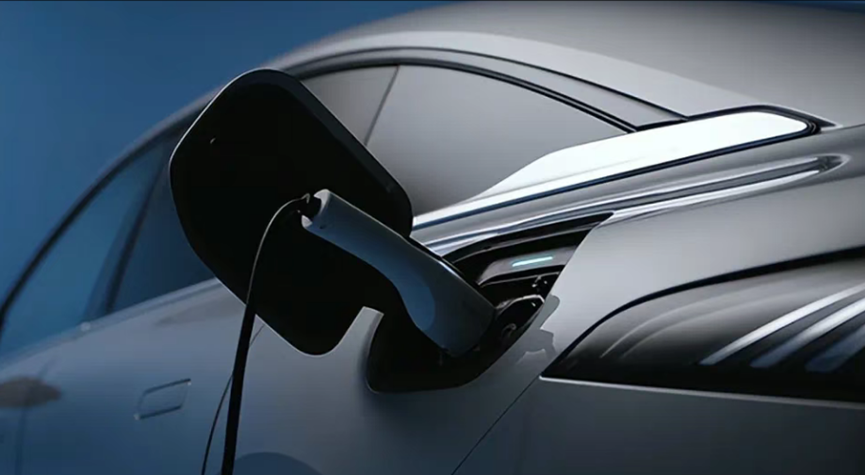
The architecture also aims for high performance. It includes an industry-first 6C lithium-iron-phosphate ultra-fast-charging battery, paired with a 900V high-voltage platform. Peak charging power is listed at 640kW, with 350km of range added in 10 minutes.
Safety is part of the pitch. SAIC-GM says the architecture uses multi-sided liquid-cooling technology and has achieved zero thermal runaway in extreme tests such as nail penetration and collision. The company has also taken part in drafting new battery-safety standards with CATARC.
A different development model may be the real advantage
The deeper shift is not only technical. Many joint ventures have struggled in China's new-energy market because key decisions remained too dependent on overseas headquarters. Products were sold in China, but technology planning and product definition were often not China-first.
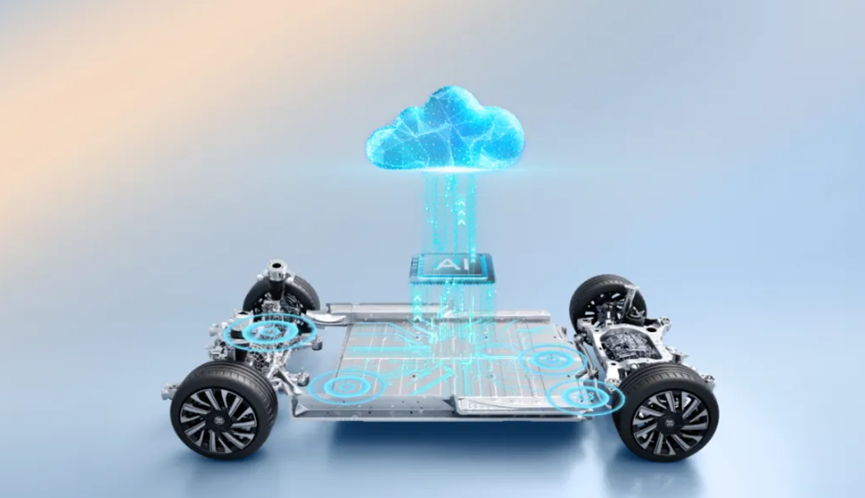
SAIC-GM is trying to break that pattern. Its Xiaoyao architecture combines local development with global resources, including cooperation with CATL on ultra-fast-charging batteries and Momenta on L2-plus driver assistance. That creates an innovation ecosystem built around Chinese user requirements rather than a delayed adaptation of overseas plans.
If SAIC-GM has a real chance to compete in premium new-energy vehicles, it will likely come from this development-model change: more local authority, faster supplier integration and a clearer focus on what Chinese buyers expect from intelligent luxury cars.
A first battle in a crowded premium EV market
Electra still faces a difficult market. Premium new-energy vehicles are crowded with strong domestic brands and new entrants. A later mover must offer more than brand history; it needs range, charging, software, assisted driving, cabin quality and price to work together.
The Electra L7 gives Buick and SAIC-GM a chance to tell a new story in the electric era. Whether that story becomes credible will depend on how quickly the model moves from online attention to real orders, and whether buyers see it as a genuine China-developed premium EV rather than another late joint-venture experiment.