
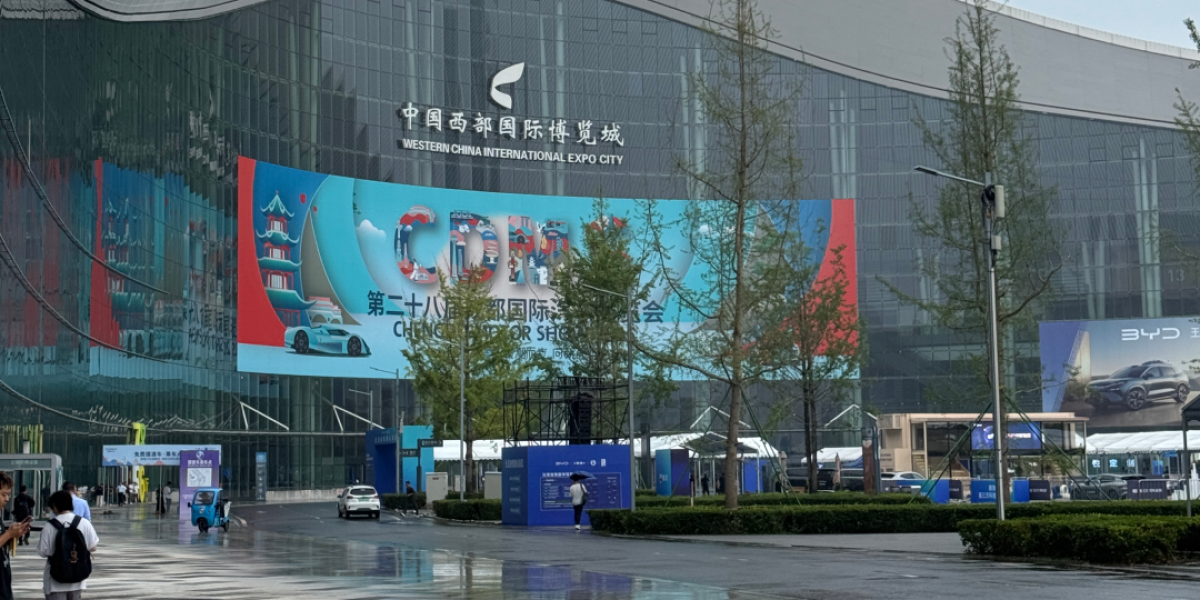
The opening day of the 2025 Chengdu motor show felt unusually subdued. Rain thinned the early crowds, and the traditional media-day atmosphere was weaker than in previous years.
A rainy opening day exposes a changing show
The bigger change was structural: the event appeared less focused on global premieres and more focused on selling cars directly to consumers.
Formal product launches and technical briefings, once packed into media-day schedules, were fewer this year. Foreign brands had few headline announcements, while Chinese brands mostly used the show to display technology, push purchase incentives and move shoppers toward orders.
The result was a striking identity shift. By the standards of a traditional international motor show, Chengdu looked less like a global showcase and more like a domestic brand exhibition blended with a large-scale retail event.
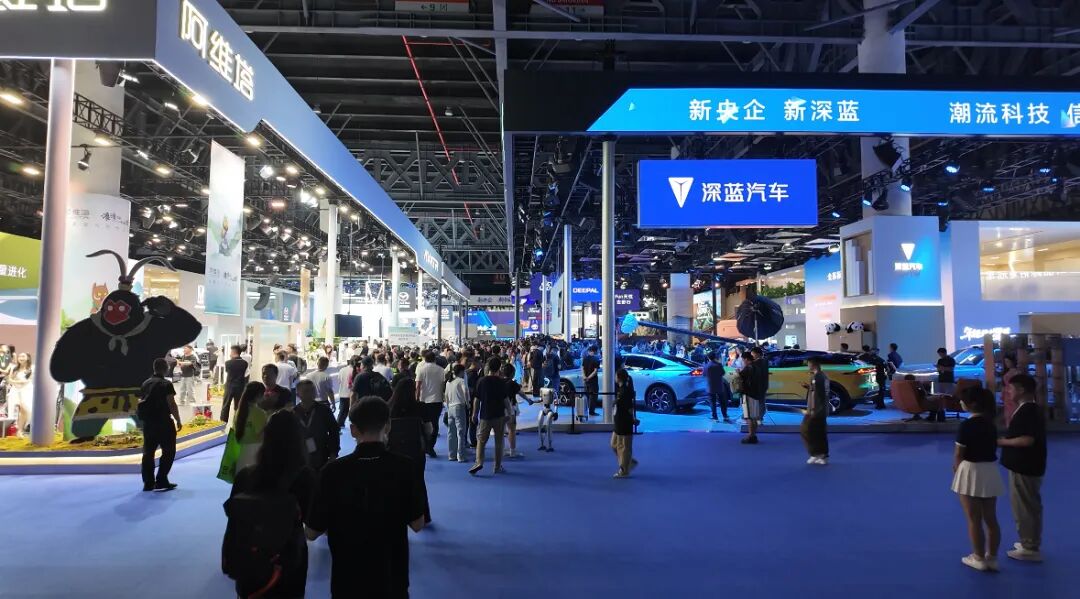
Chinese brands dominate the floor
The absence of several luxury and ultra-luxury names was visible. Brands such as Porsche, Bentley and Lamborghini, once familiar fixtures at major Chinese shows, were missing from the floor. Secondary luxury marques including Lexus and Genesis also had a reduced presence or no visible stand in the observed areas.
Chinese groups filled the space with far greater confidence. BYD took over Hall 9 with its Dynasty, Ocean, Fangchengbao, Denza and Yangwang brands, and added an outdoor intelligent-driving zone near the entrance. Changan arrived with Changan, Changan Mazda, Qiyuan, Avatr and Deepal. Chery occupied Hall 5 to show Chery, Exeed, Zongheng, iCar and Jetour products.
That kind of hall-level occupation would have been difficult to imagine at older international shows, where foreign brands dominated prestige and traffic. In Chengdu, it reflected the new balance of power in China's passenger-car market.
Technology is still present, but sales take priority
The show was not short of technical claims. BYD highlighted megawatt fast charging that promises 800km of range in 10 minutes. Changan displayed its SDA platform architecture as a blueprint for future intelligent vehicles. Chery used its Kunpeng C-DM hybrid system to make a case for higher fuel efficiency.
Hybrid technology was one of the clearest technical themes. Great Wall's Lemon DHT, Geely's Thor Hi-X, GAC's GMC 2.0 and Dongfeng's Mach MHD systems all appeared as Chinese brands continued to treat hybrids as a decisive battleground. That runs against the idea that the hybrid boom is already past its peak.
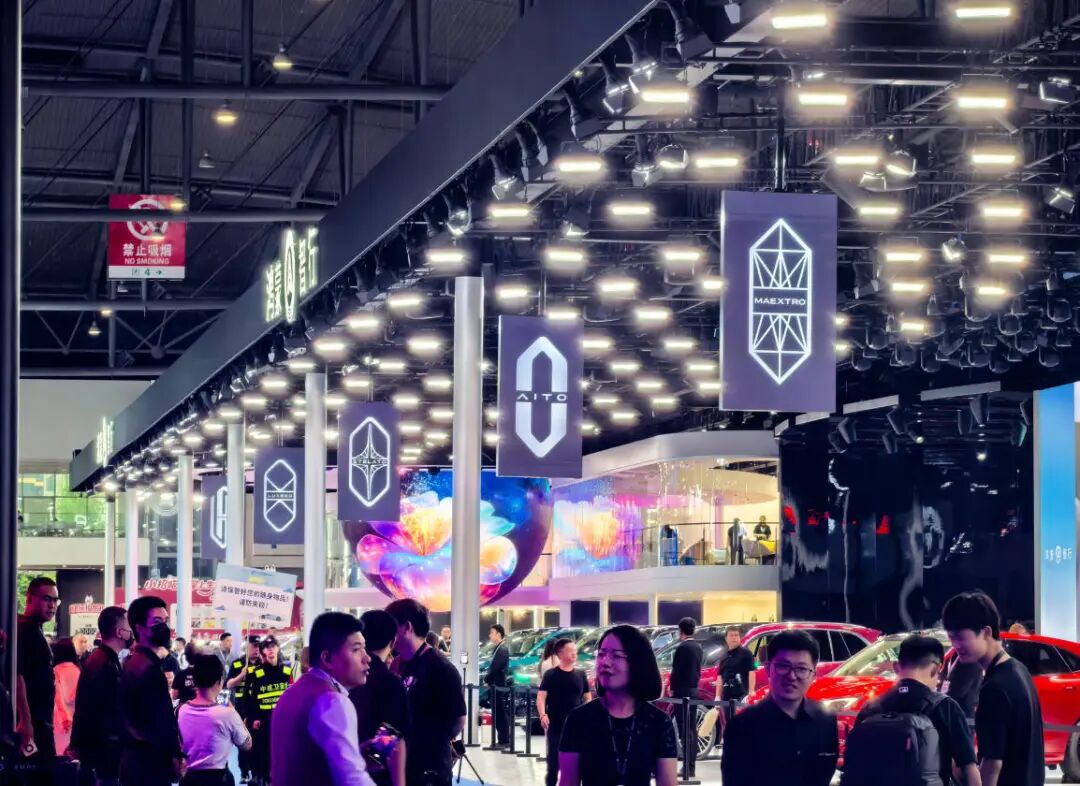
Suppliers and ecosystem players also became more prominent. CATL had an independent stand to display battery upgrades and fast-charging solutions. Huawei's Harmony Intelligent Mobility alliance brought Aito, Luxeed, Stelato, Maextro and Shangjie together for the first time, drawing some of the heaviest foot traffic at the event.
Consumers, not journalists, set the tone
The strongest signal came from the audience. Visitors appeared less fixated on imported brands and more willing to spend time at domestic-brand stands. At one point, Nio and Mercedes-Benz faced each other across the floor; Nio had the larger crowd, much of it made up of consumers asking sales staff about prices and policies. Mercedes drew lighter traffic, with more casual visitors taking photos.
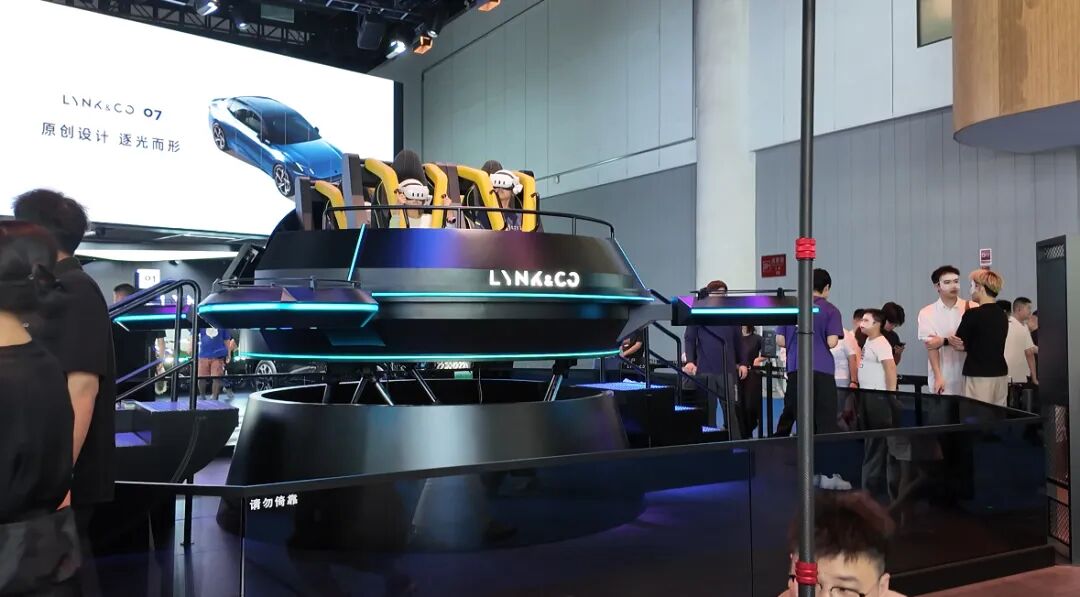
This was not limited to one stand. Even popular brands appeared to be drawing traffic through purchase consultations, test-drive interest or small rewards for check-ins. For journalists, that made media day harder to use. Photographing new-car details required waiting for shoppers to move away, and interviews with technical staff competed with sales activity.
The market explains the show
The shift is not accidental. Chinese brands accounted for 64 per cent of the retail passenger-car market in the first seven months of 2025, up 6.9 percentage points from a year earlier. In new-energy vehicles, domestic-brand penetration reached 75.4 per cent. Those numbers explain why brands are willing to treat the show as a sales channel rather than a ceremonial stage.
Export growth has added to that confidence. CAAM data showed China exported 3.083mn vehicles in the first half, up 10.4 per cent, keeping the country in first place globally for a third year. New-energy vehicle exports reached 1.06mn units, up 75.2 per cent.
For Chinese automakers, a media-day speech may produce exposure. A signed order produces revenue. That commercial logic is increasingly shaping the way the Chengdu show operates.
Chengdu needs a clearer identity
The current format leaves the event caught between two purposes. If Chengdu wants to remain a professional media platform, it needs protected time for launches, technical briefings and interviews. If the market has already turned it into a consumer-sales event, the organisers may be better served by embracing that reality and opening the floor fully to retail activity.
A show that tries to be both can frustrate all sides. Journalists struggle to work, consumers find fewer genuine surprises and brands split attention between promotion and conversion. Chengdu's strength is its direct connection to buyers. Its future value may depend on admitting that the sales floor has become the main stage.