
China's auto industry has seen a sharp wave of executive changes.
A personnel storm across the sector
In roughly three weeks, 48 senior roles were adjusted, 10 brand chiefs changed and 13 automakers reshuffled leadership positions, according to media statistics cited in the article.
Executive turnover is normal in a competitive industry. This concentration is different. It reflects the pressure of an auto market moving from price wars and anti-involution slogans toward technology democratisation, intelligent vehicles and deeper operating discipline.
The message is clear: as competition intensifies, automakers need the right people to lead the next phase of the fight.
Why the reshuffle is happening
The pressure comes from several directions. New-energy vehicles and new-force brands have disrupted the old fuel-car market, making it impossible for traditional automakers to rely only on legacy products and established channels.
Companies such as BYD moved early with technologies including Blade Battery and DM-i hybrid systems. Tesla, Li Auto and Xpeng captured consumer attention through intelligent features, user experience and new business models. That forced more automakers to accept that deep transformation is no longer optional.
Leadership therefore matters more. Strategic judgment, execution capability and the ability to reorganise resources can decide whether a carmaker catches the new-energy wave or falls behind.
Automakers are also expanding beyond traditional vehicle sales. Some are entering mobility services, custom ride-hailing vehicles, overseas markets and new digital services. Those strategies require executives with broader skills than the old sales-and-manufacturing playbook.
Talent movement can be healthy
The reshuffle is not only a sign of anxiety. It can also help the industry move into a more mature value-competition stage.
For years, competition was heavily focused on hardware. Fuel cars competed over engines, transmissions and chassis. EVs competed over batteries, motors and electric-control systems. Now the dimensions have widened to new-energy technology, intelligent cabins, assisted driving, software, service models and brand ecosystems.
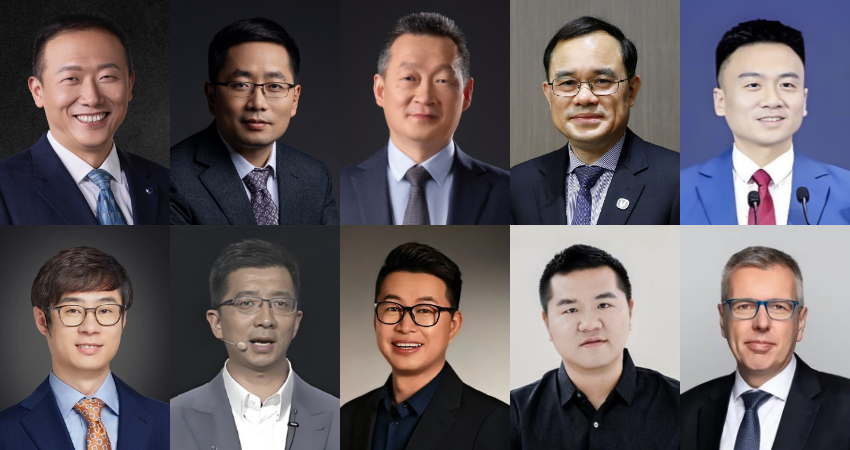
Executives from different backgrounds can bring new thinking. Operational leaders can improve user-service systems and digital-experience management. New-energy specialists can strengthen battery, platform and electric-drive development. Cross-industry talent can help carmakers build user operations and software-led businesses.
Talent movement also breaks organisational boundaries. Traditional automakers can learn faster innovation methods from new-force companies, while start-ups can learn supply-chain discipline and manufacturing control from established groups.
Reshuffling may accelerate consolidation
The next round of competition is likely to become more intense. Personnel changes often reveal where companies are heading strategically.
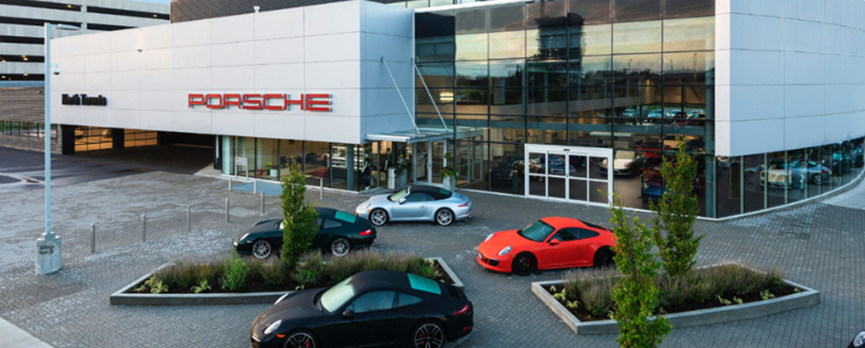
The September wave involved nine major Chinese automakers, including BYD, Geely, Great Wall, Changan, GAC, Dongfeng, Li Auto, Nio and Xiaomi. Foreign and joint-venture names including Tesla, Mercedes-Benz, FAW Audi and Renault were also linked to management changes.
The reasons varied. Some changes were connected to anti-corruption and governance, some to strategy, and others to new-business development. The common thread is that companies recognise the severity of the next competitive phase.
As leading automakers optimise structures and bring in stronger talent, market share may concentrate faster. Companies lagging in technology, overseas expansion or user operations will face greater risk of being pushed out.
Examples of targeted recruitment
BYD recruited Wang Jun, former chief technology officer of Banma, a move that may strengthen its capabilities in smart-cabin architecture and map-related R&D.
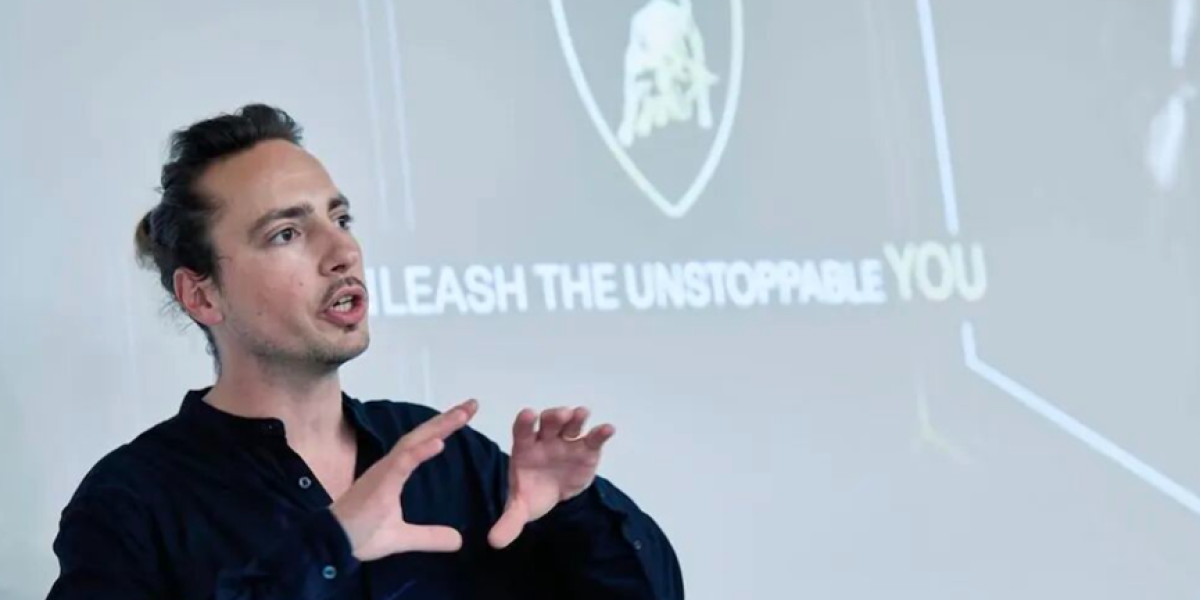
Xiaomi Auto has also hired overseas executives and designers. Reports said Fabian Schmölz, formerly Lamborghini's chief exterior designer, joined Xiaomi's auto team to lead European exterior design work. In 2025, at least six executives from overseas brands were reported to have joined Xiaomi Auto.
GAC has taken a different route, combining anti-corruption and internal discipline efforts with global recruitment. It has launched a search for eight senior roles, including general manager, deputy general managers and chief accountant, signalling a desire to improve decision efficiency and market response.
These moves show that automakers are no longer relying only on price cuts. They are trying to strengthen technology, design, governance, globalisation and organisational speed.
The fight moves from products to systems
The executive wave reflects collective anxiety about electrification and intelligence. But it also shows that mainstream automakers are actively trying to change.
The next phase of China's auto competition will be more multidimensional. Product strength still matters, but so do leadership, governance, technical direction, service design, global capability and the ability to absorb outside talent.
The management reshuffle will not end with one month. As the market keeps consolidating, more automakers will change leaders, restructure teams and look for people who can turn strategy into execution. The companies that do that best will have a better chance of surviving the next elimination round.