
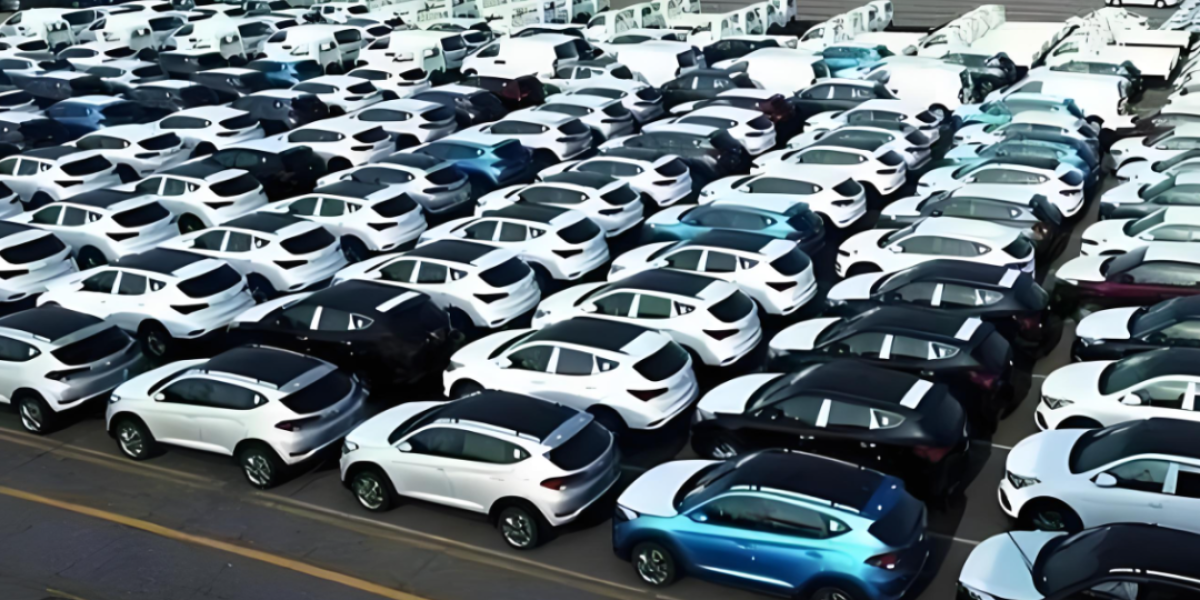
More than 70 new cars were launched in China in September, with 30 arriving in the final week alone.
A record launch wave
The intensity of the launch cycle set a new weekly record and made late September feel like a concentrated industry showdown.
Some observers saw panic. Others saw the usual year-end sales push. The more convincing explanation is broader: the industry reached a rare moment when policy timing, seasonal demand and the need to prove product progress all aligned.
With 2025 entering its final quarter, automakers needed to show what they had built during a year when the price war began to lose appeal and a more quality-focused contest gained ground.
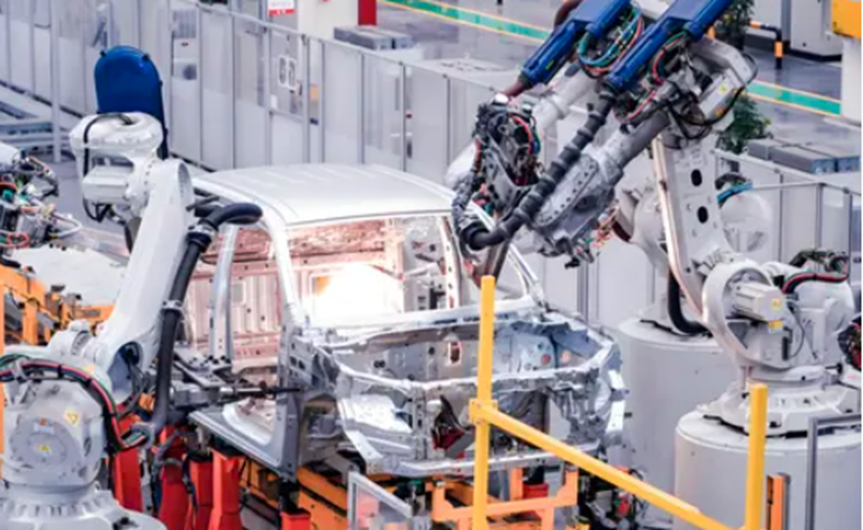
Old and new forces meet directly
The launch wave included models such as the 2026 Voyah Dreamer, BYD Seal DM-i, Haval Dagou Plus, Stelato S9T, Audi E5 Sportback, Roewe M7, Chery Fengyun X3L, Geely Galaxy M9, Denza N9 and Avatr 07.
The range of participants matters. New-force brands and traditional automakers were both active, and the launches covered almost every major segment: compact cars, mid-to-large SUVs, hard-core off-road vehicles, sedans, MPVs, battery EVs and plug-in hybrids.
That breadth shows how the competitive gap between old and new forces has narrowed. EV start-ups once moved faster in software, user experience and marketing. Traditional groups such as BYD, Geely, Chery, Volkswagen and the German luxury brands have since accelerated their own new-energy efforts.
The result is a more direct confrontation. Product cycles are faster, model line-ups are broader and automakers are paying closer attention to increasingly segmented consumer demand.
The logic shifts away from price alone
The most encouraging part of the September wave was not the number of launches. It was the change in messaging. Few brands presented their new models as simple low-price attacks. The focus was much more clearly on technology, equipment and product quality.
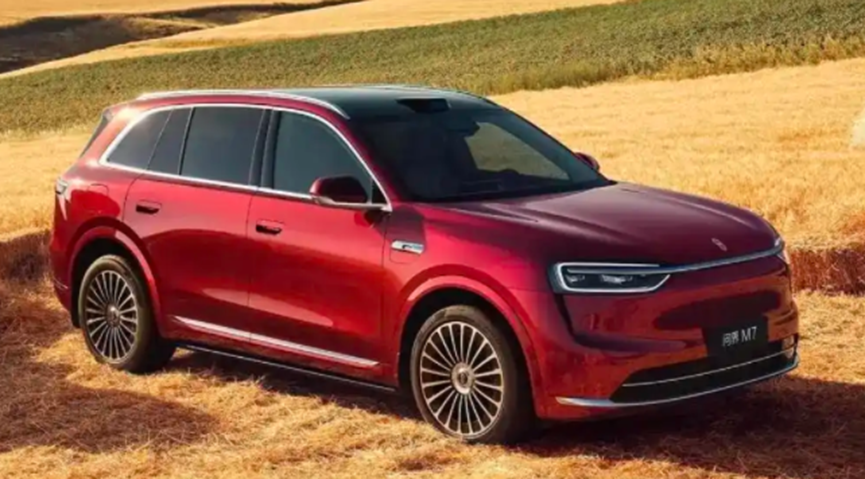
Aito M7 arrived as a vertical replacement with ADS 4 assisted driving and cabin lidar-vision technology. Li Auto L6 used an extended-range hybrid system with a CLTC combined range of 1,302km and technologies such as high-speed tyre-blowout control. Geely Galaxy Xingyao 6 offered extended-range and pure-electric versions, with L2-plus assisted driving as standard.
Volvo XC70 used an 800V fast-charging platform, with plug-in hybrid pure-electric range of 235km to 350km and V2L external power output in its EV version. Denza N8L added an intelligent chassis, highway NOA and memory parking. Buick Zhijing L7 offered intelligent four-wheel drive, terrain-adaptive control and active suspension. Zeekr 9X used a full-stack 900V hybrid high-voltage architecture and a claimed CLTC combined range up to 1,250km.
These launches suggest that competition is moving from blunt price reduction toward battery technology, range, charging speed, electric-drive efficiency, cabin software, assisted driving and safety performance.
Policy remains the hidden driver
The industry is still anxious, and policy is one reason. New-energy vehicle purchase-tax support has long been one of the sector's major accelerators. Under rules issued in 2023, from January 1, 2026, the full purchase-tax exemption will be reduced to a half exemption, with a tax-relief cap of about $2,000 per new-energy passenger vehicle.
That change affects both automakers and consumers. Buyers may bring purchase decisions forward to avoid higher costs. Automakers, facing the same policy window, want to launch products early enough to capture that demand.
The September surge therefore reflects competition, year-end target pressure and the last full-tax-exemption window working together. It was not an accidental pile-up.
A healthier fight, if it stays disciplined
In the short term, the launch wave gives consumers more choice and gives automakers one more chance to capture year-end volume. In the longer term, the more important sign is that competition is starting to return to product substance.
That is positive for the industry if companies remain disciplined. A faster launch cycle can drive innovation, but it can also become wasteful if brands launch for the sake of appearing active.
The risk is that aggressive launch behaviour replaces price-war behaviour without improving fundamentals. The opportunity is that China's auto market moves toward better technology, clearer positioning and more valuable products. September showed both possibilities at once.