

Comments from a FAW Audi executive have pushed a familiar question back into China's auto debate: should consumer-grade chips be used in vehicles, or should carmakers hold the line on automotive-grade standards?
Audi executive comments reopen a sensitive issue
The executive argued that cars are not fast-moving consumer goods and that Audi will not lightly adopt unverified technology where passenger safety is involved. A joint-venture executive later shared the comments online with a pointed remark, turning a technical issue into a broader industry argument.
The immediate target of the discussion was not always explicit, but the debate gained renewed attention after Xiaomi's YU7 used Qualcomm's Snapdragon 8 Gen 3 as a cockpit chip. Because Xiaomi has unusually high public visibility, the question of consumer-grade versus automotive-grade chips moved quickly into mainstream discussion.

Three technical differences matter
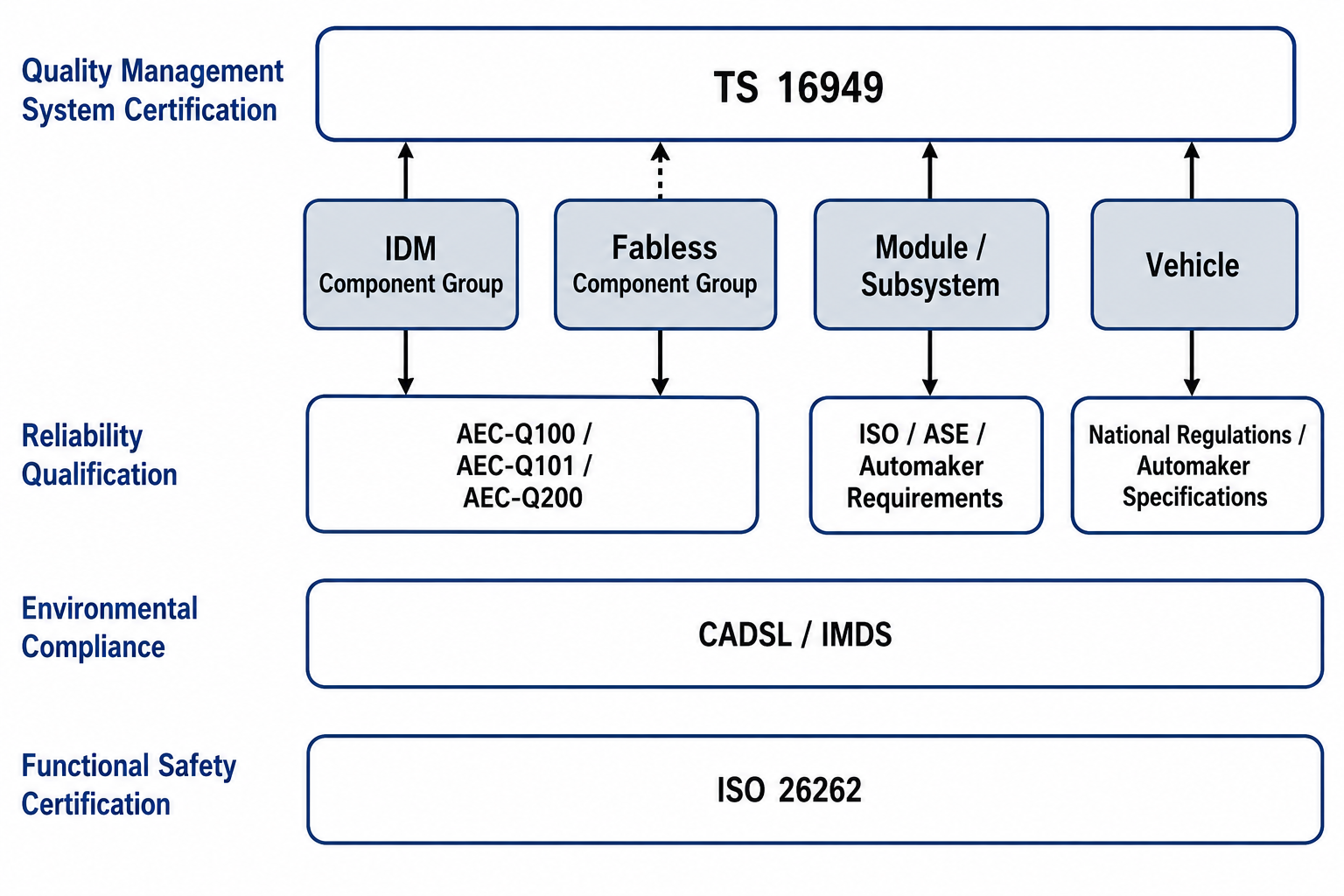
Tongji University automotive professor Zhu Xichan has said a vehicle contains more than 1,000 chips, and requirements should depend on function. Chips tied to functional safety and personal or property risk should pass AEC-Q100 and ISO 26262 certification. Chips in non-safety systems may require environmental and lifetime testing rather than the full functional-safety package.
That distinction matters, but FAW Audi's technical explanation highlighted three broader differences: operating environment, service life and safety margin.
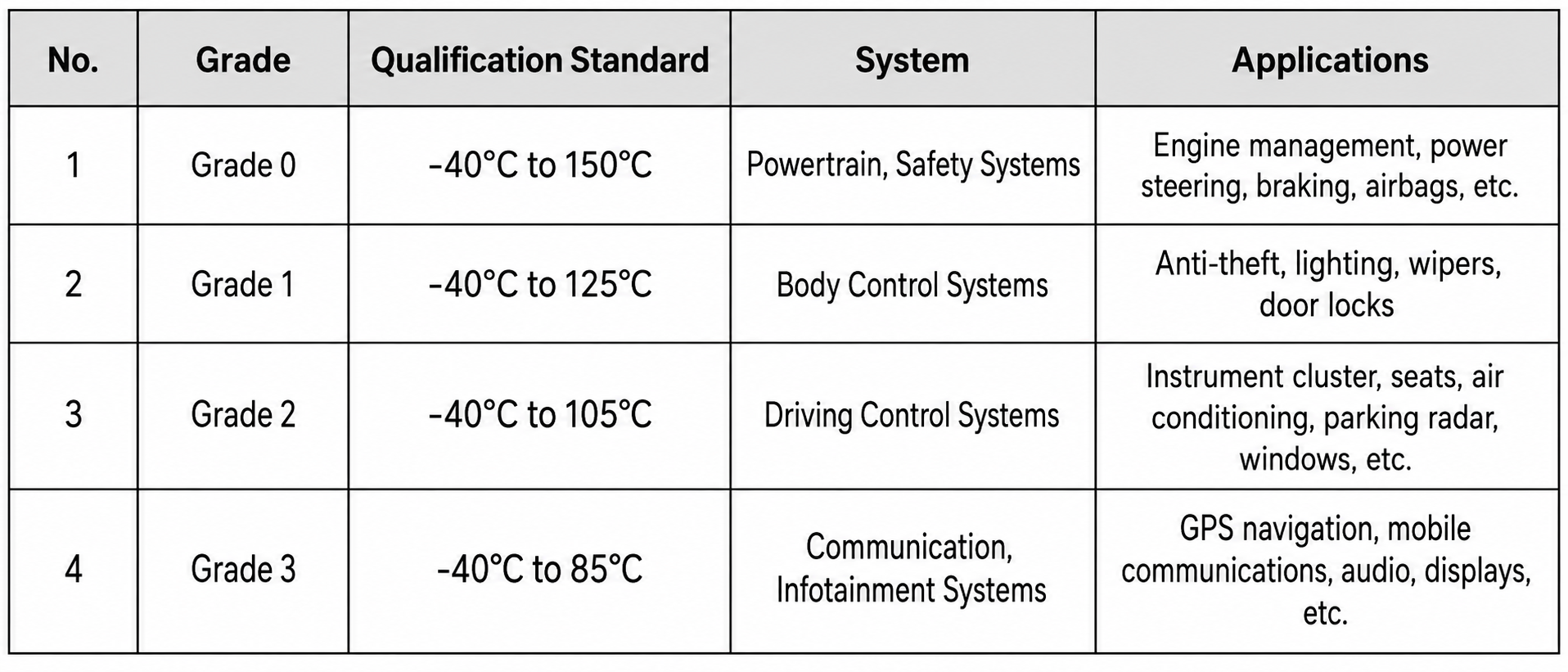
Automotive-grade chips are designed to work from minus 40C to 150C, while consumer-grade chips are typically designed for 0C to 70C. Cars face heat, cold, rain, snow, dust, vibration and electromagnetic interference. Materials must tolerate high temperature, corrosion and condensation.
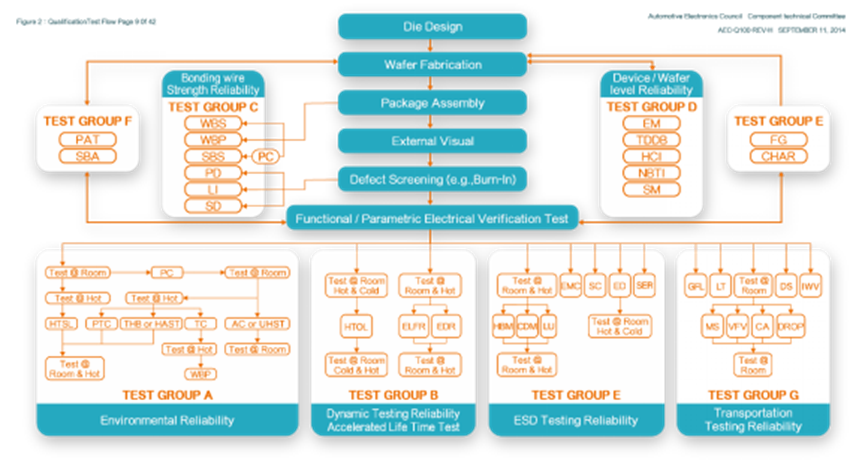
Service-life expectations are also different. Consumer chips are often designed around three to five years of use. Automotive-grade chips are expected to support more than 10 years of stable supply and high consistency between batches, with validation through AEC-Q processes.
Failure-rate expectations are far stricter. Consumer-grade components may allow hundreds of failures per million units. Automotive-grade components target less than 1 PPM, or no more than one failure per million, according to the figures cited in the article.
Even cockpit chips can become safety-relevant
The article's core argument is that a cockpit chip may appear unrelated to safety until failure occurs in real use. If a chip overheats, freezes or causes the cockpit system to crash during extreme weather, navigation, controls, alerts and user interaction may be affected.
Tesla's earlier use of a consumer-grade Nvidia Tegra 3 chip in its MCU1 system is cited as a cautionary example. Over time, some users experienced higher failure rates, black screens or frozen central displays, leading Tesla to recall certain Model S and Model X vehicles in China and the US and repair or replace affected parts.
AEC-Q certification is formally an industry standard rather than a legal requirement in every context, but global automakers and Tier 1 suppliers widely treat it as an entry ticket for automotive electronics. Products without it struggle to enter mainstream automotive systems.

Cost pressure explains the temptation
Consumer-grade chips can offer strong performance, especially in graphics rendering and AI processing, at lower cost. That is attractive in China's fiercely competitive market, where consumers reward visible specifications, smooth screens and low prices.
The problem is that cutting visible equipment is easy for consumers to notice. Reducing cost in less visible areas, such as chip grade or validation depth, can be harder for buyers to detect. That creates a temptation for companies seeking stronger specifications without raising prices.
Automotive-grade chips are more expensive because design, testing, materials and production controls are more demanding. ISO 26262 work can add around 30 per cent to design costs, according to figures cited in the article. Automotive-grade chips may require hundreds of tests, with testing accounting for about 30 per cent of cost, compared with 5 to 10 per cent for consumer chips. Materials and packaging can cost two to five times as much as consumer-grade equivalents.
Xiaomi's public-relations head Wang Hua has said the YU7's Snapdragon 8 Gen 3 passed strict certification and extensive road testing, and that other automakers have also used consumer-grade processors in vehicle systems. The article's counterpoint is that company testing and industry-grade safety standards are not the same thing.
Should automotive-grade standards bend?
The most important question is whether automotive standards should adapt as consumer chips become more powerful. The article argues that safety standards exist for a reason and should not be weakened simply because consumer technology has improved.
Consumer devices can fail without creating immediate life-safety consequences. A phone can shut down in heat or cold and inconvenience the user. A car must continue to operate safely under harsher conditions, including extreme temperatures, vibration, moisture and electromagnetic interference.
This does not mean consumer-grade chips have no performance or cost advantages. It means the automotive use case demands a higher burden of proof. If carmakers normalise non-automotive-grade components in areas that consumers cannot easily evaluate, the practice could spread to other hidden systems.
Innovation matters, but safety boundaries matter more. For buyers, the issue is not which company wins an online argument. It is whether standards protect them when marketing claims, cost pressure and brand loyalty are not enough.
The debate is about trust
The controversy around automotive-grade and consumer-grade chips is ultimately a contest between safety and cost. Consumer chips can deliver strong computing power and attractive specifications at lower prices. Automotive-grade systems are more expensive, slower to validate and less glamorous, but they are built around reliability.
China's auto market is full of aggressive claims and rapid product cycles. In that environment, automotive-grade standards may be one of the few hard protections consumers can understand. Carmakers that want to use non-traditional components should have to prove reliability to the same level, not ask buyers to accept lower assurance in exchange for faster screens or lower prices.