
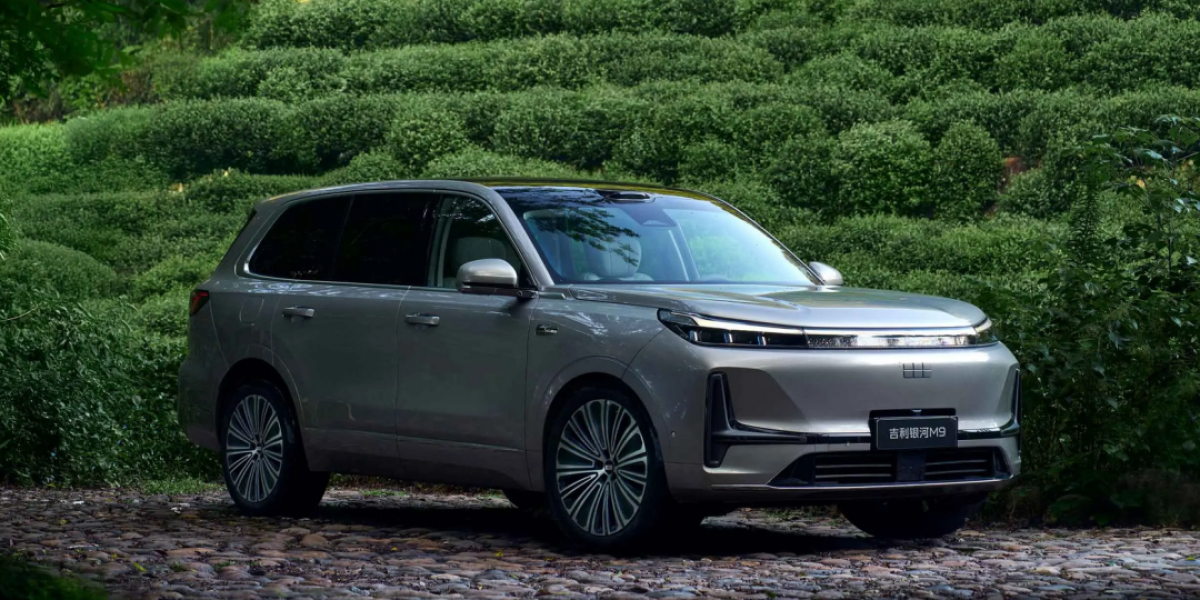
China's new-energy vehicle purchase-tax benefit is set to be reduced, and automakers are responding with a wave of new launches. In some months, dozens of new models are arriving almost at once.
A policy window that has everyone rushing
This is not only a mechanical reaction to policy change. It reflects a deeper shift from a market built on incremental growth to one fighting over existing demand.
For automakers, the tax window is both an opportunity and a warning. They want to capture buyers before costs rise, but they also know that demand pulled forward into late 2025 may leave a weaker market in early 2026.
The cost calculation
The purchase-tax change appears to affect consumers first, but it quickly becomes a problem for manufacturers. A family car priced at about $28,000 could require roughly $1,000 in extra purchase tax once the full exemption is reduced.
Chinese buyers are highly price-sensitive. That extra cost can become a decisive factor in whether to buy now, wait, or choose a different brand. To protect orders, automakers may need to absorb part of the tax difference through discounts, subsidies or other incentives.
That is why many brands are accelerating launches and promotions. They are trying to lock in buyers before the policy changes and before rivals do the same.
Consumers are also under pressure. Anyone already planning to buy may bring the decision forward to avoid higher 2026 costs. The result is a short policy gap in which both sides are acting sooner than they otherwise would.
The danger of demand pull-forward
Changan chairman Zhu Huarong warned at the 2025 World New Energy Vehicle Congress that demand brought forward by policy timing could lead to a sharp fall in the first quarter of 2026.
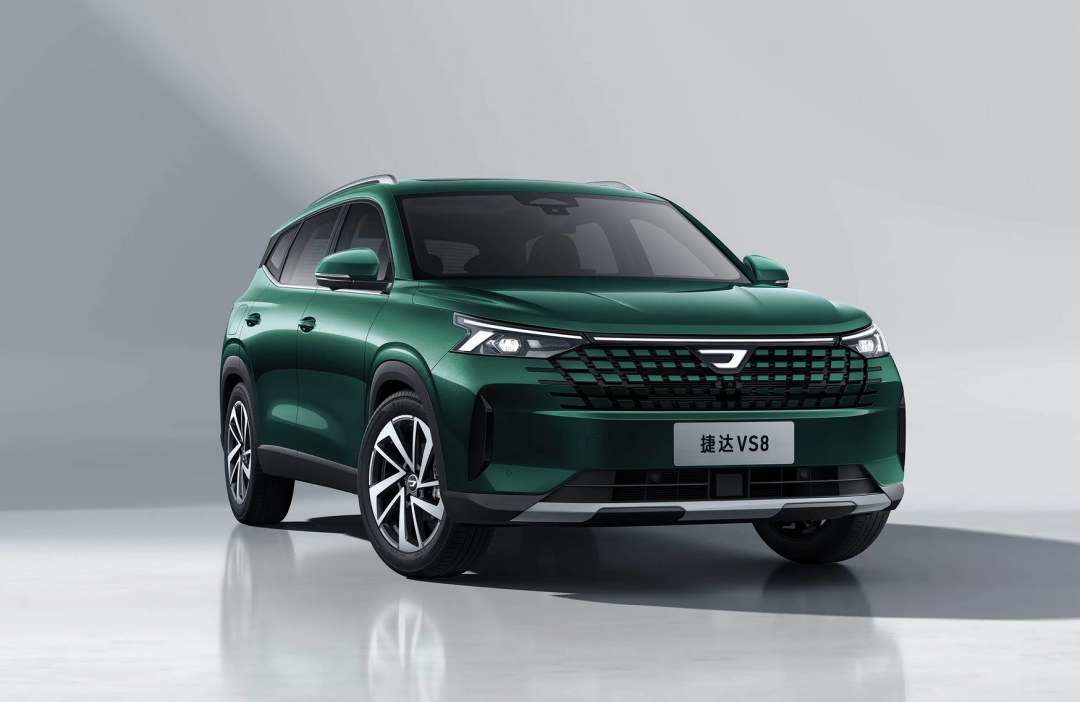
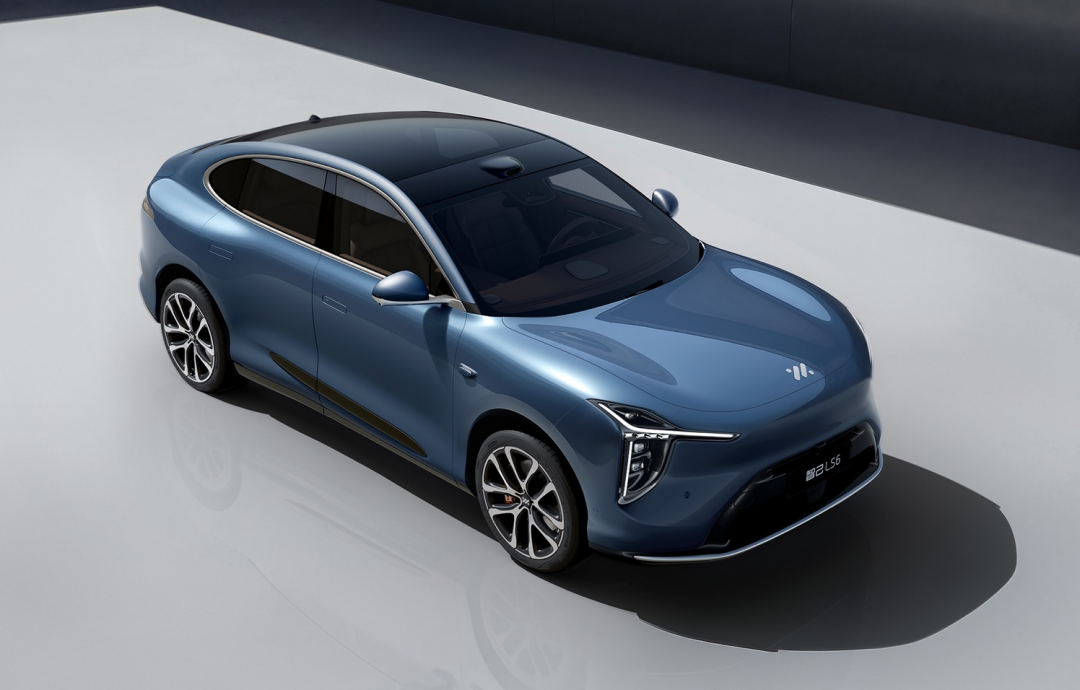
That concern is widely shared. September already saw major state-owned groups such as SAIC, Dongfeng and Changan, listed private manufacturers such as BYD, Geely, Chery and Great Wall, and new-force brands such as Nio, Xpeng, Li Auto, Leapmotor and Harmony Intelligent Mobility all pushing new products aggressively.
The immediate market may look lively, but the question is what happens after those buyers have acted. If the tax window consumes future demand, 2026 could become a much tougher test.
Local replacement subsidies in places such as Jiangsu and Guangxi have already been paused in some cases, and the future of broader trade-in support remains uncertain. Policy retreat is likely to become a normal part of the industry's next stage.
The end of the protected phase
Government departments have said they aim for domestic auto sales growth of around 3 per cent in 2025. At the same time, many industry executives believe the sector's elimination round has begun.
Once new-energy vehicles leave the policy greenhouse, technology and product differentiation will matter more. Companies that relied mainly on incentives will face shrinking room, while stronger players may use the higher bar to widen their lead.
From 2026, the technical threshold for purchase-tax benefits is expected to rise. Plug-in hybrid passenger cars, including range-extended models, may need pure-electric range to increase from 43km to 100km, while battery-electric cars will face stricter energy-consumption standards.
That direction favours companies with engineering depth and enough capital to keep investing. Weaker manufacturers may struggle if they cannot keep up on technology, cost, service and product quality.
Brand and share become the hard battles
The next phase will not be won by launch speed alone. Brand strength, market share, service quality, user trust and product clarity will become harder and more important.
Building a brand takes time: product quality, aftersales, communication and consistent ownership experience all matter. Winning share requires fast market response and a clear reading of consumer demand.
That raises the difficulty of competition, but it may also clean up the market. Companies that only chased subsidies or short-term price tactics will have less room to hide.
The challenge for new-energy brands is that petrol vehicles still hold a meaningful share of the market. EV makers must persuade buyers through technology, product planning, service and real ownership value, not only policy advantage.
The current wave of new cars is only the beginning. Some brands are strengthening technology partnerships, some are expanding product matrices, and others are using technical innovation to capture buyers quickly. The real contest will arrive after the policy window closes.
No shortcut left
The purchase-tax reduction is a trigger, not the whole story. It has exposed the difficult balance between cost and price, the race for technology upgrades and the battle for brand credibility.
For automakers, the path forward is less forgiving: understand policy direction, read demand accurately, improve technology and build stronger products. There will be pain as the industry moves away from shortcuts, but a more market-driven competition may ultimately be healthier.