China's 2026 purchase-tax rules for new-energy vehicles have put a new spotlight on plug-in hybrids and range-extended vehicles.
A 100km threshold changes the market
To qualify for tax relief, plug-in hybrid passenger cars, including range-extended models, must meet a conditional equivalent all-electric range of at least 100km.
For buyers, range-extended vehicles have become a compromise between pure EVs and petrol cars. They offer electric driving for daily use and fuel-backed electricity generation for longer journeys.
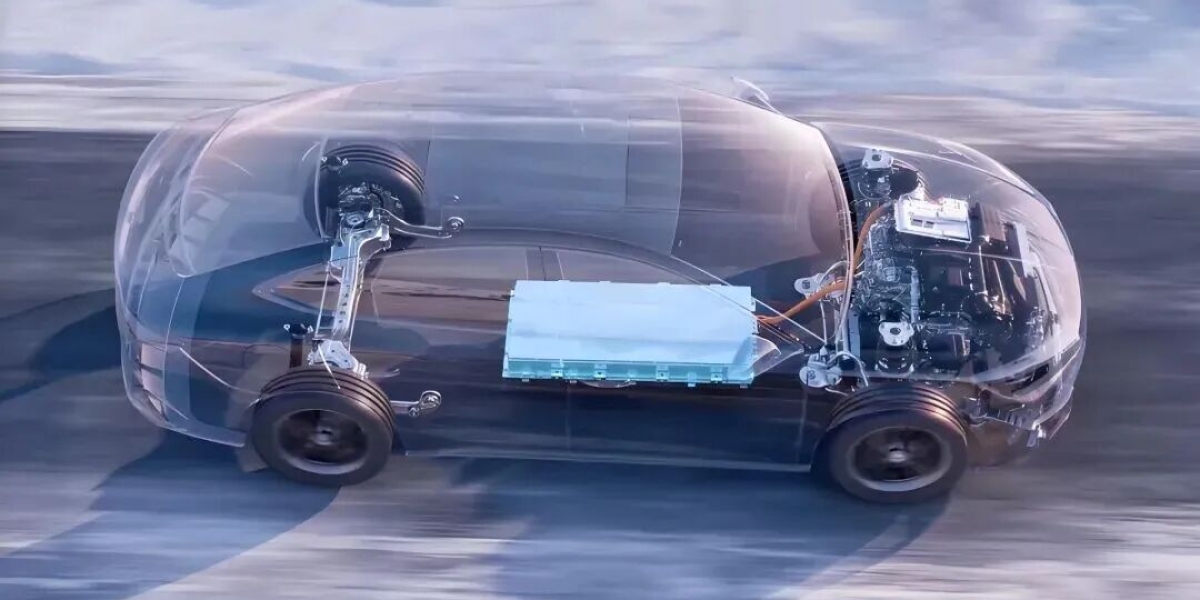
Historically, many range-extended vehicles used smaller batteries. Larger packs add weight and cost, while the engine and fuel tank occupy chassis space that would otherwise be available for battery modules. In 2020, the tax-relief threshold for range-extended models was only 50km of pure-electric range, allowing many manufacturers to enter quickly with lower-cost solutions.
The new 100km rule changes the direction. It gives automakers a clearer technical floor and raises new questions for consumers: will larger batteries become standard, will prices rise, and can longer electric range coexist with safety, handling and value?
Policy shifts from expansion to quality
The broader policy direction is clear. Early new-energy incentives were designed to bring more automakers and consumers into the market. The new rules are more selective, using technical thresholds to push the industry toward higher-quality products.
Beyond the 100km electric-range requirement, the policy also sets energy-consumption standards by vehicle weight. Models below 2,510kg must keep electric consumption within 140 per cent of the corresponding limit. Vehicles at or above 2,510kg receive a 145 per cent limit.
That approach recognises that larger SUVs and MPVs have different physical constraints, while still requiring automakers to improve efficiency as they increase range.
The policy also continues fuel-consumption exemptions for plug-in hybrids using non-petrol or non-diesel fuels. That leaves room for manufacturers to explore methanol, ethanol and other cleaner-energy routes.
The shift from 50km to 100km, and from NEDC to WLTC-style conditions, shows that policy is following consumer expectations. New-energy vehicles are no longer judged only by whether they work. Buyers now expect them to work well.
Range extenders are not being phased out
A higher threshold does not mean range-extended vehicles are being pushed out. The opposite may be true. In 2024, range-extended EVs sold 1.167 million units, up 78.7 per cent year on year, making them one of the fastest-growing parts of the new-energy market.
Zhang Yongwei of China EV100 has forecast that plug-in hybrid models, including range-extended vehicles, could exceed eight million sales in 2025 and account for nearly half of the new-energy market.
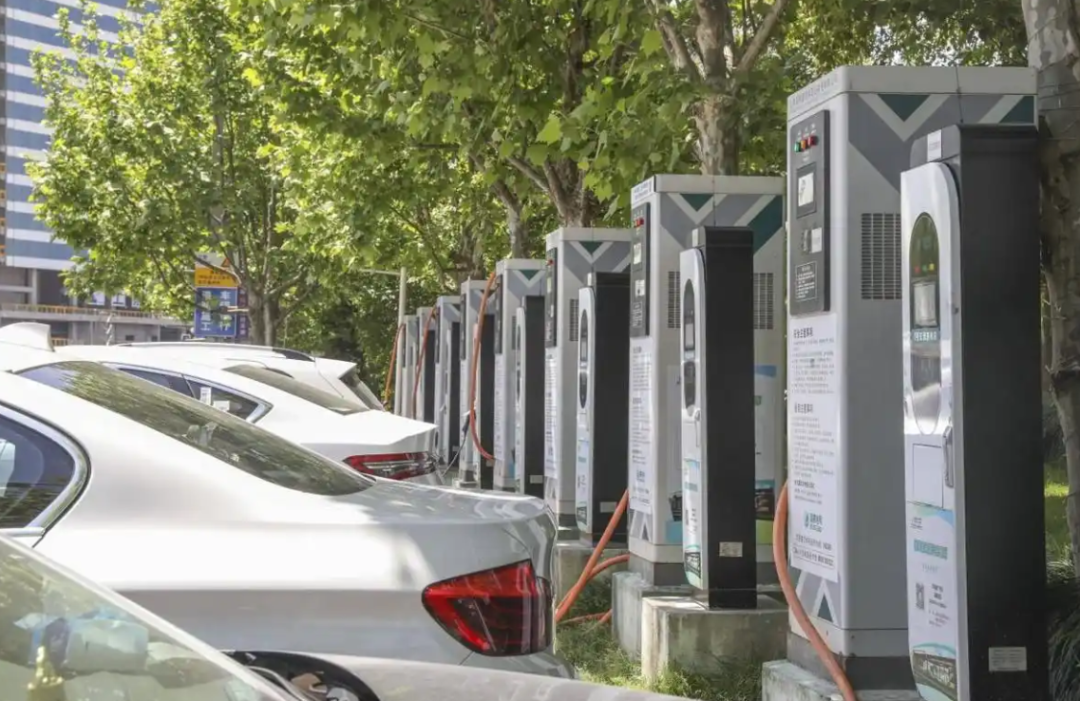
The reason is simple. Range-extender technology addresses the two biggest concerns around pure EVs: range anxiety and charging inconvenience. It gives users electric smoothness and low daily running cost, while keeping fuel-backed flexibility for longer trips.
What is changing is the competitive focus. Early range extenders were often judged by how far they could go. The next phase will judge how efficiently they generate electricity and how well they balance battery size, fuel use, cost and driving experience.
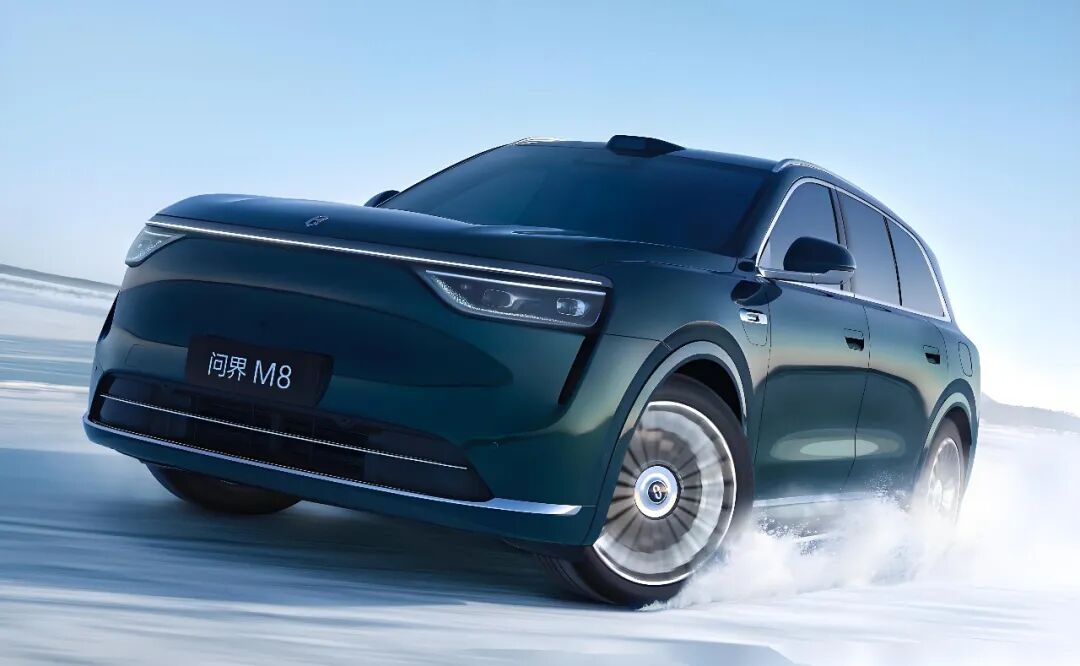
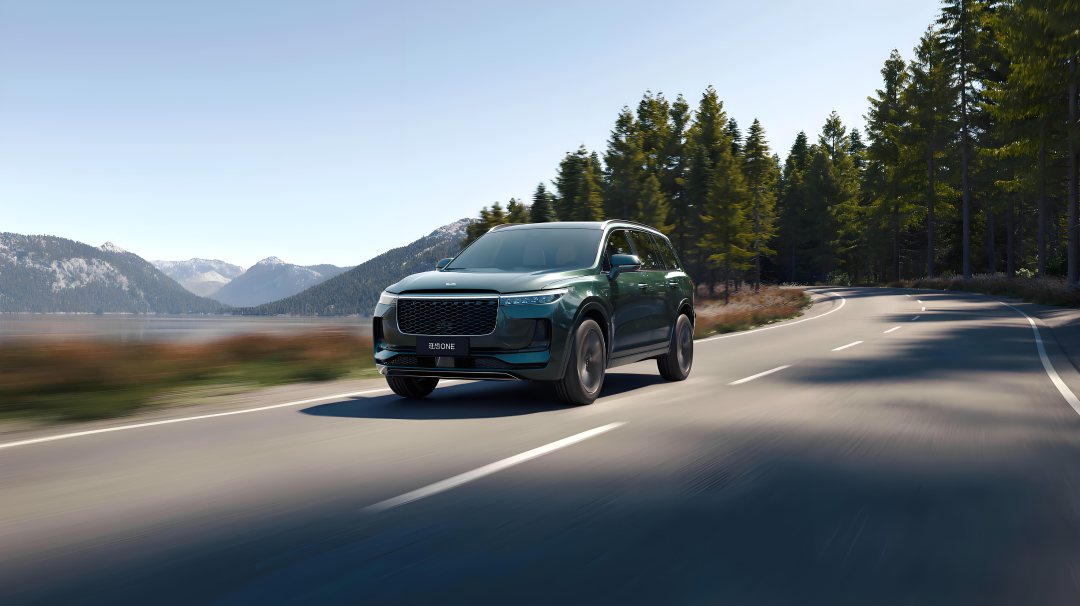
Several leading systems now claim high thermal efficiency. Aito M8's 1.5-litre four-cylinder range extender uses a deep Miller-cycle design and reaches 44.8 per cent. Chery's fifth-generation dedicated range-extender engine, used in models such as the Luxeed R7 range-extended version, reaches 44.5 per cent. Deepal S09's BlueCore HE 1.5T range extender reaches 44.28 per cent.
The big-battery trend
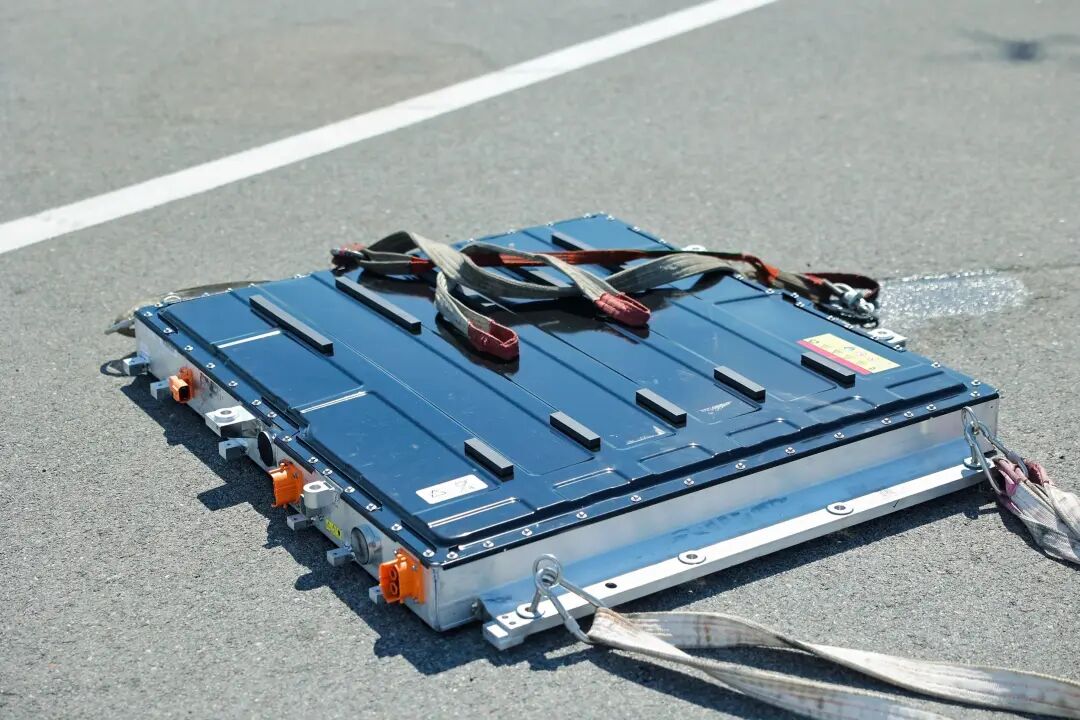
The new rules will reinforce the move toward larger batteries. Nearly half of current range-extended models already exceed 200km of pure-electric range, and mainstream 2025 models are increasingly moving beyond 300km. Some high-end vehicles, such as the Maextro S800 range-extended version, have reached 400km.
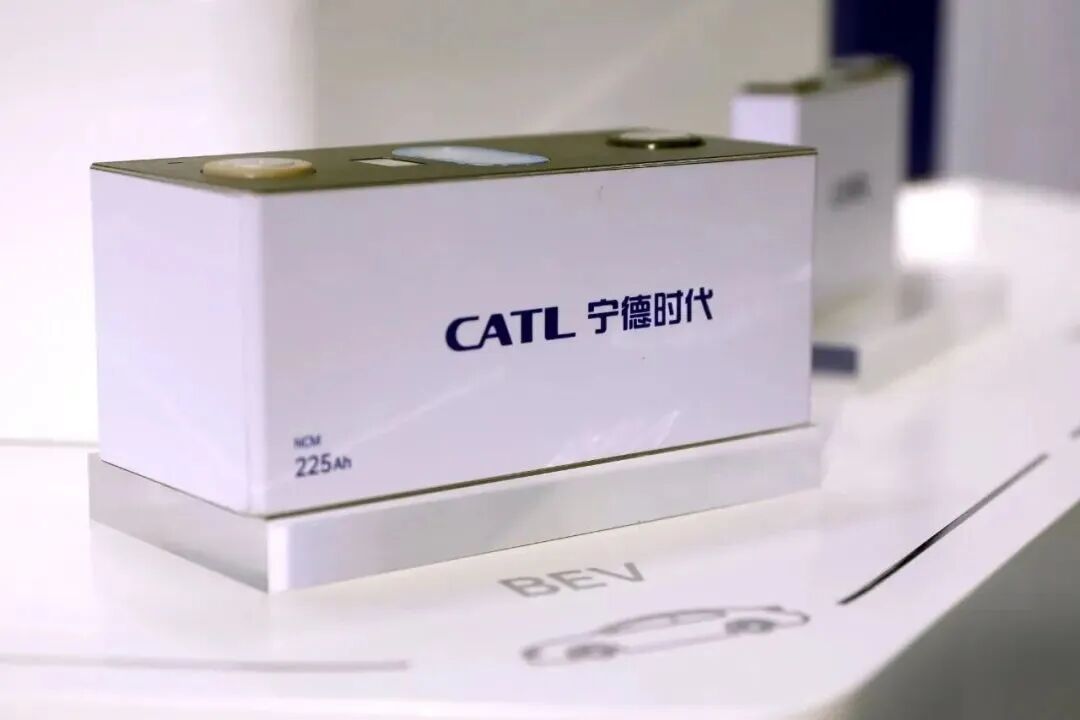
Leapmotor, Xiaomi and others are also expected to launch range-extended models with around 80kWh batteries. CATL is preparing to revive its 8-series high-nickel batteries for hybrid applications, according to the article.
User behaviour explains the direction. Third-party research cited in the article suggests more than 91 per cent of range-extender owners prefer using pure-electric mode in daily driving, with the engine used mainly for long trips or low-battery conditions. Electricity is far cheaper than fuel, so a longer electric range makes the car feel closer to a pure EV in everyday use.
That does not mean bigger is always better. Battery cost rises with capacity. In the six-seat Aito M8 range-extended version, the 53.4kWh Max+ version costs about $4,000 more than the 37kWh Max version. That price gap can change a buyer's decision.
Weight is another problem. Using mainstream lithium iron phosphate chemistry, a vehicle with more than 200km of pure-electric range may need a large number of cells. Some models could exceed three tonnes, affecting handling, braking distance and safety margins.
A bridge that must become stronger
Range-extended vehicles may not be the final form of new-energy mobility, but they remain an important bridge between the pure-electric future and current user needs.
The 2026 tax rules will likely eliminate weaker products that used short electric range and low cost as a shortcut. Stronger models will need larger batteries, more efficient range extenders and better overall engineering.
For consumers, the result should be better range-extended vehicles. For automakers, the message is clear: the technology can keep growing, but only if it becomes more efficient, safer and more useful in daily life.