
China's A0-class small-car market has moved from the margins back into the centre of competition. Recent launches such as Arcfox T1, MG4 and Wuling Bingo S have pushed small new-energy cars into a new phase of rivalry.
A forgotten segment becomes desirable again
Passenger-car association data cited in the article show that A0-class new-energy sedans grew faster in the first eight months of the year than many other new-energy segments, including A-class SUVs and MPVs.
Wuling has already built a strong position with the Bingo family, whose cumulative sales have exceeded 600,000. Bingo S sold more than 20,000 units in its first 23 days. BYD has pushed the segment upward through the Seagull, which was recognised by Time magazine among notable transportation inventions.
The change shows that the old image of small cars as basic low-cost transport can be broken. Automakers now see the segment as a possible new growth curve at a time when the broader market is becoming harder to expand.
Why petrol small cars lost their appeal
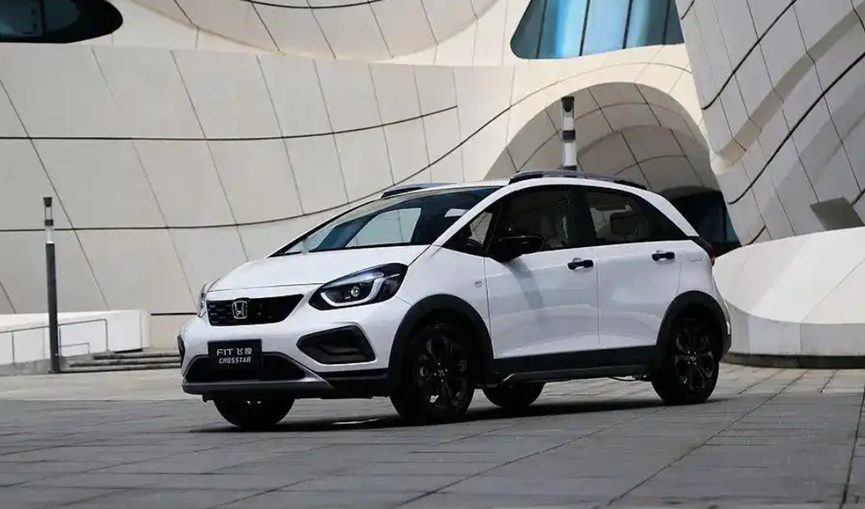
The A0 segment was not always ignored. In the combustion era, models such as Honda Fit and Volkswagen Polo were once important small-car names. Their problem is that the old formula no longer works.
Petrol small cars used to win through economy and practicality. New-energy small cars have taken that advantage away while adding smarter cabins, lower running costs and better equipment. Many entry-level joint-venture petrol small cars still lack features such as reversing cameras, central screens, rear headrests and more refined interiors.
Consumers have not lost interest in small cars. They still need urban commuting, short-distance mobility and easier parking. What they have rejected is the poor experience of old-style budget petrol cars.
That retreat created room for electric small cars. Battery costs have fallen, production processes have improved and carmakers can now offer a small EV with meaningful range, richer equipment and basic intelligent functions at a price that would once have been difficult.
The segment is also supported by policy direction and a broader shift from status consumption toward rational consumption. The result is not a temporary fad, but a reshaping of the small-car value proposition.
The new competitors are raising the floor
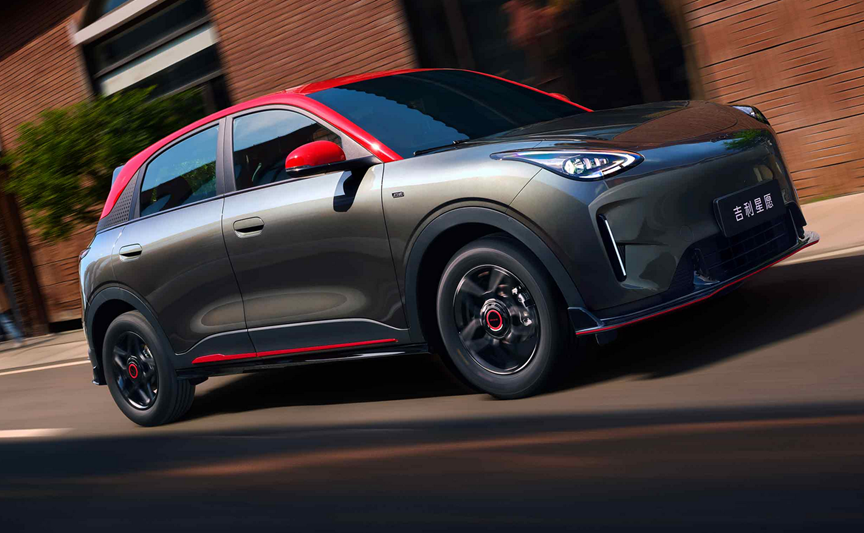
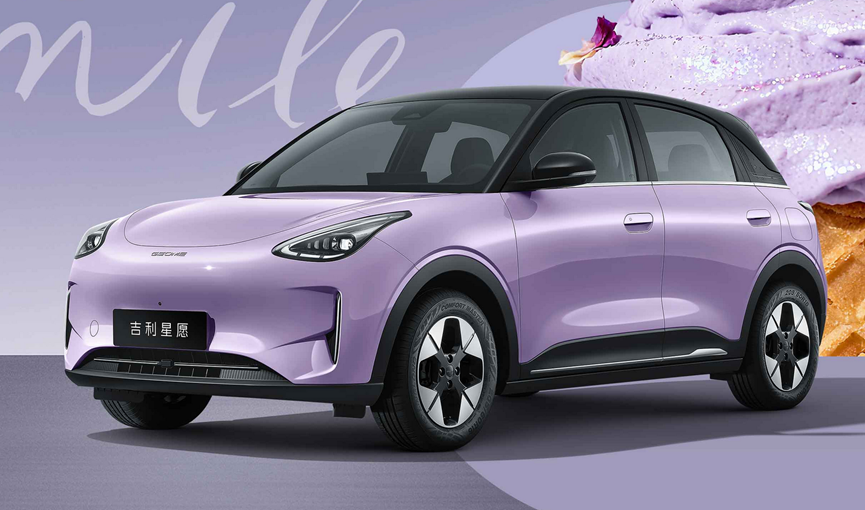
The segment is becoming crowded. Arcfox T1, BYD Seagull and Geely Xingyuan show that major brands are now taking A0-class EVs seriously.
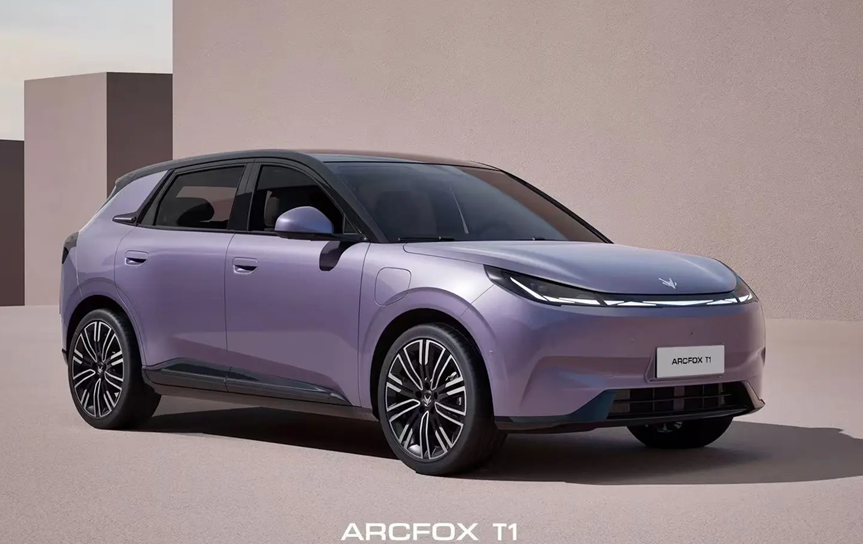
Arcfox T1 became an early standout after selling more than 10,000 units in its first month. It offers strong space for the segment, competitive range, a 15.6-inch centre screen, L2 driver assistance, 360-degree cameras and a transparent chassis view. Those features target the everyday pain points that small-car buyers have long accepted as unavoidable.
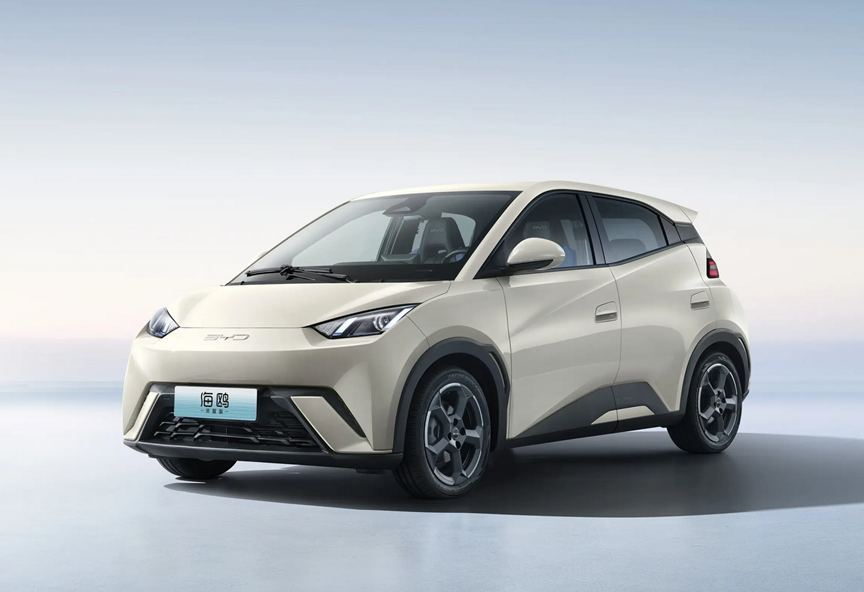
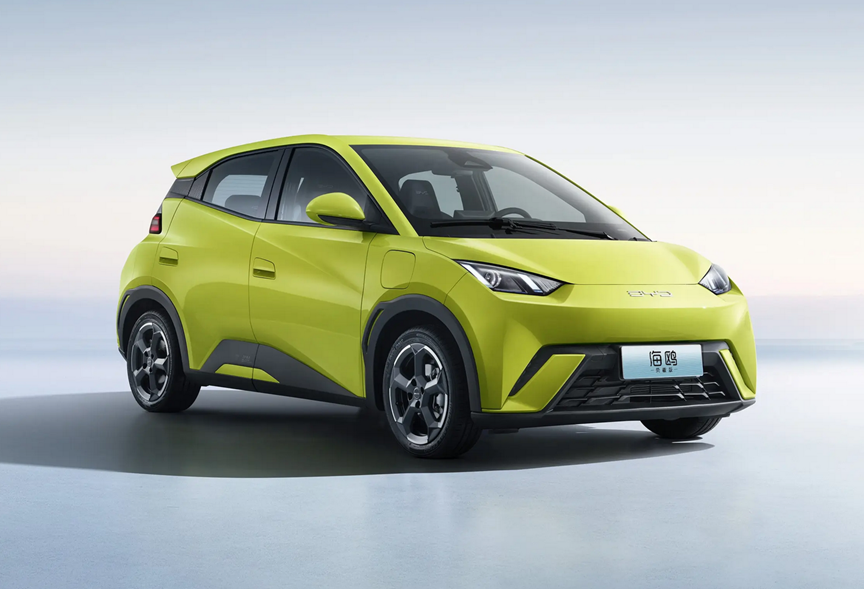
BYD Seagull entered earlier and has built momentum since its April 2023 launch. Based on BYD's e-platform, it uses the Blade Battery, supports external power discharge and offers around 300km to 400km of range, depending on version. Some models also include BYD's God's Eye C assisted-driving system.
Geely Xingyuan is another representative product, with balanced space, the Flyme Auto smart cabin, an in-house electric-drive system, the Aegis battery safety system and L2 assisted driving. Its appeal is less about one headline feature and more about broad competence.
The entry of larger automakers has raised the minimum value expected in the segment. The small-car buyer now expects intelligence, comfort and safety, not just a low price.
Price is still the opening move
Price remains critical, especially for budget-sensitive buyers. Arcfox T1 uses a "more equipment for the same price, lower price for the same equipment" strategy. At about $12,000, it pushes smart-configuration access below roughly $13,000.
Geely Xingyuan follows a similar logic. Its 2026 model cuts price while adding CATL cells as standard, an 11-in-one intelligent electric drive, rear-wheel drive and multi-link independent suspension. BYD Seagull also keeps a low entry threshold.
Yet price alone is not enough. Each successful model is trying to create a clearer memory point. Arcfox T1 stands for space and intelligence. BYD Seagull stands for safety and energy replenishment. Geely Xingyuan stands for balance and design.
Scenario matching is becoming another battleground. Seagull offers different range versions for different driving needs. Arcfox T1 leans into family use with larger space and child-friendly features, making it a natural candidate for a household's second car.
From cheap cars to value reconstruction
The next stage of A0 competition will not be a simple repeat of the petrol era. The old contest was mainly about low cost and basic practicality. The new contest is about value reconstruction and more precise positioning.
Large automakers have advantages in brand recognition, technology depth, manufacturing scale and service networks. Newer players can still win space if they bring distinctive product thinking or a more innovative business model. Weaker brands that once relied mainly on low price may be pushed out faster.
That is not necessarily bad for the industry. If competition forces better technology, products and service into small cars, the segment can move from price-only pressure toward healthier value competition.
For consumers, the battle is likely to bring better cars. For automakers, it offers a growth curve, but only for those that can combine low cost with real product substance. The A0 market may be small in vehicle size, but the fight for it is becoming large.