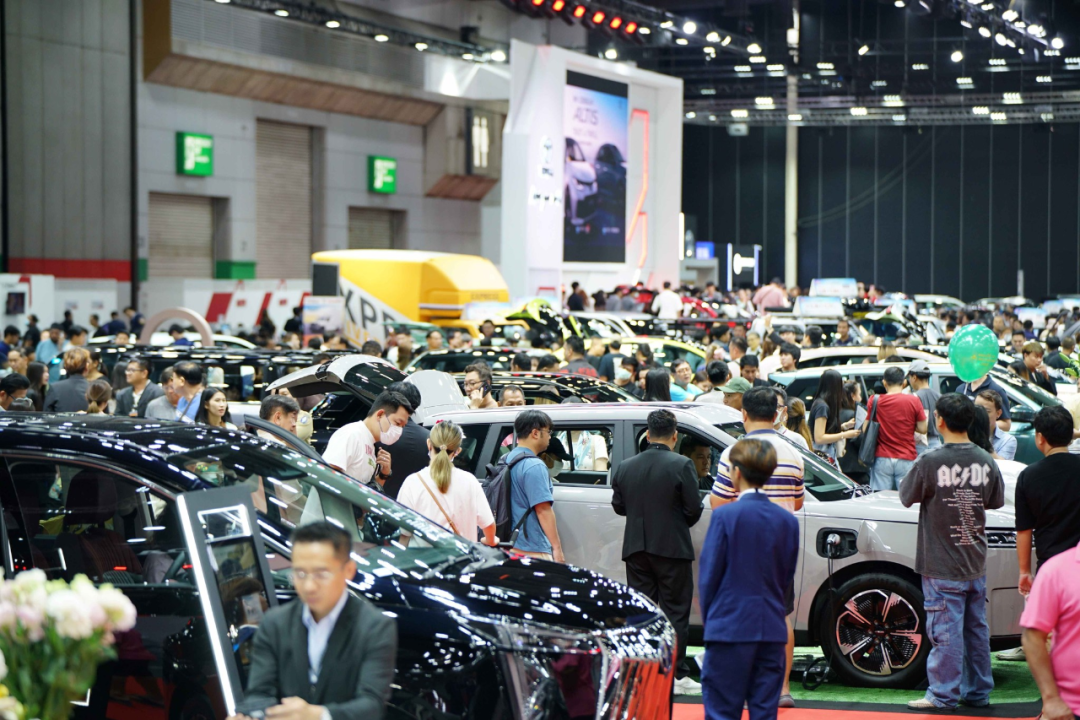
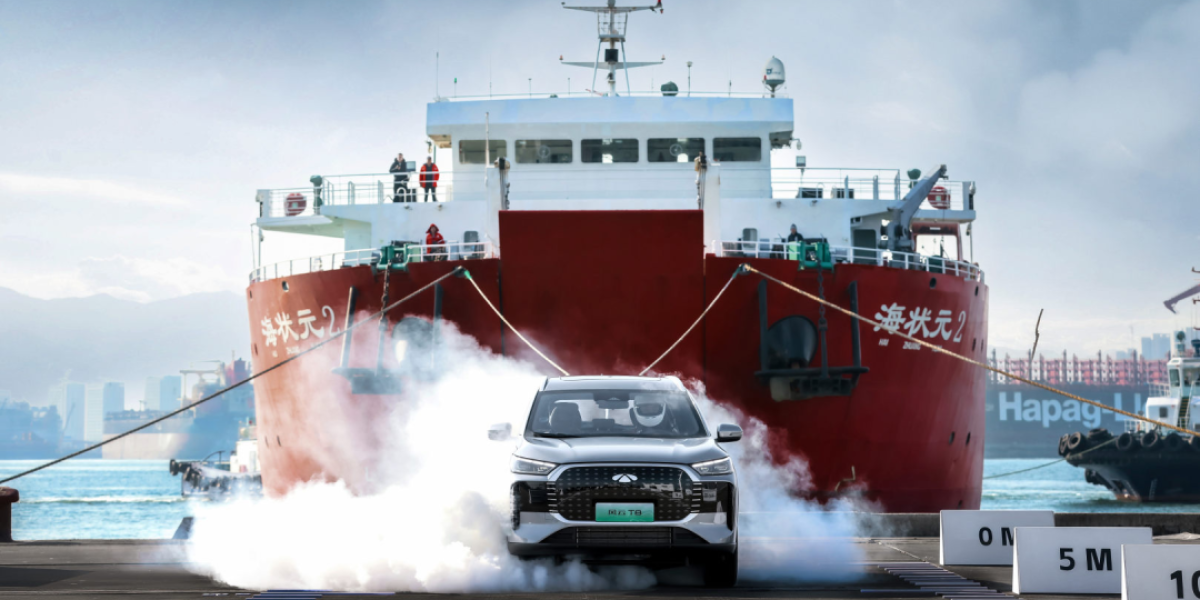
China’s automotive industry has crossed a new milestone in its global expansion, vehicle exports exceeded 5 million units in the first half of the year,
It's marking a dramatic acceleration in the country’s push from a domestic manufacturing powerhouse into a global automotive challenger.
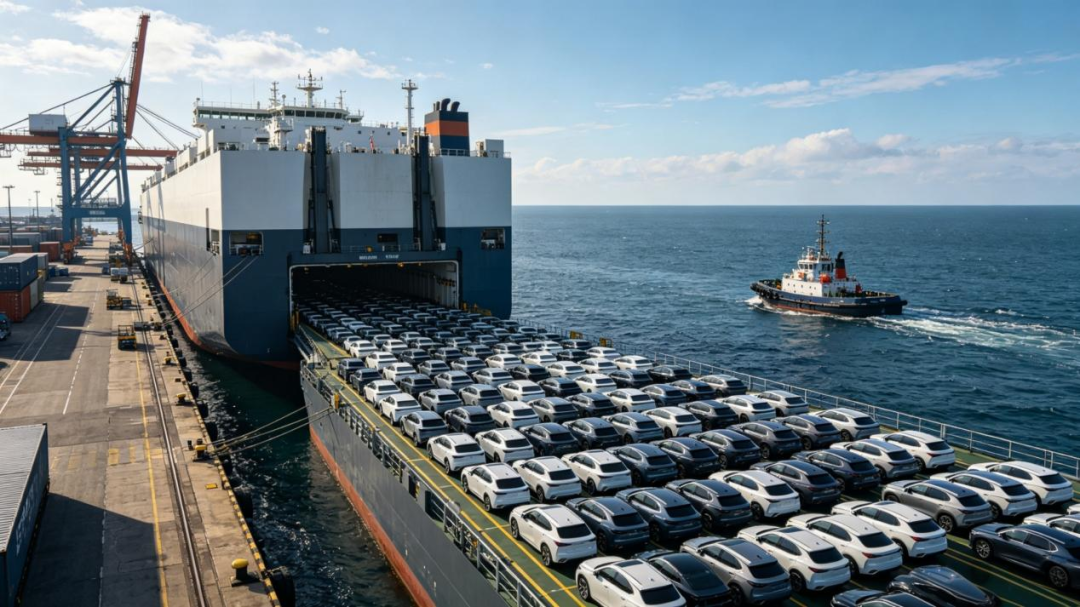
China exported 5.096 million vehicles in the first six months, up 65.3% year on year. June alone saw exports reach 1.037 million units, the first monthly figure above the one-million mark. The pace has reshaped expectations for the full year, with total exports potentially approaching 10 million units.
A New Export Era Led by Chery, BYD and Geely
The scale of growth has created a new hierarchy among Chinese automakers competing overseas. Chery remains the largest exporter, shipping 943,800 vehicles during the first half of the year. Overseas sales now account for nearly 70% of its total deliveries, making international markets the company’s primary growth engine.
BYD ranked second with 789,000 export vehicles, strengthening its position as the leading Chinese electric vehicle exporter. The company shipped 769,300 new energy vehicles overseas during the period, representing roughly one-third of China’s EV exports.
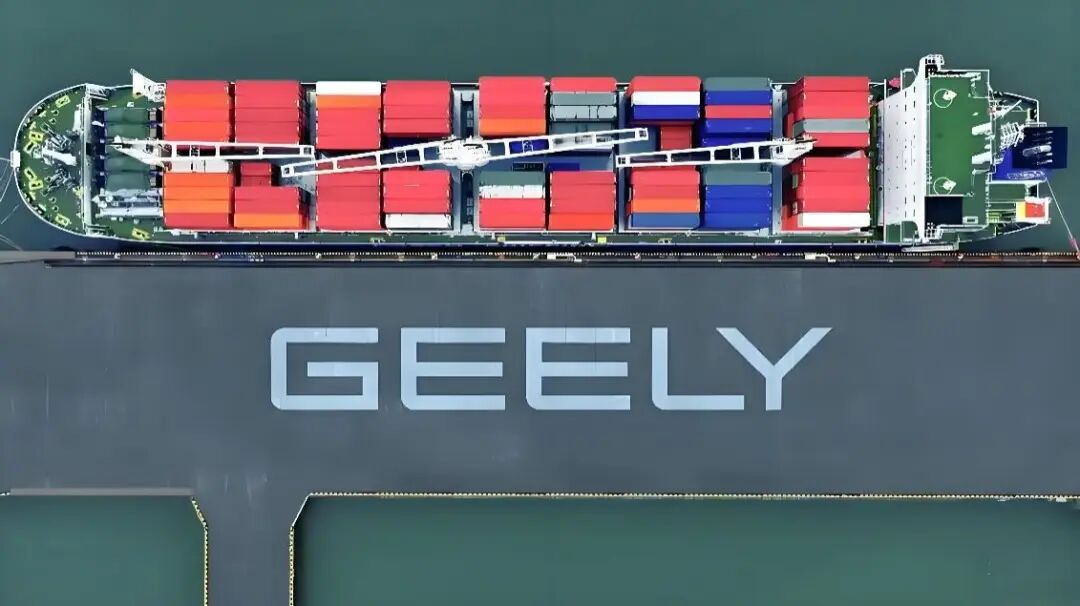
Geely emerged as one of the fastest-growing players, with exports rising 158% year on year to 474,200 vehicles. Its overseas new energy vehicle exports surged more than sixfold as the group expanded its multi-brand global strategy.
Chinese Brands Are Breaking Through in Europe
Europe has become one of the clearest examples of China’s changing position in the global auto industry. Despite additional tariffs on Chinese electric vehicles, Chinese brands continued to gain ground.
In May, Chinese automakers including BYD, SAIC, Geely, Chery and Leapmotor sold 138,400 vehicles across 31 European markets, a 65% increase from a year earlier. Their combined market share climbed to 10.7%, surpassing major Japanese competitors for the first time in the region.
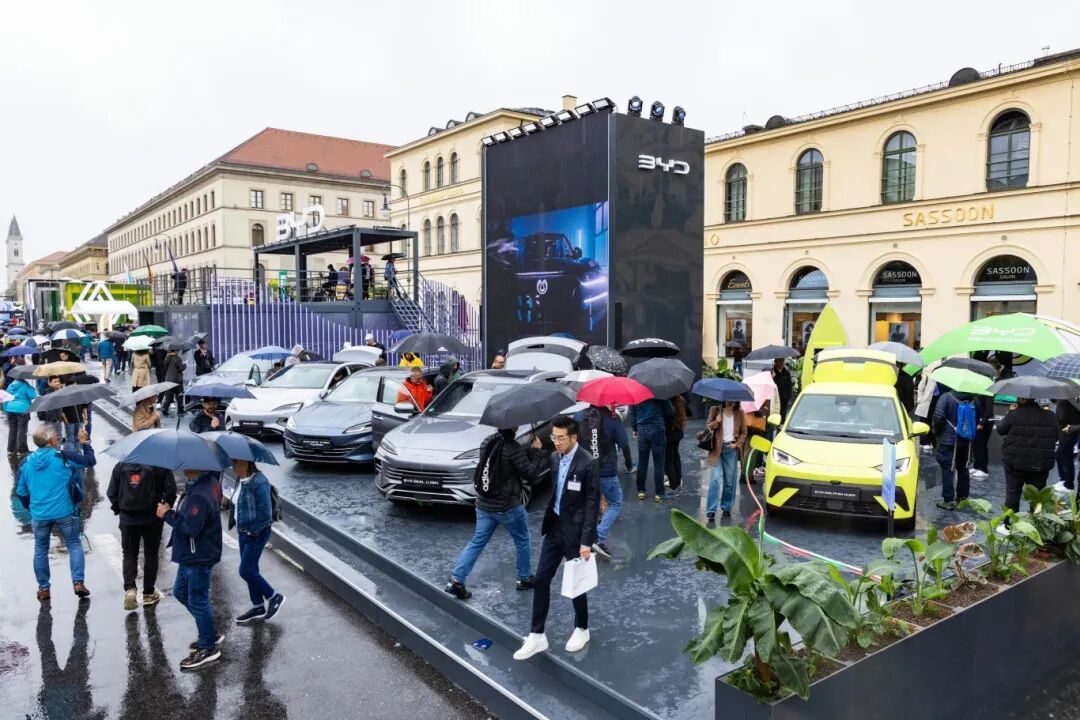
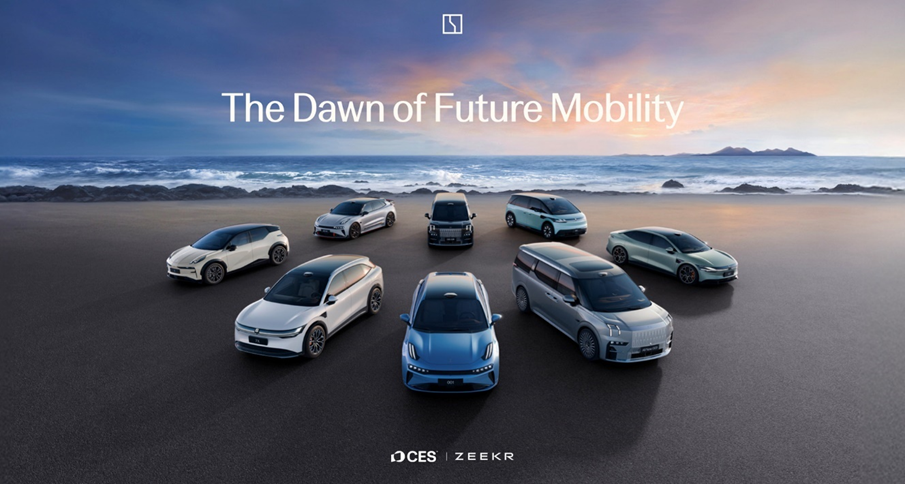
The shift reflects a broader change in competition. Chinese manufacturers are no longer relying only on lower prices. Battery technology, 800-volt electrical platforms, intelligent driving systems and integrated vehicle architectures have become major selling points in overseas markets.
The Next Growth Markets: Brazil, Europe and Southeast Asia
Brazil has emerged as the fastest-growing export destination. China’s passenger vehicle exports to Brazil reached 372,000 units in the first five months, rising 178.7% year on year. Although higher EV import tariffs created a short-term rush before policy changes, the country remains one of Latin America’s most important long-term opportunities.

Europe represents a more challenging but strategically important battlefield. Tariffs have increased costs, but they have not stopped demand for competitive Chinese electric vehicles. Automakers are increasingly responding through local production, including factory investments and partnerships designed to reduce trade barriers.
Southeast Asia is becoming another potential growth engine. Markets such as Thailand, Indonesia and Malaysia have introduced EV incentives while traditionally dominated by Japanese brands. Chinese companies are now using competitive pricing, electrification expertise and regional manufacturing strategies to gain market share.

From Exporting Cars to Building Global Auto Companies
The first half export milestone shows that China’s automotive expansion has entered a new phase. The challenge is no longer simply shipping vehicles overseas, but building local ecosystems, production capacity and brand recognition.
Tariffs, geopolitical uncertainty and market competition will make the next stage more difficult. Yet the rapid rise from exporting vehicles to competing globally suggests that Chinese automakers are moving from being suppliers in international markets to becoming direct competitors with the world’s largest automotive groups.