
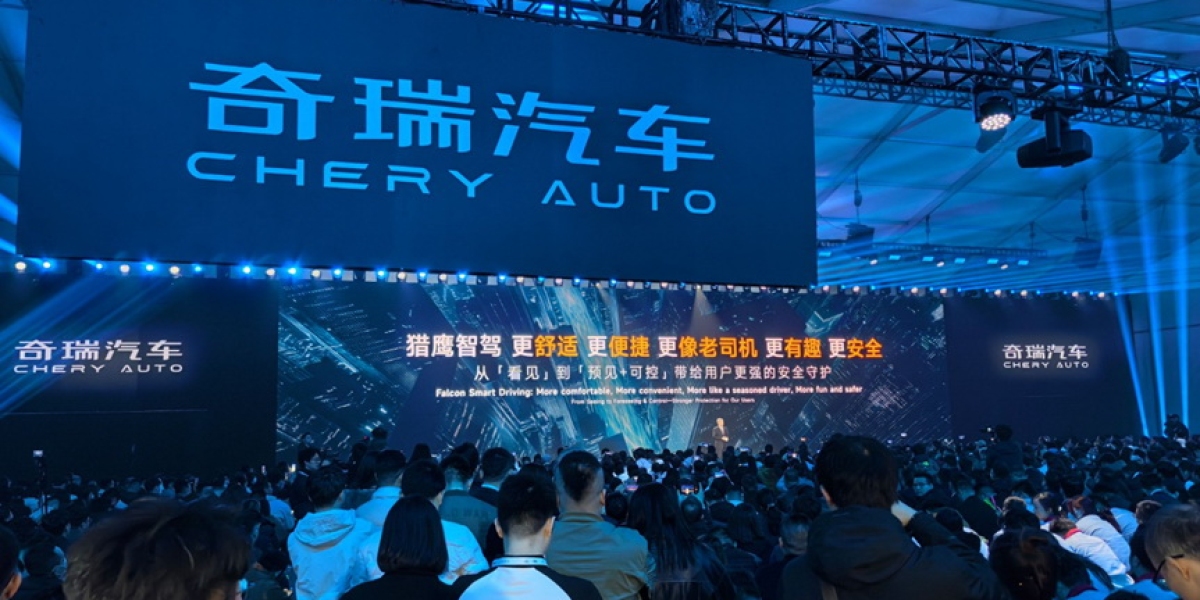
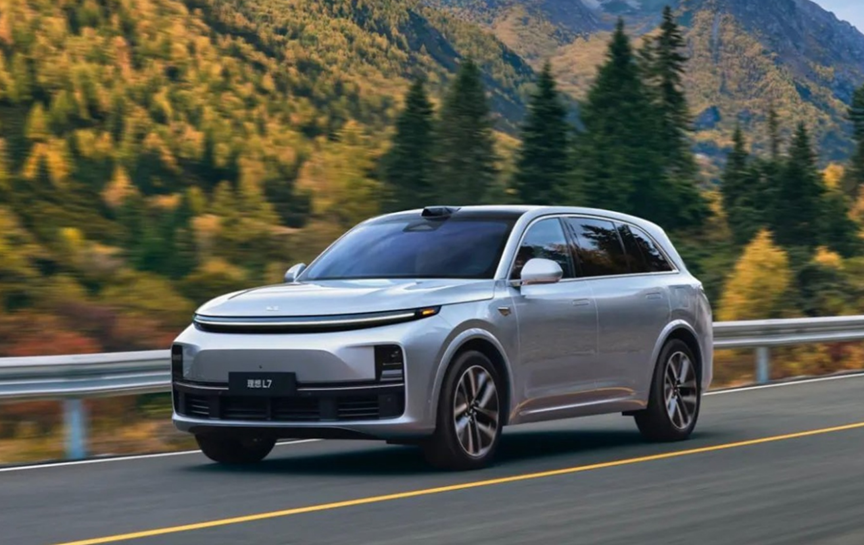
On August 6, 2026, Li Auto put the rear-wheel-drive, long-range version of its i8 on sale without the usual build-up.
There was no major launch event, no elaborate stage production and no extended presentation. The vehicle simply appeared on the market.
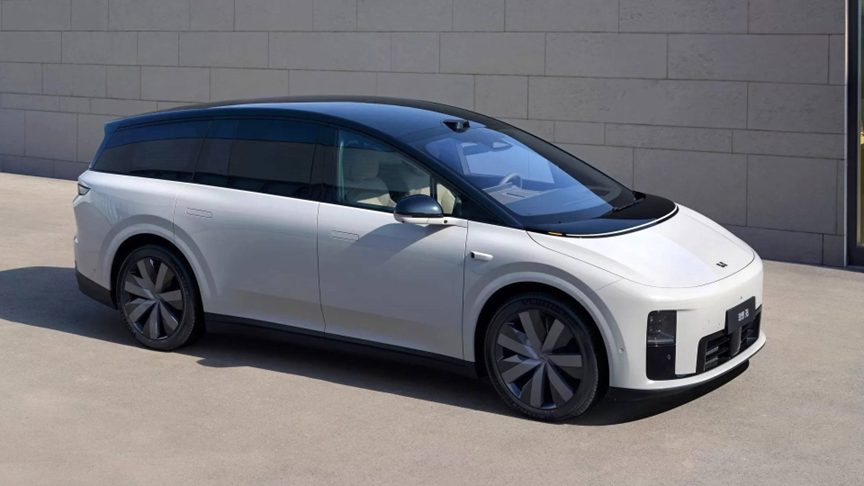
It is no longer an isolated case. Zeekr opened orders for the five-seat version of the 9X as soon as pricing was announced. BYD has allowed several annual model updates to bypass the traditional offline spectacle. Tesla, for years, has largely avoided the kind of large-scale product launches that became standard practice across China’s car industry.
As more vehicles arrive through what might be called “silent launches”, the industry is beginning to question one of its most entrenched marketing habits. The shift is not simply about cutting event budgets. It reflects something deeper: the cost of communicating a new car is being repriced by a market in which information is abundant, attention is fragmented and consumers can reach their own conclusions faster than brands can deliver them from a stage.
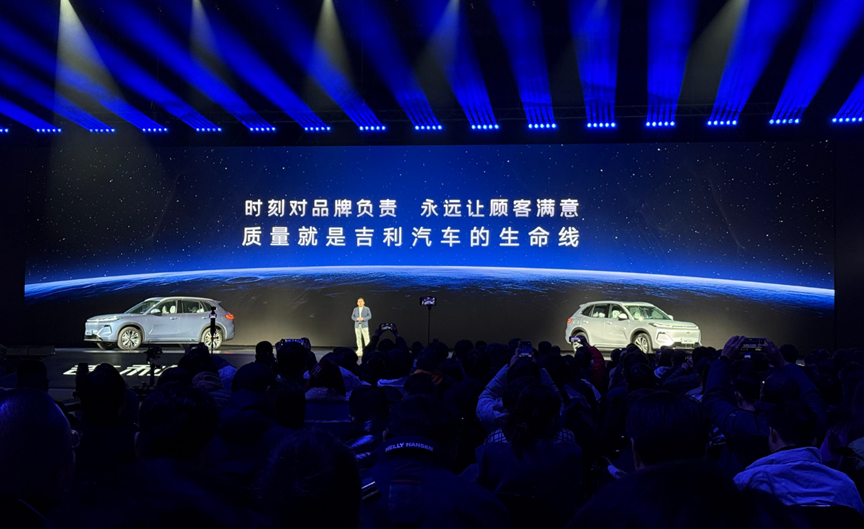
For years, the launch event served as a mechanism for price discovery. Carmakers used the stage to tell the market what a vehicle cost, which rivals it should be compared with and how buyers were supposed to understand its position. Media and consumers received the same message at roughly the same time. That worked because new cars were relatively scarce, distribution channels were limited and consumer attention was easier to concentrate.
Those conditions no longer hold. A price list and specification sheet can now move a buyer directly into the decision process. The value of the carefully managed brand narrative is shrinking. As the transaction cost of automotive marketing is reassessed, the retreat of the launch event looks less like a fashion and more like an economic adjustment.
Launch-Event Inflation Is Forcing a Correction
According to incomplete media tallies cited in the original report, China hosted close to 1,000 automotive launch-related events in the first half of 2026, with as many as 12 taking place on a single day. At that level of supply, the marginal return on another presentation inevitably falls.
The traditional launch event relied on three forms of scarcity: scarce products, scarce information channels and scarce attention. When all three existed at once, a launch could function almost like an automotive IPO ceremony. The brand used the stage to establish a valuation, define the competitive set and anchor the product within a particular market segment.
That mechanism has been eroded by the speed of the modern information market. Regulatory filings can reveal a vehicle’s design months in advance. Cars appear at dealerships before the formal launch and are filmed by bloggers. Comparison charts circulate across social platforms almost instantly. Long-term road tests often carry more credibility with buyers than a scripted demonstration.
By the time a launch presentation reaches its midpoint, pricing can already have spread through multiple social channels and potential buyers may already be debating whether the car offers value for money. The launch event is no longer the sole information gateway. The asymmetry that once gave brands control over the opening narrative has largely disappeared.
That changes the economics. A launch event that once acted as a pricing mechanism can become a redundant ceremony in an information-saturated market. Carmakers may spend budgets of roughly $1.5 million or more on venues, production, travel and media activity, only for the resulting attention to last a few hours before another product takes over the news cycle.
Seen this way, silent launches are not merely an exercise in thrift. They are a market correction. When specification tables, comparison tools, owner feedback and independent testing can perform the price-discovery function more efficiently, the traditional launch event has to justify its existence again.
Who Benefits — and Who Gets Squeezed?
The economics are close to a textbook transaction-cost problem. Carmakers spend money and time to make consumers aware of a product, understand it and accept its price. The process includes press materials, executive rehearsals, venue production, media travel, live-streaming, reporting and the time buyers spend watching, reading and comparing.
When information barriers fall, those costs should fall as well. Consumers often know a vehicle’s dimensions, battery options, key features and likely competitors before the official price is released. Brands no longer control the only route through which information reaches the market, so marketing resources start to move toward channels that can create more measurable value.
The first beneficiaries are established brands with products that need little introduction. Li Auto could put the rear-wheel-drive long-range i8 on sale quietly because consumers already knew what the i8 was and had a clear sense of what the Li Auto brand represented. For a vehicle with established awareness and a defined user base, another large event risks becoming an unnecessary layer of cost.
A budget in the region of $1.5 million that might otherwise have gone into a launch can instead be directed toward equipment upgrades, retail incentives, test-drive programmes or other activities with a more direct link to conversion. Li Auto founder Li Xiang has repeatedly criticised the industry’s escalating launch-event competition. The significance of a silent launch, therefore, is not simply that it saves money. It removes a step that may no longer add enough value.
Consumers can also benefit. Stage construction, celebrity appearances, media travel and live-stream production are ultimately part of a carmaker’s operating and marketing costs. They do not translate one-for-one into vehicle prices, but in a business with finite margins every recurring cost competes with product content, discounting and after-sales spending.
If a launch can be simplified without reducing demand, buyers are less likely to be paying indirectly for an elaborate spectacle that has little relevance to the ownership experience. At the same time, more transparent information can shorten the decision process and push the market closer to judging vehicles on the product itself.
There will also be losers. The automotive launch economy supports an extensive chain of event agencies, exhibition contractors, media travel budgets, influencers, live-streaming teams and MCN operators. If launch events move from being standard procedure to a scarce strategic tool, the intermediaries that depend on them face a more difficult market.
Automotive media may face the most visible reassessment. In the previous model, speed and completeness mattered: the outlet that published first, or reproduced the most specifications, could capture traffic. Today, a manufacturer can reach users directly, AI tools can generate feature comparisons within seconds and social platforms can turn a specification sheet into a digest before a traditional article is finished.
Media built mainly around repeating what happened on stage will struggle to defend their role. Analysis becomes more valuable: why a carmaker chose this moment to launch, what pricing reveals about margin pressure, how the product changes the competitive landscape and what the decision says about the company’s broader strategy.
Weak products may also lose a form of protection. A large launch can use lighting, music, executive speeches and carefully constructed storytelling to create an idealised product image for a few hours. A silent launch strips away much of that filter. When consumers encounter the price, specification and independent feedback more directly, brands with less competitive products have fewer opportunities to use theatre to shape first impressions.
After the Spectacle, Marketing Has to Build a Longer Tail
The retreat of the launch event creates another problem: what replaces the attention spike?
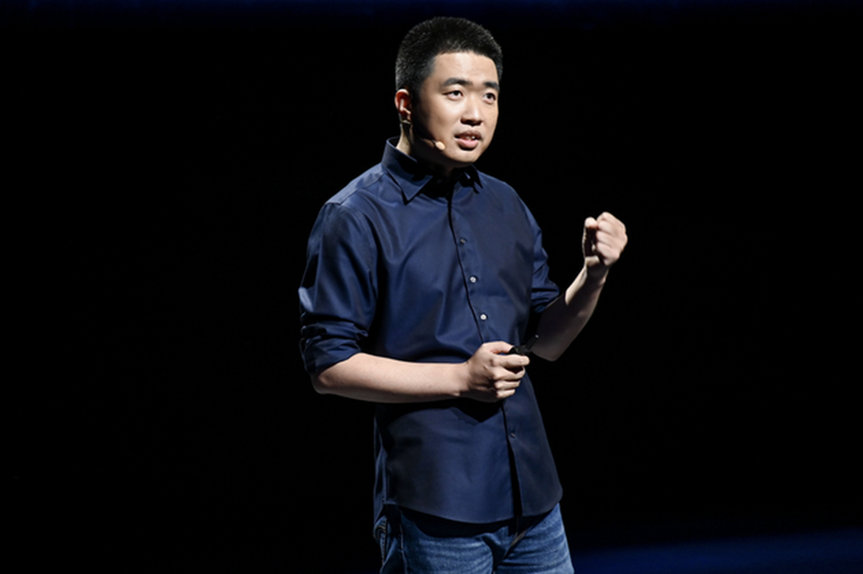
Li Auto founder Li Xiang has argued that the number of launch events has increased even as the information density of each one has fallen. BYD executive vice-president He Zhiqi has also pointed to the shrinking lifespan of new-model attention, with some launches struggling to remain hot for even three months.
That is the weakness of the traditional model. A launch can generate a sharp burst of interest, but the curve often drops almost immediately. Another new vehicle arrives the next day, another price is announced and another live stream captures the same audience. The publicity generated by a single event may no longer be long enough to support the product through a meaningful sales cycle.
If the launch event stops being the starting point for long-tail communication, marketing budgets have to be redistributed. Instead of concentrating spending on one night, carmakers can move resources into extended influencer testing, dealership test-drive incentives, owner advocacy, real-world efficiency and range tests, search optimisation and user communities.
The communications model then changes from a single controlled explosion to a series of smaller points of contact. Brands give up some control over the narrative, because more of the content is created by dealers, owners, reviewers and independent users. What they gain is a higher proportion of material rooted in real-world use rather than a stage-managed claim.
A product-validation cycle could gradually replace the ceremony-driven cycle. In the first week after launch, attention may focus on dealership test drives. In the second, early owner feedback becomes more important. The third week can bring real-world range and efficiency data. By the fourth, detailed comparisons with direct rivals begin to shape the market view.
Each stage asks the product to prove itself. That is fundamentally different from a launch event, where the manufacturer decides what is said, when it is said and how the audience is expected to interpret it.
The Launch Event Will Survive — as a Strategic Asset
None of this means the automotive launch event is disappearing altogether.
Its role is more likely to become narrower and more strategic. A new brand making its first public appearance still needs a stage on which to explain itself. A new technology platform may require a controlled setting to establish why it matters. A flagship designed to redefine a company’s position may still need a broader narrative than a product page and specification table can provide.
In those cases, the very decline of routine launch events could restore some of their value. Scarcity would return. Instead of every annual update receiving the full theatrical treatment, the event would be reserved for moments that carry genuine strategic significance.
That may ultimately make the format stronger. When a carmaker chooses to hold a major presentation, the market will have more reason to assume that something important is being announced.
China’s Car Marketing Is Moving From Narrative to Proof
The fading of the launch-event arms race does not mean automotive marketing is becoming less important. It means marketing is becoming harder to control.
Information about a new car will reach buyers in more fragmented ways and will be tested more quickly against real-world evidence. Carmakers will have less power to dictate the rhythm of the conversation, but strong products may gain a fairer environment in which to compete.
That is positive for consumers, for manufacturers able to stand behind their products and for media organisations capable of explaining the forces behind the headlines rather than simply repeating them.
China’s car industry spent years perfecting the launch as spectacle. The next phase may be about deciding which products are important enough to deserve one.