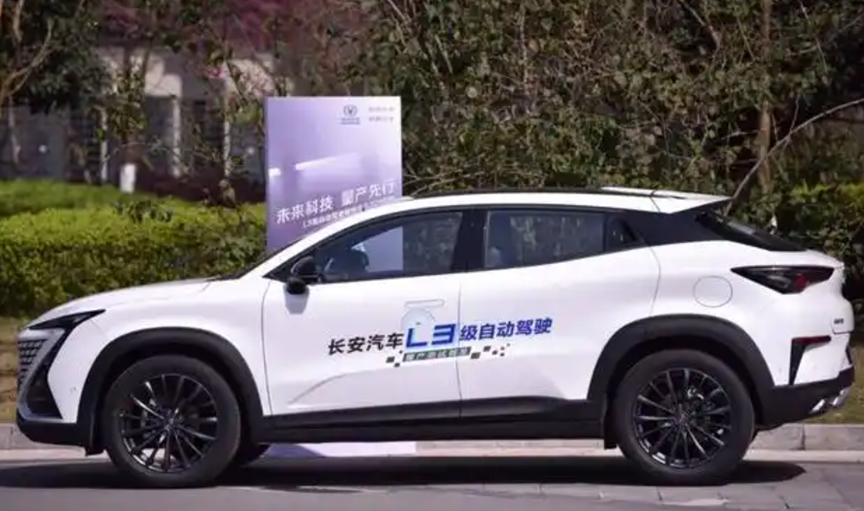
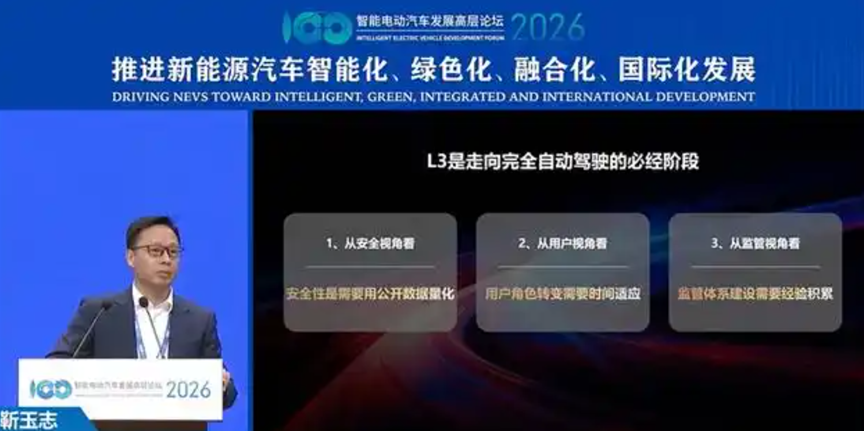
At the 2026 High-Level Forum on Intelligent Electric Vehicle Development, Level 3 automated driving again became one of the industry's most contested subjects.

A Debate Moves Into the Open
Huawei argues that it is an unavoidable stage on the road to full autonomy. Some rivals believe carmakers should move directly toward Level 4.
Jin Yuzhi, chief executive of Huawei's Intelligent Automotive Solution business unit, put the argument plainly: Level 3 is a necessary stage on the way to fully automated driving, he said, and cannot be skipped. He also described 2026 as a possible first year for global automated driving.
Few in the industry dispute that assisted and automated driving will shape the next phase of automotive competition. The disagreement is over how much money, engineering capacity and regulatory effort should be spent on Level 3. Behind the technical language lies a broader contest over responsibility, data, cost and commercial return.
Why Level 3 Is So Divisive
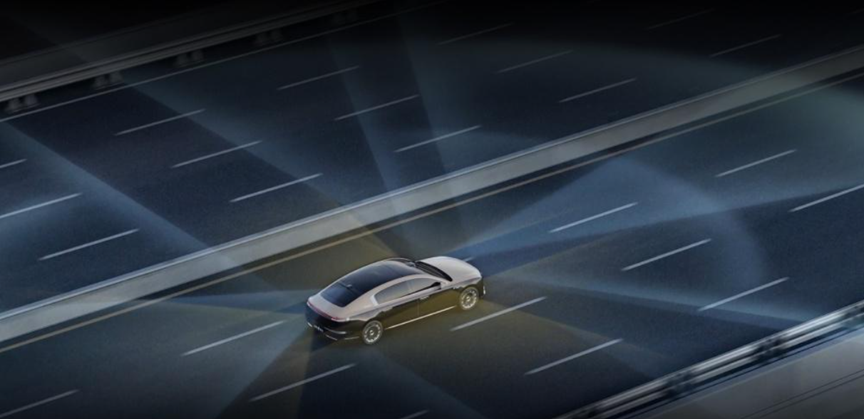
The controversy starts with Level 3's awkward position. Level 2 remains driver assistance: the human driver must monitor the road at all times and is responsible for taking control. Level 3 is conditional automation. In defined scenarios, such as highways or urban expressways, the system can take over the dynamic driving task and allow the driver to look away temporarily, but the driver must respond to a takeover request within a set time.
That makes Level 3 neither conventional driver assistance nor full autonomy. It is a human-machine co-driving stage, and that middle ground is exactly what makes it difficult.
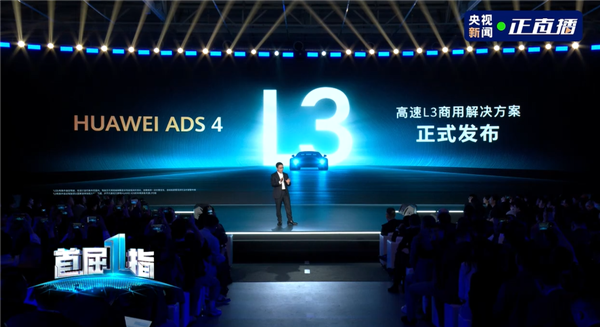
Huawei's argument rests on three points: data accumulation, responsibility transfer and industry adaptation. Full Level 4 and Level 5 automation will depend on algorithmic improvement, and algorithms need large volumes of real road data. Level 3 can generate data from heavy rain, roadworks and other long-tail situations that are hard to cover through limited pilot projects alone.
The responsibility question is equally important. Even at Level 2, many drivers, brands and suppliers have struggled to communicate where the boundary lies. Level 3 could act as a buffer zone in which responsibility gradually shifts from the driver toward the vehicle system, giving regulators, insurers and manufacturers time to clarify who is liable when something goes wrong.
There is also a market-readiness argument. Automakers and users are at very different stages in their understanding of automated driving. A Level 3 transition could help the industry and consumers become more comfortable with machine-led driving before responsibility moves further away from the human driver.
The Case for Skipping It
Companies arguing for a direct move toward Level 4 see Level 3 as costly, legally messy and commercially weak. In their view, it consumes substantial engineering resources while leaving carmakers exposed to unclear responsibility and limited consumer willingness to pay.
Zhuoyu Technology has argued that with multimodal large models, legal remote operation, safety backstops, sensor redundancy and vehicle redundancy, Level 2, Level 3 and Level 4 can be developed from a common technical base. If the technology is already converging, the company suggests, it may be more rational to concentrate on Level 4.
Xpeng's second-generation VLA model also points toward Level 4, and its robotaxi trial operations support the view that a direct path may be technically feasible for stronger players.
For companies with advanced systems, Level 3 can look like a poor investment. The research cost approaches that of Level 4, but the operating scenarios are narrower and the business model is less clear. The familiar 10-second takeover requirement remains hard to translate into clean liability. Level 4 places responsibility more clearly with the operator, which may reduce disputes.
That is why Xpeng chairman He Xiaopeng has previously argued that the future may consist of Level 2 and Level 4, with no real place for Level 3 because it is neither one nor the other.
Four Barriers to Commercialisation
Despite the split, Level 3 is likely to arrive in some form. Whether 2026 becomes the start of a larger rollout depends on several unresolved barriers.
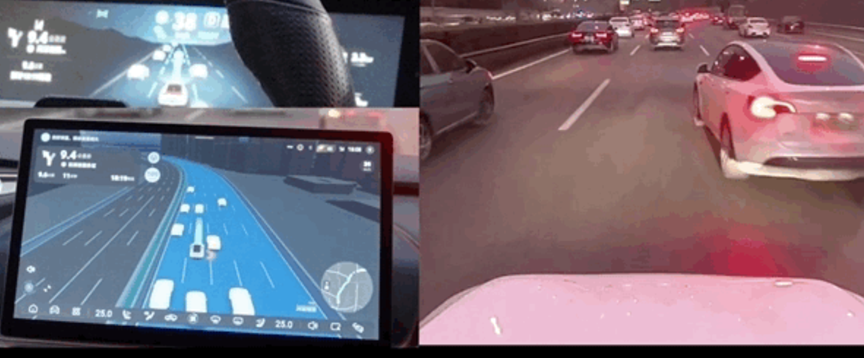
The first is the long-tail problem. Many automakers may already be able to demonstrate Level 3-like capability in simple scenarios. Commercialisation requires reliable performance in complex ones: severe weather, degraded sensors, unprotected left turns, mixed traffic and construction zones. Waymo's past fleet disruption in San Francisco after traffic lights failed during a power outage showed how autonomous systems can struggle when conditions fall outside preset assumptions.
AI decision-making remains another obstacle. If a crash occurs and the system's reasoning cannot be understood by regulators, insurers, manufacturers and users, responsibility will be difficult to assign. Hardware ageing adds another layer of risk. Intelligent sensors and computing hardware may need meaningful upgrades every two or three years, often faster than the life cycle of the vehicle itself.
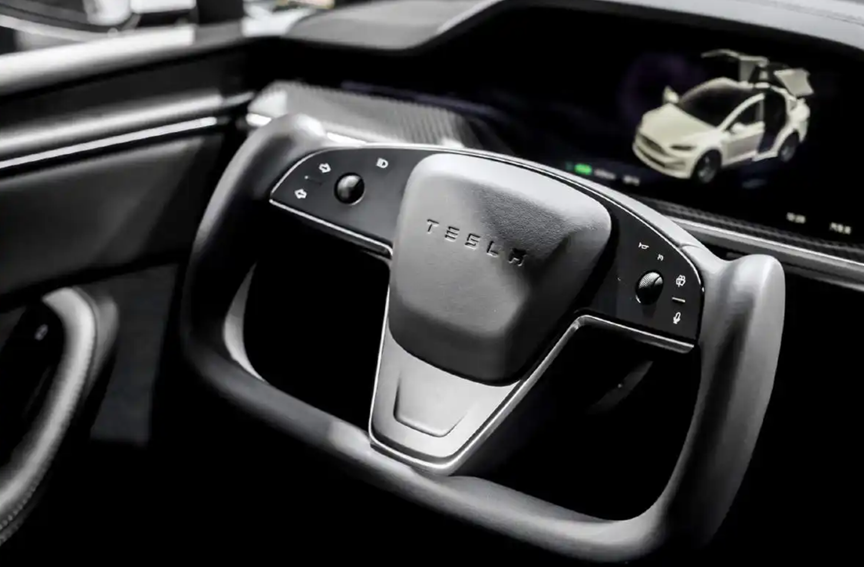
The second barrier is law and liability. Human-machine co-driving creates difficult questions: who is responsible if a driver fails to take over, or if a system fault occurs during conditional automation? Insurers may respond by raising premiums, limiting coverage or demanding clearer technical proof before underwriting such systems.
The third barrier is automaker motivation. Level 3 needs redundant sensing hardware and high-computing chips, raising vehicle costs. Passing those costs to consumers lifts prices, but the benefit may not feel large enough to justify the premium. If consumers do not pay for the feature, the cost stays with the manufacturer.
The fourth barrier is trust and infrastructure. Accidents involving driver-assistance systems have already created scepticism around Level 2. Level 3 asks users to trust a vehicle enough to look away, while still being ready to retake control. That is a difficult psychological bargain. High-definition maps and reliable 5G coverage are also uneven, especially outside large cities, limiting where Level 3 can operate with confidence.
A Step That May Be Hard to Avoid
Multimodal large models have improved automated-driving capability, but the technology is still far from flawless. The foundations needed for Level 3, including data, law, insurance and user trust, are also needed for Level 4. Skipping the label does not remove the work.
Level 3's value is that it can provide a transition platform. It gives technology, regulation, users and infrastructure time to adapt, reducing the risk of a disorderly leap into higher autonomy.
Companies that want to skip Level 3 often have real technical strengths. Yet Level 4 deployment demands even more from infrastructure, legal responsibility and public trust. Even if the technology works in controlled areas, scaling it across ordinary markets is far harder.
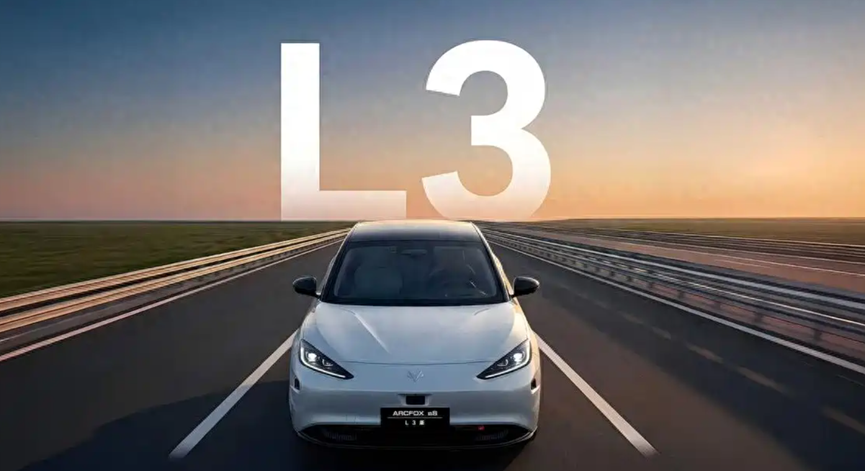
For the industry, the more useful question may not be whether Level 3 is philosophically necessary. It is how to make conditional automation safe, understandable and commercially viable. Carmakers, autonomous-driving suppliers, regulators, insurers and consumers will all have to participate if 2026 is to become a genuine turning point.
The next two or three years are likely to see Level 3 and Level 4 develop in parallel. Some companies will push steady Level 3 commercialisation to collect data and operating experience. Others will test the boundary of Level 4 and try to secure an early lead. The competition will matter most if it returns to two basic tests: whether the technology meets real industry needs and whether it creates value for users.