
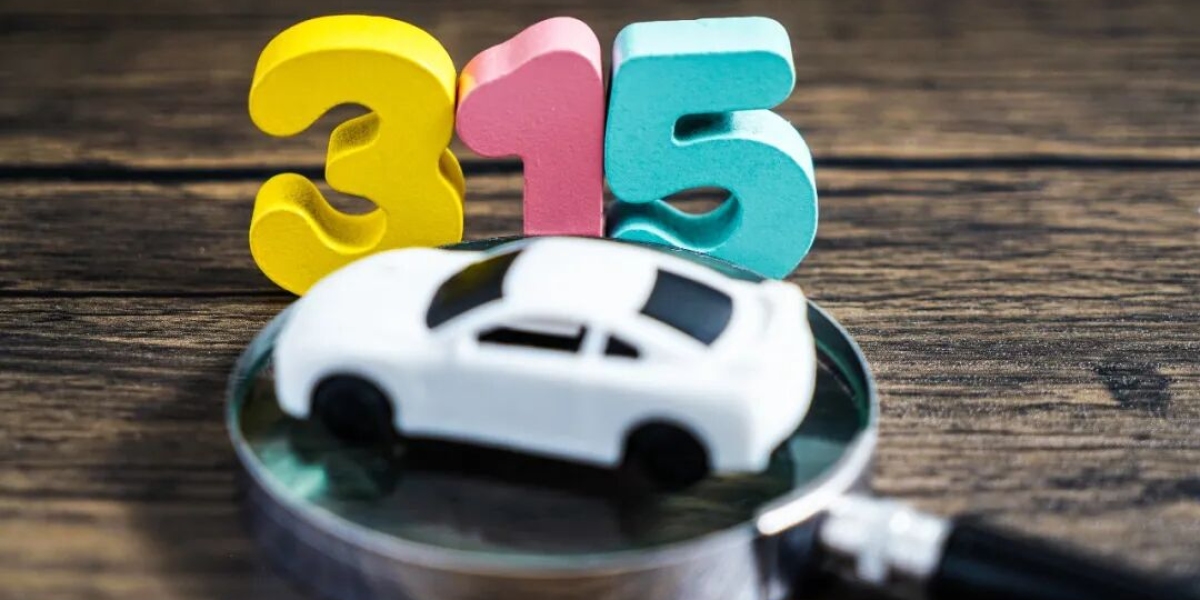
China's automotive industry was again largely absent from CCTV's annual March 15 consumer-rights gala this year.
When Complaints Move From Service Desks to Public Squares
That may look like good news for carmakers, but it does not mean consumer disputes have disappeared.
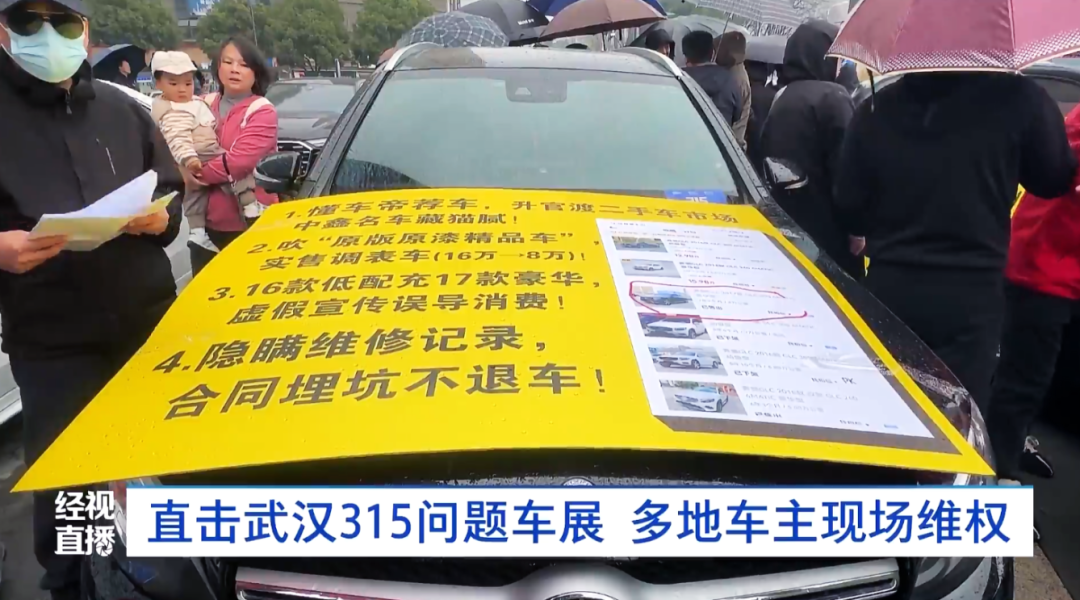
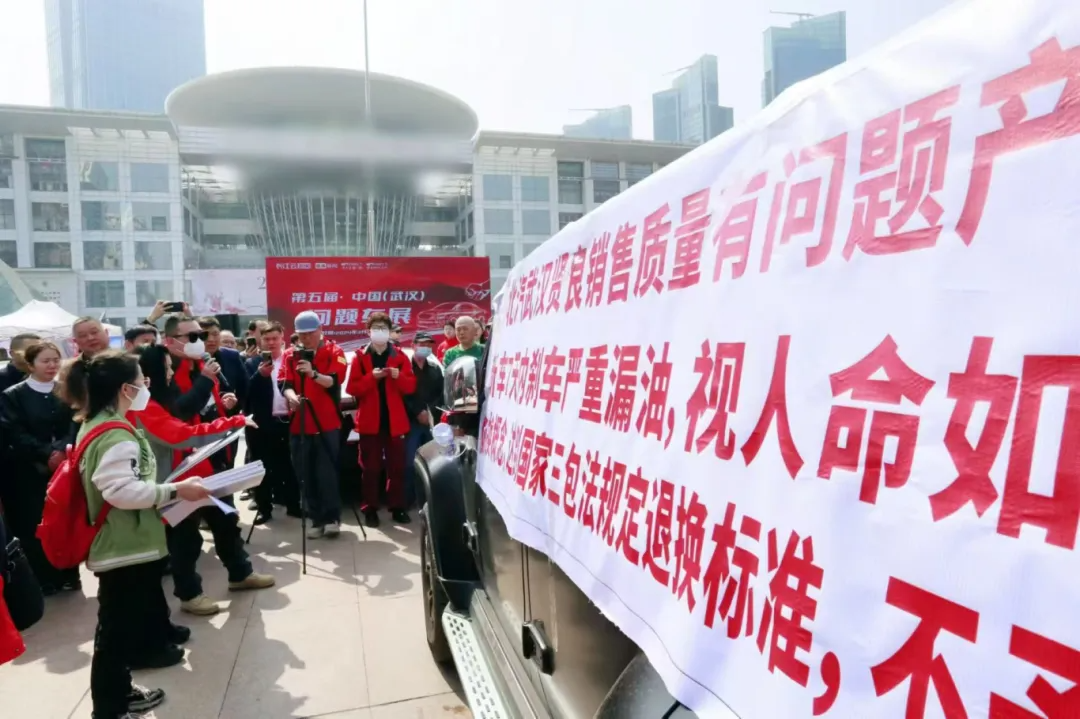
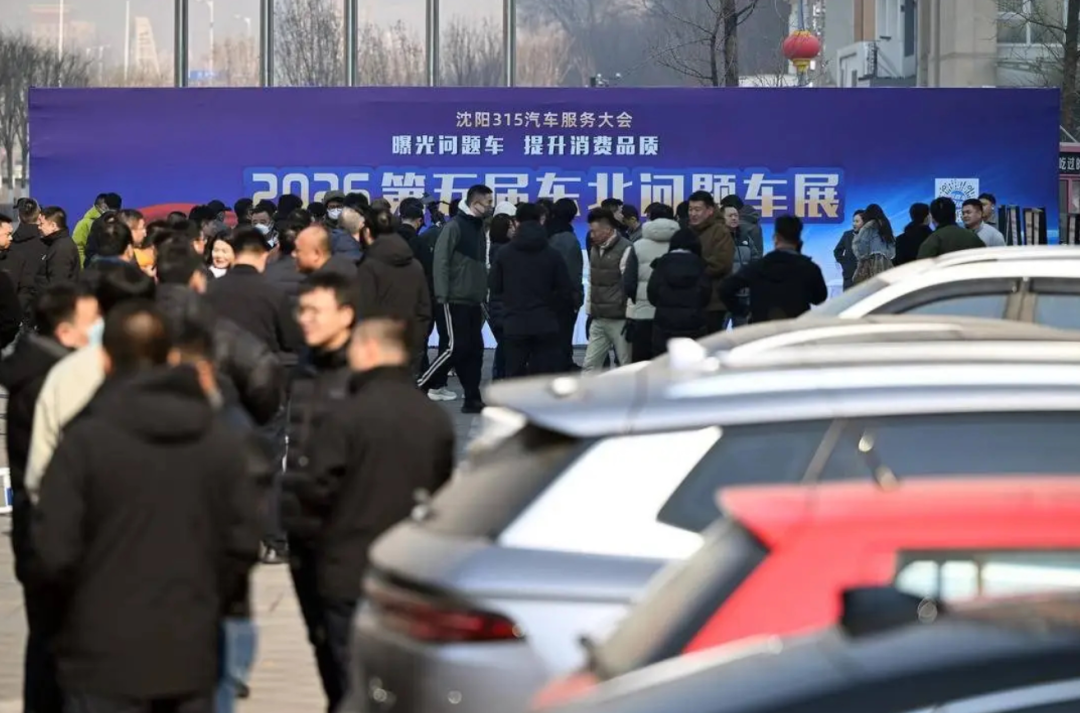
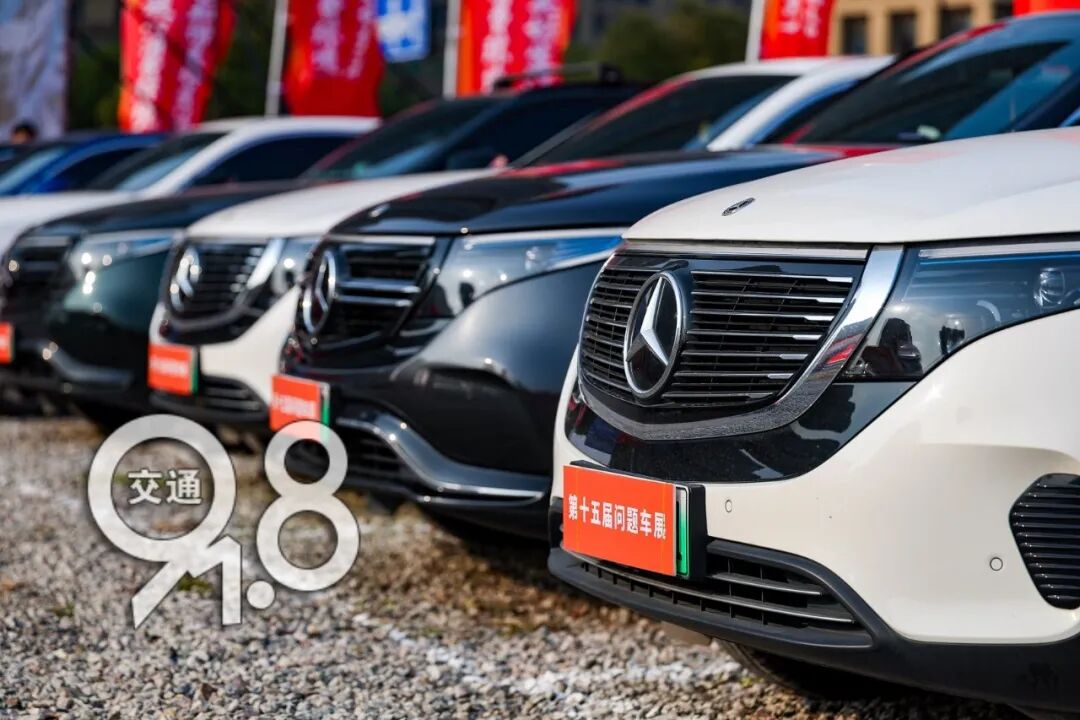
Outside television, offline complaint auto shows drew unusual attention. On March 15, large complaint-focused auto events were held in Wuhan, Hangzhou, Guangzhou, Shenyang, Kunming and other cities, covering 15 provinces.
At the seventh Wuhan complaint auto show, some owners reportedly drove more than 500km to seek help. More than 30 brands were involved, and new-energy vehicle complaints exceeded 40% for the first time.
These events, often organised by local media and consumer associations, have become one of the channels through which car owners can raise unresolved problems collectively. The question is whether this form of public complaint will become a national, routine mechanism.
Why Owners Choose Public Exposure
The basic question is simple: why would owners take their cars to a public square rather than quietly repair them at a dealer?
The answer is uncomfortable: normal channels often fail. At the Wuhan event, one owner said he had already raised his demands through regular routes, but the issue had not been solved.
Delays and slow responses remain common pain points in after-sales complaints. Many brands use layered processes in which the 4S dealer cannot make final decisions. A complaint may move from the store to a regional manager, then to the manufacturer's after-sales department. That chain can take too long for owners dealing with defects or safety concerns.
When dealers defer responsibility, manufacturers offer slow responses and formal dispute channels take months, complaint auto shows become a last resort.
The growth of new-energy vehicles is making the issue larger. As NEV penetration rises, complaints are shifting from traditional mechanical concerns to range exaggeration, battery locking, intelligent-driving failures and unfulfilled OTA promises.
At the Hangzhou event, several Mercedes-Benz EQC owners complained about battery locking after OTA updates. They said usable battery capacity fell sharply and range dropped from more than 400km to 270-330km, a reduction of 20%-30%. More than 300 owners nationwide have reportedly raised similar concerns.
Media Incentives Are Also Driving the Format
Complaint auto shows also fit local media needs. The Wuhan event was organised by Hubei Radio and Television, while the Hangzhou event was organised by local media together with consumer groups. For traditional media, these events combine public service, high attention and strong online spread.
The audience numbers explain the incentive. From 8am on March 15 to 8pm on March 16, 2025, the Wuhan complaint auto show drew an estimated 216 million online views and reads across the internet.
As long as the format creates that level of attention, media organisations have reason to keep investing in it.
Why March 15 Efficiency Rarely Lasts
Scale does not mean maturity. The harder question is whether complaint auto shows can become a year-round remedy rather than a one-day pressure valve.
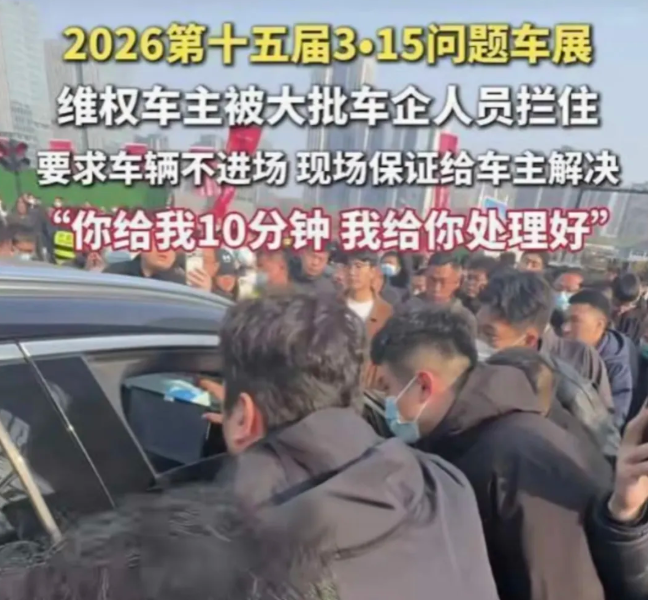
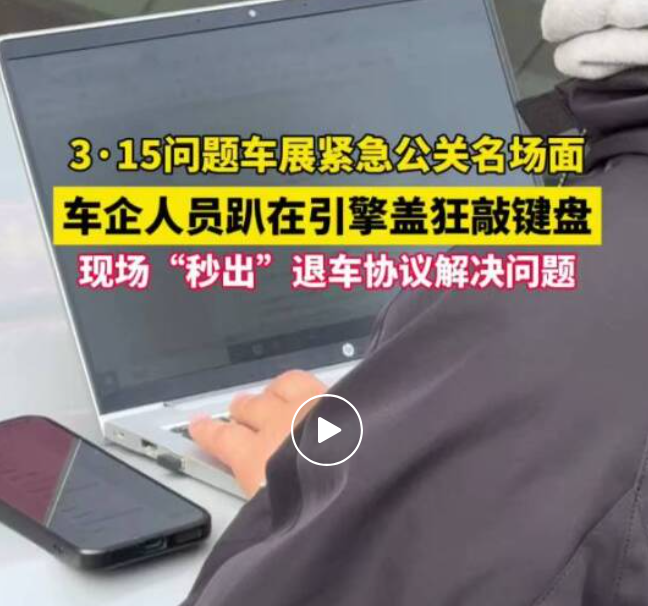
Several cases suggest that automakers can move quickly when public pressure peaks. At the Hangzhou event, staff from one carmaker reportedly asked an owner for 10 minutes to solve the issue privately. In Beijing, an owner who had spent half a year seeking a solution for a gearbox noise problem received a vehicle-return agreement less than 10 minutes after arriving at a March 15 complaint site. Other owners said manufacturers suddenly became willing to settle problems as March 15 approached, after months of delay.
Those examples reveal a troubling pattern. Some manufacturers treat complaint auto shows as crisis-management events. They solve public-opinion risk, not necessarily the underlying service problem.
If temporary intervention can calm the story, companies have limited incentive to make that level of response normal. Yet one-day fire-fighting cannot solve problems accumulated across an entire year.
The Missing Institutional Loop
Complaint auto shows still rely mainly on temporary organisation by media and consumer groups. They lack official authority and a formal enforcement system. Against large brands or widespread quality defects, their power is limited. They can help some individual owners, but they struggle to change industry-wide behaviour.
For the model to become more effective, exposure would need to be paired with a supervision loop: tracking mechanisms, clearer regulatory rules and unified rectification standards. Such institutionalisation remains limited.
Tang Haibo, an expert with the Hubei Three Guarantees Dispute Committee, said some carmakers respond too slowly to consumer demands and need to build full-chain quality-control systems from technical development to after-sales service, rather than making consumers pay for defects.
That is the core point. Complaint auto shows exist because the full quality and service system is not yet strong enough. The shows cannot replace that system.
Carmakers Learn to Control the Scene
Manufacturers are also developing countermeasures. At the Hangzhou event, staff from one carmaker reportedly tried to block a complaint vehicle by lying on the ground. At the Wuhan event, brand representatives allegedly tore up complaint notices. Some media reports said carmakers stationed people near venues three days in advance to prevent visible disputes. In more extreme cases, owners claimed vehicles were remotely locked during complaints.
The Hangzhou event was reportedly forced to change location four times because of obstruction.
These details suggest that crisis management is becoming more sophisticated. Earlier, companies responded after incidents broke out. Now some try to intercept vehicles and control exposure before complaints become visible. Future tactics may become more hidden and more complex.
The Best Outcome Is Not Needing Them
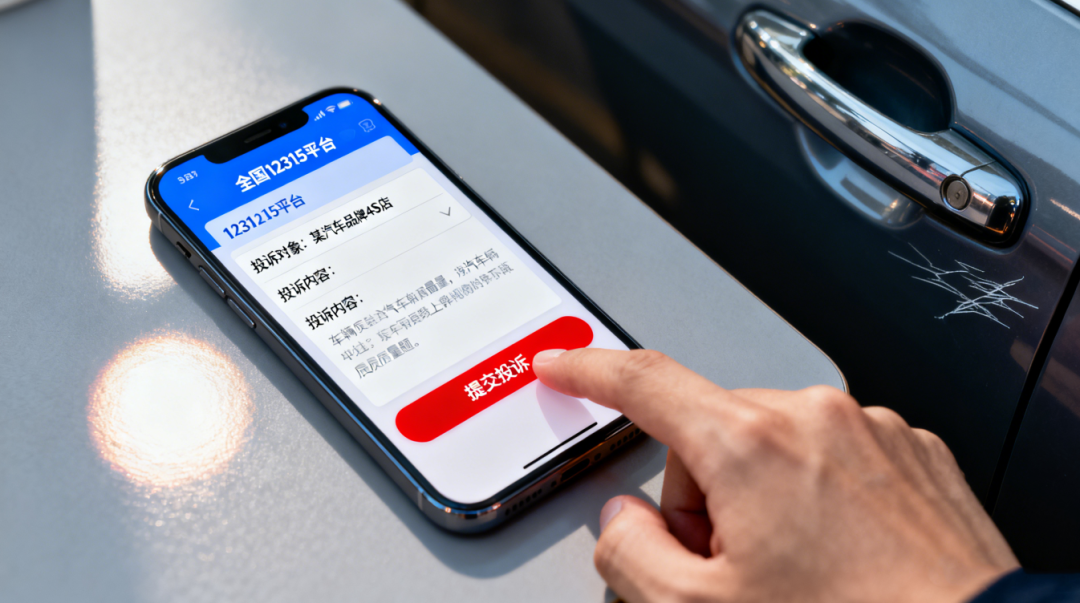
The rise of complaint auto shows is both positive and troubling. It is positive because consumers have a channel to speak collectively and because media can help surface real problems, including new-energy vehicle issues. It is troubling because the popularity of these events shows that ordinary complaint channels are not working well enough.
The greatest value of complaint auto shows is not that they become bigger or more permanent. It is that they eventually become unnecessary.
If carmakers gave ordinary after-sales teams the same authority they show on March 15, and if the 10-minute settlement efficiency seen at public complaint events became normal service practice, owners would have less reason to bring disputes into public squares.