
The 2025 Chengdu motor show is shaping up as a visible marker of China's changing auto hierarchy.
A motor show reveals a change in market power
BYD, Chery and Changan have taken large hall-scale displays, while more than 20 brands are absent, including several foreign luxury and ultra-luxury marques.
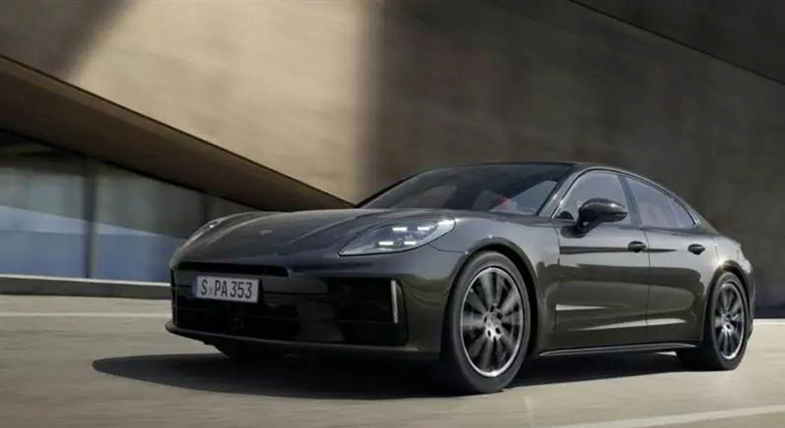
The contrast is unusually sharp. Porsche, Bentley, Lamborghini, Rolls-Royce, Maserati, Infiniti, Genesis and other premium names are missing, according to the article's review of the show line-up. Several joint-venture brands, including Dongfeng Honda, Dongfeng Peugeot, Kia, Fengxing, Baojun and FAW Bestune, are also absent.
For an event that sits just before China's important September-October selling season, those absences matter. Chengdu has traditionally been a place to show new models, technologies and sales campaigns. This year it is also exposing which companies still have the confidence and budget to compete for attention.
Traditional Chinese brands step forward
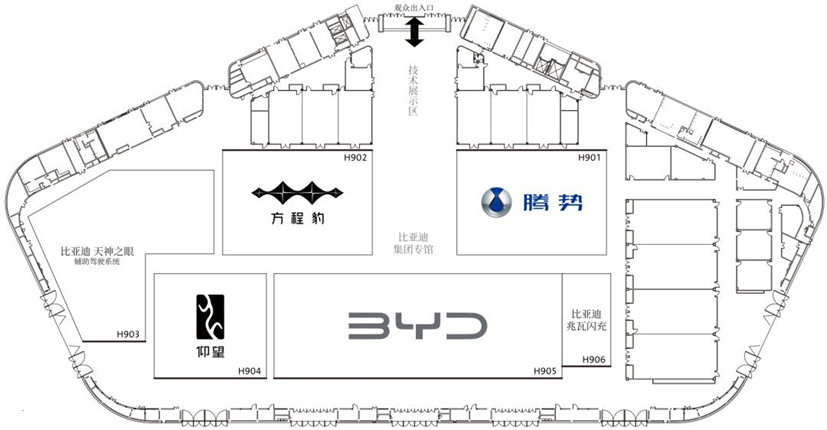
BYD has taken Hall 9, bringing its Dynasty, Ocean, Fangchengbao, Denza and Yangwang brands together with displays for its God's Eye assisted-driving system and megawatt fast charging. The message is simple: BYD wants to be seen not only as China's largest new-energy group, but as a technology house with a full brand ladder.
Changan has taken Hall 10 with Changan, Ford, Deepal, Changan Mazda and Avatr. Its line-up includes the Qiyuan Q05 electric model, 2026 Deepal L07, long-range Deepal S05, updated Avatr models and a new-energy version of the Ford Bronco. The scale reflects Changan's push to present itself as a newly elevated state-owned auto force.
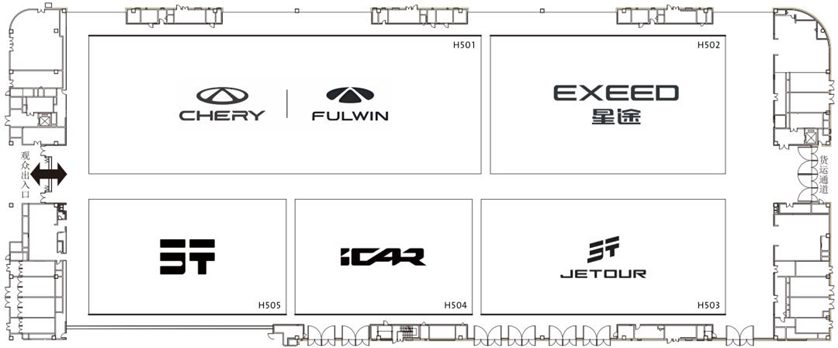
Chery has taken Hall 5 with Chery, Exeed, Zongheng, iCar and Jetour, and is also reviving the Rely brand as a global intelligent pickup ecosystem brand. Geely and Great Wall are bringing broad line-ups of their own.
These hall-level displays are not merely demonstrations of spending power. They show that China's older domestic automakers, after years of investment in batteries, hybrids, software and premium sub-brands, are no longer ceding the spotlight to EV start-ups.
The start-up glow is fading
New-energy start-ups are still present, including Huawei-linked Harmony Intelligent Mobility brands, Xiaomi Auto, Li Auto and Nio. Their attention pull, though, appears weaker than in previous years. Online discussion is no longer dominated by founders or charismatic executives in the way it once was.
Some smaller new-energy names, including Rox Motor, Polestar, Skyworth Auto, Yuanhang and Neta, do not appear on the published stand map. The change suggests a maturing market where novelty is losing power and broader corporate capability is becoming more important.
For several years, EV start-ups benefited from a halo effect around software, user communities and founder-led storytelling. That advantage is narrowing as traditional Chinese groups bring comparable electrification, intelligent-driving and cabin technology to market at scale.
Foreign luxury and joint ventures face a harsher China
The retreat of foreign luxury brands is partly about cost and partly about weaker commercial momentum. Porsche sold 56,000 vehicles in China in 2024, down 28 per cent. In the first half of 2025 it delivered 21,302 vehicles, again down 28 per cent.
Maserati has faced an even steeper decline. Even a Shanghai dealer's promotion of the Grecale from about $54,000 has not reversed the brand's slide. Its China sales reached only 384 vehicles in the first five months of 2025, down 44 per cent. Bentley sold about 1,100 vehicles in China in the first half, Ferrari delivered about 300 vehicles in the first five months and Lamborghini delivered about 337 vehicles in the first half. Infiniti's QX60 and QX50 sold only 636 and 177 units respectively in 2025.
Several joint ventures are under similar pressure. Dongfeng Peugeot and Dongfeng Citroen parent DPCA sold 30,420 vehicles wholesale in the first seven months, down 29.2 per cent. Dongfeng Honda fell 31.2 per cent. These numbers underline the difficulty foreign-affiliated brands face in China's electrified market.
Large regional shows are expensive. The article estimates that a Chengdu motor show presence can require a budget of roughly $700,000 to $1.1mn. For brands with shrinking sales and thinner China profits, skipping the show can be a form of cost control rather than a simple marketing choice.
Luxury is being redefined locally
The deeper problem for foreign premium brands is that Chinese automakers are redefining luxury around technology, space, intelligent driving and electrified performance. Models such as Yangwang U8, Zeekr 009, Aito M9 and Nio ET9 have shown that domestic brands can compete in price zones once reserved for imported or joint-venture prestige cars.
In that environment, mechanical refinement and legacy badges are no longer enough. Chinese consumers have become more willing to compare foreign luxury models against domestic alternatives with richer screens, smarter driver assistance, faster charging and more locally tailored cabin features.
Passenger-car retail data from the China Passenger Car Association showed domestic brands held a 64 per cent retail market share in the first seven months of 2025, up 6.9 percentage points from a year earlier. That shift is the underlying reason Chengdu's floor plan looks different.
The new main stage belongs to China's established players
The next phase of China's auto market is likely to be led by traditional domestic groups rather than foreign incumbents or smaller EV start-ups. Chinese companies hold more than 60 per cent of the global power-battery market, and many automakers are adopting Huawei's Qiankun intelligent-driving system alongside their own development programmes.
The Chengdu show does not create this shift; it makes it visible. As BYD, Changan, Chery, Geely and Great Wall build across technology, brands, exports and retail channels, the market is moving from a contest of novelty to a contest of systems.
For consumers, that could mean stronger products and faster innovation. For the industry, it points to a new shake-out in which access to the main table will depend on scale, technology and the ability to keep investing through a brutal cycle.