
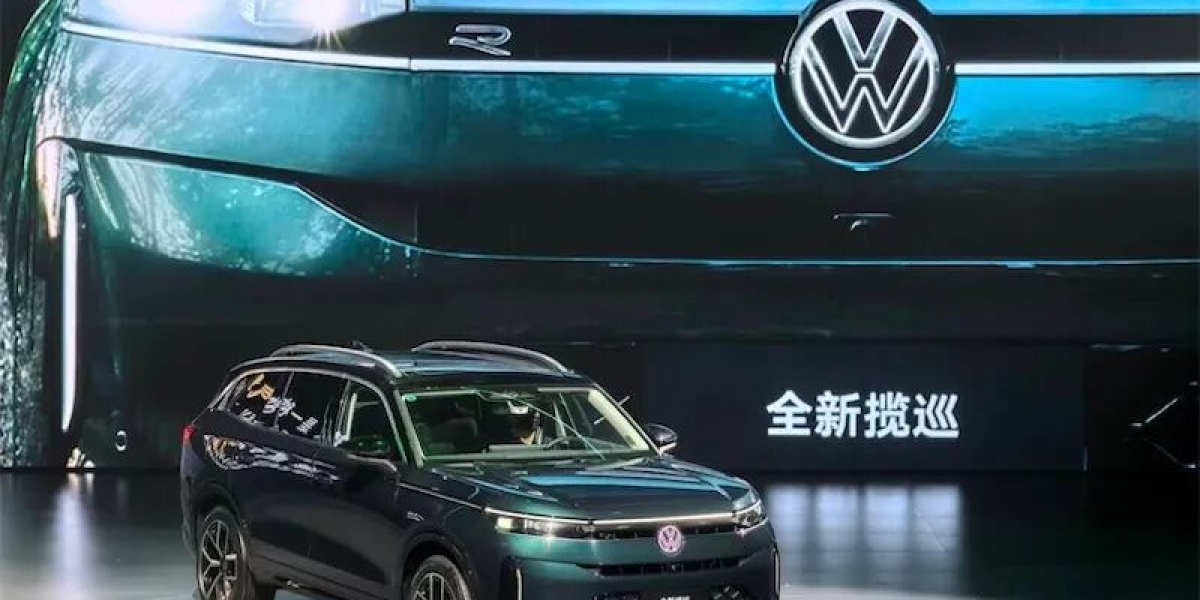
At a time when China's auto industry often speaks as if petrol cars are already history, FAW-Volkswagen used its 35th anniversary spring product event to send a different message.
A Deliberately Different Message
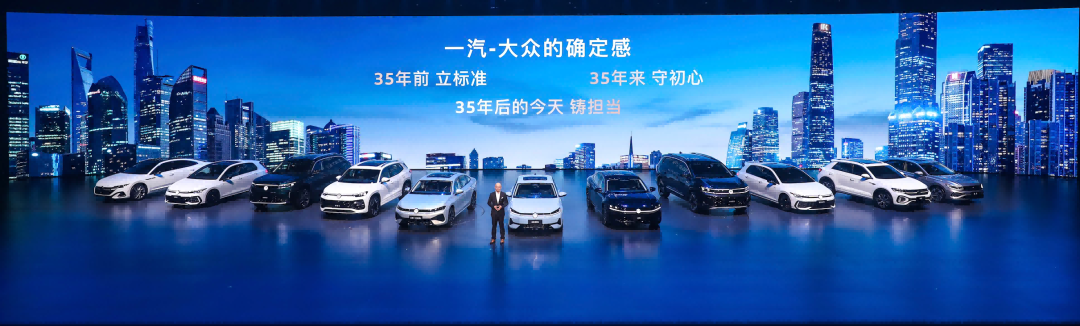
The company launched or previewed five models: the new Sagitar S, new Talagon, Magotan 35th Anniversary Selected Edition, Magotan PHEV and Tayron L PHEV.
The line-up covers petrol and plug-in hybrid models, sedans and SUVs. It is designed to reach a wide group of customers rather than chase a single fashionable technology route.
In 2026, with new-energy vehicle penetration approaching 60% in China, that stance can look unfashionable. Yet FAW-Volkswagen is betting that a large, quiet group of buyers still wants mature petrol technology, long-distance confidence and a service network they trust.
Why Petrol Still Matters
Industry narratives often favour disruptors and new categories. Deloitte's 2026 Global Automotive Consumer Study gives a more complicated picture. Among Chinese consumers asked about their next vehicle type, 41% still preferred a petrol car, compared with 20% for pure EVs, 19% for hybrids and 17% for plug-in hybrids.
The public conversation around electrification is loud, but real buying intentions are more balanced. The 41% may include northern-city residents worried about winter range loss, business travellers who cannot accept holiday charging queues, and families in lower-tier cities that trust a mechanical system proven over decades.
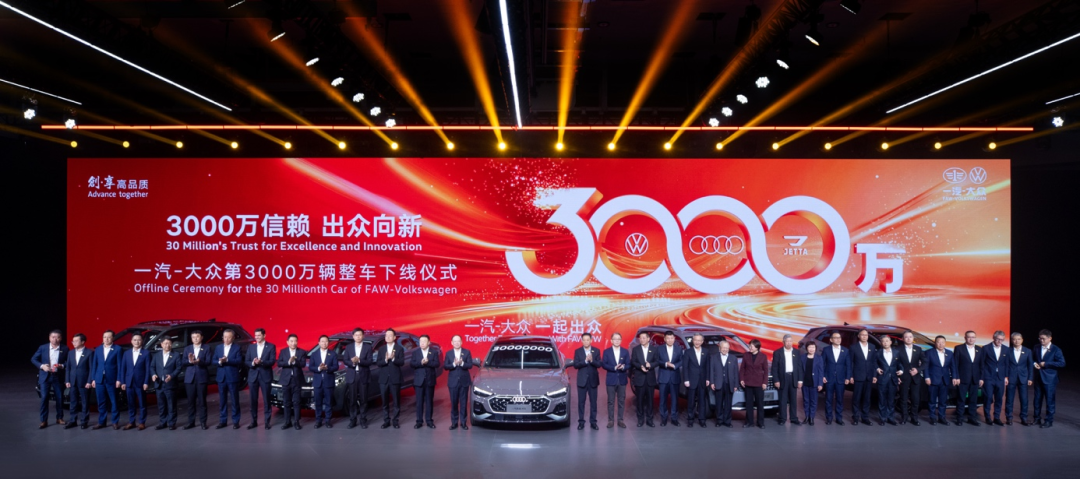
FAW-Volkswagen has not forgotten that group. In 2025, it sold 1.587 million vehicles and remained China's top-selling joint-venture carmaker for the seventh consecutive year. Its petrol-market share rose by 0.9 percentage points against the broader trend. By early 2026, cumulative production and sales had passed 30 million units, meaning roughly one in every 16 Chinese households owns or has owned a FAW-Volkswagen vehicle.
The installed base is the company's largest moat. In 2025, its repeat-purchase rate reached 14%, meaning 14 out of every 100 existing owners chose the brand again when replacing a vehicle. That kind of loyalty is built through products, maintenance experience and long-term ownership rather than launch slogans.
That is the context for a statement made at the event by Deng Guohui, FAW-Volkswagen's technical development director: as long as users still love and need petrol vehicles, FAW-Volkswagen will not stop engine research and development.
From Selling Cars to Lifetime Support
The bigger strategic move at the event was the launch of FAW-Volkswagen's long-term service system, built around nine benefits grouped into responsibility commitments, lifetime guarantees and free services.
The logic is support. For the new Talagon, first owners receive lifetime vehicle warranty, free roadside assistance within 100km for life, and lifetime warranty on original parts. Core systems such as the engine, transmission and chassis can be repaired or replaced for free if failures are not caused by misuse. If a breakdown occurs during a road trip, roadside assistance is included. Replacement parts used in repairs are covered as original-quality parts.
Lifetime warranty is not rare in China's auto market, but it is often associated with new-energy brands and usually carries restrictions. FAW-Volkswagen is extending such commitments to petrol SUVs and promising a free courtesy car if repairs take more than five days, a first for its joint-venture peer group according to the original report.
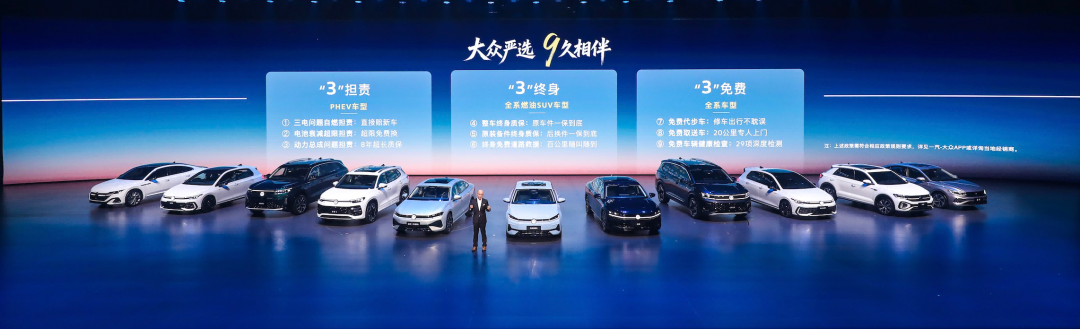
For the Magotan PHEV and Tayron L PHEV, the company introduced three responsibility commitments aimed at reducing plug-in hybrid anxiety. If a three-electric-system quality issue causes a fire and the vehicle reaches China's scrappage standard, the manufacturer will replace it with a new vehicle of equal configuration or price. If battery capacity falls below the manufacturer's recognised standard within eight years or 160,000km, the company will replace the battery with a new original pack. The three-electric system, engine, transmission and other core components receive an eight-year or 160,000km warranty.
Those promises address two common concerns around plug-in hybrids: what happens if the vehicle catches fire, and what happens if the battery degrades. For buyers curious about new-energy vehicles but worried about reliability, the commitments are meant to reduce perceived risk.
Across the full range, FAW-Volkswagen also offers free courtesy vehicles for repairs exceeding five days during the statutory warranty period, pickup and delivery service, and up to 29 vehicle health checks during service visits. The company says the support is enabled by nearly 1,000 service outlets nationwide, 23,000 professional technicians and a commitment to original parts supply for 10 years after a model ends production.
Petrol Cars Can Also Become Smarter
FAW-Volkswagen is also trying to show that intelligence is not exclusive to EVs. One side of that effort is continued engine development.
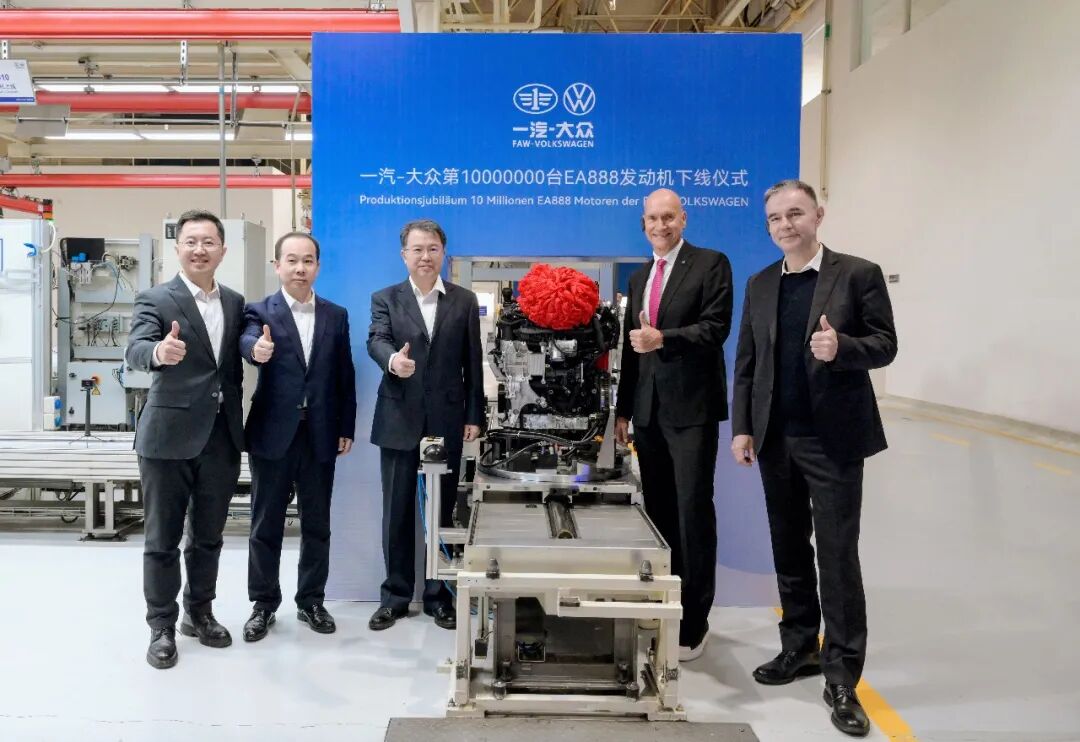
In January, the 10 millionth EA888 engine rolled off FAW-Volkswagen's Dalian line, making it the world's largest production site for that engine family. The latest fifth-generation EA888 uses three core technologies: VTG variable-geometry turbocharging derived from Porsche-related technology, 500-bar high-pressure fuel injection and a full-condition Miller cycle.
VTG adjusts turbine blade angles to reduce low-speed turbo lag and high-speed drop-off. The 500-bar injection system improves atomisation, combustion efficiency and emissions performance. FAW-Volkswagen argues that the new engine raises responsiveness, economy and environmental performance at the same time.
The other side is assisted driving. The new Talagon uses IQ.Pilot enhanced driver assistance, described as the industry's first petrol vehicle with end-to-end highway NOA. Developed with Zhuoyu Technology, the system is based on an interpretable end-to-end large model and does not rely on high-definition maps. It can support highway navigation assistance, automatic ramp entry and exit, and active lane changes.
Adapting the system to a petrol vehicle required more than 1,400 days of optimisation and over 100,000km of parameter tuning. Engineers had to manage nonlinear power-control characteristics, redesign cooling systems and connect communication protocols across related components.
A Conservative Strategy With Real Logic
FAW-Volkswagen's approach is not a rejection of electrification. Its new products include plug-in hybrids, and its services are designed to reduce anxiety around those systems. The difference is that it is not abandoning petrol customers in the process.
That may look cautious in a market obsessed with disruption. It may also be commercially rational. China is too large and varied for one technology path to serve every household. If FAW-Volkswagen can combine mature engines, credible hybrids, stronger service guarantees and smarter driver assistance, it may protect a valuable customer base while it moves through the transition at its own pace.