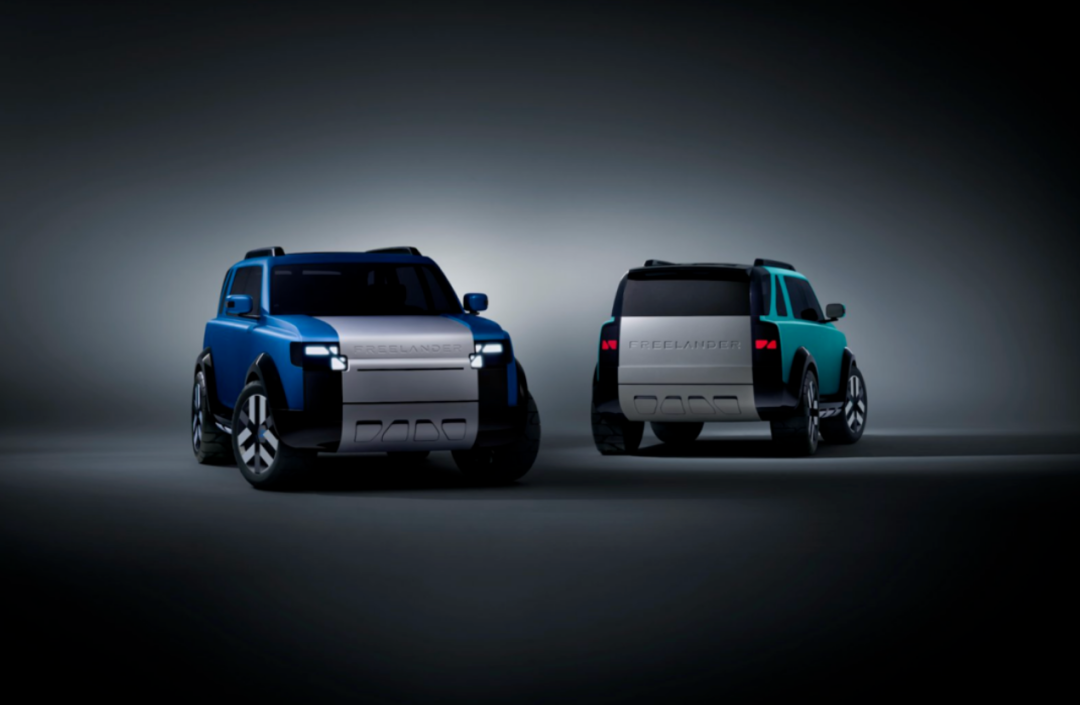
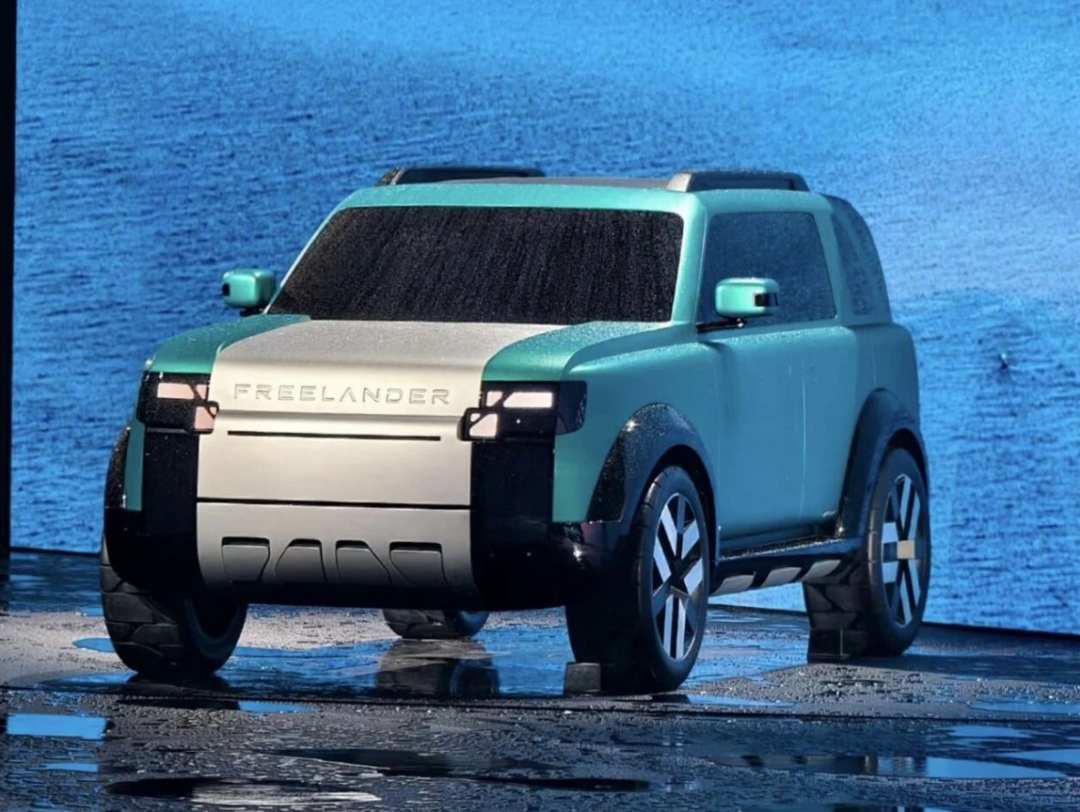
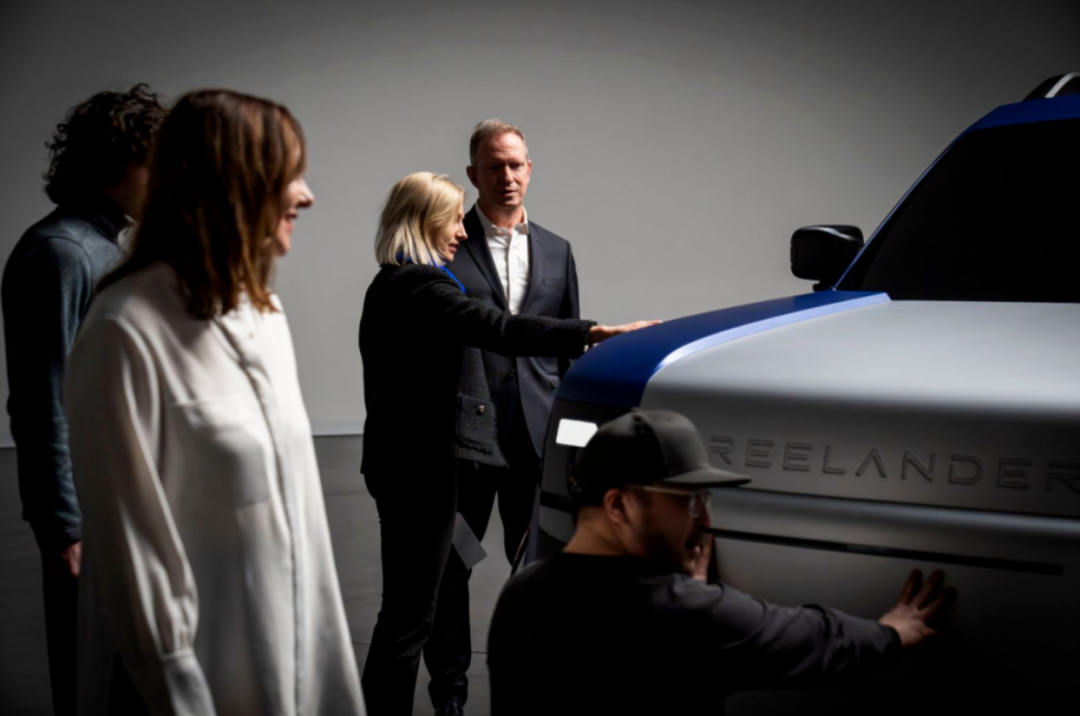
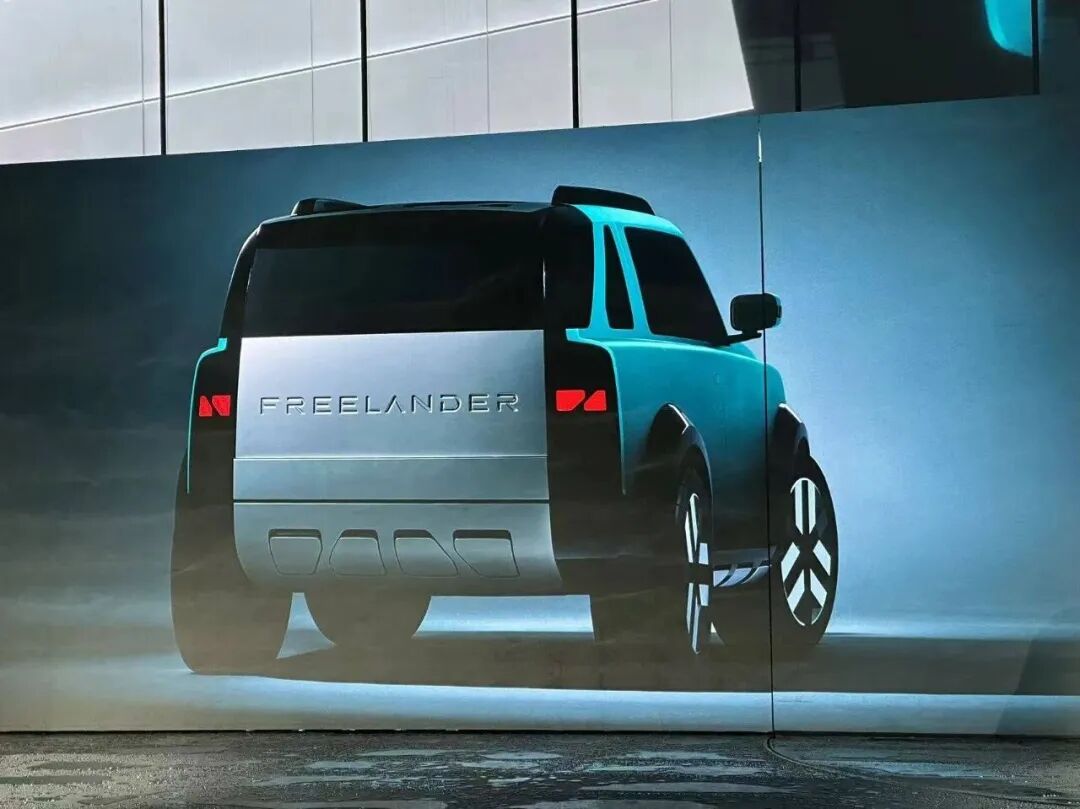
For many older car enthusiasts, the Land Rover Freelander is remembered for the small rear quarter window behind the C-pillar, one of the original model's most recognisable design cues.
A Familiar Name Returns Without Its Old Badge
That detail has now returned on the Concept 97, marking the revival of the Freelander name after a decade away.
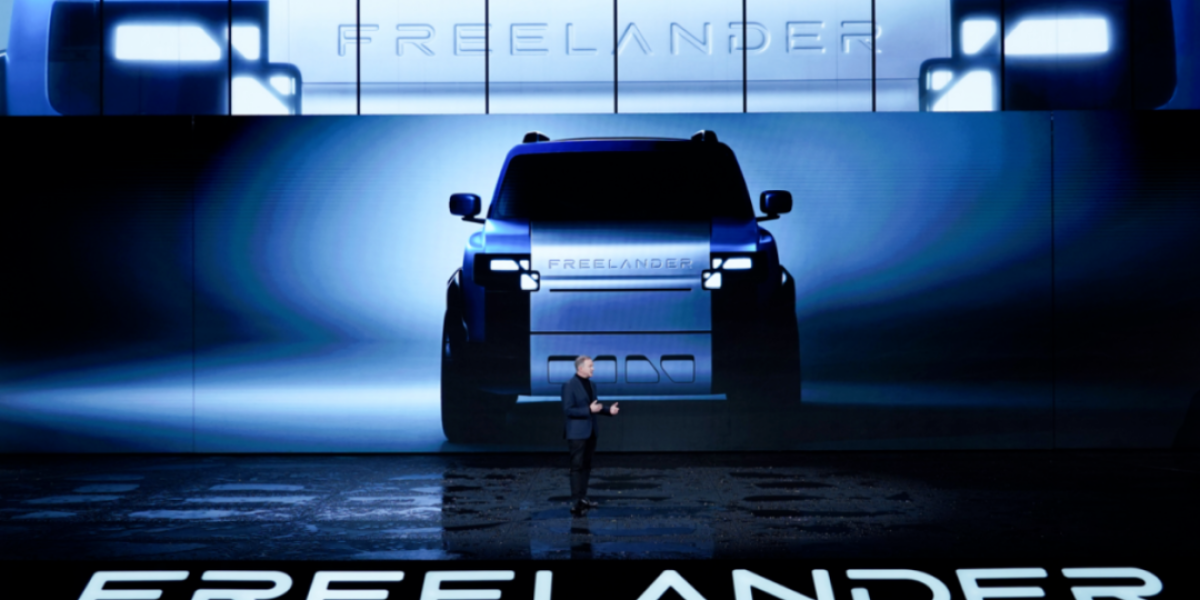
This time, Freelander is no longer simply a member of the Land Rover family. It is being relaunched as an independent brand created by Chery and Jaguar Land Rover. The green Land Rover oval has been replaced by a FREELANDER wordmark, while the logo draws on the rear quarter-window motif.
At the launch event, Wen Fei, global chief executive of Freelander and executive vice-president of Chery Jaguar Land Rover, said the brand plans to introduce six models over five years. The first product is scheduled to debut in China in the second half of this year, targeting the luxury new-energy SUV market at roughly $41,000 to $69,000.
The question is whether nostalgia can do enough in one of the world's toughest premium-EV segments. Heritage can be revived; market memory is harder to rebuild.
A Ten-Year Gap Is a Generation in China
The Freelander name has real history. Launched in 1997, it became one of Land Rover's best-known models, led Europe's four-wheel-drive sales charts for five consecutive years from 1997 to 2002 and was used by members of the British royal family. Globally, it won more than 500,000 customers.
Yet the model gradually lost relevance as fuel-economy rules tightened. Its weight, aerodynamic drag and fuel consumption became disadvantages, and production ended in late 2014. Land Rover's Discovery Sport then took over its market role.
That means the Freelander name has been disconnected from the global market for a full decade. In China's car industry, ten years can feel like an entire generation. During that period, the market shifted from petrol cars to new-energy vehicles, while consumer tastes, brand perceptions and purchase logic changed dramatically.

Many buyers in their 30s, now a core group for premium SUVs, are unlikely to feel a natural emotional attachment to the Chinese name Shenxingzhe or the Freelander heritage. Brands such as Li Auto, Nio and Aito may be far more familiar to them.
Wen has said differentiation will be the new brand's core competitiveness. The difficulty is that differentiation first requires awareness and curiosity. Freelander sits in an awkward position: it is a historical Land Rover name, but now relaunched as an independent brand outside the main Land Rover system.
China's car market has seen similar attempts to use heritage or borrowed associations. BAIC's Saab-linked Senova and Foton's Borgward revival both tried to build recognition through history, with limited success. Today's consumers are more rational. They pay closer attention to intelligence, running costs and real user experience, and they are less likely to pay simply for sentiment.
Many of the Strongest Selling Points Come From Partners
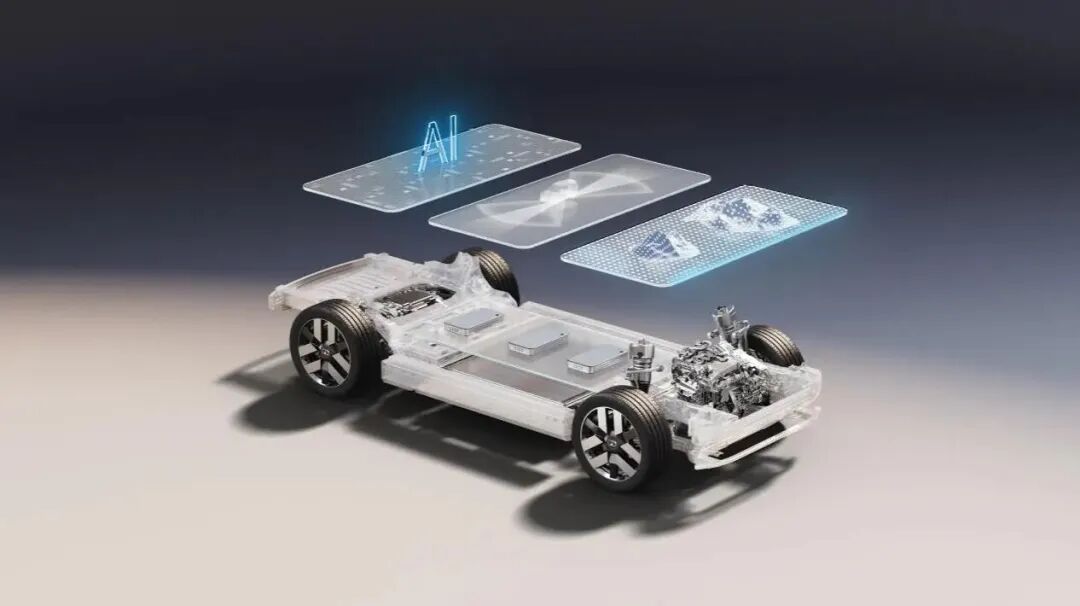
Freelander's product positioning includes several attractive elements. The new platform supports battery-electric, extended-range and plug-in hybrid drivetrains. The brand is working with Huawei Qiankun, CATL and Qualcomm to create what it describes as globally competitive luxury technology all-terrain SUVs.
All models are planned to use Huawei Qiankun ADS V4.1 assisted driving. Freelander and CATL are jointly developing a terrain-focused Xiaoyao hybrid battery, and the brand will be among the first globally to use Qualcomm's Snapdragon 8397 chip. Jaguar Land Rover is expected to contribute design, luxury positioning and brand tone, while the Chinese side integrates the smart-car supply chain.
The package sounds strong, but it also raises a strategic question: what belongs uniquely to Freelander? The platform is based on Chery's iMax electric architecture. Manufacturing is at the Changshu plant. Intelligence comes from Huawei and Qualcomm. Batteries come from CATL.
That leaves British luxury image as the main premium argument. Whether that can support the intended price band is uncertain, especially when the most persuasive technologies are supplied by Chinese partners already used across other brands.
Jaguar Land Rover's historical strengths are all-terrain ability, terrain-response systems and mechanical depth. The challenge is translating those advantages into an electric and hybrid context. The group also has a long-standing quality perception issue in China, where complaints around some Range Rover models, including cabin noises and chassis looseness, have damaged trust among certain consumers.
Freelander is therefore in a delicate position. It wants to sell with a luxury-brand posture, but many of its strongest capabilities come from China's technology system. It wants to tell a British brand story, but consumers may end up remembering Huawei, CATL and Chery more clearly.
Building a Channel From Zero
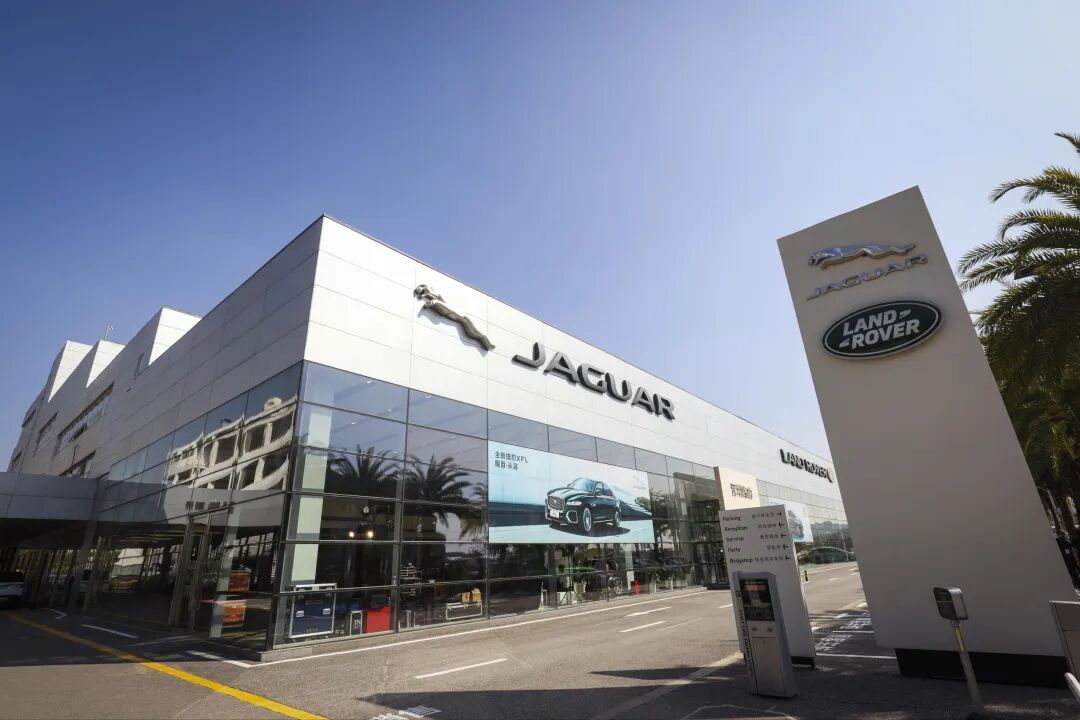
The channel strategy adds another layer of difficulty. Chery Jaguar Land Rover was formed in 2012, and in 2014 the companies created the IMSS joint sales structure to balance imported and locally produced models. Freelander is now choosing to separate from that system and build an independent sales network.
The rationale is understandable. IMSS has long faced internal frictions between Chinese and foreign interests, and it did not fully solve the structural problems of joint-venture sales. Starting over can look like a decisive reform.
The cost is that Freelander cannot lean fully on Jaguar Land Rover's existing retail network, customer base or brand momentum. Channels, awareness and trust must all be rebuilt.
That would be difficult even in a stable market. Jaguar Land Rover's own China channel is under pressure. Between 2024 and 2025, nearly 50 dealers exited its national network, covering both top-tier cities and lower-tier markets. Almost 30% of dealers reportedly left because of profitability problems. In 2025, Jaguar and Land Rover's combined China retail sales were only 26,500 units, down 33.25% from 39,700 in 2024, while wholesale volume fell 33.33% to 26,000 units.
Freelander has reportedly signed 60 dealers, many of them quality partners for luxury brands. Yet in a market where dealer margins are under broad pressure, the question is how many partners have the patience and capital to nurture a new brand launching into one of the most competitive segments.
A Crowded Premium-EV Arena
Freelander is aiming at the $41,000 to $69,000 luxury new-energy SUV segment, a space already crowded with strong Chinese and international rivals. In the first three quarters of 2025, sales of high-end new-energy SUVs in China rose by more than 60% year on year, while domestic brands took more than 35% penetration in the same price band.
That means Chinese brands are no longer competing only on value. They now have the technology, user experience and brand confidence to face international luxury names directly.
Freelander is not a simple product upgrade or a sub-brand refresh. It is a new brand that must define its position almost from scratch. Wen has described it as part of the "joint venture 3.0 era" and highlighted the speed of development: from brand approval in 2024 to the first model launch in the second half of 2026, only about two years.
That pace is rare for a traditional luxury joint-venture system. Yet speed does not guarantee quality, and quality does not guarantee recognition. The eventual market result will depend on whether Freelander can find clear value within an already mature product field.
For now, the revival looks like a bold experiment: British heritage wrapped around Chinese technology. The concept is not without logic, but nearly every foundation is challenging, from brand awareness and core capability to channel construction and competitive pressure. Freelander's real test will begin only when its first vehicle reaches customers.