GAC Honda is preparing for a leadership change at a point when its old strengths are weakening and its new-energy strategy has yet to find traction.
A leadership change at a difficult moment
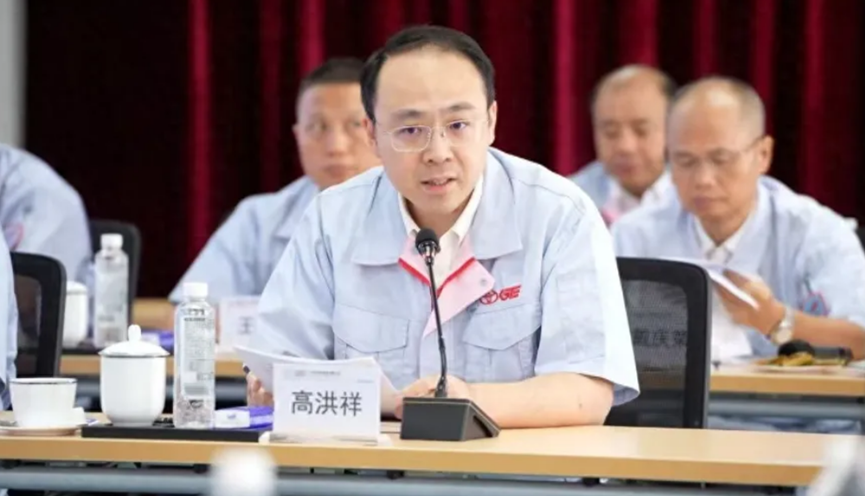
Gao Hongxiang is expected to replace Li Jin as director and executive deputy general manager of GAC Honda Automobile, a move that has prompted fresh debate over the joint venture's future.
On the surface, the appointment looks like a personnel rotation. In context, it suggests deeper anxiety. GAC Honda's petrol-era base is under pressure, its electric models have struggled, and the company is approaching a critical period before its joint-venture agreement expires on May 13, 2028.
Gao's background makes the move more interesting. He has spent two decades in automotive powertrain development and manufacturing, which aligns more closely with Honda's renewed emphasis on hybrid technology than Li's more administrative and procurement-heavy career path.
A former petrol leader loses momentum
GAC Honda was once one of China's strongest joint ventures, but its performance has deteriorated through the electrification shift. When Li became executive deputy general manager in 2022, China's new-energy penetration was lower and the market had not yet reached its current level of price competition. That was a window for transformation. GAC Honda did not make enough of it.
Sales fell to 741,800 vehicles in 2022, down 4.93 per cent, then declined another 13.66 per cent in 2023 to 640,000. In 2024, sales dropped to 470,600, down 26.52 per cent.
The pressure continued in 2025. GAC Honda sold 154,647 vehicles in the first half, down 25.63 per cent. June sales reached 30,017, up from May but still down 12.61 per cent year on year.
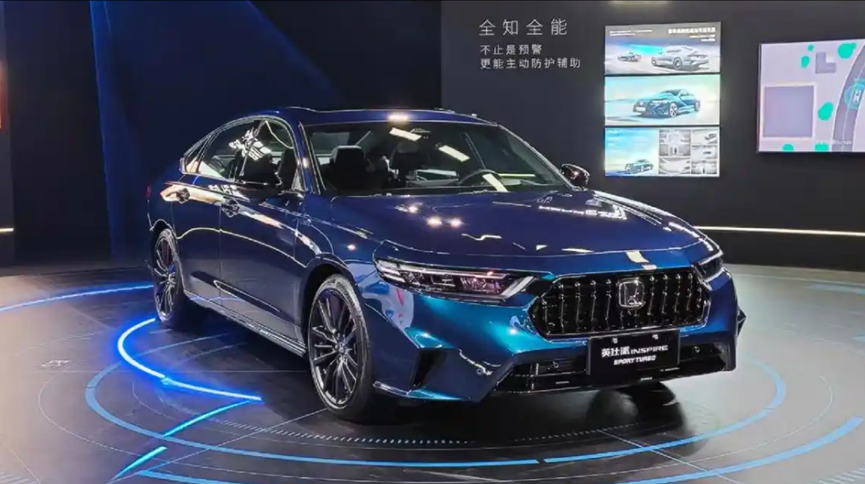
Accord and Breeze remain core volume models, but both are rooted in the petrol-car era. New-energy versions of Accord and Breeze have failed to change the picture, the earlier e:NP series underperformed, and the newly launched P7 electric SUV faces intense competition in its price band.
The joint-venture clock is ticking
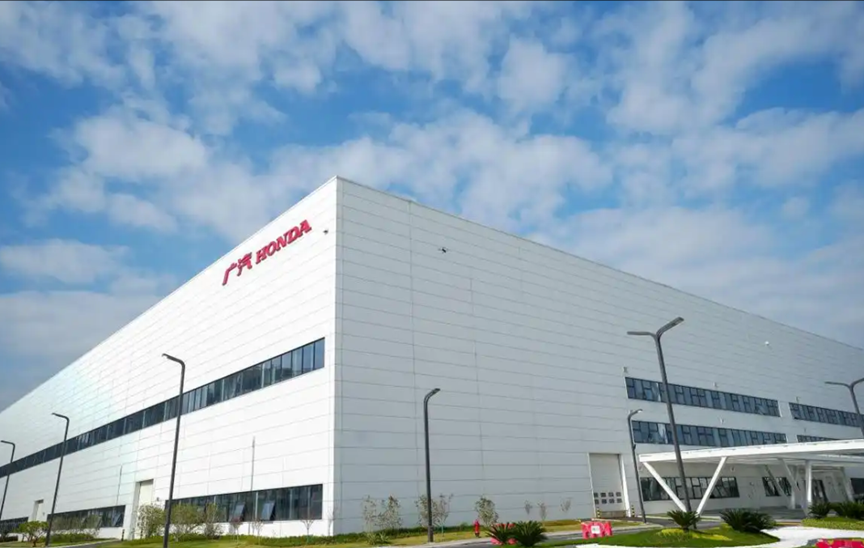
GAC Honda's position is made more sensitive by the coming renewal question. GAC has already seen GAC Mitsubishi and GAC Fiat Chrysler withdraw from China. Whether GAC Honda can sustain a credible future matters to the broader group.
The venture is not facing a simple sales downturn. It is facing a relevance problem. If it cannot show progress in intelligent electrification before the renewal window narrows, its bargaining position and strategic value will weaken.
Honda's hybrid pivot changes the logic
Honda has adjusted its global electrification plan. In May, the company cut planned battery-electric investment for the period to fiscal 2030 from 10tn yen to 7tn yen. It also reduced its 2030 target for battery-electric vehicles from 30 per cent of total sales to 20 per cent.
At the same time, Honda plans to launch 13 next-generation hybrid models between 2027 and 2030 and target annual hybrid sales of 2.2mn to 2.3mn units by 2030, more than 60 per cent of total sales. That makes hybrids, rather than pure EVs alone, central to Honda's next phase.
Gao's appointment fits that shift. His powertrain background connects more directly with Honda's fourth-generation i-MMD hybrid technology, and he has served as director and deputy general manager of GAC Toyota Engine. That makes him the second senior GAC Toyota-linked executive to move into GAC Honda after Zheng Heng.
GAC itself is also pushing change. At a group development meeting in February 2025, chairman Feng Xingya called for stabilising joint ventures, strengthening independent brands and expanding ecosystems through transformation, reform and restructuring. GAC Honda has been asked to advance its "Yunxin Zhiyuan" transformation plan and accelerate intelligent electrification.
Can Gao deliver a turnround?
The appointment has been interpreted by many industry observers as a reset button for GAC Honda's electrification effort. That view reflects frustration with the previous period. GAC Honda's net profit fell from about $1.7bn in 2020 to roughly $250mn in 2024, and sales in the first four months of 2025 were down more than 20 per cent.
The company has also looked less active in marketing and public communication than some rivals. While executives at neighbouring joint ventures have used social media to engage consumers, GAC Honda has appeared quiet. Its product planning has also lacked the sharper narrative needed in China's current market.
Gao may bring new thinking around supply-chain integration, product planning and hybrid technology. The brand still has assets: a recognisable name, an established dealer network and a base of petrol-car customers. If it can improve marketing, clarify its hybrid and EV line-up, and rebuild service appeal, a turnround is possible.
A new appointment is only the start
GAC Honda's challenge is not simply choosing between petrol, hybrid and electric. It must rebuild its relevance in a market where domestic brands set the pace in software, pricing and product speed.
Gao's new role is therefore both an appointment and a mandate. The next stage will show whether a powertrain-focused executive can translate Honda's hybrid pivot into a credible China strategy before the joint venture's window tightens further.