
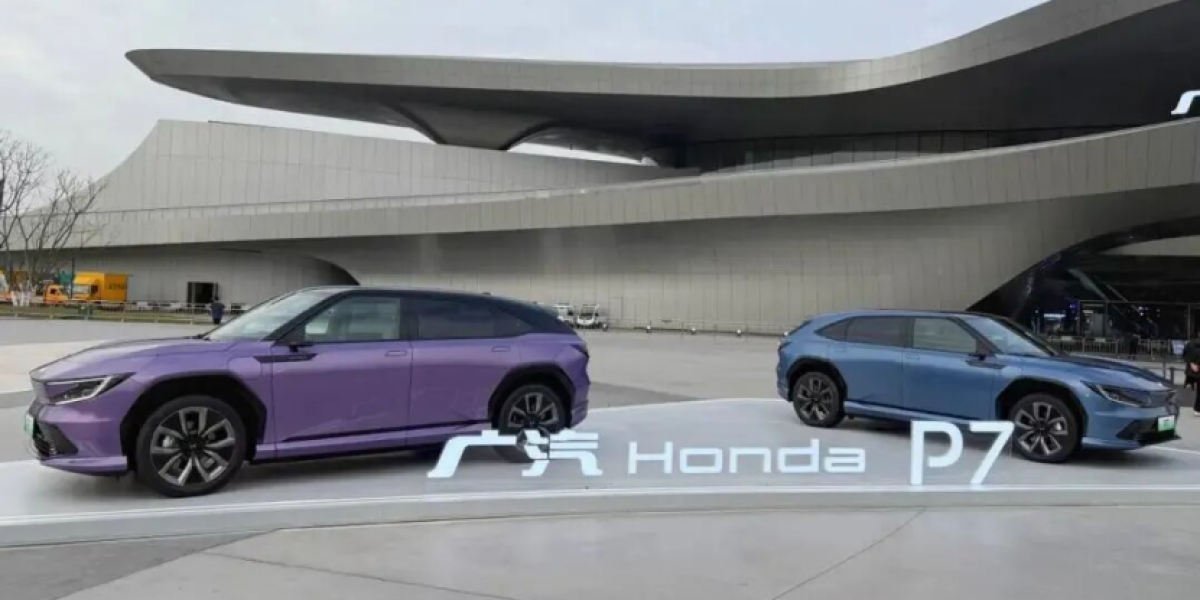
GAC Honda entered 2026 under heavy pressure. A joint venture long associated with dependable Japanese engineering saw terminal sales fall sharply in the opening months.
A Difficult Start to 2026
In January, sales dropped 69.86% year on year to 27,600 units, one of its weakest monthly results in recent years. In February, sales fell further to 9,220 units, still down by nearly 70%.
At the same time, complaint platforms have been drawing more attention to several core models, including the Accord and Breeze. On third-party sites such as Chezhiwang, keywords linked to GAC Honda complaints have included engine noise, brake failure, transmission belt failure and sunshade clip breakage.
Since 2025, the company has also faced multiple recalls, pressure on its dealer network and a slower-than-expected new-energy transition. For a brand that built much of its China reputation on being economical and worry-free, the complaints carry reputational risk beyond any single case.
Recalls Put Electrification Under Scrutiny
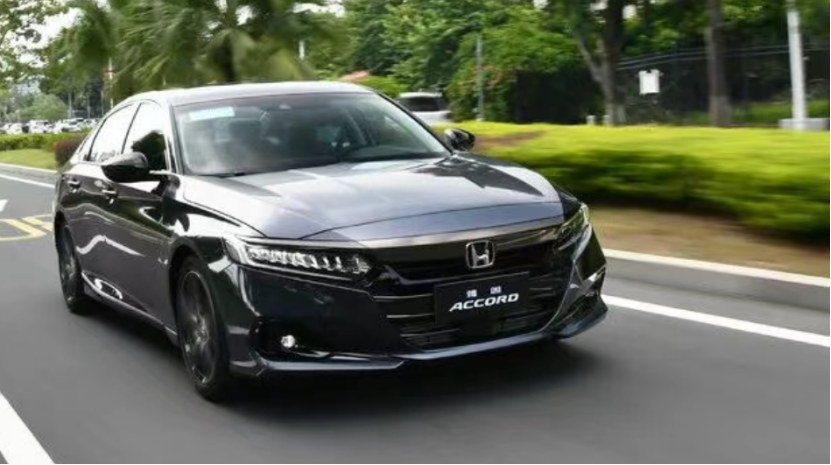
Just before March 15, China's annual consumer-rights focal point, GAC Honda filed two recall plans with the State Administration for Market Regulation. The recalls covered 16,329 plug-in hybrid Accord vehicles and 1,945 fully electric P7 vehicles.
According to the official recall notice, the affected vehicles have a defect in the power-control system software setting. In extreme cases, the defect may cause the power-control system to restart, leading to a sudden loss of driving power while the vehicle is moving. The plug-in hybrid Accord may also clear OBD data after a system restart, creating an unreasonable emissions risk.
Recalls are not unusual in the auto industry, and voluntary recall action can be a sign of responsibility. Yet this case is sensitive because it involves power-system software in vehicles that GAC Honda needs for its electrification transition.
The Accord PHEV and electric P7 were expected to help the joint venture move into new-energy products. The P7, in particular, received attention at launch, but market response remained muted even after discounts of about $7,000. A recall linked to possible power loss while driving can only make consumer confidence harder to rebuild.
Complaints Erode the Worry-Free Image
If recalls are the formal side of quality management, complaint platforms show the more emotional side of ownership. According to an analysis by Auto Door, GAC Honda's complaint index reached 733.95 in January 2026, ranking second among joint-venture carmakers. Complaints around engine noise, sunshade clip breakage and timing-belt shedding remained prominent.
Some cases involve safety-critical systems. One owner of a 2020 Odyssey said the vehicle had been driven for more than five years and 59,000km when the brakes suddenly failed while descending a slope and the ABS warning light came on. The vehicle was diagnosed with an electronic brake system fault. The dealer reportedly said the car was out of warranty and the owner would need to pay for repair.
Powertrain complaints have also appeared. One owner of a 2025 Breeze said the transmission steel belt suddenly broke during normal highway driving, leaving the vehicle stranded. The dealer acknowledged a quality issue and agreed to replace the assembly, according to the complaint, but the owner said travel, lodging and depreciation losses linked to the major transmission repair were not covered.
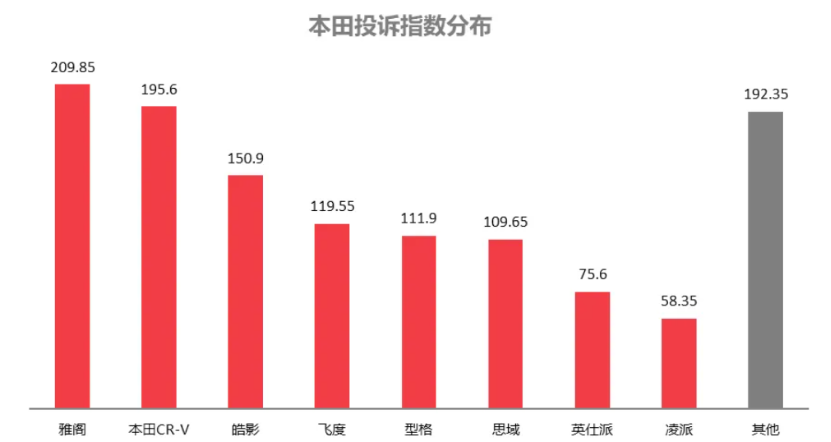
Individual failures can occur in any brand. Repeated similar complaints are more damaging because they suggest room for improvement in design, parts quality or service response.
The Breeze sunshade issue is one example. Several owners have said the sunroof sunshade clip broke soon after the warranty period ended. Dealers reportedly proposed replacing the full assembly at a cost of several hundred dollars, while the individual clip costs only a few dollars. Chezhiwang data cited in the article show 2021 Breeze complaints accounting for more than 40% of related complaints, with the complaint-to-sales ratio rising nearly threefold over three years.
Other complaints have involved the 2019 Crider, where owners alleged timing-belt shedding caused turbocharger piping blockage, turbocharger damage and sudden deceleration during highway driving. Owners have also complained about body rust, paint peeling and unfulfilled extended-warranty promises.
Data published by China.com showed GAC Honda's response rate on complaint platforms at 0%. If accurate, that points to a gap in how much attention the manufacturer pays to third-party complaint channels.
Dealer Changes Create Service Risk
Since 2025, China's price war has placed dealers under pressure, and some stores have closed or exited networks. Those channel changes can turn into consumer-service problems.
One case in Liuzhou, Guangxi, illustrates the issue. A GAC Honda 4S store withdrew from the network in 2025 because of operating adjustments, leaving some consumers unable to redeem prepaid maintenance packages. The manufacturer's customer service reportedly said it would register and escalate the case, but the consumer experience had already been damaged.
Legally, dealers are independent business entities. From a brand-reputation and consumer-protection perspective, the question is broader. If customers buy service packages because they trust the Honda name, should the manufacturer provide a stronger backstop when a dealer exits?
Channel contraction is not necessarily fatal. Failing to respond to affected owners is more dangerous. The complaints point to areas where GAC Honda needs to strengthen quality control, after-sales governance and customer communication.
The Test Is the Response
No carmaker can guarantee that every product is perfect, and no brand can ensure that every dealer remains financially stable. What defines a brand during a quality and service crisis is not whether problems exist, but how quickly and sincerely it responds.
For GAC Honda, 2026 is both a crisis and an opening. Recalls, dealer-network adjustments and a slow new-energy transition have pushed brand trust to a difficult point. Yet the company still has 27 years of China presence and a user base of more than 9 million.
The path back depends on choices. GAC Honda can treat complaints as isolated friction, or it can take broader responsibility and rebuild confidence through transparent communication, stronger service commitments and more competitive intelligent EV products.
Consumers will not pay indefinitely for nostalgia. A brand once known for durability now has to prove that reliability still applies in the software-defined and electrified era.