
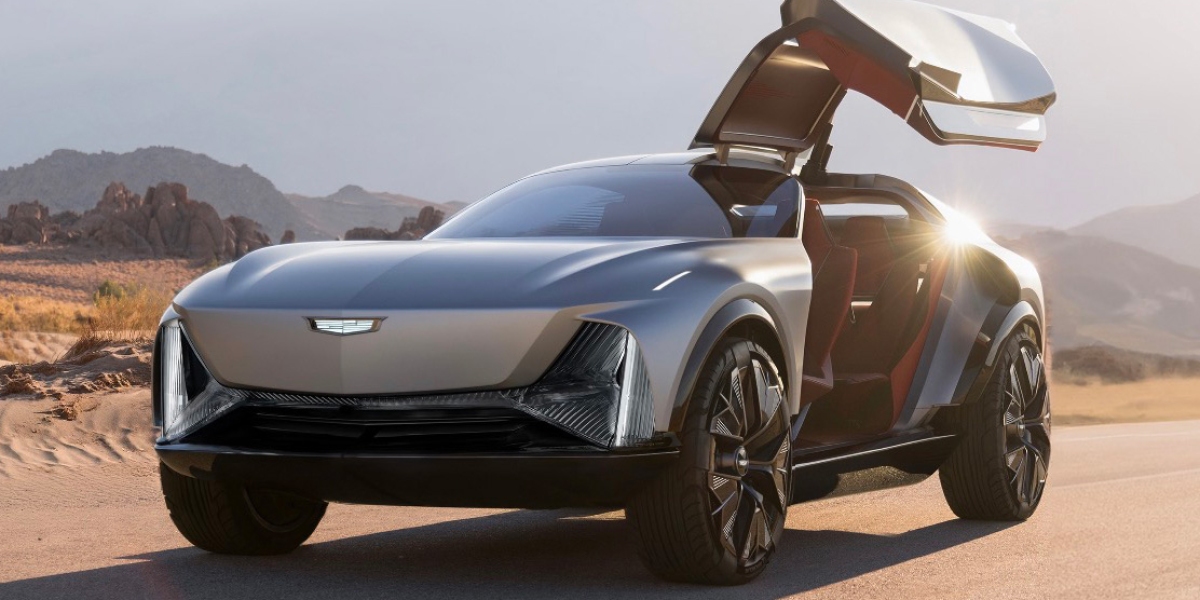
General Motors’ decision to extend its partnership with SAIC Motor for another 20 years is more than a vote of confidence in a joint venture that has endured one of the most disruptive periods in China’s car industry.
It marks a deeper change in how vehicles carrying the Buick and Cadillac badges will be conceived, engineered and sold.
Under the renewed agreement, the 50:50 SAIC-GM venture will continue through 2047. That is twice the length of the latest extensions agreed by some other long-established joint ventures, including SAIC Volkswagen and GAC Honda. The duration matters, but the distribution of responsibility inside the partnership may prove more consequential.
SAIC-GM is moving beyond the traditional model in which Detroit supplied the product architecture and its Chinese partner handled manufacturing, sales and local adaptation. China-based teams are gaining a larger role in product definition and engineering, while the venture is being positioned to supply vehicles to markets well beyond China.
From China-made to China-defined
For much of its history, SAIC-GM operated according to a familiar joint-venture formula. GM provided brands, platforms and global product programmes; SAIC contributed factories, distribution and access to the Chinese market. Local engineers adapted vehicles to regional preferences, but the centre of product authority remained overseas.
The new arrangement points towards a different division of labour. SAIC-GM plans to launch at least 30 new-energy vehicles by 2030, spanning Buick and Cadillac and covering battery-electric, plug-in hybrid and range-extended powertrains. Much of that programme will rely on development capabilities based in China rather than on products conceived primarily for North America and subsequently modified for local use.
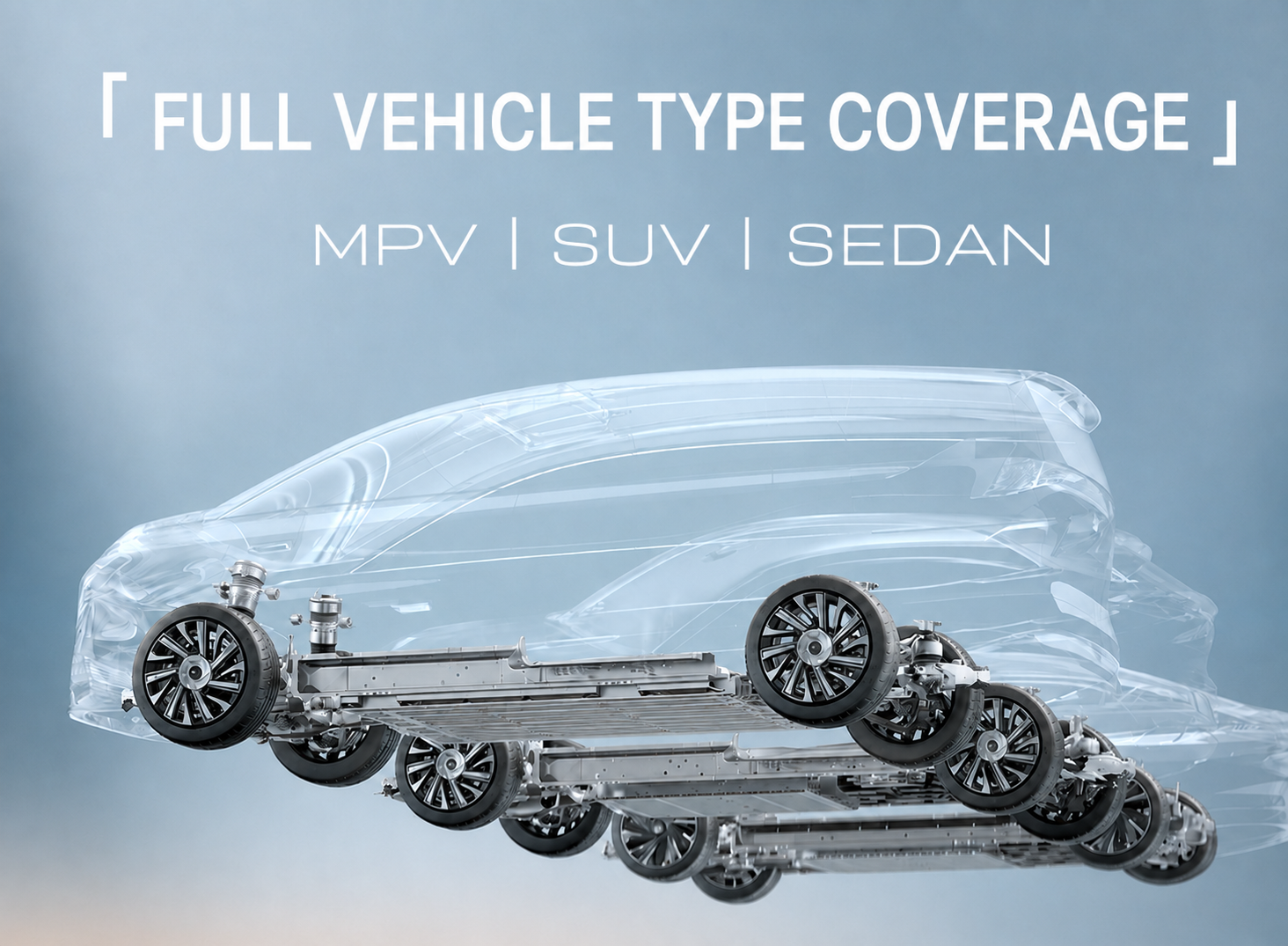
The clearest evidence is the Xiao Yao super-integrated architecture unveiled in 2025. Led by SAIC-GM’s China-based engineering operation, the platform can underpin sedans, SUVs and MPVs across several electrified powertrain formats. It provides the venture with a locally controlled technical base at a time when Chinese consumers expect rapid advances in software, cabin technology, charging and driver-assistance systems.
Buick’s Electra range has become the first large-scale expression of this approach. Within roughly a year, SAIC-GM assembled an electrified line-up covering several of China’s most important vehicle categories. The pace illustrates why multinational carmakers are shifting greater responsibility to local teams: a vehicle programme governed closer to its customers and suppliers can react faster than one routed through a distant global development hierarchy.
Cadillac becomes part of the China-led programme
The inclusion of Cadillac is particularly significant. Buick has long occupied a distinctive position in China and has already become the main showcase for SAIC-GM’s locally developed electrification strategy. Cadillac, by contrast, remains one of GM’s most important global luxury brands and is more closely associated with American design and engineering.
Bringing Cadillac into a programme of China-defined new-energy vehicles suggests that local development is no longer confined to lower-risk regional products. China-based teams will have a greater role in shaping vehicles for a premium brand whose identity must travel across markets.
This does not mean that Cadillac has become a Chinese brand, nor that Detroit has surrendered all oversight. Global brand management, safety standards and investment decisions will still require coordination across GM. The change is subtler but strategically important: China is becoming a source of complete vehicle concepts and technical solutions, rather than merely a market where globally developed cars are adjusted and assembled.
That shift could also reduce development costs. China’s dense network of battery, electronics, software and intelligent-driving suppliers allows automakers to source technology and validate products at a speed that is difficult to reproduce elsewhere. For SAIC-GM, greater local authority offers a route to shorter development cycles and a broader product pipeline without relying entirely on North American programmes designed around different consumer priorities.
GM’s global retreat created an opening for China
SAIC-GM’s expanded role also reflects the geography of GM’s wider business. Mary Barra became chief executive in 2014 and added the chairmanship in 2016. Under her leadership, GM progressively concentrated capital on North America and withdrew from several markets, selling or closing operations in Europe, India, Australia and parts of Southeast Asia.
The strategy strengthened GM’s focus on its most profitable region, where pickup trucks, large SUVs and combustion-powered vehicles remain central to earnings. It also left the company with fewer locally tailored products for markets where customers often demand smaller vehicles, lower prices and electrified powertrains.
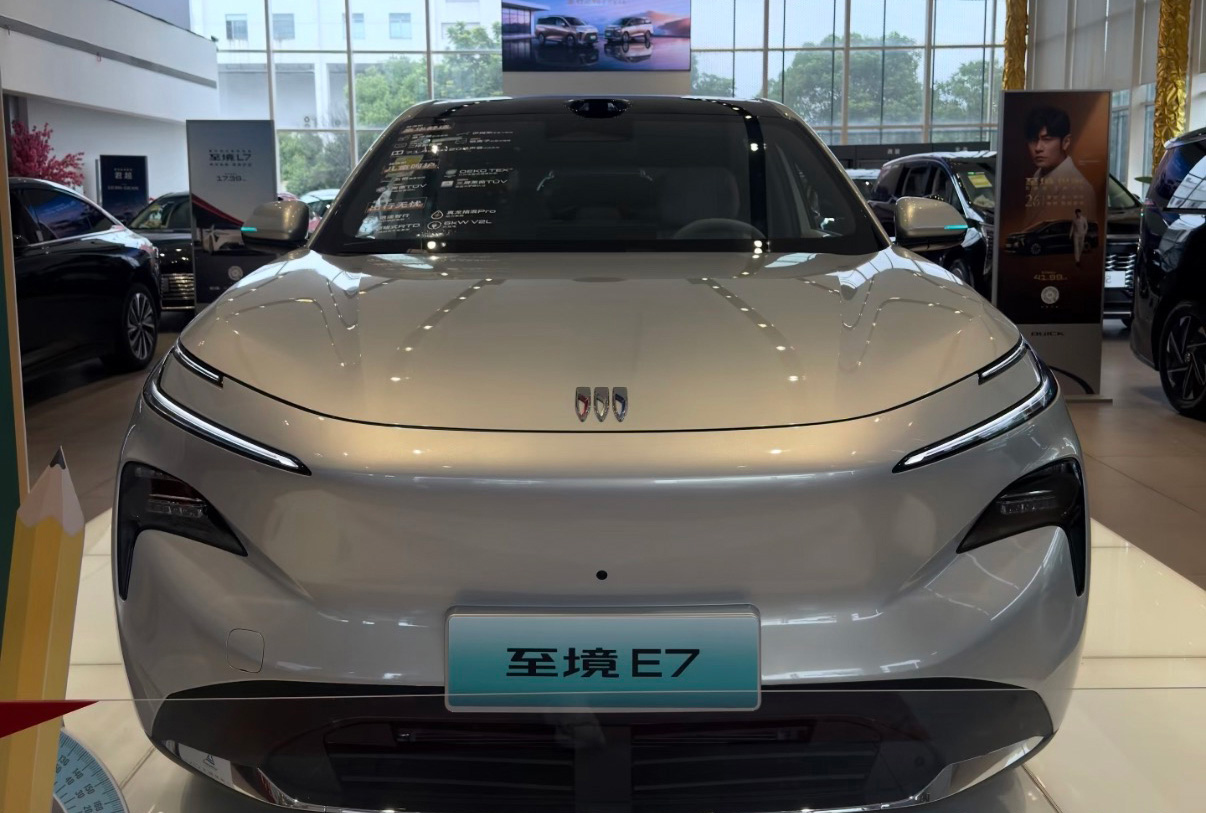
SAIC-GM can help fill that gap. The renewed agreement allows China-developed Buicks and Cadillacs to be exported to selected markets in the Middle East, Africa, South America, Mexico and the Asia-Pacific region. The Buick Electra E7 is expected to lead that expansion, with exports scheduled to begin in October 2026.
Australia and New Zealand are also potential destinations within the broader Asia-Pacific strategy. The United States is conspicuously absent, reflecting steep tariffs, regulatory scrutiny and political resistance to China-built vehicles. The export plan is therefore global, but not universal.
A reversal of the old joint-venture bargain
The commercial logic represents an inversion of the system that built China’s modern car industry. In the first joint-venture era, foreign companies supplied products and technology while Chinese partners supplied market access. SAIC-GM’s next phase offers something closer to the reverse: China-based teams define and engineer vehicles, while GM’s brands and international distribution channels provide access to overseas customers.
For GM, the arrangement creates a lower-cost development and export base without requiring the company to rebuild manufacturing operations in every market it previously left. For SAIC and the venture’s local engineering teams, it provides an international route that does not depend on establishing a new brand, dealer network and after-sales system from scratch.
That is the strategic value of the renewed partnership. SAIC-GM is not simply seeking to recover lost ground in China. It is attempting to turn the capabilities built under intense Chinese competition into products that can support GM in regions where its conventional North America-led portfolio is less effective.
The test will come outside China
The model still carries risks. Vehicles developed at Chinese speed must satisfy different safety rules, software requirements and consumer expectations across multiple markets. Cadillac must preserve a coherent luxury identity even if more of its technology and product definition originates in China. Trade barriers could also spread beyond the United States as governments reassess the role of China-built connected vehicles.
There is also no guarantee that strong products in China will translate into demand elsewhere. GM’s badges provide recognition, but distribution alone cannot overcome weak positioning or a mismatch between local tastes and the vehicle itself.
Even so, the 20-year extension shows that GM sees China as more than a difficult market to defend. It is treating the country as an engineering base, a supply-chain centre and an export platform for the next generation of Buick and Cadillac vehicles.
The first era of SAIC-GM was built around manufacturing global GM cars in China. The second will be judged by whether vehicles defined in China can succeed under GM’s global brands. If the strategy works, it will offer one of the clearest examples yet of how power inside the automotive joint venture is being redistributed.