
Land Rover's reported work on a smaller electric Defender signals a concession to market reality.
A hard-edged icon bends toward electrification
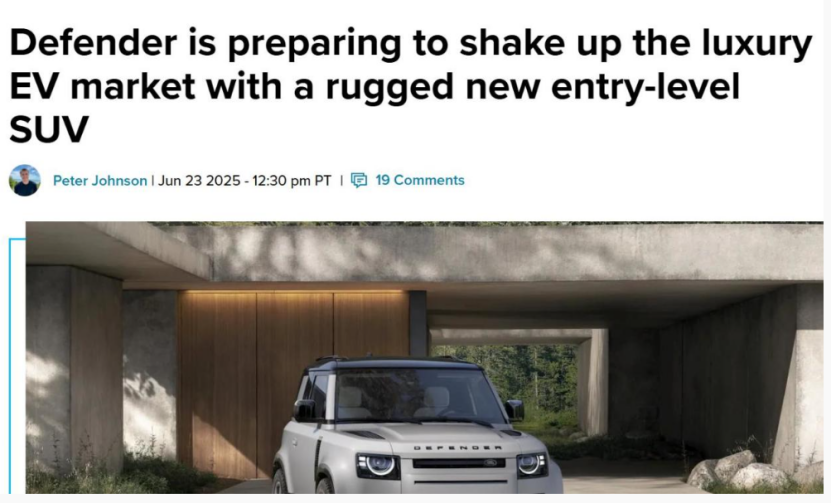
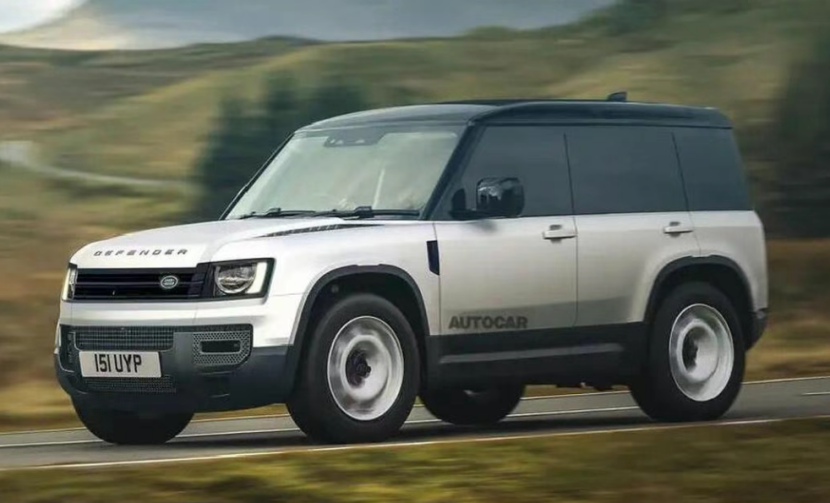
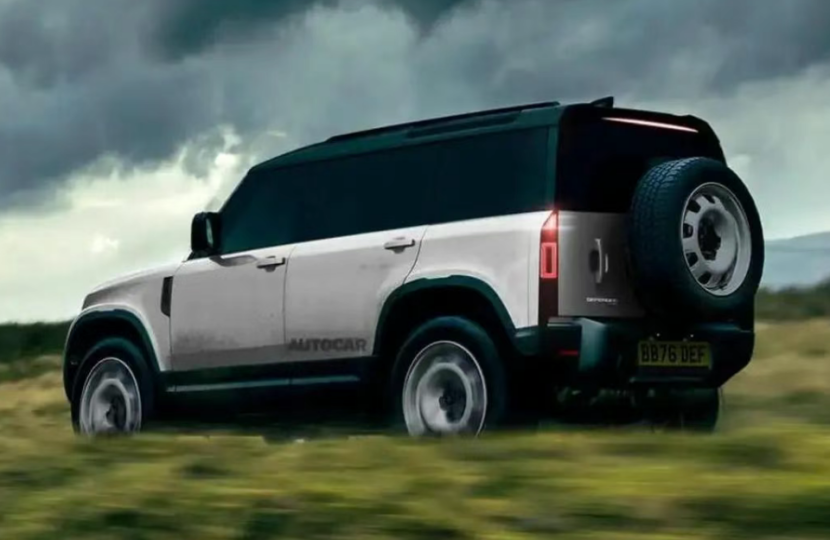
The new model, possibly named Defender Sport, has reportedly been seen in overseas road testing and is expected to give the British luxury off-road brand a lower-priced entry into the electric SUV market.
The article says the model could sit below roughly $42,000, placing it directly in the luxury EV battlefield in China. That is a major shift for a nameplate that has long relied on fuel power, off-road heritage and high pricing to protect its identity.
The question is whether a belated entry-level electric SUV can reverse Defender's weakening position, or whether it will dilute the very image that made the badge valuable.
The shift is driven by sales pressure
Land Rover's China performance has been weakening. In January 2025, brand sales fell to 1,192 vehicles, down 52.8 per cent year on year and far below the broader market trend. First-quarter cumulative sales did not reach 15,000 units and were down 22 per cent.
The contrast with the past is stark. In 2017, Land Rover's annual China sales reached 146,000 units. In less than a decade, the brand has moved from strength to a much more marginal position.
Defender has followed the same direction. China Automobile Dealers Association data from April 2025 showed Defender sales down 31.9 per cent. Monthly sales that were above 1,800 units a year earlier had fallen to just over 1,200 in April, putting the model at risk of sliding below 1,000 units per month.
The reasons are structural. Chinese new-energy SUVs have improved sharply in value, capability and consumer recognition. Trade-in policies have supported new-energy purchases. More domestic brands now offer rugged-looking SUVs with strong equipment and far lower prices. Remaining purely on the petrol track is no longer enough.
Entering the luxury EV game is harder than showing up
Turning toward electrification does not guarantee relevance. The strongest players in premium EVs either moved early or created convincing technology stories. Defender has done neither.
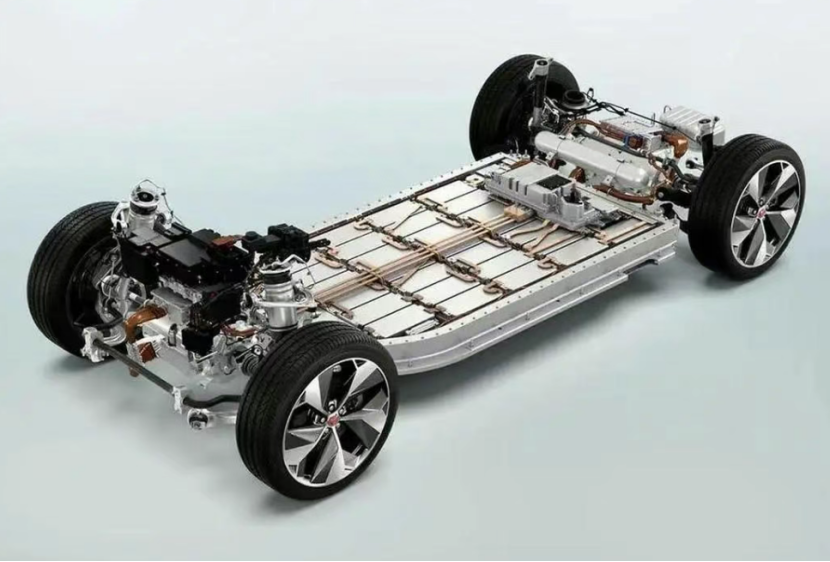
Land Rover's electric record has been thin. The Jaguar I-Pace, cited in the article as an example of the group's earlier EV effort, offered 470km of range and suffered heavy winter range loss in some tests. Battery thermal-management development was described as remote and insufficiently competitive. That history does not give Defender a strong technical foundation in electric luxury.
The company's powertrain thinking has also looked constrained. While many automakers have built wider battery and technology partnerships, Jaguar Land Rover has remained tied to parent Tata's internal battery-cell strategy. The article argues that some lithium-battery solutions under that route have faced safety and thermal-management concerns, limiting confidence.
Rivals have moved faster. BMW tailored battery-cooling systems for the Chinese market and brought battery-electric quality-management standards into its Shenyang plant. Mercedes-Benz EQE has received frequent over-the-air updates in China and supports lane-level recognition through high-definition maps. Domestic premium models have gone further in intelligent driving, cabin technology and electric range.
The new Defender Sport may still arrive behind the curve
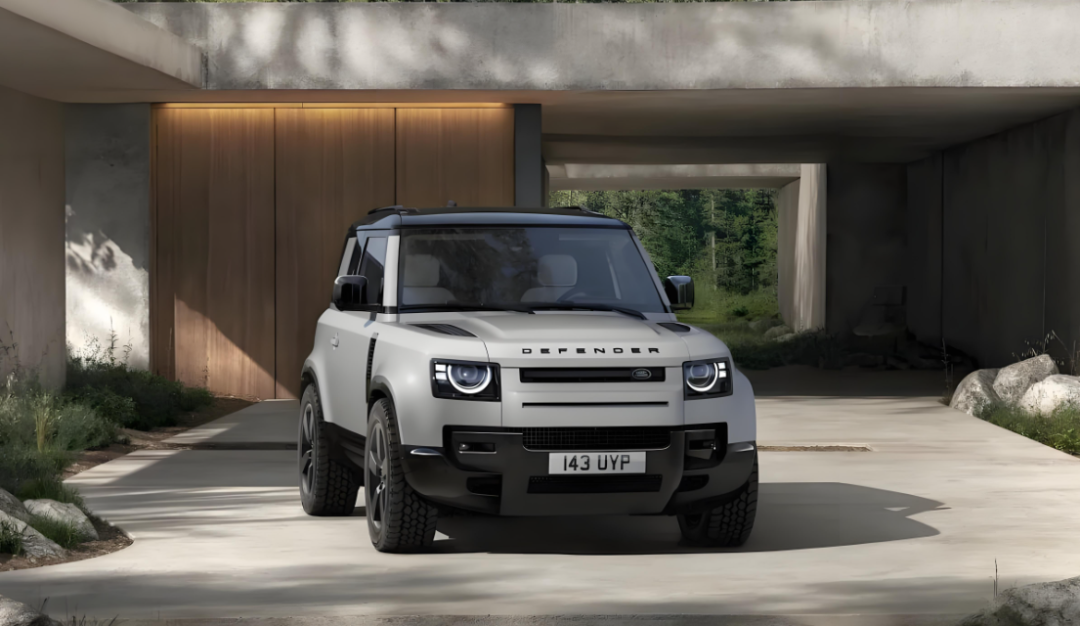
The upcoming electric Defender Sport is expected to use JLR's new EMA electric platform, 800V architecture and 350kW ultra-fast charging, with an 18-minute charge time. The battery pack is expected to come from a new plant in Somerset, and assembly is expected at JLR's Halewood plant near Liverpool. The model may debut in 2026 and go on sale in 2027.
Those specifications would once have sounded advanced. In today's Chinese luxury EV market, pure-electric platforms, 800V systems and fast charging are already becoming standard talking points. By 2027, rivals are likely to have moved further.
That makes the issue less about whether Defender can launch an EV, and more about whether its technology mindset can catch up with the market's pace.
Heritage becomes harder to protect
Defender's value has always included more than utility. Since 1948, it has represented British off-road heritage, adventure and status. Even after Land Rover was acquired by Tata, the Defender retained a relatively pure image in the minds of many buyers.
An entry-level electric SUV changes that equation. A lower price and an electric powertrain could broaden access, but they may also weaken the scarcity and mechanical identity that supported the brand's premium image.
Before electrification, Defender's high price was partly justified by symbolism. Buyers paid for a lifestyle, history and a sense of rugged authenticity. Yet many Chinese domestic SUVs now offer comparable or superior off-road-looking capability, richer cabins and smarter technology at far lower prices. Fangchengbao, for example, competes in the rugged SUV space from around $42,000.
If Defender loses the emotional premium, it must compete on capability. That is a much harder battlefield. Li Auto offers lounge-like family comfort, Aito M9 brings Huawei-backed intelligent driving, and other premium brands are using software, chips, air suspension and adaptive dampers to redefine luxury.
A narrow path back
Defender's problem is not only that it is late to electrification. It is that the brand risks arriving with technology that no longer feels distinctive while lowering the entry point that protected its image.
An entry-level electric SUV could help Land Rover reach new buyers, but it could also amplify old weaknesses if product quality, range, charging, software or reliability disappoint. The brand has little time to change course.
To remain in the luxury EV conversation, Defender needs more than an electric badge and a lower price. It needs a credible technology strategy that preserves its off-road identity while matching the speed of China's premium EV market.