The Land Rover Defender is not being challenged by a single rival. It is being confronted by a change in the market around it.
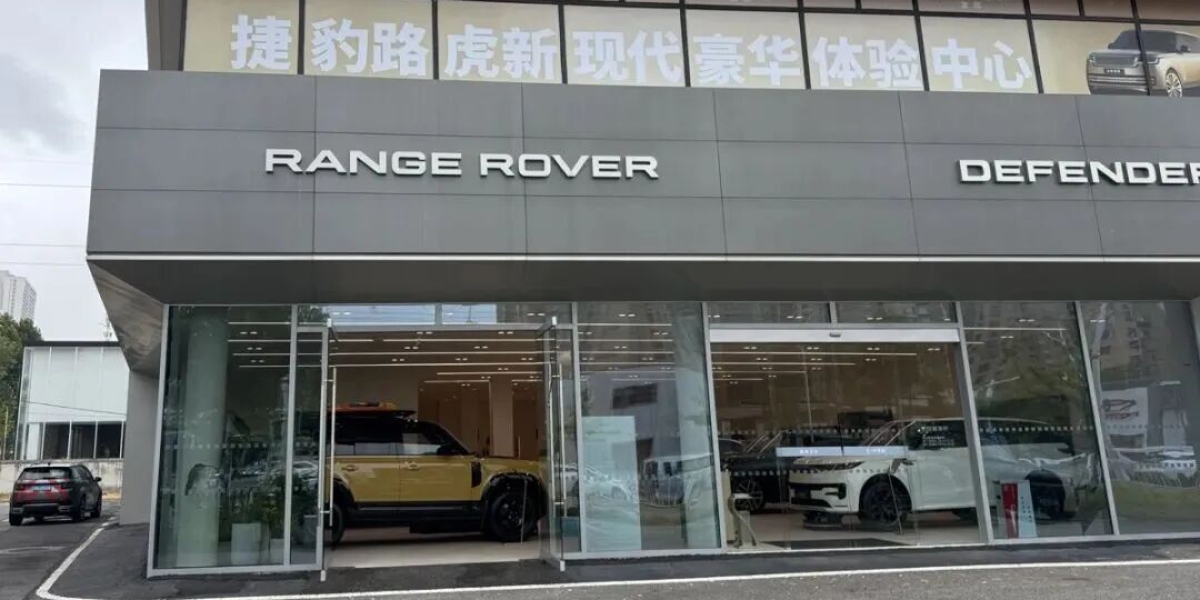
Jaguar Land Rover has introduced its largest official incentive yet for the Defender in China, offering discounts of as much as $24,000 on the 110 range. Under a limited-time campaign announced on August 10 and running through September 30, the Defender 110 HSE has been reduced to about $101,000, with the SE and Dark Edition also receiving lower promotional prices.
The move marks a striking reversal from six years ago. When the latest-generation Defender reached China in 2020, popular high-specification versions routinely changed hands at premiums of more than $14,000, while limited supply forced some buyers to rely on dealer connections to secure a vehicle.
This time, the response has been subdued. Visits by Chinese media to dealerships found little evidence of the rush that might once have followed a major Defender discount. Many prospective buyers remained on the sidelines, wary of further price cuts and increasingly willing to compare the British off-roader with a growing field of Chinese alternatives. One Beijing salesperson said the dealership was recording a book loss of more than $10,000 on every vehicle sold.
Six Years Turn a Scarcity Premium Into an Inventory Problem
The dealership calculation is more complicated than the loss on an individual vehicle. Unsold inventory ties up working capital and can jeopardise volume-linked rebates from the manufacturer, making clearance the less costly option even when the immediate transaction is unprofitable.
That pressure is also visible in Jaguar Land Rover’s financial results. In the 2025-26 financial year, which ended on March 31, 2026, revenue fell 20.9% to £22.9 billion. Pre-tax profit before exceptional items dropped 99.44% to just £14 million, while the company recorded a £244 million net loss after tax, reversing a £1.8 billion profit a year earlier. Global wholesale volume declined 23.2% to 307,900 vehicles.
Jaguar Land Rover remains heavily dependent on its most expensive models. The Range Rover, Range Rover Sport and Defender accounted for 76.5% of global wholesale volume during the financial year, rising to 80.8% in the first quarter of 2026-27. The Defender is therefore more than a niche nameplate: it is one of the pillars supporting the group’s sales mix and margins.
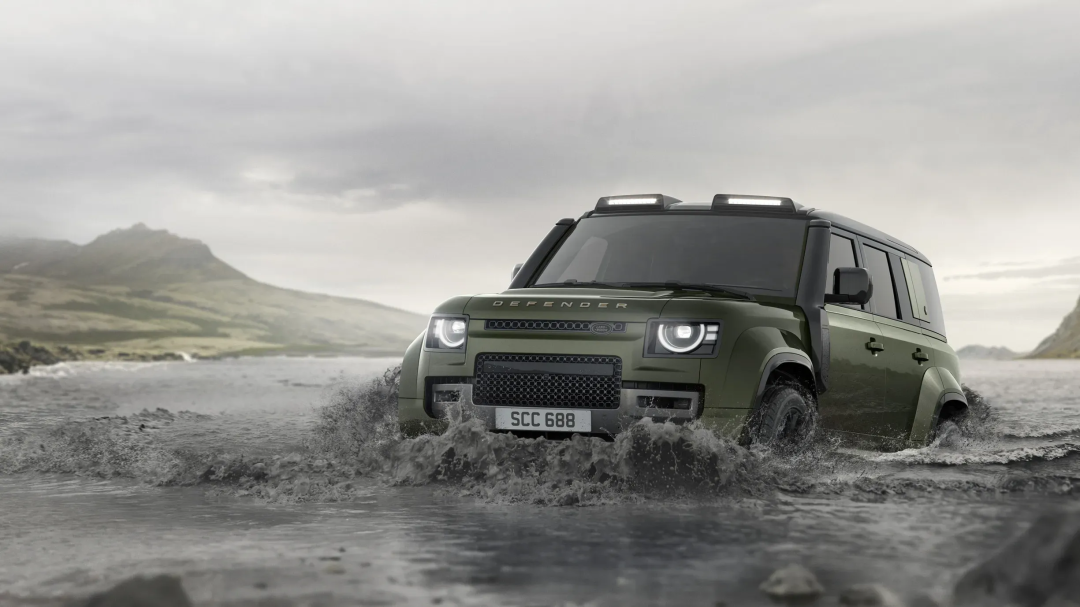
Its performance in China is weakening. Defender retail sales fell by about 40% year on year to roughly 4,485 vehicles in the first half of 2026, including 891 in June. Annual sales had already declined from 18,379 in 2024 to 15,827 in 2025. Compared with a monthly average of almost 1,500 units in 2024, the latest monthly figure has slipped below 900.
The problem extends beyond an ageing product cycle. Jaguar Land Rover’s earnings are concentrated in a small group of premium vehicles just as one of those core models is losing momentum in the world’s most competitive automotive market.
Chinese Brands Redefine the Boxy SUV
The Defender’s decline has coincided with a surge in what Chinese consumers call “boxy” SUVs: upright, rugged-looking vehicles that borrow the visual language of traditional off-roaders but often combine it with electrified powertrains and family-focused technology.
Industry estimates based on China Passenger Car Association retail data show that 42 such models were on sale during the first half of 2026, generating combined sales of 447,600 vehicles. That market was almost 100 times the size of the Defender’s Chinese volume over the same period. Some forecasters expect annual sales in the category to exceed 1.5 million in 2026, compared with just 168,400 a decade ago.
Chinese manufacturers are driving much of that expansion. Fangchengbao’s Tai 7 recorded more than 100,000 retail sales in the first half and ranked third among off-road-style vehicles. Great Wall Motor sold 54,426 Haval Big Dog SUVs and 44,345 Tank 300s, with the latter retaining a substantial customer base despite an influx of newer competitors.
The advantage lies less in inventing a new silhouette than in changing what buyers expect to receive inside it. Traditional off-road vehicles have long treated compromised ride comfort and higher running costs as the price of extreme capability. The Jeep Wrangler, Mercedes-Benz G-Class and Land Rover Defender all draw on a narrative in which mechanical authenticity is central to the product’s appeal.
That formula preserved scarcity and brand prestige, but it also imposed compromises on buyers who spend most of their time on paved roads. Chinese brands have kept the upright styling and a useful degree of all-terrain ability while adding connected cabins, advanced driver assistance, lower energy consumption and prices frequently less than half that of a Defender.
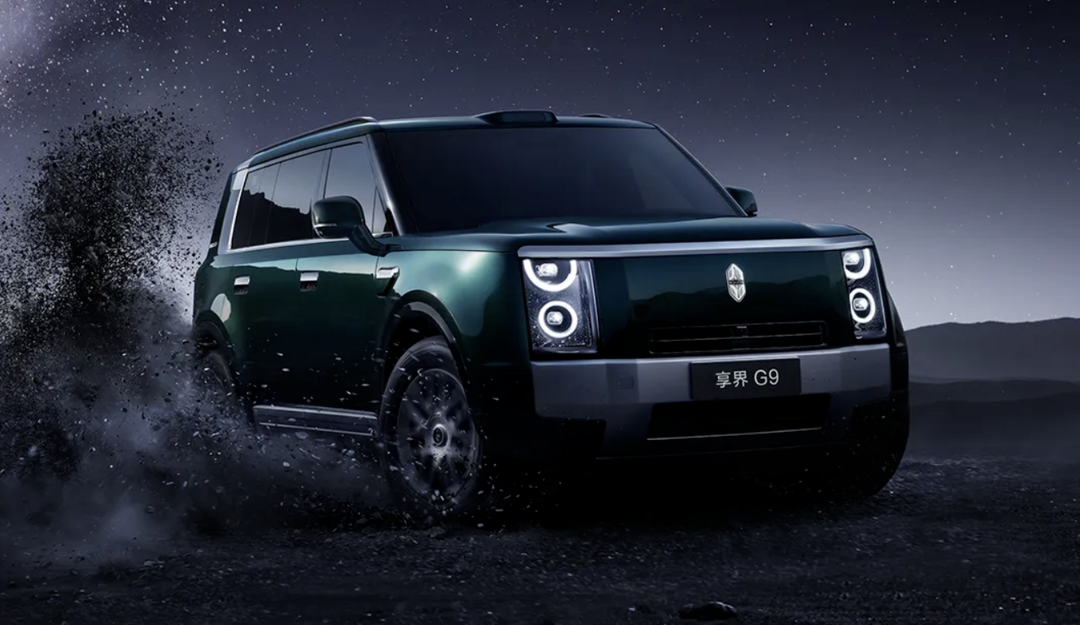
The Stelato G9 illustrates the shift. The model opened for pre-orders on August 5, 2026, from about $61,000, around $28,000 below the Defender 110 SE’s promotional price of roughly $90,000. The G9 comes with Huawei’s Qiankun ADS 5 advanced driving system across the range, while the Defender offers a more conventional Level 2 driver-assistance package.
The extended-range version of the G9 claims a combined driving range of more than 1,300 kilometres, compared with roughly 700 to 800 kilometres from a full tank in a petrol-powered Defender. Its dual motors produce a combined 437kW and accelerate the vehicle from zero to 100km/h in about four seconds. The Defender P400 produces 294kW and completes the same sprint in 6.1 seconds.
A white paper published by the China Automotive Information Technology institute, Tsinghua University and Jetour described the country’s off-road market as moving from a specialist niche into the mass market. Widely cited industry research suggests that more than 73% of hard-core off-road vehicle owners drive fewer than 500 kilometres off road each year. Data from a Chinese off-road association also indicate that 64.8% take such trips no more than twice a month.
For many buyers, the boxy SUV is therefore less a tool for rock crawling or river crossings than an expression of identity. In dense urban settings, it offers the promise of escape and outdoor freedom, much as technical outdoor clothing can appeal to consumers who rarely climb a mountain. The emotional value remains, but it no longer has to be tied to the compromises of a traditional off-roader.
What the Limited-Time Price Really Signals
The official discount is more complex than it first appears. Dealers say substantial incentives were already available before Jaguar Land Rover announced the campaign. One retailer in Beijing’s Chaoyang district said the Defender 110 HSE discount reached about $24,000 from August 10 and could approach $28,000 when local subsidies and trade-in support were included.
The national campaign has effectively brought previously fragmented dealer incentives into the open. The HSE’s promotional price of about $101,000 can also be read as an attempt to reset the pricing structure and reduce the wide variation between dealer quotations in different regions.
Yet lower prices have not produced a decisive recovery. Dealership traffic has increased, but potential buyers remain concerned that prices may fall again. They are also comparing the Defender against Chinese plug-in hybrid and range-extended SUVs that offer similar visual presence with more cabin technology and lower running costs.
The broader market is splitting sharply along powertrain lines. CPCA retail data show that China sold 240,000 new-energy vehicles priced above about $56,000 in the first half of 2026, an increase of 46% from a year earlier. Sales of petrol vehicles in the same price band fell 27% to 190,000. The two segments are rapidly converging.
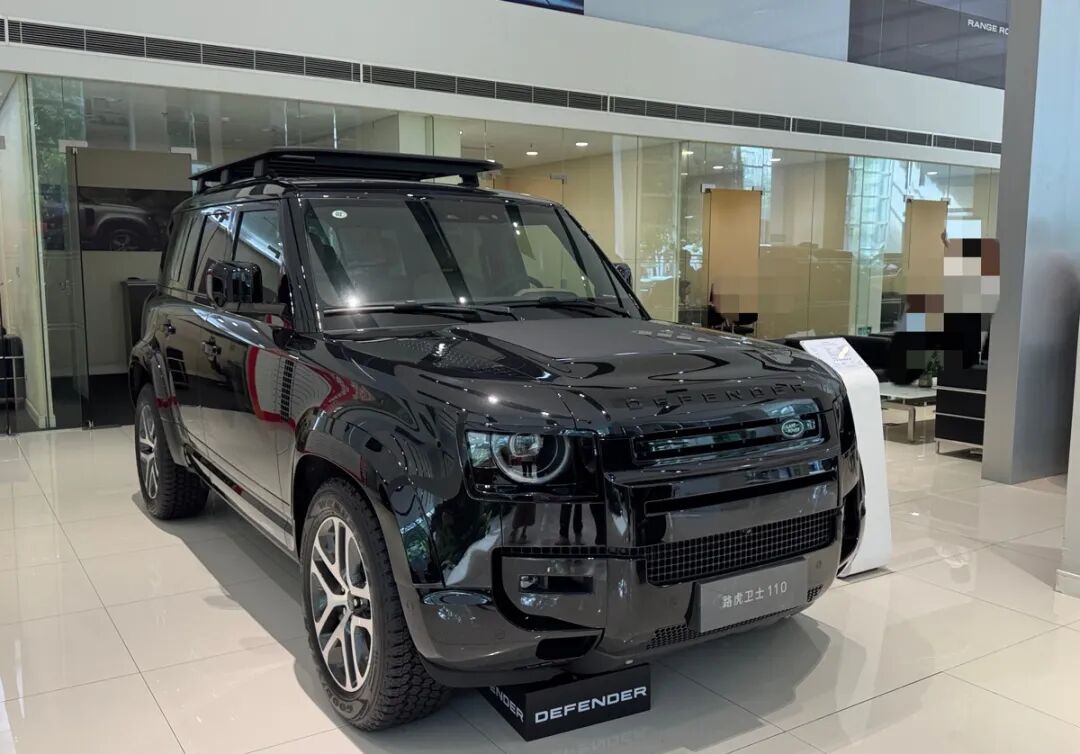
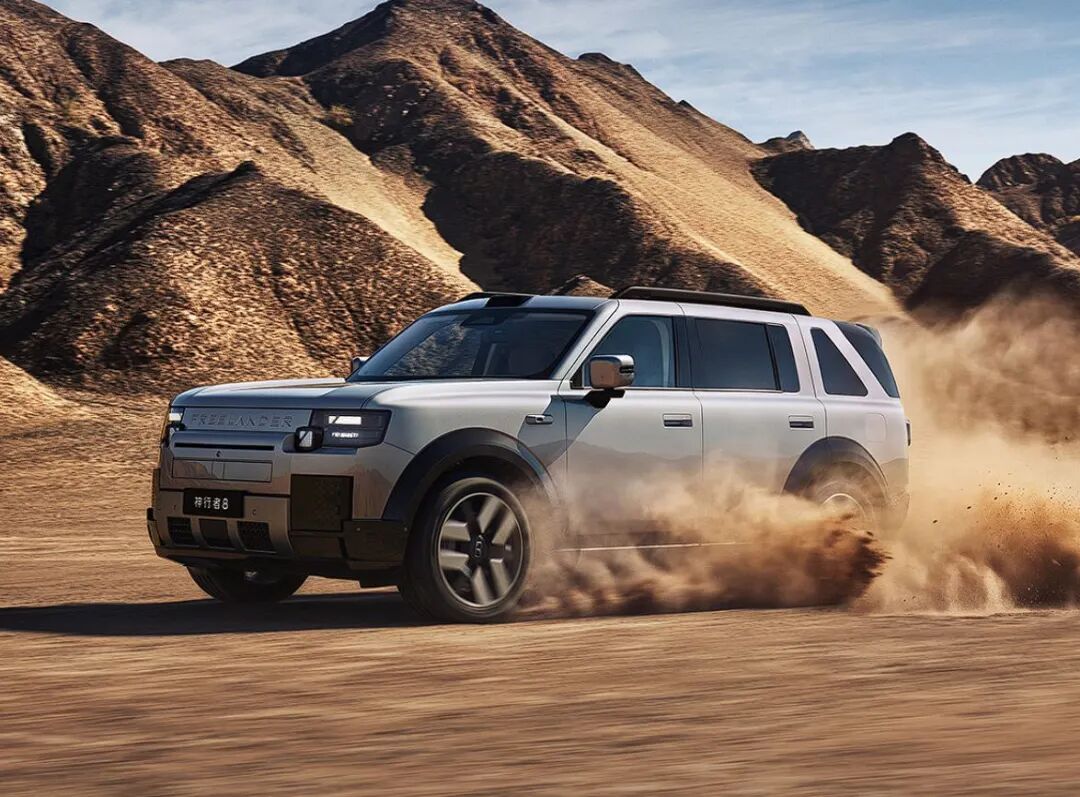
Jaguar Land Rover is responding. On August 14, the newly independent Freelander brand opened pre-orders for its first model, the Freelander 8, from about $47,000. The boxy SUV uses Huawei’s Qiankun ADS 5 system and costs less than half the Defender’s regular list price. It signals that Jaguar Land Rover’s design heritage and all-terrain engineering are being repackaged through a new brand to reach a broader group of Chinese consumers.
The Freelander 8 and Defender occupy different positions and carry different brand identities. The deeper question for the Defender is whether its pace of development in electrification and in-car technology can match the speed of change in China.
From Mechanical Prestige to Experience Premium
The Defender discount looks like a sales promotion, but it also marks a transition between two eras of premium vehicle consumption.
In the first, pricing power was built on mechanical character, off-road capability, imported status and the prestige of the badge. In the second, consumers increasingly assign value to the total experience: software, driver assistance, cabin intelligence, energy efficiency and the amount of capability delivered for the price.
In six years, the Defender has travelled from dealer mark-ups and waiting lists to inventory pressure and official incentives. Its ability to recover in China will depend on how convincingly Land Rover can defend a price that may be twice that of domestic rivals offering stronger digital features, lower operating costs and much of the same rugged visual appeal.