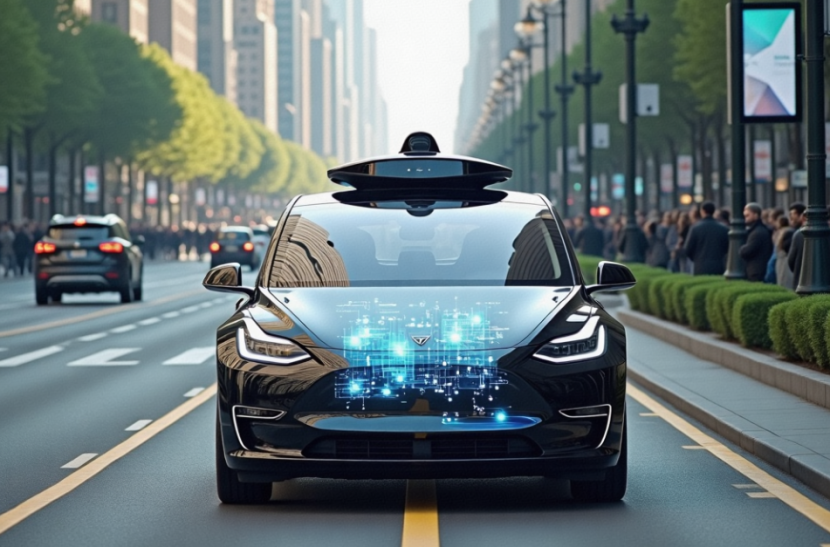
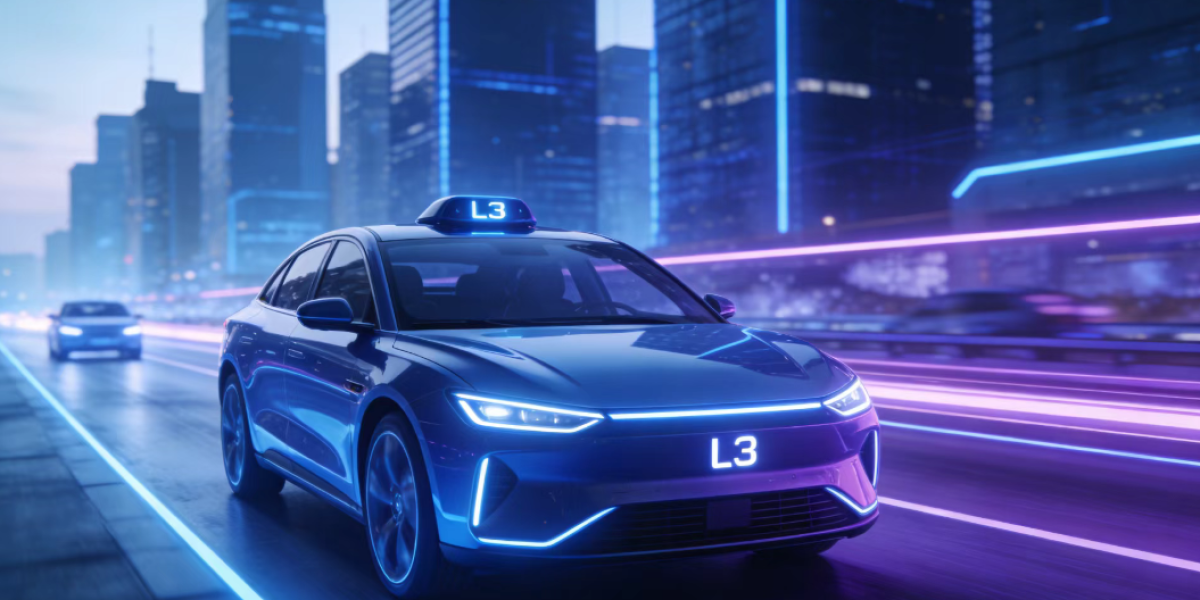
Mapless assisted driving has become one of the most repeated phrases in China's auto industry.
A Technology Moves From Concept to Production
Recent announcements that the technology is entering mass-market vehicles have led some to ask whether the Level 3 automated-driving era has arrived.
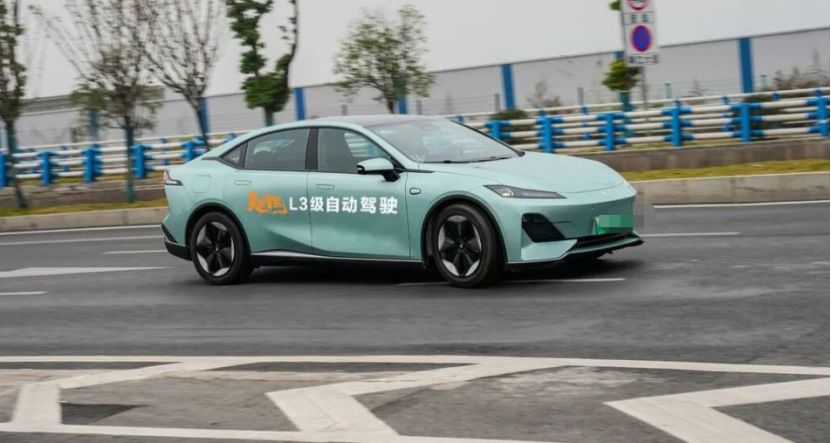
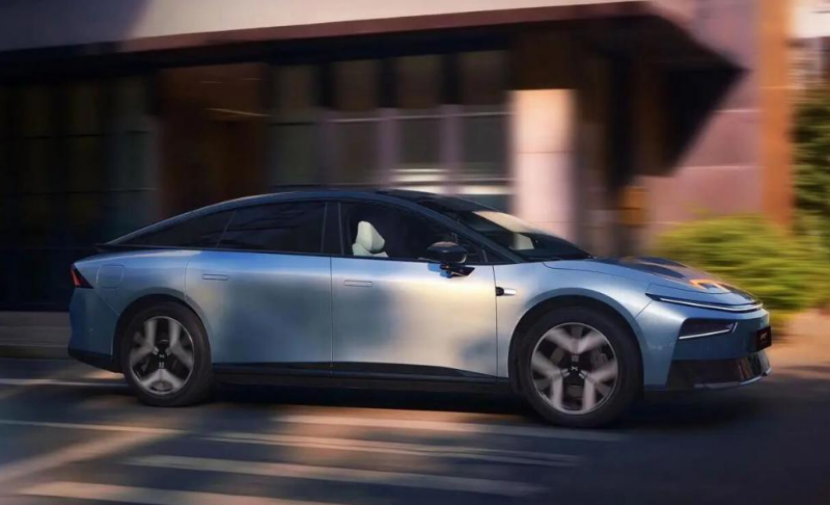
The question is understandable. Changan Deepal's SL03 and BAIC Arcfox Alpha S series have received approval to conduct road-access pilots on designated roads in Beijing and Chongqing. Voyah's Taishan, scheduled for delivery in March, is expected to receive Huawei Qiankun ADS 4.1 after delivery, including full-scenario mapless capability. Xpeng's XNGP 5.0 mapless functions have moved down into models around the $21,000 level.
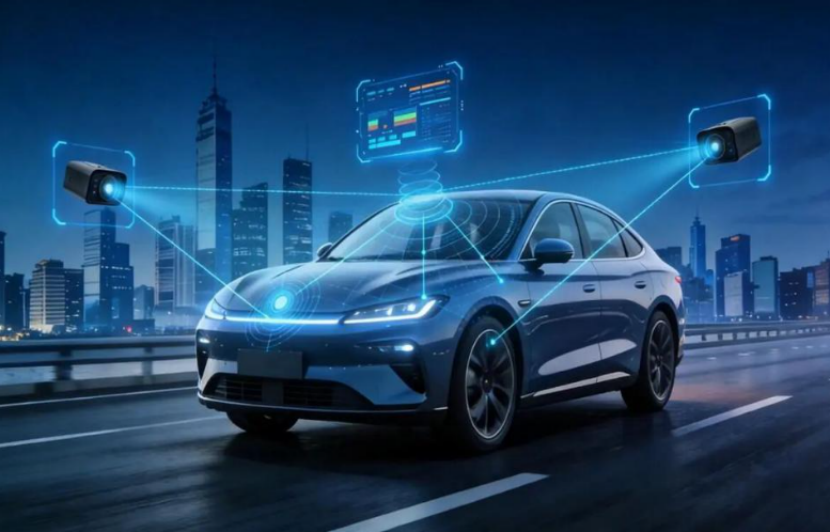
BYD, Changan and other carmakers are also making mapless driving a core selling point. GAC plans to mass-produce vehicles in 2026 with CARCIA, a pure-vision mapless driving system designed to eliminate dependence on both high-definition maps and lidar.
A technology once seen as distant is now appearing in ordinary vehicles. That makes the next question unavoidable: is Level 3 really close?
A Change in the Industry's Base Logic
Mapless driving is often described simply as automated driving without high-definition maps. That is true, but incomplete. Its deeper significance is that it changes the base logic of automated driving.
In the earlier model, advanced driving systems depended heavily on high-definition maps. That looked safe on paper, but it had obvious limits. National map coverage is expensive to build and maintain, and map updates can lag behind road changes. If construction, lane changes or temporary barriers are not reflected in time, the system can become blind to reality.
Mapless systems loosen that constraint. Cameras, lidar, millimetre-wave radar and other sensors collect real-time information, while end-to-end AI models generate driving decisions directly. Instead of following a prewritten map script, the vehicle reads the road as it moves.
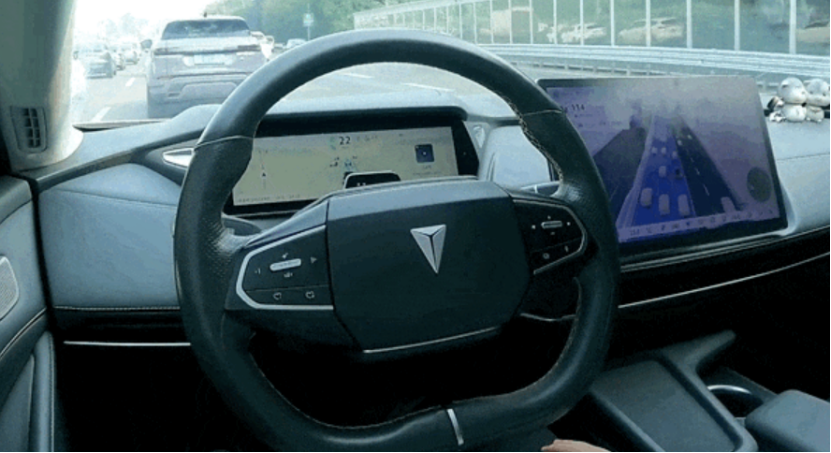
The key technical supports are bird's-eye-view perception and Transformer-based large models. They bring static road information and dynamic road participants into one coordinate system, creating a live map in real time. That changes the competitive centre of gravity.
Previously, carmakers competed over who could access broader high-definition map licences. Now the competition shifts toward smarter algorithms, richer data and stronger full-stack integration. Chip design, algorithms and sensors become core industry resources.
High-definition maps will not disappear immediately. Yet mapless driving reduces their power and gives an advantage to companies that can develop chips, algorithms and systems in-house. Companies that only assemble purchased components may fall behind.
Mapless driving also changes cost logic. Advanced assisted driving that once belonged to high-priced vehicles can move into lower price bands. As it becomes more accessible, intelligent driving shifts from spectacle to utility.
The Hidden Risks
Mapless driving is a major breakthrough, but it does not mean absolute freedom or complete safety. It should not be treated as proof that Level 3 has fully arrived.
Many carmakers say their systems can handle most daily scenarios. The real danger lies in rare and messy cases: heavy rain that obscures lane markings, pedestrians suddenly entering intersections, temporary construction barriers or unusual traffic behaviour. Until long-tail scenario data and system response improve further, mapless driving cannot be considered fail-safe.
Marketing creates another concern. Some companies still blur the difference between driver assistance and automated driving. Systems may push complex decisions back to the driver with extremely short takeover windows, shifting responsibility without giving the human enough time to respond.
Regulation and support systems are also behind the technology. Level 3's core feature is responsibility transfer. In a defined scenario, the system drives and the driver no longer monitors continuously. If an accident occurs, responsibility must be divided among driver, automaker, algorithm supplier and sensor supplier.
China has not yet introduced a dedicated legal framework specifically for Level 3 and mapless driving. After an accident, consumers may face difficult disputes, while carmakers face legal uncertainty. Insurance products have not fully caught up either.
Data security is another issue. Mapless driving depends on real-time collection of large amounts of road and environmental data. Excessive collection, poor storage or unencrypted transmission could create major risks.
The current enthusiasm may also bring weaker entrants into the market. Strong competition among capable companies can improve the technology. A rush by poorly prepared companies can create safety gaps, inflated claims and consumer confusion.
How Far Is Level 3?
Mapless driving has solved one of Level 3's most important bottlenecks: dependence on high-definition maps. The remaining work lies in reliability, law, infrastructure, insurance and user education.
Competition in 2026 is likely to become more practical. Instead of adding headline parameters, stronger companies will focus on long-tail scenarios and reliability. That also includes better takeover logic, such as giving drivers longer and clearer takeover time when the system reaches its limits.
Regulation is moving as well. Based on the pilot work advanced by four ministries, China is likely to introduce more specific rules for Level 3 automated driving and mapless systems over the next one to two years. Those rules should define responsibility among drivers, automakers and technology suppliers more clearly.
Insurance products designed for mapless driving are also likely to follow, reducing consumer cost and legal uncertainty for companies.
Under SAE definitions, Level 3 is conditional automation. In a defined operational design domain, such as highways or congestion, the system can take over dynamic driving tasks. The driver may take hands and eyes off the task, but must respond within a required time when the system issues a takeover request. In China, that response window is often discussed around 10 seconds.
Mapless driving is therefore a signal before the Level 3 era, not the era itself. If carmakers maintain technical discipline, if competitive order improves, and if law and insurance systems catch up, Level 3 is not far away.
The technology should not be worshipped or dismissed. It is a necessary step, and like every serious automotive technology, it needs time, testing and accountability before it can become normal public infrastructure.