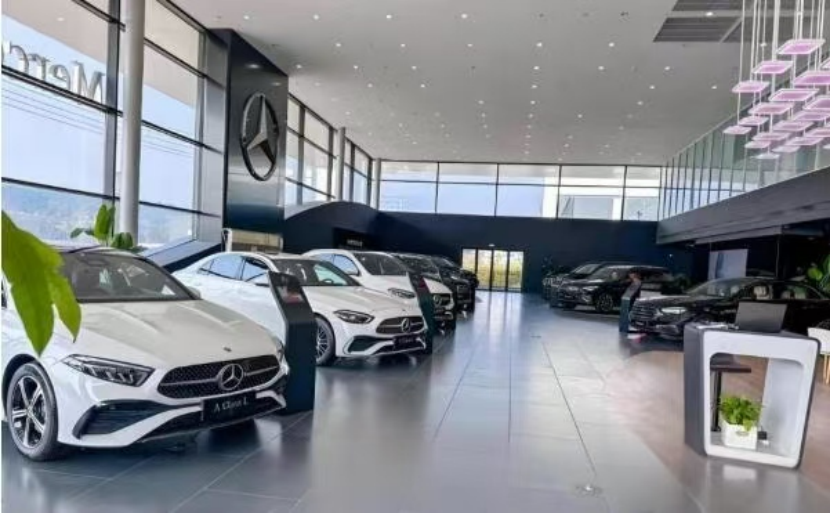
Mercedes-Benz entered 2026 expecting to mark 40 years in China. Instead, it is facing one of the sharpest dealer conflicts in the country's luxury-car market.
A 40-Year Milestone Overshadowed by Channel Conflict
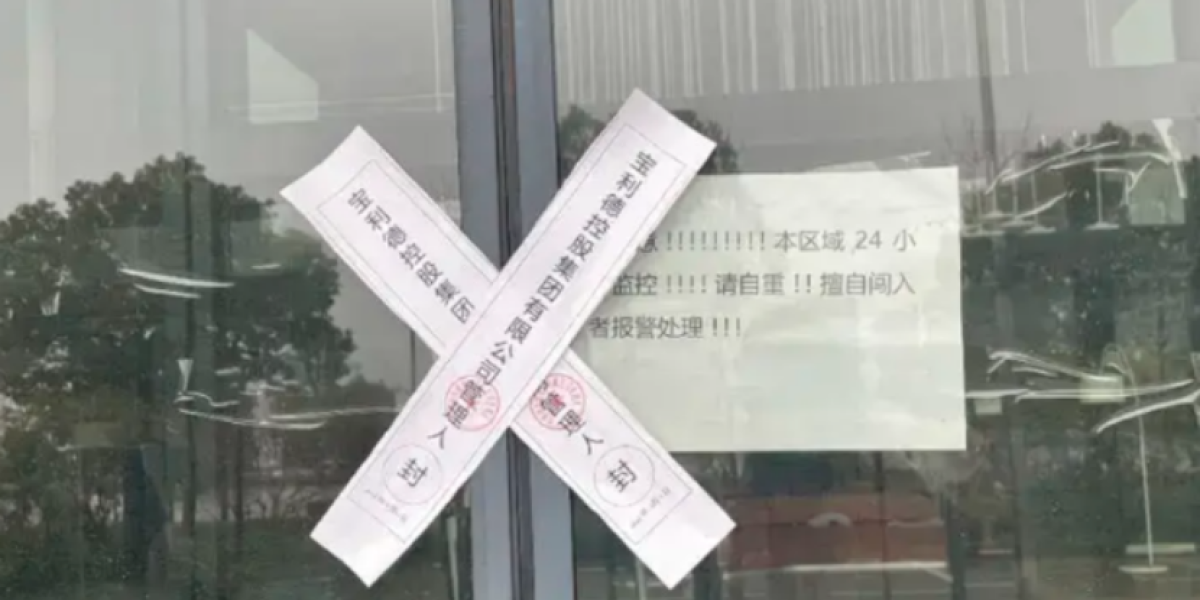
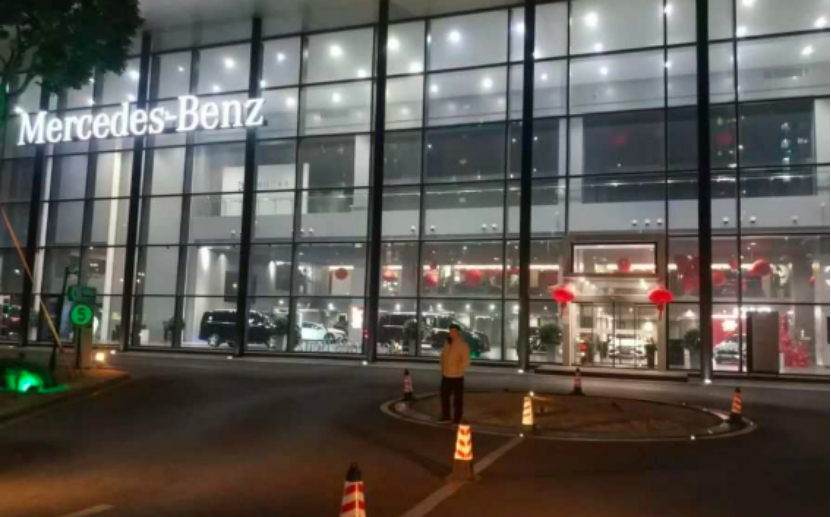
Stores in top-tier cities have closed abruptly. Dealers in smaller cities have protested. Networks are dense enough to force internal price competition, and some dealers say they receive no compensation when exiting the network. Even mediation by the China Automobile Dealers Chamber of Commerce has not resolved the dispute.
The crisis has exposed a difficult question for a century-old luxury brand: how did a company with deep experience in channel management end up at odds with the retail partners that helped build its China business?
From Rapid Expansion to Overcrowding
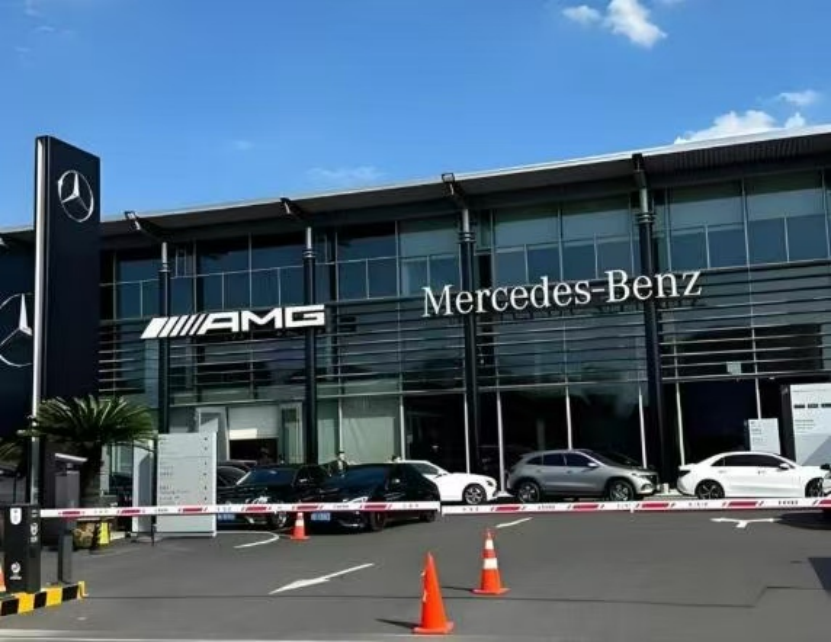
The roots of the problem reach back to Mercedes' aggressive expansion more than a decade ago. In 2012, Mercedes was still chasing BMW and Audi in China and moved to expand its network quickly. Data cited in the original report show that Mercedes had fewer than 50 dealers in China in 2012. By 2024, the number had risen to more than 700, a fourteenfold increase over 13 years, with an average of four new stores added each month.
That expansion made sense during the luxury boom. From 2012 to 2020, China's luxury-car market grew at a compound annual rate of more than 10%, and Mercedes' China sales rose from 196,000 units in 2012 to a later peak. At the time, owning a Mercedes 4S store was often seen as a highly profitable business.
The difficulty came when sales stopped supporting the network. By 2023, China's luxury-car market had entered a slower, more competitive phase. Mercedes' China sales fell 7% in 2024 and then dropped 19% in 2025 to 575,000 units, its weakest performance in nearly a decade.
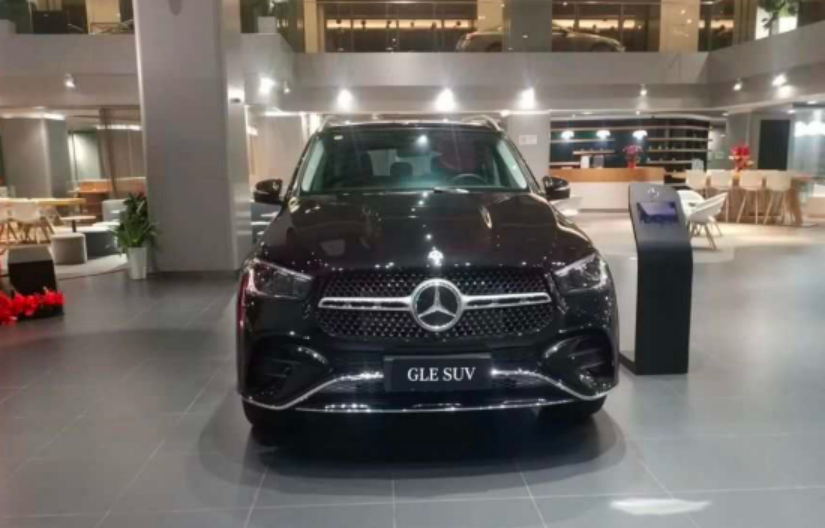
With too many stores chasing fewer buyers, dealers turned to discounting. Dealers say terminal discounts on core models such as the C-Class and GLC have commonly exceeded about $14,000, with some models discounted by as much as $19,000, close to 20% off. Some vehicles have reportedly sold below acquisition cost.
Dealers depend on manufacturer rebates to survive, but rebate settlement can take three to six months, adding pressure to already strained cash flow. Network layout has also become a problem. In some large cities, three Mercedes stores may compete within a five-kilometre radius. In lower-tier cities, stores are fewer but demand is too thin to support profitability.
Strict performance assessments add to the squeeze. Dealers that miss targets for sales or aftersales satisfaction can lose vehicle allocation or authorisation. That leaves them pushing inventory and expansion even when the economics no longer work.
Exiting Without Compensation
For dealers at the edge, leaving the network has not been easy. Some choose to withdraw; others are removed after Mercedes cancels authorisation. Either way, dealers say earlier investments can be lost.
Mercedes reportedly planned in 2025 to cut more than 100 dealers as part of a channel slimming effort, but did not introduce a compensation policy or provide broad help with inventory and aftersales obligations. That stance placed the brand directly against many of its retailers.
The issue is larger than individual store closures. Dealers are the offline reach of the brand. They advance capital, serve customers and expand local markets. If the cost of channel restructuring is pushed entirely onto them, trust across the network weakens.
The consequences can reach customers. In 2025, several Mercedes 4S stores under Baolide Group lost authorisation in cities including Shanghai, Hangzhou and Changxing. After store closures, some owners who had purchased maintenance packages struggled to redeem them, with dealers and the brand pointing to each other. Such disputes damage market credibility and can feed back into sales.
Mediation Has Not Solved the Core Problem
Dealers turned to the China Automobile Dealers Chamber of Commerce for help, hoping to preserve some face for both sides. The chamber has intervened several times, but the relationship has not materially improved.
Mercedes' problem now extends beyond the channel itself. Like other traditional luxury brands, it faces strategic, product and retail pressure in the new-energy era. In response to dealer concerns, the company has cut official prices on the C-Class, GLB and GLC. Yet if suggested prices fall and terminal discounts shrink at the same time, consumers may see limited benefit while dealer margins remain thin.
Dealer demands around exit compensation, assessment changes and inventory relief remain the more difficult issues.
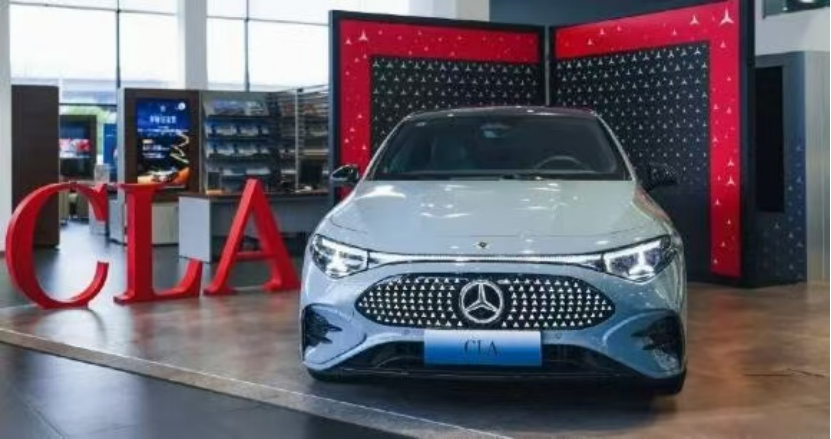
Mercedes' reluctance has several explanations. First, the brand has long held a strong position in dealer relationships and may be slow to accept a more equal, co-dependent model. Second, its product transition remains under pressure. China's premium market has shifted toward new-energy vehicles, smart cabins and local digital services, while Mercedes still relies heavily on petrol models. Its EQ electric models have struggled on range, intelligence and market recognition. In 2023, EQ-series sales were only a little above 20,000 units, less than some domestic start-ups sell in a single quarter.
The third reason is cost. Exit compensation and inventory support would add expenses and reduce profit. Mercedes-Benz Group's public financial reports showed passenger-car EBIT down 57.9% year on year in 2025, with revenue also falling sharply. In that environment, management may prioritise protecting margins over absorbing channel pain.
A Warning for Legacy Luxury Brands
The problem is that carmakers and dealers remain tied together. A manufacturer that protects its own profit while leaving dealers to absorb the losses risks damaging both sides. Dealers without cash cannot sustain service quality, customer retention or local brand reputation.
For Mercedes, 2026 could still be a milestone year in China, but the channel dispute shows how much has changed. The expansion model that worked during the growth era is now a liability. A one-sided manufacturer-dealer relationship looks outdated. Petrol-era product logic no longer fully meets Chinese consumer expectations.
Mercedes still has engineering depth and brand power. Yet in China, errors compound quickly. If the company does not repair dealer trust, understand local user needs more deeply and accelerate its new-energy transition, even a century of prestige will struggle against the speed of the market.