
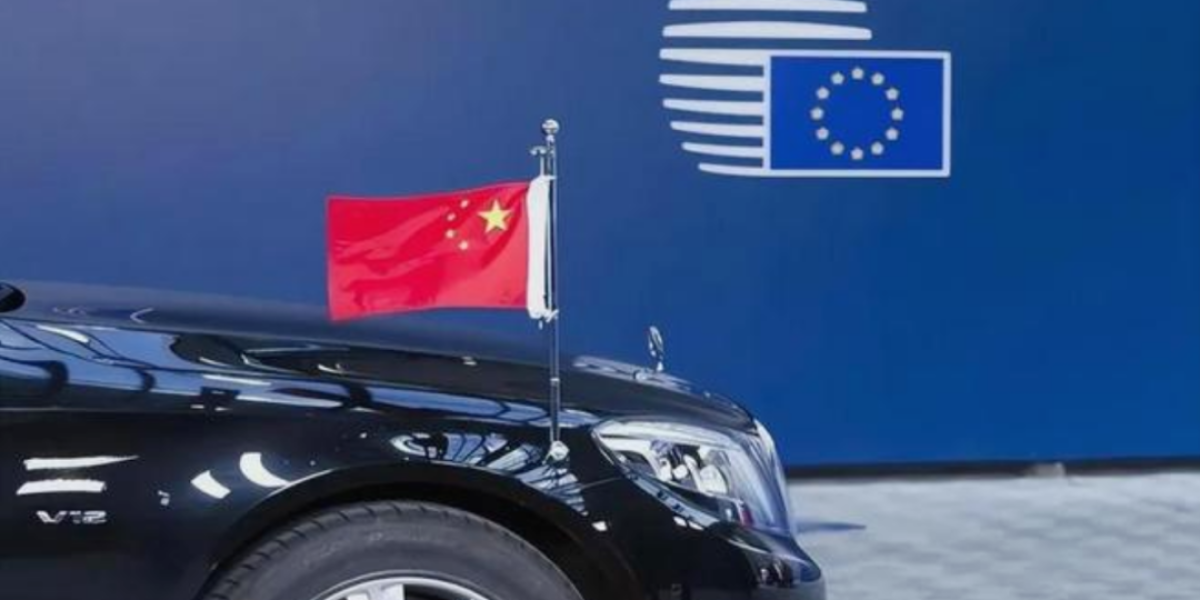
Europe has rapidly become the newest battleground for Chinese carmakers seeking growth overseas. As competition intensifies, the continent’s demanding regulatory standards and mature automotive ecosystem have turned it into a key testing ground for Chinese brands looking to move upmarket and expand globally.
Yet while all major players are heading in the same direction, their approaches could hardly be more different.

Dongfeng’s “Borrowed Boat” Strategy
On 20 May, Dongfeng Motor announced that it had signed a non-binding memorandum of understanding with Stellantis to establish a joint venture in Europe. Stellantis would hold a 51% stake, while Dongfeng would own the remaining 49%.
The partnership goes beyond simple contract manufacturing. Instead, it represents an attempt by a Chinese automaker to use an established European industrial network as a shortcut into the market.
Under the proposed arrangement, the joint venture would oversee sales, distribution, manufacturing, procurement and engineering operations for Dongfeng’s electric vehicles in selected European markets. Stellantis’ dealership network would also handle after-sales services, while Dongfeng-branded EVs are expected to be produced at Stellantis’ Rennes plant in France.
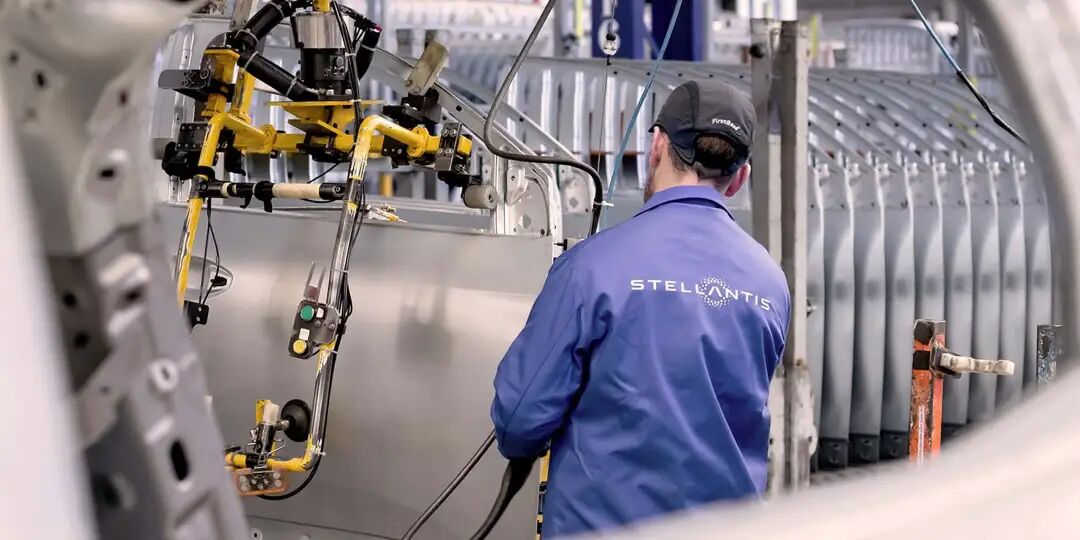
For Stellantis, the deal offers a potential solution to a growing overcapacity problem. The group has struggled with its transition to electrification, leaving a number of factories underutilised. The Rennes facility once had annual capacity of 400,000 vehicles, but output has fallen sharply in recent years.
Rather than shutting factories at significant cost, Stellantis appears willing to exchange manufacturing resources for access to Chinese EV technology.
Dongfeng, meanwhile, gains an accelerated route into a market where it currently has little presence. According to Dataforce, the company sold only 3,210 Dongfeng and Voyah-branded vehicles in Europe in 2025.
Building a dealership network from scratch in Europe could cost billions of euros and take years to establish. Leveraging Stellantis’ infrastructure allows Dongfeng to enter the market more quickly and with lower upfront investment.
But the arrangement also comes with risks. With Stellantis controlling the majority stake and dominating distribution channels, analysts warn Dongfeng could ultimately become little more than a manufacturing partner without meaningful brand power in Europe.
BYD and Geely Choose to Build Their Own Ships
BYD and Geely have opted for a very different strategy. Rather than relying on partnerships, both companies are pursuing deeper localisation through direct investment, acquisitions and independent operations.
BYD has enjoyed explosive growth in Europe in 2025. According to the European Automobile Manufacturers’ Association, the company registered 187,657 vehicles across Europe, up 268.6% year-on-year. Its market share in the European Union climbed from 0.4% in 2024 to 1.2% within a single year.
The company is effectively pursuing a two-track strategy.
First, it is building its own manufacturing footprint. BYD has invested roughly €4 billion in a passenger vehicle plant in Szeged, Hungary, which is expected to eventually reach annual production capacity of 300,000 units. Trial production has already begun, with mass production scheduled for the second quarter of 2026.
At the same time, the company is accelerating construction of another factory in Türkiye, where labour costs are lower and export conditions into Europe are considered more favourable.
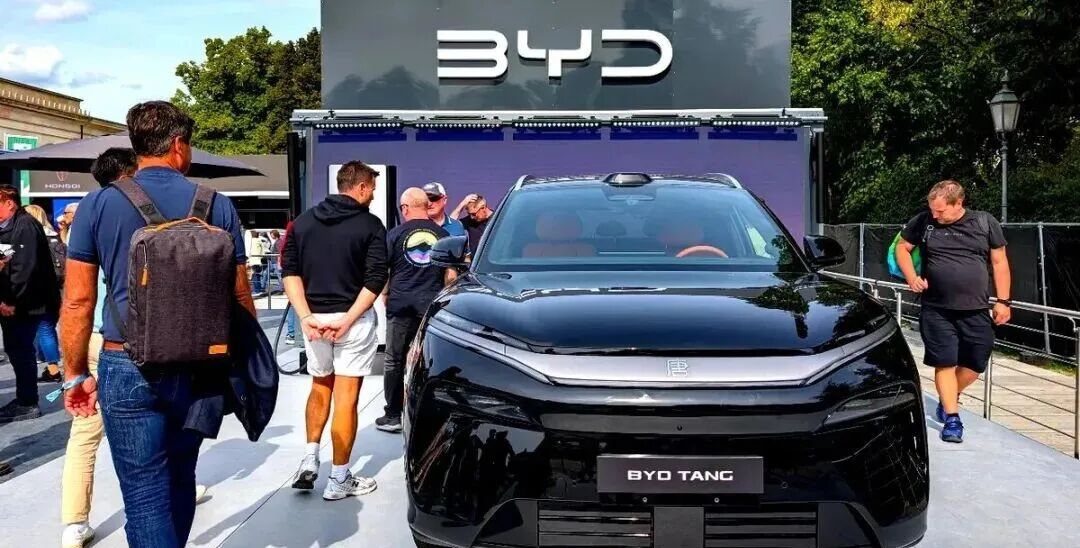
Second, BYD is actively exploring the acquisition of idle European factories. Executives have publicly stated that the company prefers independent factory operations while remaining open to taking over unused facilities from European manufacturers.
Meanwhile, BYD plans to expand its European dealership network from around 1,000 outlets to 2,000, covering roughly 90% of the European market.
Geely’s European strategy has been more gradual and acquisition-driven. The company first entered the global spotlight in 2010 with its $1.8 billion acquisition of Volvo Cars. It later acquired stakes in Lotus and Mercedes-Benz owner Daimler while expanding its global portfolio.
Reports suggest Geely has now reached an agreement with Ford to acquire part of the Valencia plant in Spain, including the “Body 3” production line, which will manufacture vehicles based on Geely’s global new-energy architecture.
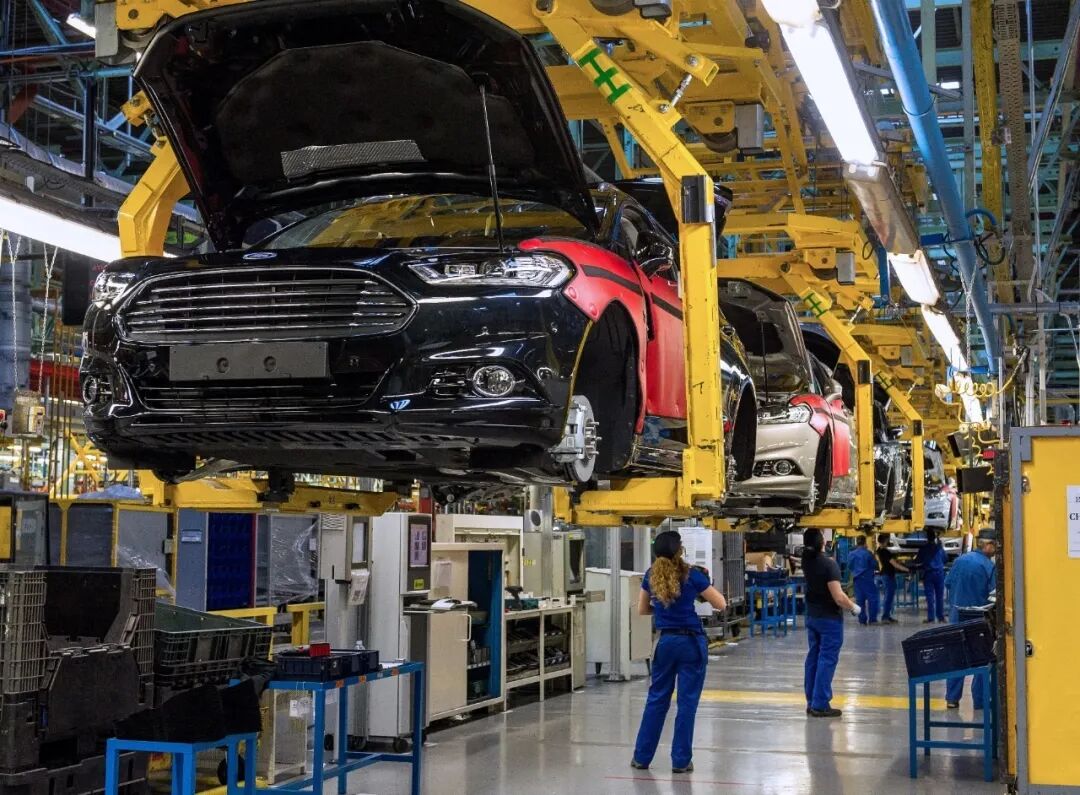
The Valencia facility was once one of Ford’s major European production centres, with annual capacity exceeding 400,000 vehicles. Today, output has fallen dramatically as European demand weakens.
For Geely, local production provides both manufacturing capacity and a way to mitigate the impact of European tariffs on Chinese-made EVs.
The Deeper Divide Behind the Strategies
At the heart of these competing approaches lies a more fundamental question: should Chinese carmakers focus first on selling cars in Europe, or on building permanent roots there?
The pressure to localise production has intensified since the European Union imposed additional anti-subsidy tariffs on Chinese electric vehicles in October 2024. Combined with existing import duties, the total tariff burden can exceed 45% for some manufacturers.
For a €30,000 electric vehicle, tariff costs at the highest rate could reach €13,590 — enough to wipe out much of the profit margin.
Against this backdrop, local manufacturing has become increasingly necessary.
Dongfeng’s joint venture model offers lower risk and faster market access. The company can rely on Stellantis’ established distribution channels and production facilities while limiting capital expenditure.
But this approach may leave Dongfeng dependent on a foreign partner for brand recognition, customer relationships and long-term market positioning.
BYD and Geely, by contrast, are taking on greater financial and operational risk in exchange for full control over production, branding and distribution.
Their long-term objective is not simply to export vehicles, but to become genuinely embedded in the European automotive landscape.

Neither strategy guarantees success. Europe remains a difficult market, with complex labour regulations, powerful unions and consumers who remain cautious about unfamiliar Chinese brands.
Yet the broader direction is unmistakable. China’s automotive industry is moving beyond simply exporting products. Increasingly, it is attempting to export brands, supply chains and industrial ecosystems.
Whether through partnerships or independent expansion, Chinese carmakers are no longer merely entering Europe — they are attempting to become part of it.