
China's carmakers had spent much of the summer signalling restraint.
Discounts return after a brief truce
Regulators, industry bodies and manufacturers had all warned against destructive price competition, and the market appeared to have entered a quieter phase. September has tested that assumption.

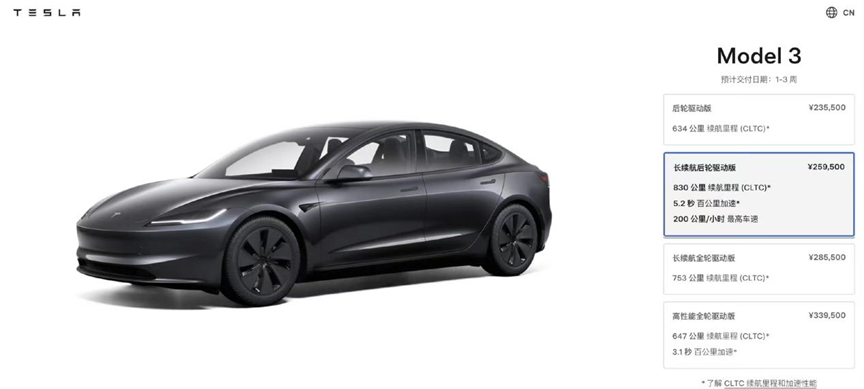
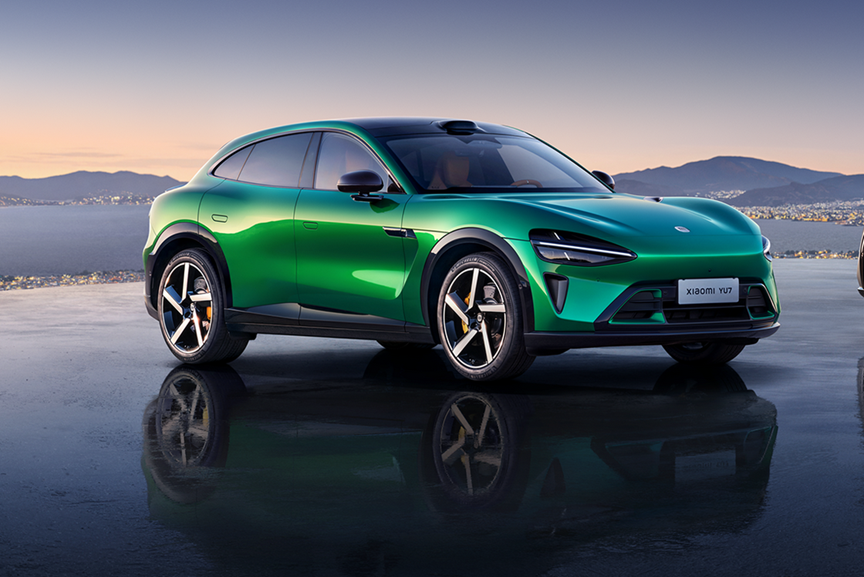
Tesla cut the price of the rear-wheel-drive long-range Model 3 to about $36,000, down from roughly $37,000, less than a month after launch. Xiaomi released a fresh package of purchase benefits on the same day, including free lifetime assisted-driving access for selected models and interior upgrades worth about $1,000. Xpeng followed with a finance package offering zero down payment, zero interest and zero fees for five years, with subsidies worth up to about $8,000.
The moves look like seasonal promotions for China's traditional September-October sales window. They also point to a deeper anxiety: automakers have accepted the language of "anti-involution" in public, but many still need volume badly enough to keep pushing effective transaction prices lower.
Regulatory pressure has not removed the sales problem
China's auto industry has been under growing pressure to ease its price war. The China Association of Automobile Manufacturers and several government agencies have warned that excessive discounting risks damaging the sector's long-term health. Reports of regulatory meetings appeared to cool the market for a time.
The commercial pressure never disappeared. Tesla's global deliveries fell about 13 per cent year on year in the second quarter of 2025 to 384,100 vehicles, marking a second consecutive quarterly decline. In China, passenger-car retail data showed Tesla's sales reached 304,000 units in the first seven months, down 6.3 per cent, the steepest drop among the top 10 manufacturers by volume.
Other brands face their own strains. Xiaomi's early momentum has been strong, but weekly sales have fluctuated. Nio cut the price of its 100kWh long-range battery pack from about $18,000 to roughly $15,000 in August while keeping battery-rental fees unchanged. At the Chengdu motor show, Nio made the same pack standard across its line-up without raising vehicle prices, creating an effective benefit worth about $5,000.
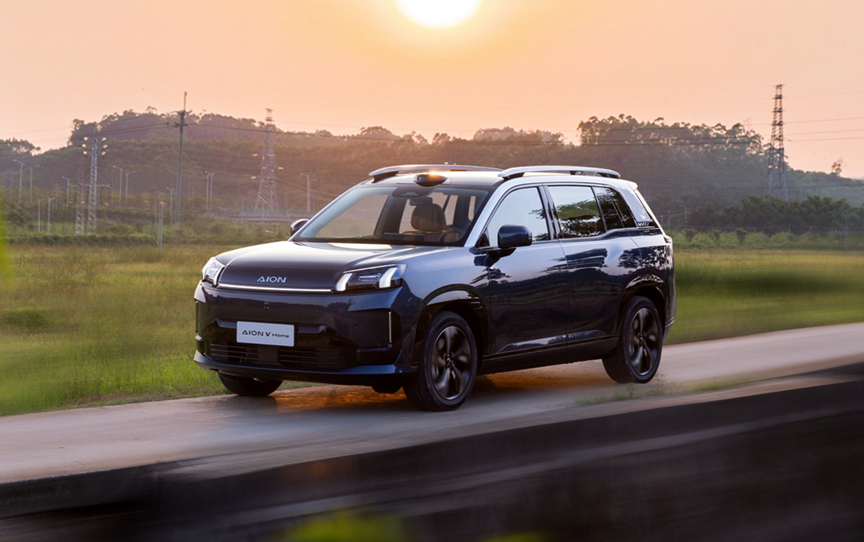
Avatr used the show to offer a deposit-to-purchase incentive on the Avatr 06 Ultra extended-range model, turning roughly $1,000 of deposit into about $3,000 of purchase value. GAC Aion upgraded its Aion V family version without lifting prices, leaving the model at about $15,000 to $19,000 before replacement subsidies and about $13,000 after them.
September is forcing brands to chase volume
The return of incentives is less about one company breaking ranks than about timing. By early September, China's carmakers were approaching the final quarter of 2025, when annual targets, dealer inventory and market-share rankings become harder to ignore.
Even stronger performers have reasons to push. Xpeng delivered 37,709 vehicles in August, up 169 per cent from a year earlier and 3 per cent from July, according to company data cited in the article. A brand with momentum may use incentives to extend its lead before rivals can respond.
Tesla's cut also reflects competitive pressure in the $35,000 to $42,000 segment, where BYD, Xpeng and other Chinese brands have been adding longer-range models with richer equipment. A lower Model 3 price helps protect Tesla's value proposition as domestic rivals narrow the gap in range, software and cabin technology.
Weaker monthly numbers are pushing other companies in the same direction. BYD's August domestic sales remained large at 292,813 units, but were down 14.3 per cent from a year earlier. GAC Aion recorded a 24 per cent decline. For companies with public sales targets, a soft month can quickly turn into pressure for heavier year-end promotions.
The price war is becoming less visible
Open, headline-grabbing cuts are politically harder than they were earlier in the year. With regulators and industry groups urging restraint, carmakers are more likely to compete through limited-time benefits, richer equipment, finance subsidies, trade-in packages and no-price-rise upgrades.
That does not make the competition less intense. A disguised price war still changes consumer expectations, squeezes margins and forces laggards to respond. The distinction is that stronger companies can use incentives tactically, while weaker ones may be using discounts to buy time.
The likely winners are not simply the brands willing to cut deepest. Companies with cash, technology, brand equity, reliable channels and the ability to improve products while controlling costs are better placed to survive another round of discounting.
A more serious signal than a simple price cut
Tesla and Xpeng's September moves are important because they show how fragile the industry's short-lived restraint remains. The renewed promotion cycle reflects a market where consumer demand, macroeconomic uncertainty and annual sales targets are pulling manufacturers back toward aggressive tactics.
China still has support factors, including subsidised consumer auto loans and stronger equity-market sentiment that could improve buying confidence. The coming months will show which carmakers can turn incentives into durable sales, and which are merely trading margin for short-term relief.