
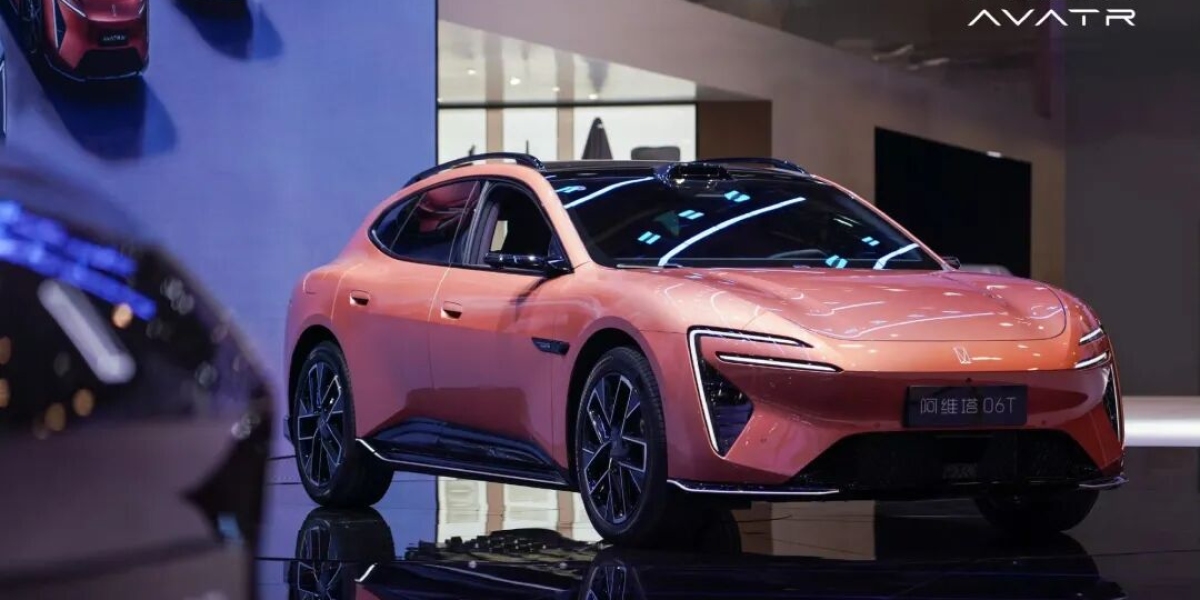
Avatr’s Hong Kong listing plan was supposed to be one of the cleaner stories in China’s crowded electric-vehicle market: a state-backed premium EV brand, supported by Changan Automobile, Huawei and CATL, seeking capital to accelerate growth. Instead, the company’s prospectus has lapsed, sales have slowed sharply, and investors are being asked to decide whether a valuation of about $3.8 billion still makes sense.
The company’s filing with the Hong Kong Stock Exchange automatically expired on May 27, six months after it was submitted. Avatr has described the lapse as a technical part of the listing process and said it is updating its materials before resubmitting. That explanation may be procedurally correct. But the timing is awkward. In the first four months of 2026, Avatr sold fewer than 17,000 vehicles — a weak result for a company trying to sell investors a high-growth premium EV story.
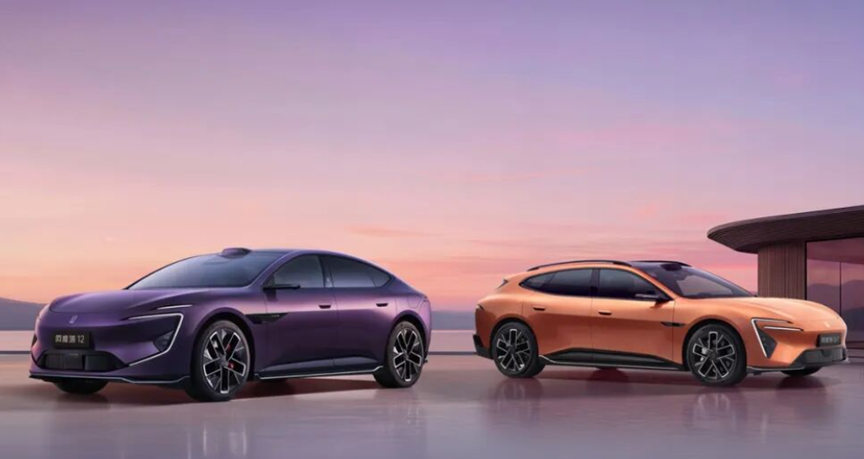
When Avatr filed late on November 27, 2025, the pitch looked stronger. It was the first state-owned new-energy vehicle brand to seek an IPO in Hong Kong, with CICC and Citic Securities acting as joint sponsors, and it aimed to raise $1 billion. In 2025, the brand had delivered more than 120,000 vehicles, with monthly sales above 10,000 for 10 consecutive months. Backed by Changan’s manufacturing base, Huawei’s intelligent-driving systems and CATL’s battery expertise, Avatr appeared to have a credible “national champion” narrative.
Marketing Has Not Translated Into Scale
Avatr has not lacked visibility. It has hired Huawei-linked celebrity Yao Anna as a global ambassador for the Avatr 07, sponsored entertainment and cultural programmes, partnered with Mango TV and CATL on a variety show, worked with film projects and appeared on national platforms as a CCTV strategic partner for state-owned intelligent mobility.
That has helped the brand stay visible. But in the EV business, visibility only matters if it turns into deliveries. For investors, sales volume remains the first hard test, and Avatr’s conversion has been uneven.
The company’s 2025 performance was not poor. Annual deliveries exceeded 120,000 units and grew by more than 60% year on year. Yet the target at the start of the year was 220,000 vehicles, which means Avatr achieved only about 54% of its goal. Even in its best month, November, sales were around 14,000 units. That is respectable, but it falls short of the scale achieved by front-rank rivals such as Li Auto, Nio and Zeekr, many of which were regularly selling 20,000 to 30,000 vehicles a month.
The difference matters because the premium EV market punishes brands without scale. Without volume, fixed costs are harder to absorb, supplier leverage is weaker, and profitability remains distant.
The slowdown became more obvious in 2026. According to wholesale data cited in the original article, Avatr sold 2,216 vehicles in January, 4,033 in February and 5,143 in March, for a first-quarter total of 11,392 vehicles — down 53.5% year on year. By comparison, Leapmotor sold about 110,000 vehicles in the first quarter, Li Auto about 95,000, Nio about 83,000, while Xiaomi delivered 78,600 units of the SU7 alone.
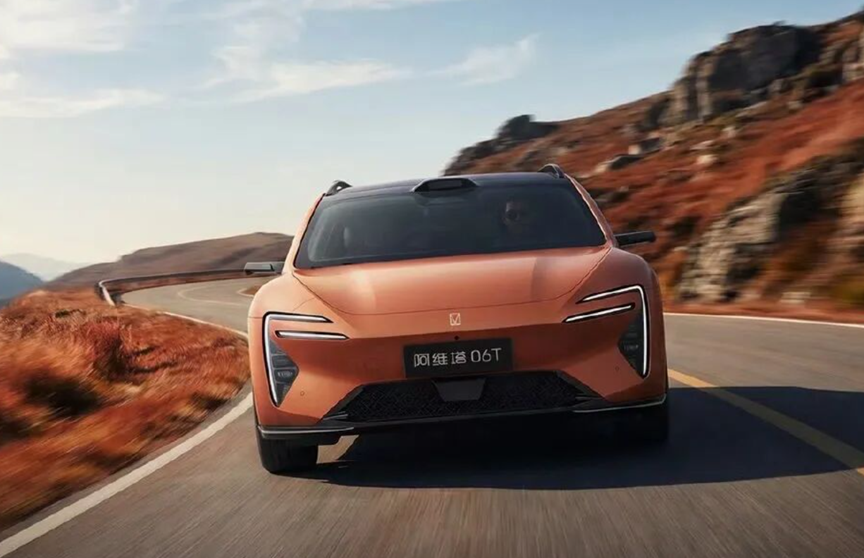
Avatr’s core models tell the same story. The Avatr 06 and 07 helped lift monthly sales above 5,000 units after launch in 2025. By March 2026, however, the Avatr 07 had fallen to 3,140 units and the Avatr 06 to 1,669. The initial customer base attracted by the “Huawei + Changan + CATL” story appears largely to have been absorbed, while a broader consumer base has yet to form.
Product positioning is also a problem. In the $29,600 to $44,300 price band, Avatr faces some of the toughest competition in China’s EV market. Tesla’s Model Y brings brand power and manufacturing scale. BYD’s Han offers aggressive value and a dense retail network. Xiaomi’s SU7 brings consumer-electronics traffic and an ecosystem strategy. Zeekr 007 and Aito M5 have clearer identities in their own segments. Avatr has spoken for more than a year about “new luxury”, but the phrase has not yet become a distinct, irreplaceable brand label in consumers’ minds.
Profitability Remains a Distant Target
Weak volume makes profitability harder. Avatr’s prospectus showed that gross margin improved from -3% in 2023 to 10.1% in the first half of 2025. That is progress. But the company still lost about $234.3 million in the same period. From 2022 to the first half of 2025, cumulative losses reached about $1.7 billion. The brand has raised more than $2.8 billion across four funding rounds, meaning more than half of that capital has already been consumed by losses.
Many EV makers still lose money. But for a company hoping to persuade public-market investors that scale and profitability are within reach, Avatr has yet to offer a convincing answer.
A Powerful Alliance, but Not a Simple One
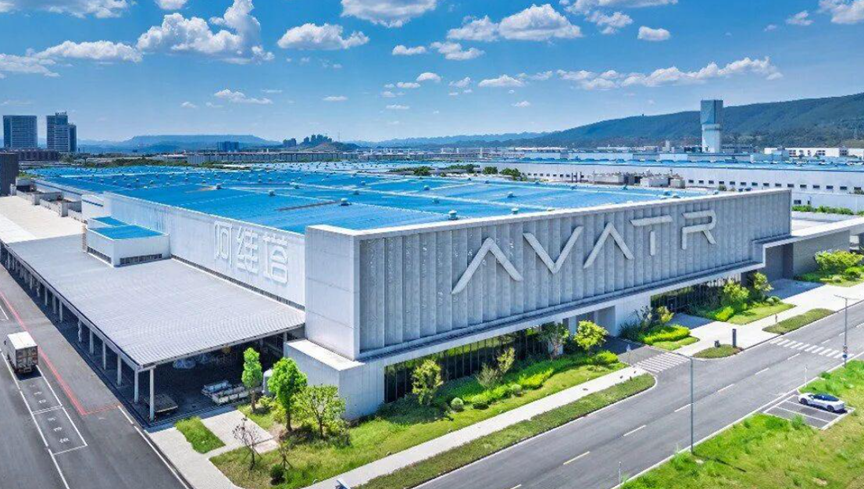
Avatr is often described as being born with a “golden key”. It has Changan for vehicle manufacturing and supply chain support, Huawei for intelligent driving and smart-cabin technology, and CATL for batteries and electrification. On paper, the CHN model is almost ideal. In practice, the interests of the three parties are not always identical.
Changan wants brand upgrade and scale. Avatr is central to its push into the premium EV market. CATL, as a major shareholder, benefits from higher battery shipments. Huawei’s role is more subtle: it does not hold Avatr equity, but it supplies full-stack intelligent systems. Huawei’s broader partnership strategy gives it scale and licensing income, yet it also reduces Avatr’s sense of exclusivity.
That triangular structure can complicate strategic choices. Pricing is one example. Avatr moved from a high-end positioning above $44,300, to the Avatr 07 starting at about $32,500, and then pushed the 2026 Avatr 12 back toward a higher-end price range. Such shifts raise questions over whether the brand’s direction is being shaped by changing priorities among its backers.
Leadership changes have added another layer. In September 2025, Changan vice-president Wang Hui replaced Zhu Huarong as Avatr chairman. Officially, Zhu had moved up to chair the newly formed China Changan Automobile Group, while Wang’s international experience was expected to help Avatr enter a new phase. But the move also suggested that ultimate control still sits firmly with the wider Changan group, while Wang’s overseas credentials may be more about global expansion than full operational independence.
On April 21, 2026, Changan announced its “1445” global strategy. Avatr and Deepal said they would operate independently at the front end while sharing middle- and back-office functions. Zhu said shared resources could cut costs by 20% to 30%. The long-term targets were ambitious: 500,000 annual vehicles for Avatr and 1 million for Deepal by 2030.
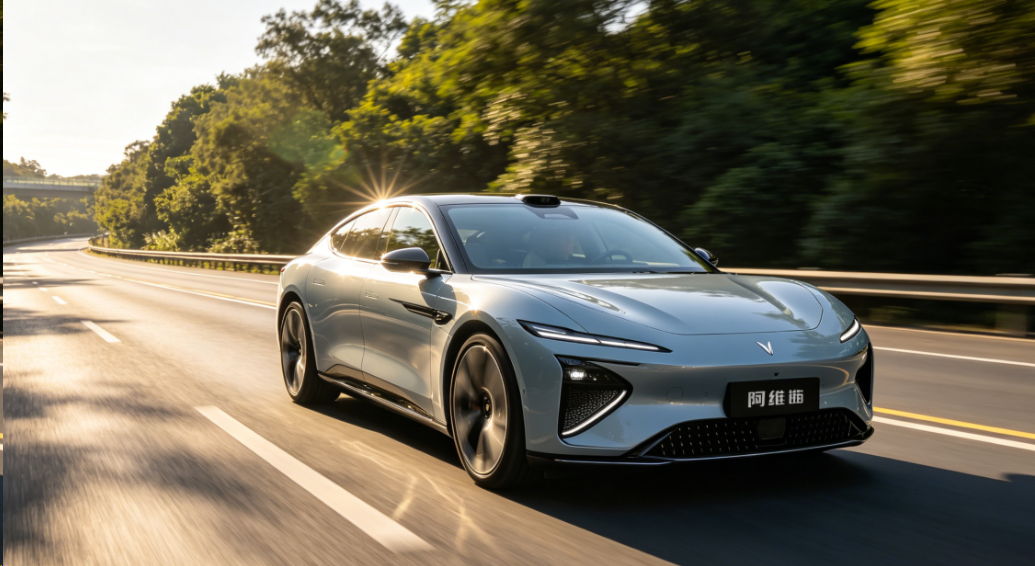
Avatr president Chen Zhuo later stressed that three things would not change: the premium “new luxury” strategy, the brand operating model, and the channel and user-service system. He also said the listing plan would continue and be completed when conditions were right.
But some thinking has plainly shifted. Deepal has already become a volume brand, while Avatr is still trying to establish itself. Sharing resources with a sibling brand makes business sense. Yet for a brand that wants to present itself as independent and premium, relying on a larger sibling’s scale to spread costs weakens the story.
Huawei Is an Advantage — and a Constraint
Huawei is both Avatr’s strongest selling point and one of its constraints. From intelligent driving to the cockpit, much of Avatr’s core technology comes from Huawei. That gives the brand immediate credibility. But Huawei-linked vehicles are now everywhere in China, and technology once marketed as a moat is becoming increasingly common across rival models.
Avatr has tried to protect its position by spending about $1.7 billion for a 10% stake in Huawei’s smart-car solutions unit, Yinwang, in an effort to secure priority access to technology. But that investment also raises a financial question: will it deepen Avatr’s technology advantage, or put more pressure on cash flow?
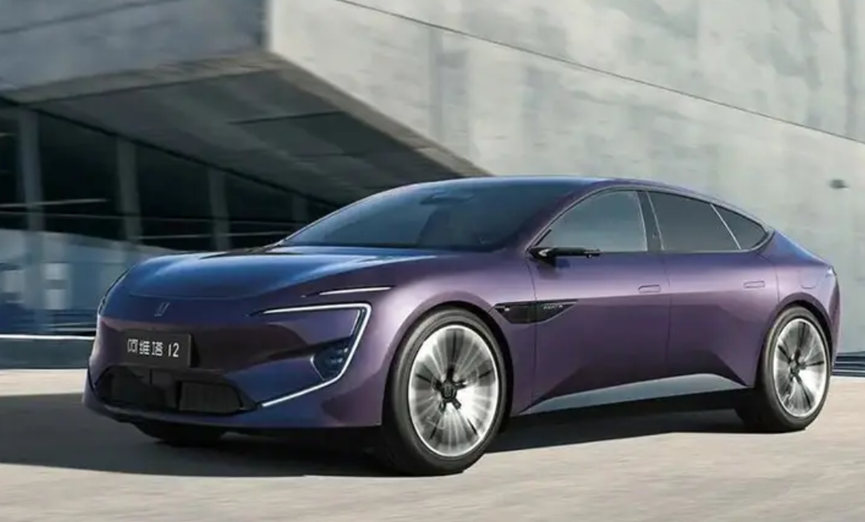
Regulatory scrutiny has also grown. In February 2026, China’s securities regulator issued feedback on Avatr’s overseas-listing filing, asking about issues including equity compliance, control structure, foreign-investment access and data security. For a company already facing sales, valuation and profitability pressure, those questions add to the burden.
Can a $3.8 Billion Valuation Hold?
The widely discussed $3.8 billion valuation is not an IPO price set by investment banks. It was implied by a private-market equity transfer. Late last year, PATEO Connect announced that a subsidiary had sold a 0.24% stake in Avatr for about $9.2 million, implying a valuation of roughly $3.8 billion.
Measured against Avatr’s 2024 revenue of about $2.2 billion, that valuation implies a price-to-sales ratio of about 1.7 times. Based on expected 2025 revenue of about $4.0 billion, the ratio falls to around 0.96 times. That is not outrageous compared with listed Chinese EV peers. Leapmotor has traded around 0.6 to 0.8 times sales, Nio around 0.7 to 0.85 times, while Xpeng and Li Auto have been closer to 1.0 to 1.2 times.
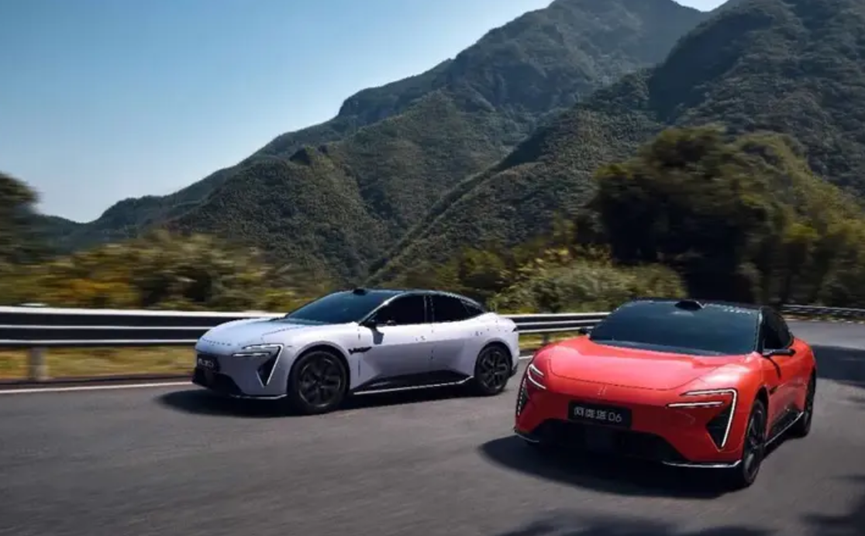
But Avatr’s multiple already includes a premium for the Changan-Huawei-CATL alliance. Premiums need operating results to support them. If sales do not recover, the valuation story becomes harder to defend.
The company’s growth targets are also demanding. Avatr has spoken of reaching 400,000 global deliveries and about $14.8 billion in revenue by 2027, 800,000 vehicles by 2030 and 1.5 million by 2035. Moving from 120,000 units in 2025 to 400,000 in 2027 would require more than tripling volume in two years, in a market that is already crowded, price-sensitive and increasingly unforgiving.
That makes the IPO important. The planned $1 billion raise would fund new-vehicle development, technology upgrades and overseas channels. But if public investors assign a lower valuation because sales and profits fall short, the amount Avatr can raise — and the dilution required to raise it — could become much less attractive.
The Listing May Be Close. Profit Still Looks Far Away.
Changan’s manufacturing strength, Huawei’s intelligent-driving technology and CATL’s batteries are all valuable assets. But three strong cards do not automatically produce a winning hand. Avatr’s IPO is entering a critical phase. A lapsed prospectus can be resubmitted, and valuation can be negotiated. Sales, however, are harder to explain away.
Zhu Huarong once put it bluntly: any brand that does not move forward quickly will fall behind. The statement is difficult to dispute. The harder question is how Avatr moves forward fast enough — without losing its premium identity, burning through more capital, or being overshadowed by rivals with clearer labels and larger sales bases.
For now, Avatr may be getting closer to the public markets. Sustainable profitability still looks much further away.