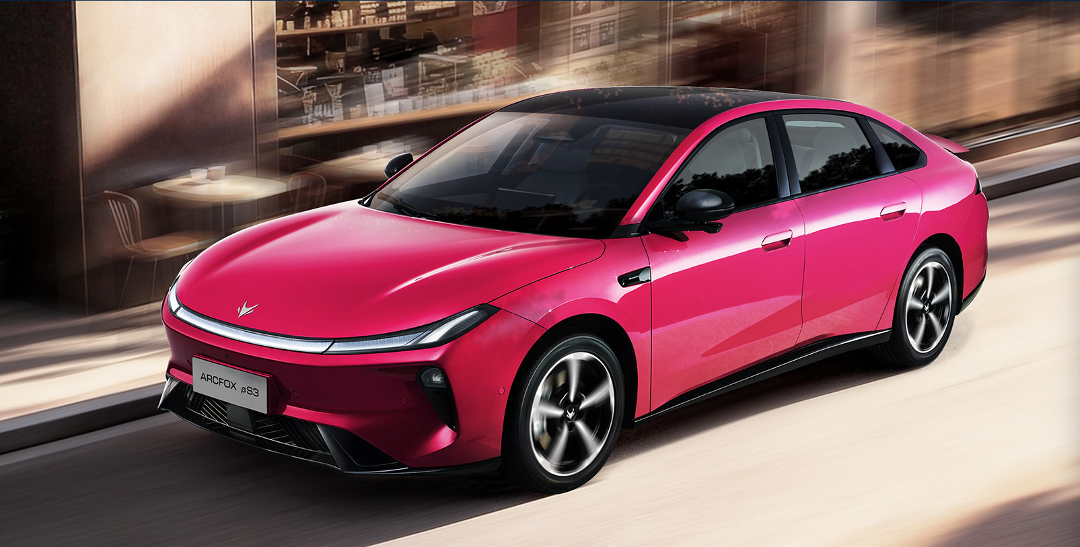
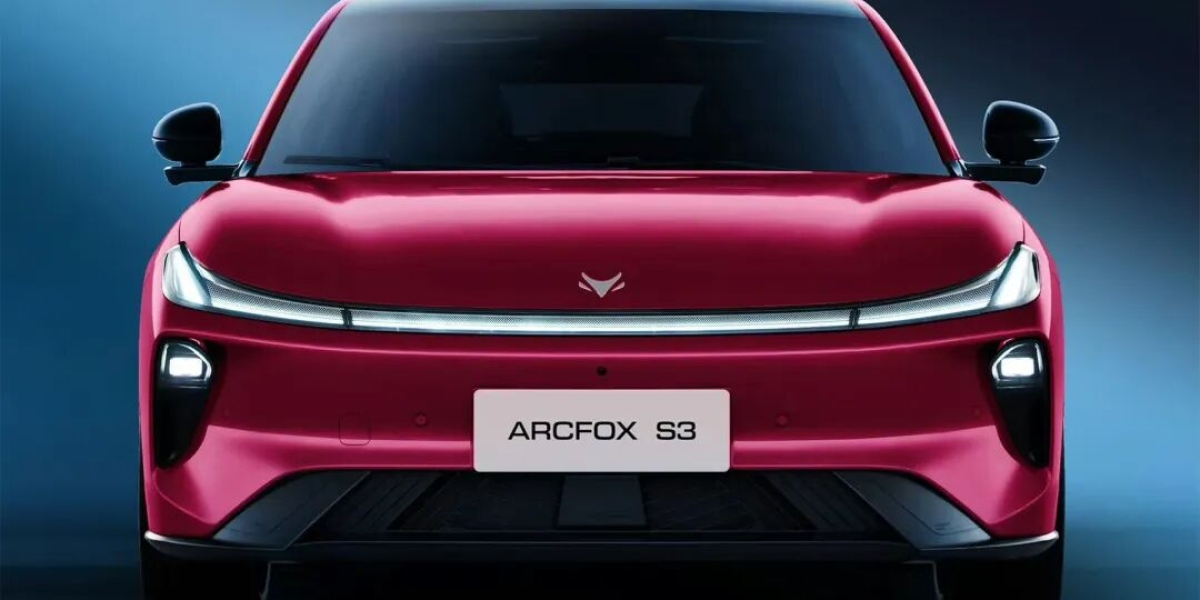
Arcfox has made a striking move in China's electric-car market.
A premium hopeful moves downmarket
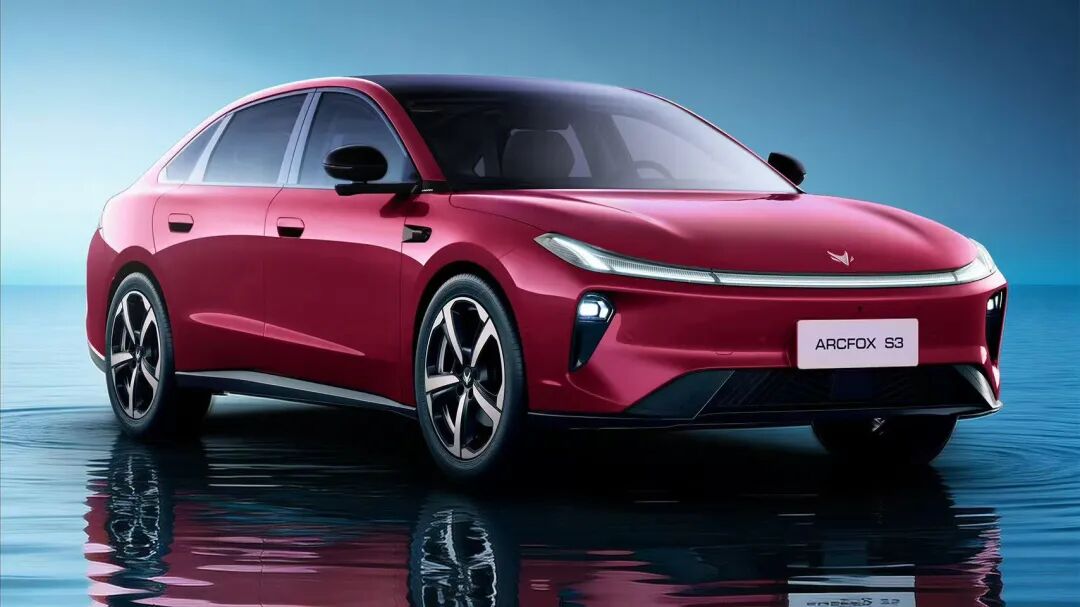
The BAIC-backed brand, once positioned against premium intelligent EVs above roughly $42,000, has launched the Beta S3, a mid-size electric sedan with a starting price of about $8,000.
At first glance, the shift looks like a retreat from premium ambitions. Arcfox was launched in 2017 with a high-end technology story, working with Magna and Huawei and emphasising advanced driving systems, manufacturing quality and premium pricing. The Beta S3 points in the other direction: value, practicality and mass-market reach.
The move is more deliberate than desperate. Arcfox has now split its product line into three layers. Alpha remains the higher-tech series, Wendao targets flagship positioning, and Beta is aimed at value-oriented family buyers. The Beta S3 is the first model in that new series, and it shows how Arcfox is trying to win scale during the industry's elimination round.
Battery swapping moves beyond the premium niche
The most important feature of the Beta S3 is not its price, but its energy strategy. The model is offered in both charging and battery-swapping versions. The swapping version uses CATL's Choco-SEB battery-swapping technology, with an official swap time of 99 seconds and a tested time of 92 seconds. Drivers do not need to leave the vehicle.
CATL plans to build 3,000 Choco-SEB swapping stations by the end of 2026, covering core urban areas in nearly 190 cities. Each swap also includes a battery health check, giving the system a monitoring function that ordinary charging does not provide.
Battery swapping in China has mostly been associated with Nio, where the model is tied to premium service and brand experience. Arcfox is trying to bring the concept into the roughly $8,000 family-car market. That changes the economics and the consumer psychology.
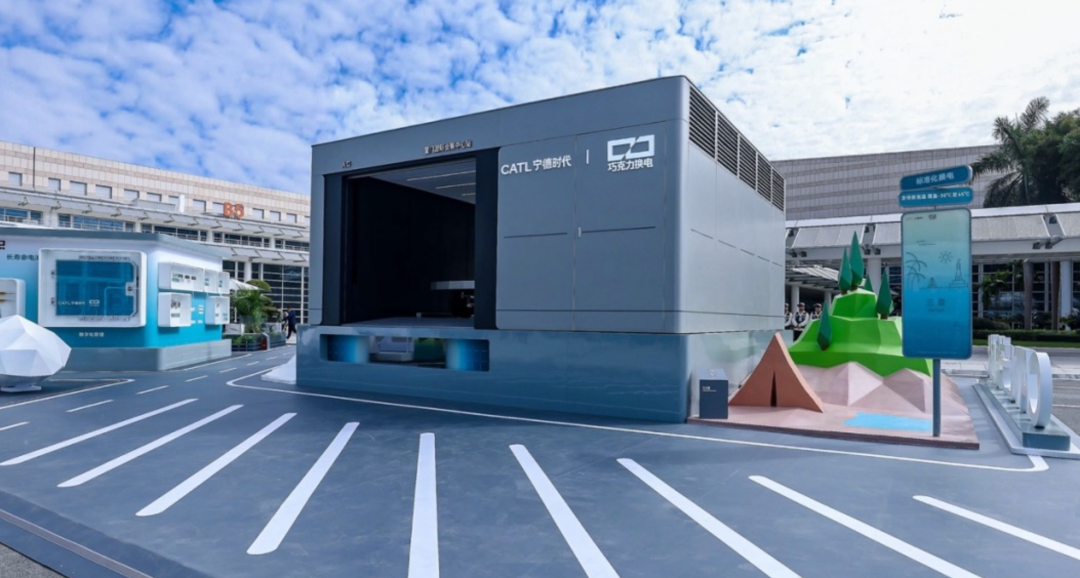
The entry swapping version uses a battery-leasing model, with two monthly plans: about $80 for unlimited mileage or about $60 including 5,000 kilometres. For buyers in this price range, monthly battery rent turns charging anxiety and battery-degradation risk into a predictable cost, while sharply lowering the initial purchase threshold.
The risk is infrastructure. The 3,000-station plan must be delivered on time, and users in lower-tier cities need reliable access. Consumers also need to accept the idea of renting a battery rather than fully owning every core component of the vehicle. That is a different ownership concept from the combustion-car era.
Early feedback is worth watching. Arcfox says Beta S3 presale orders have exceeded 30,000 units, with swapping versions accounting for 76%. That suggests mainstream buyers may be more willing to consider battery leasing than many expected.
The logic behind moving downmarket
Arcfox's early premium strategy gave it technical credibility, but not enough volume. The brand built experience through cooperation with Magna, Huawei-backed advanced driving and its IMC intelligent modular architecture. Market performance remained uneven.
The turning point came in 2025, when the Arcfox T1 opened a volume gap with a starting price of about $9,000. It sold 56,500 units in four months and accounted for 35.3% of Arcfox sales. At the same time, Alpha-series models remained volatile. Alpha T5 sales fell from 4,175 units in December 2025 to 426 in January 2026. The lesson was clear: at this stage of the market, volume matters more than preserving a narrow premium image.
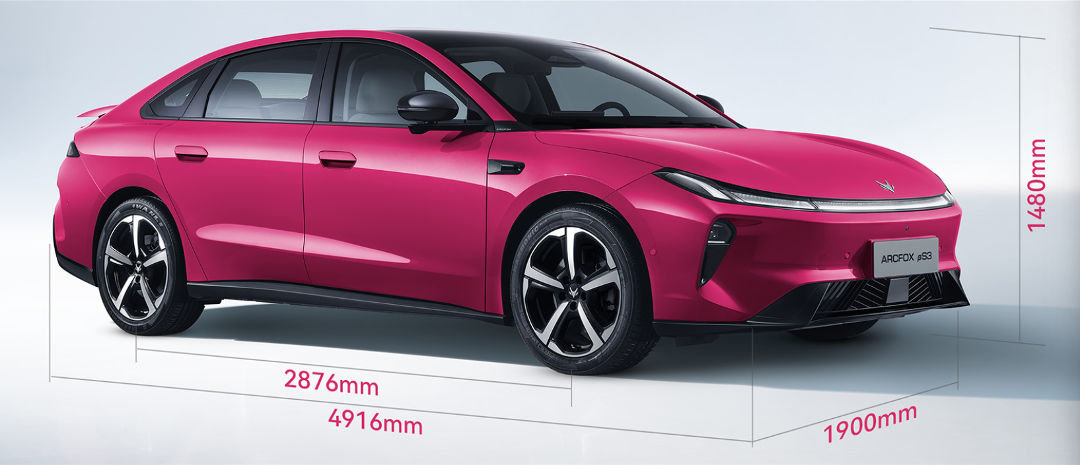
The Beta S3 answers that reality. It measures 4,916mm long, 1,900mm wide and 1,480mm high, with a 2,876mm wheelbase. The charging version offers up to 660 kilometres of range and can fast-charge from 30% to 80% in 21 minutes. At its price point, many rivals are smaller compact cars or heavily stripped low-cost versions. Arcfox is trying to offer space and daily usability rather than chase one headline number.
The risk is brand dilution. Once consumers associate Arcfox with the $8,000 band, future high-end models may face greater scepticism. Beta uses BAIC's own assisted-driving system to control costs, while Alpha continues to use Huawei's higher-end system. Running two technology strategies under one brand could blur consumer perception.
Arcfox appears willing to accept that trade-off. The Beta series is designed to win share, Alpha protects the technology image, and Wendao reaches toward flagship positioning. The brand is trying to become a layered product matrix rather than a single-price-band player.
A broader restructuring, not just a cheap car
Arcfox sold 160,000 vehicles in 2025, up 99%. In April 2026, sales reached 16,532 units, up 101.7% year on year, ranking sixth among domestic pure-electric new forces in the article's classification. Its share of China's pure-electric new-energy market rose to 2.8%.
Those gains are not only about the Beta S3. They reflect a broader adjustment over the past two years. Arcfox has clarified its product layers, focused Beta on ordinary family users, kept Alpha as the technology line and prepared Wendao for the flagship market.
The battery-swapping partnership with CATL is another attempt to escape pure specification competition. Instead of joining every range, acceleration and sensor-count battle, Arcfox is targeting a common family-car pain point: replenishment convenience. If CATL's station rollout succeeds, Arcfox could become one of the early beneficiaries of mass-market battery swapping.
The two risks, lower pricing and battery swapping, are two sides of the same survival strategy. In a market moving from growth to replacement demand, staying alive and reaching scale matter first. Many brands fail because they try to protect premium tone while chasing volume, ending up with neither.
Arcfox has made a clearer choice: build scale first, while using separate product lines to keep some space for higher-end models. It is too early to know whether the strategy will hold through the full market shake-out. The Beta S3 at least shows a brand willing to break its old label and act quickly in a market that rarely rewards hesitation.