
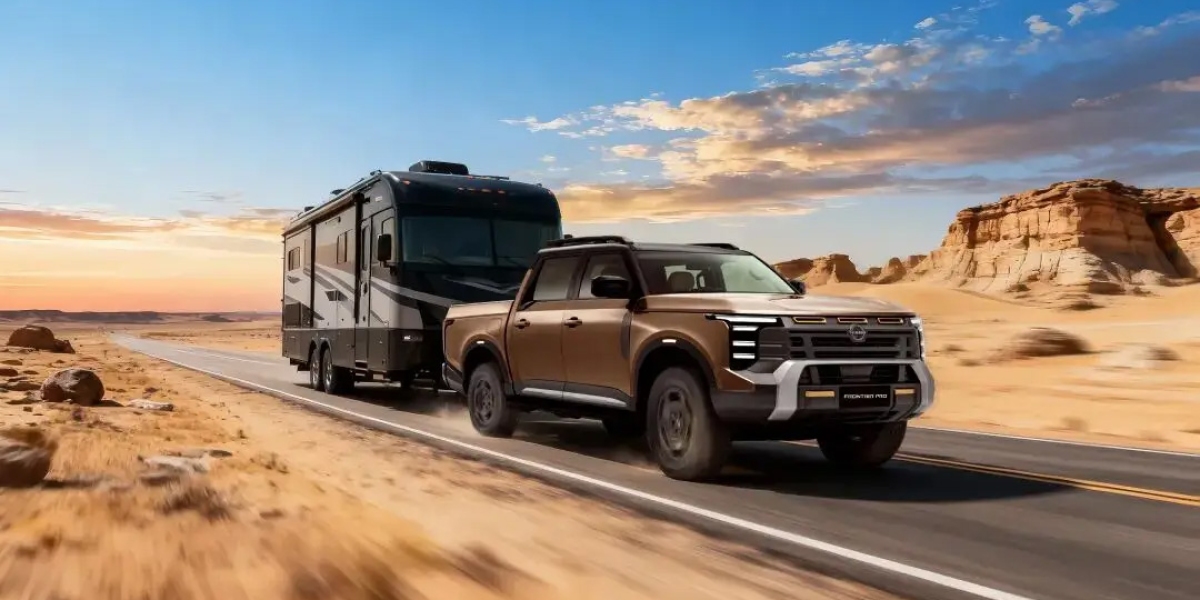
Nissan has begun exporting vehicles made in China, marking a strategic shift for a company that once treated the country mainly as a domestic manufacturing and sales base.
Nissan Begins Shipping China-Built Vehicles Abroad
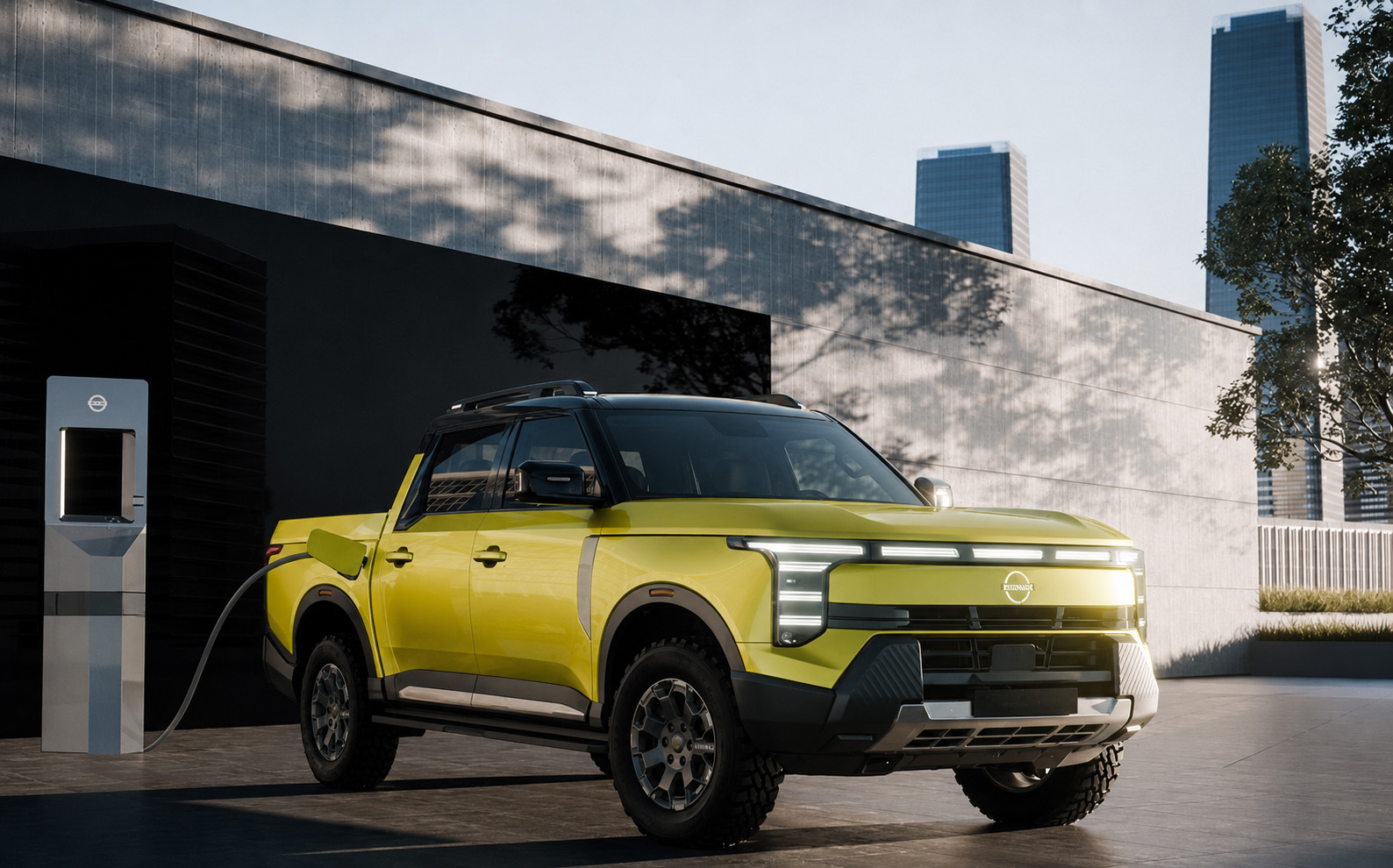
The first shipments are headed to Mexico, one of Nissan’s most important global markets, with sales expected to begin as early as 2026. The move comes as Chinese brands, led by BYD, continue to expand their presence in Latin America and challenge long-established carmakers on price, technology and speed to market.
Mexico Becomes the First Test
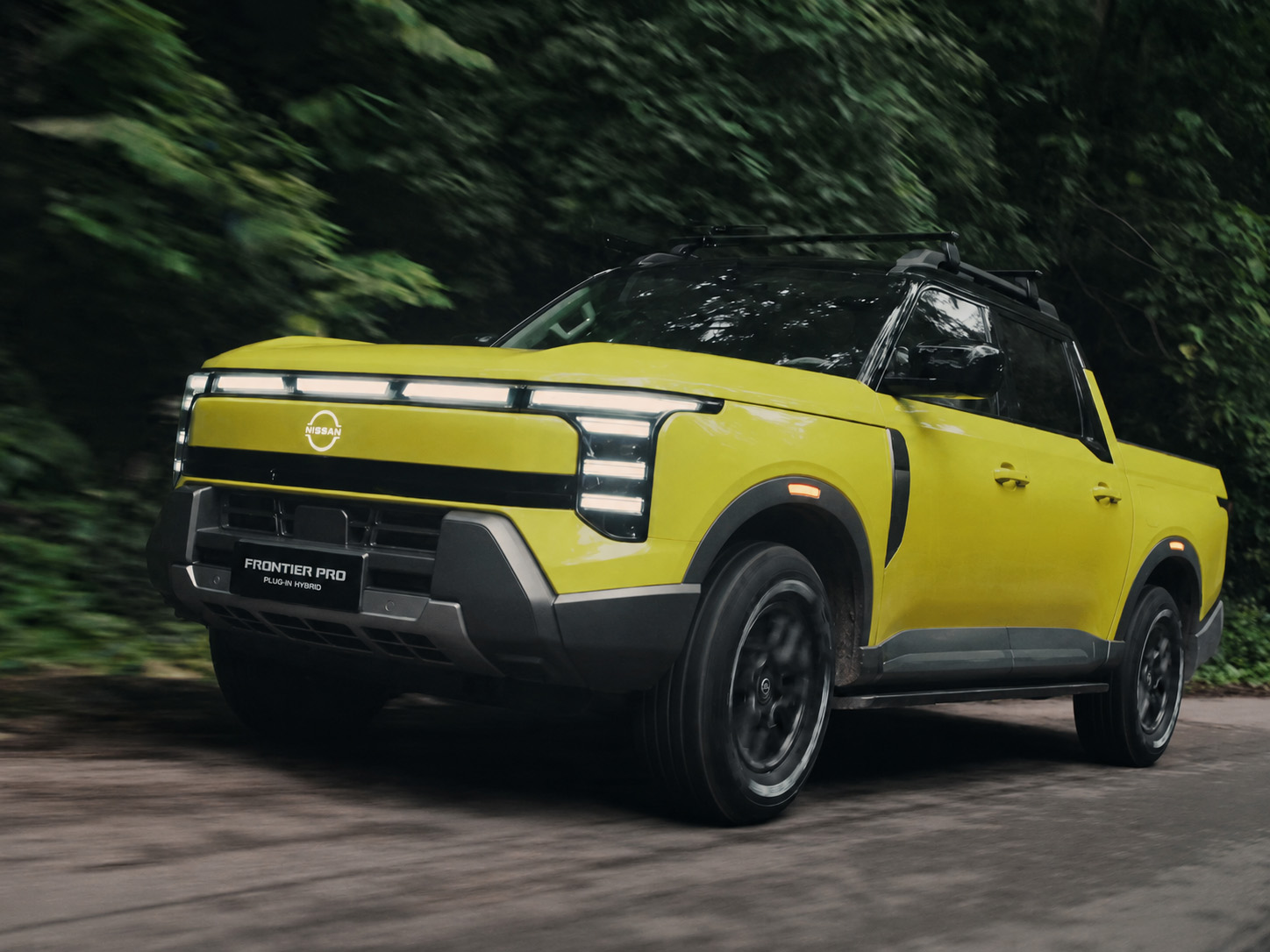
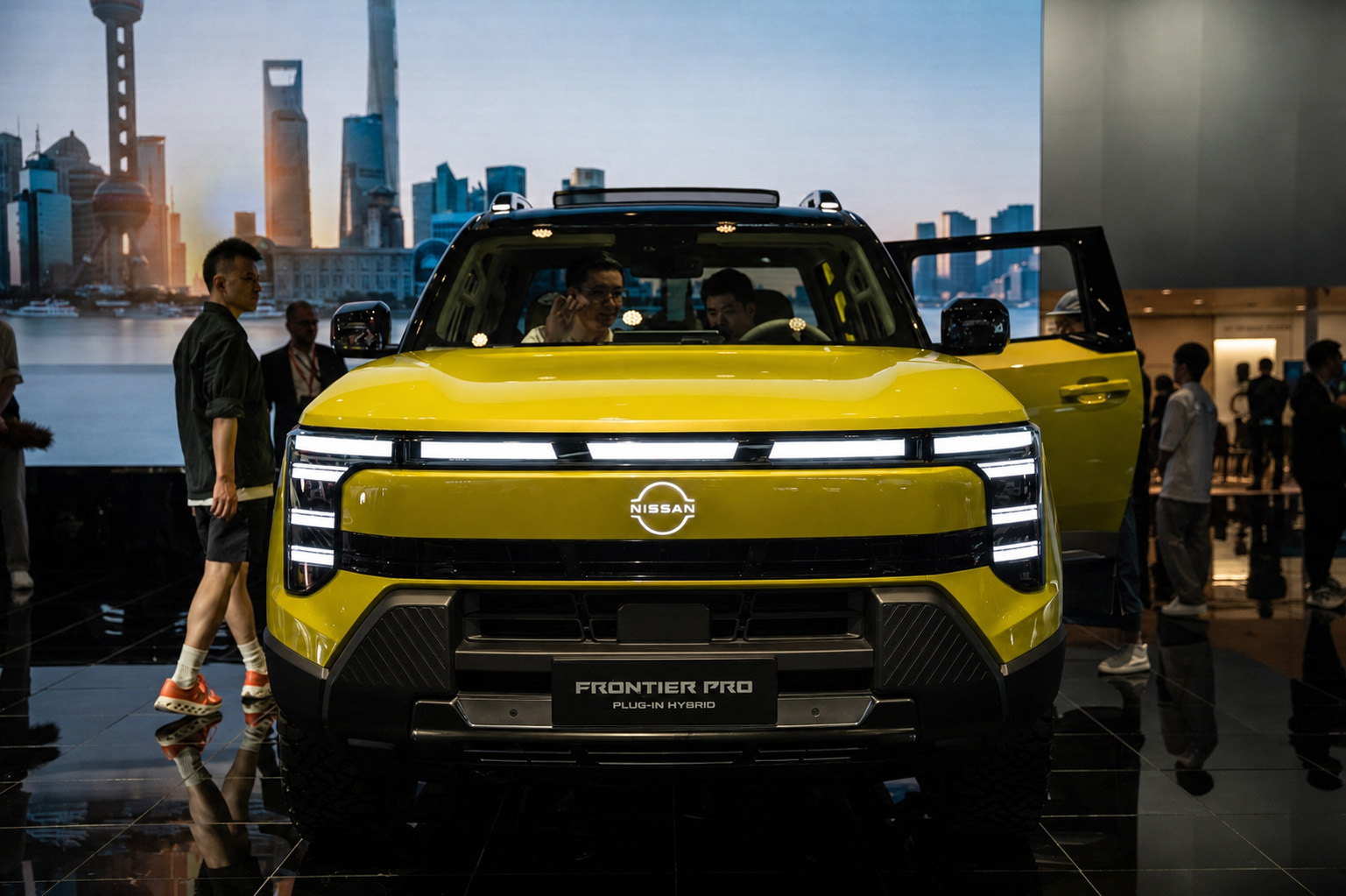
The model being shipped is the Frontier Pro, a plug-in hybrid pickup developed and produced in China. The vehicle was launched in China in 2025 and is now set to become a central part of Nissan’s plan to sell China-developed models beyond the Chinese market.
For Nissan, Mexico is a logical first destination. The Japanese automaker has a deep manufacturing and retail presence in the country, but it is facing a more aggressive competitive landscape as BYD and other Chinese carmakers use electrified models to gain visibility with mainstream buyers.
China Moves From Market to Export Base
Nissan Chief Executive Ivan Espinosa said in late April that the company plans to raise annual exports from China from 100,000 vehicles to 300,000 over time. The ambition points to a broader reassessment inside the global auto industry: China is no longer only the world’s largest car market, but also a source of faster product development and lower-cost electrified platforms.
“China is increasingly becoming an industry benchmark in technology, cost and development speed,” Espinosa said. “We need to learn from China and export those lessons back to the world.”
A Defensive Move With Global Implications
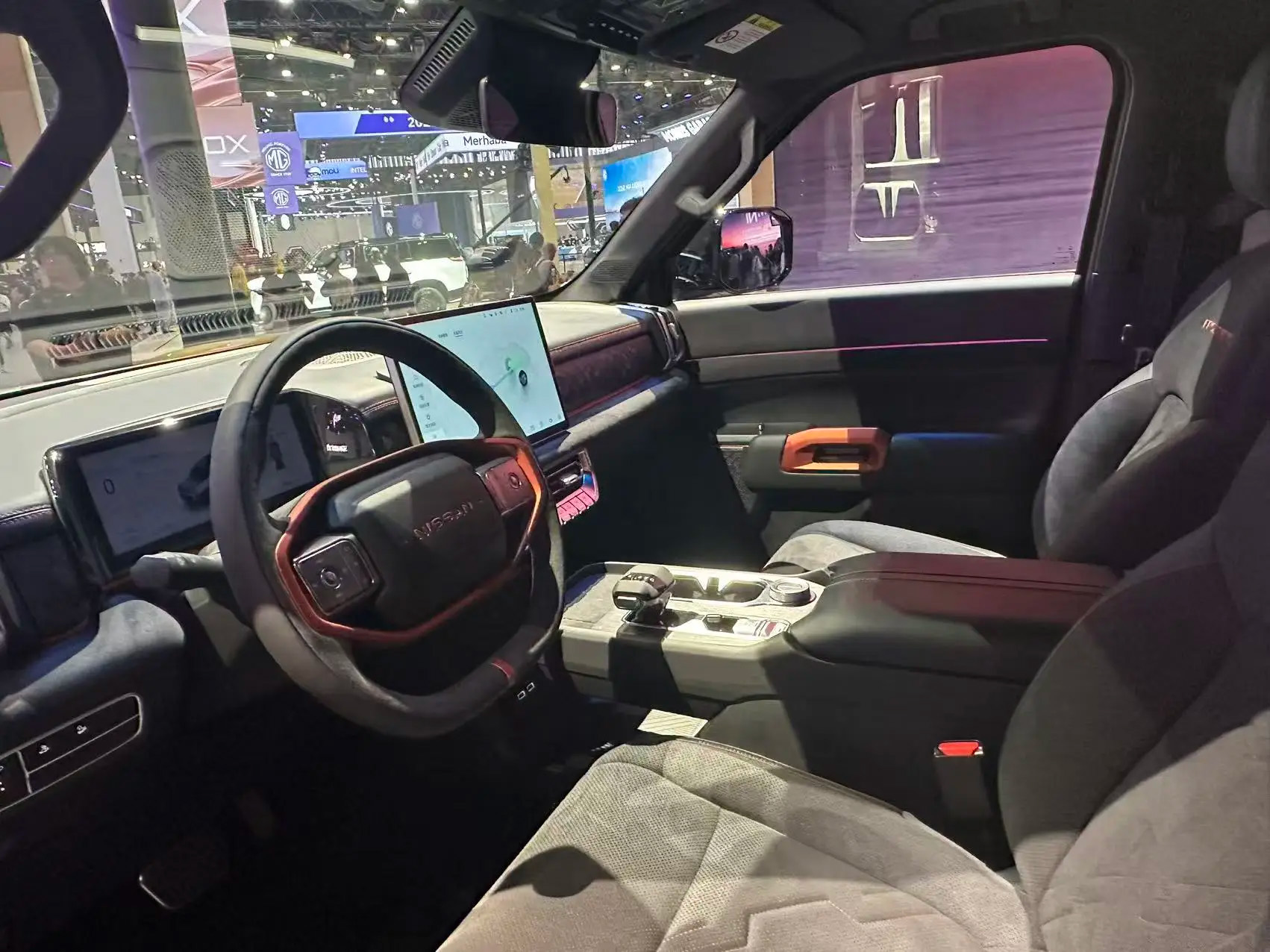
The decision also underlines how the rise of Chinese carmakers is forcing legacy manufacturers to change their own operating models. Rather than relying solely on traditional production hubs, Nissan is using China as a development and export base to defend share in markets where affordability and electrification are becoming decisive.
If the Mexico rollout succeeds, it could give Nissan a template for other emerging markets where Chinese EV and plug-in hybrid makers are gaining ground. It also signals a deeper shift in the global auto supply chain: international brands are increasingly turning to China not just to sell cars, but to build the vehicles they need to compete elsewhere.