China's premium sedan market above roughly $42,000 has long been dominated by Mercedes-Benz, BMW and Audi.
A once-unfavoured bet starts to look different
Domestic brands have tried for years to break into that territory, often with generous specifications and lower prices, but few have built the volume and credibility needed to unsettle the German incumbents.
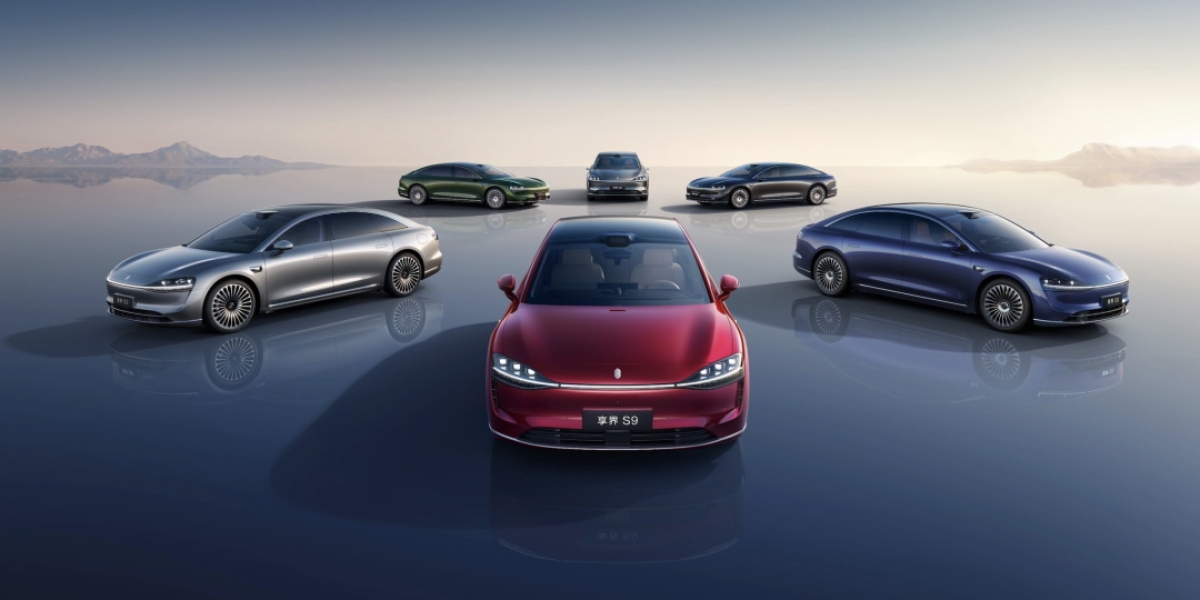
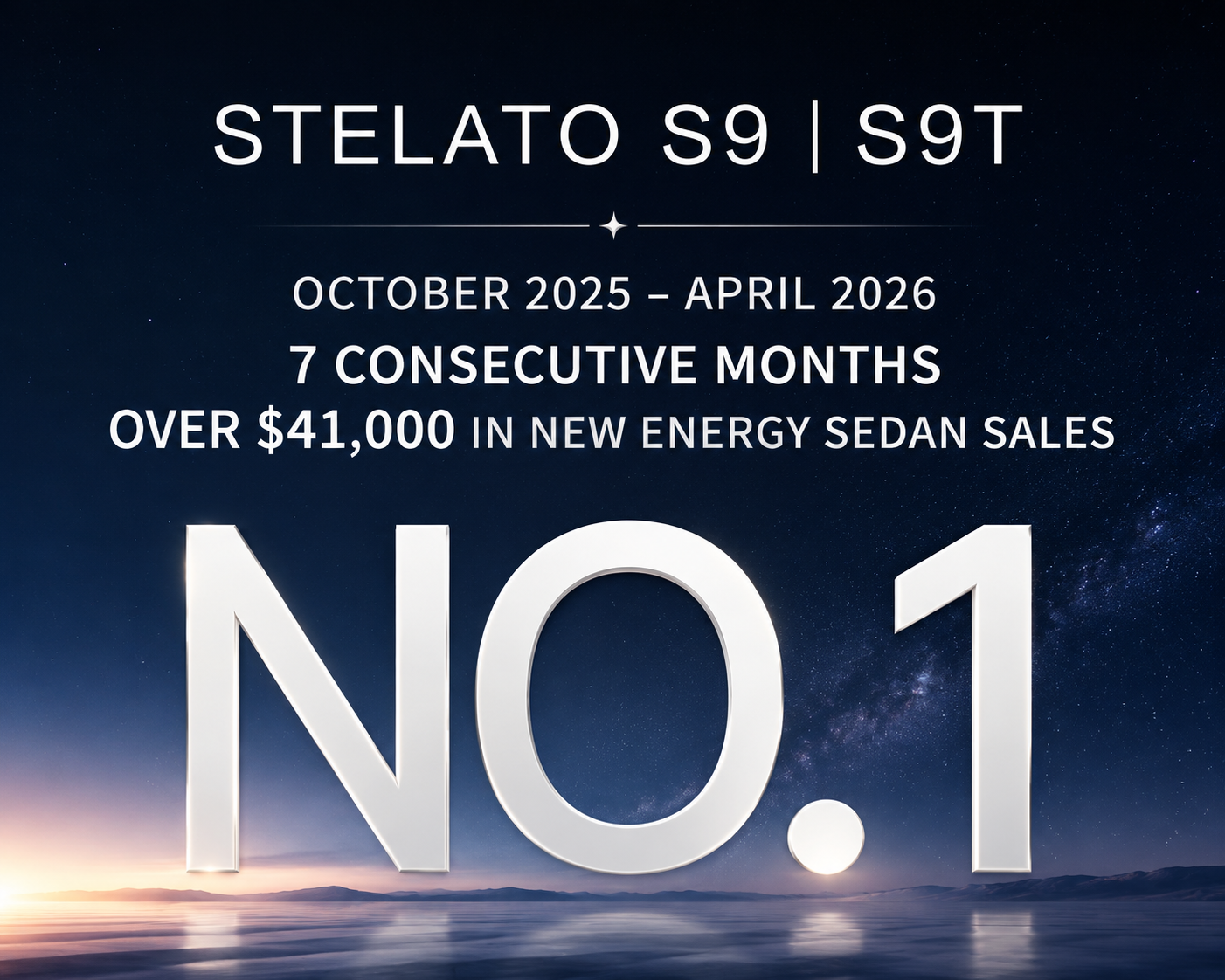
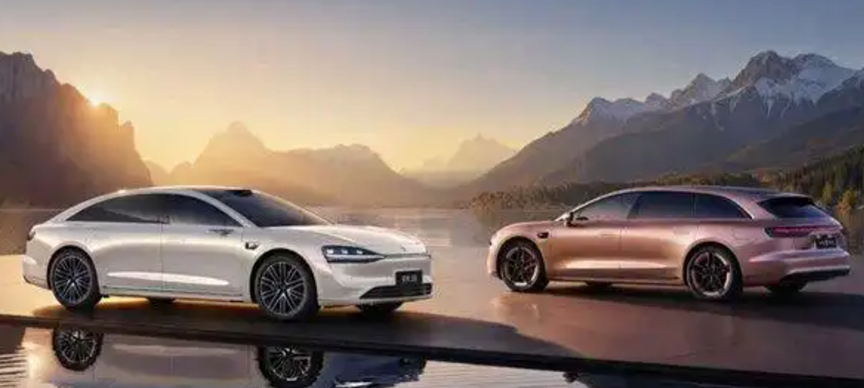
That is why Stelato's latest milestone matters. The Huawei-BAIC brand has passed 60,000 cumulative deliveries and has led China's new-energy sedan segment above roughly $42,000 for seven consecutive months, according to the original article. It now sits among the top three luxury sedans overall, behind the Mercedes-Benz E-Class and BMW 5-Series.
The achievement is striking because BAIC BluePark's decision to build Stelato was not widely applauded at the start. The S9 did not immediately become a breakout model, and sceptics wondered whether the company had misread the premium market. The arrival of the extended-range S9 in April 2025, along with more realistic pricing, changed the trajectory. The S9T then created a sedan-and-wagon pairing that gave the brand a clearer identity.
A state-owned company learns to behave like a start-up
BAIC BluePark's improvement is not only about one model. The company has changed how it operates. State-owned automakers are often seen as slow, process-heavy and protected from the harshest market consequences. BAIC BluePark has tried to move in the opposite direction, presenting itself as an entrepreneurial state-owned enterprise.
At the start of this year, 22 senior executives and core managers spent more than $2 million of their own money buying company shares on the secondary market, averaging close to $100,000 each. The move tied management more closely to the company's market performance. Personnel changes have also been significant: nearly 80% of middle-management roles have reportedly shifted to people born in the 1980s and 1990s, weakening the old seniority-based culture.
The most visible change is speed. R&D, procurement, production and sales teams now coordinate more closely, solving problems in shared working settings rather than passing decisions through long approval chains. Huawei-side partners have reportedly described BAIC BluePark as more energetic and execution-oriented than before.
The numbers show the effect. In 2025, BAIC BluePark sold 209,600 vehicles, nearly doubling year on year. Its Arcfox and Stelato brands have doubled sales for three consecutive years. More important, the sales mix has changed. The company once relied heavily on ride-hailing and fleet customers, but it now sells mainly to individual retail buyers. Gross margin has turned positive, improving by 12 percentage points year on year, while operating cash flow has been positive for three straight quarters.
How Stelato opened a gap in the BBA market
Huawei's technology has helped Stelato, but it does not fully explain the brand's performance. Many carmakers now cooperate with Huawei; few reach the top of their segment. BAIC BluePark's own choices around product definition, manufacturing and channels have mattered.
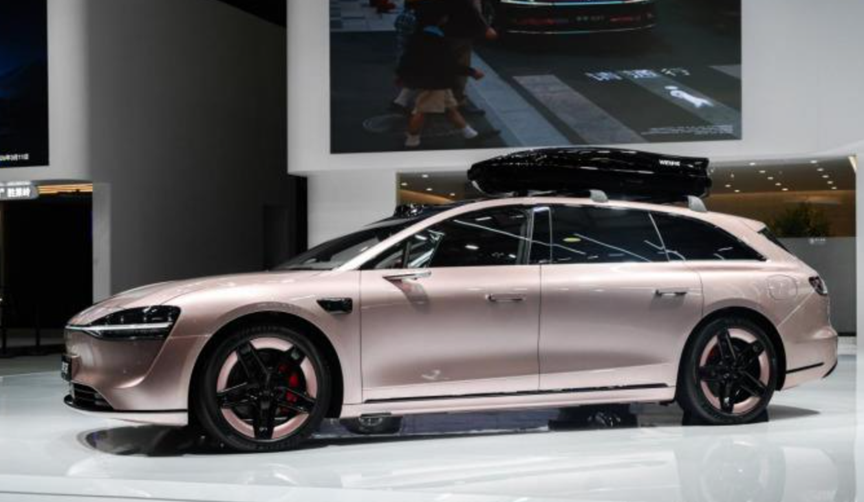
The key was a less crowded body-style strategy. In China's premium new-energy market, many brands have concentrated on SUVs. Stelato targeted executive users with the S9 sedan and S9T wagon, a pairing designed for buyers who want both business presence and family usability. The wagon choice was risky, but it helped Stelato occupy a niche others had left underdeveloped.
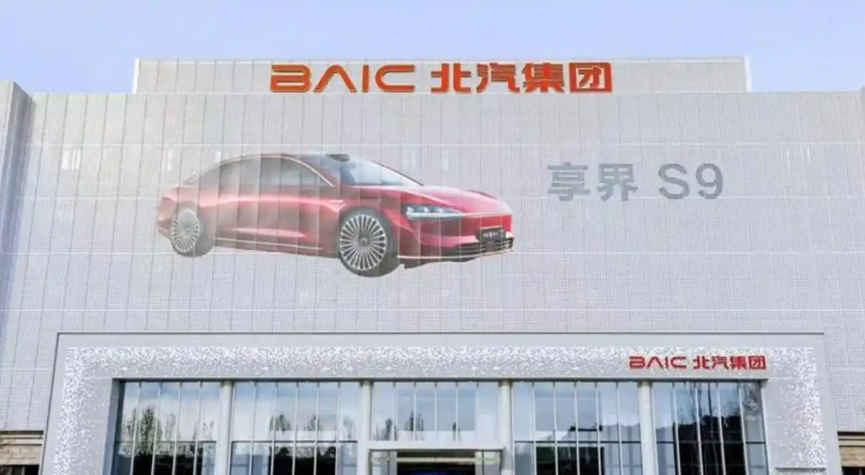
The product package also focused on what Chinese premium buyers increasingly value. Huawei Qiankun intelligent driving is standard across the range, while the extended-range version can travel up to 1,378 kilometres on a full tank and full charge, removing much of the range-anxiety issue. German luxury badges still influence purchase decisions, but their brand premium is less decisive when Chinese buyers compare technology, range and value more carefully.
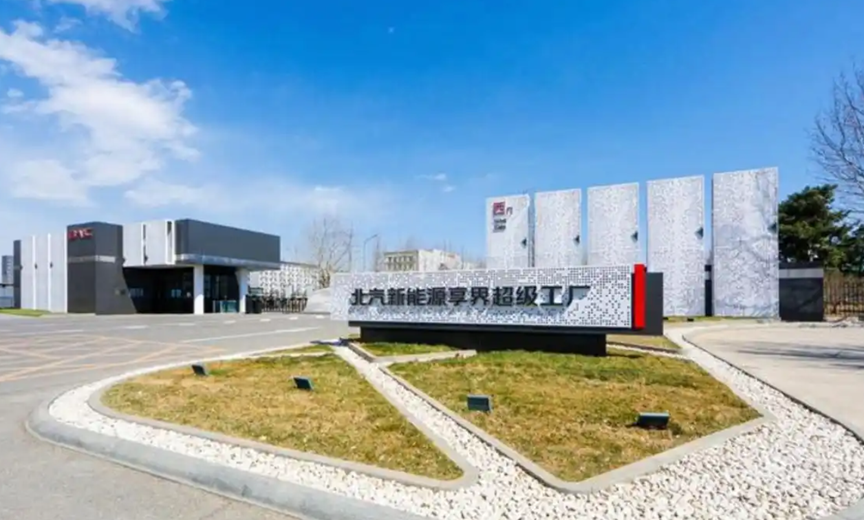
Manufacturing and retail execution have strengthened the story. Stelato's factory is led by a former Beijing Benz manufacturing executive, and production standards are described as close to Mercedes-style discipline. Many Stelato dealers previously sold German luxury brands, giving the network stronger premium-service habits. A better customer experience has helped word of mouth, and the brand's net promoter score has reportedly improved.
BAIC is not relying on one high-end hit
Stelato's success is important, but BAIC BluePark is not building its future around one model or one price band. Arcfox remains the foundation for the mainstream market from roughly $11,000 to $42,000. In 2025, Arcfox sold 161,000 vehicles, nearly doubling year on year. The Arcfox T1 held an 8.6% share of the $7,000-$14,000 pure-electric A0 segment at its December 2025 monthly peak, while the Alpha S5 entered the top five in the $21,000-$28,000 pure-electric sedan class.
New products have arrived quickly in 2026. The refreshed S5 launched in March and sold more than 6,000 units in April. In May, the S3 and Wendao V9 followed; the V9 took more than 8,000 orders within 48 hours and filled Arcfox's gap in the $28,000-$42,000 MPV segment. Arcfox now has nearly 700 stores and plans to reach 800 by year-end, with a 2026 sales target of 300,000 units.
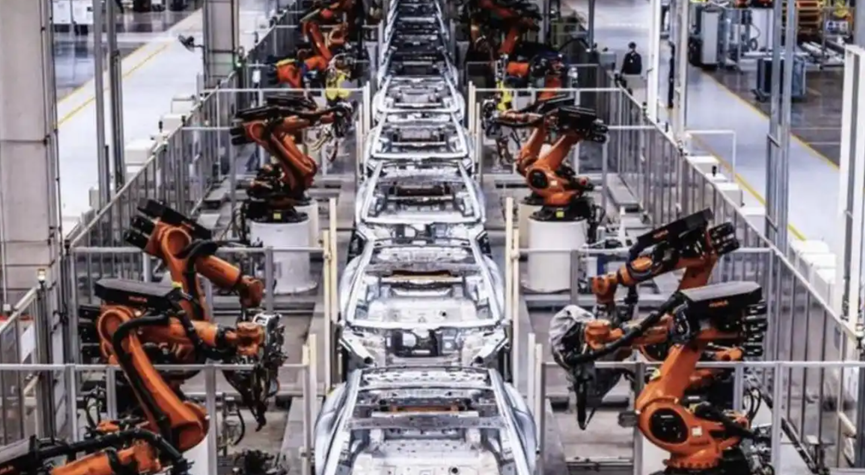
This gives BAIC BluePark a two-brand structure: Arcfox builds scale in mainstream segments, while Stelato moves into higher-margin luxury territory. Stelato's average selling price is about $49,000. In the first quarter, it accounted for only 30% of BAIC BluePark's sales volume but about 60% of revenue, making it a meaningful profit driver. A factory upgrade of about $279 million is expected to double capacity and improve profit potential.
The next race is broader than China sedans
BAIC BluePark is also preparing to take more products overseas. Its international network already covers parts of Southeast Asia, the Middle East and South America. It plans to build 120 overseas outlets by the end of the year, with Arcfox targeting 10,000 export sales in 2026. Stelato is expected to follow overseas once the domestic base is more stable.
The technology pipeline gives the company another source of optionality. Arcfox has received one of China's first Level 3 automated-driving approvals, more than 600 robotaxis are already operating, and solid-state batteries are planned for vehicle installation in 2028.
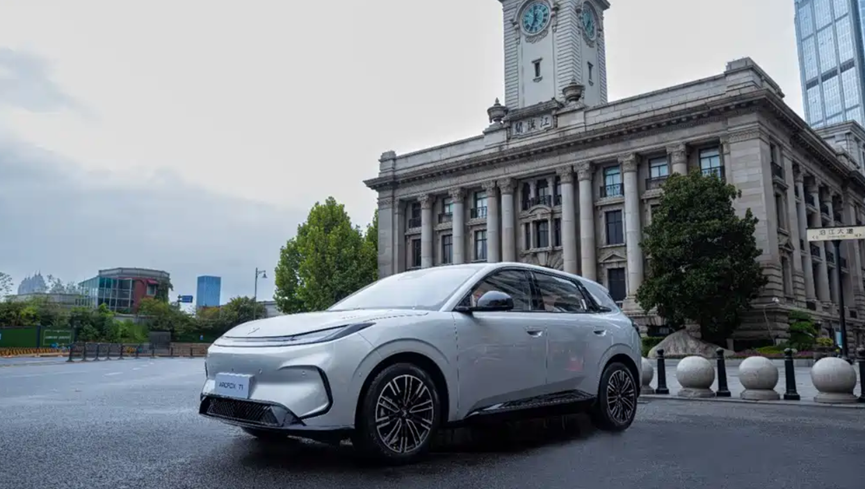
Stelato's rise does not mean the luxury market has been remade overnight. German brands still hold deep advantages in history, image and residual value. Yet BAIC BluePark has done something important: it has combined a state-owned manufacturer's production base with faster, market-driven execution and Huawei-backed intelligent technology. That has opened a visible crack in a segment long treated as a German preserve.