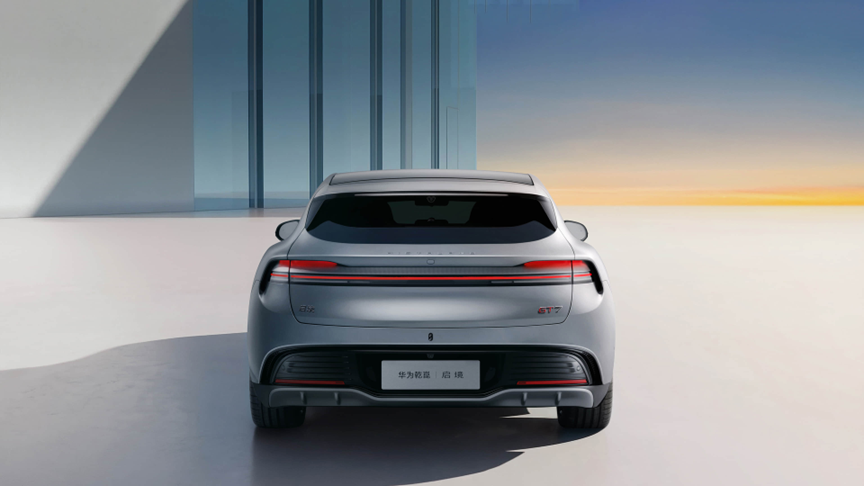
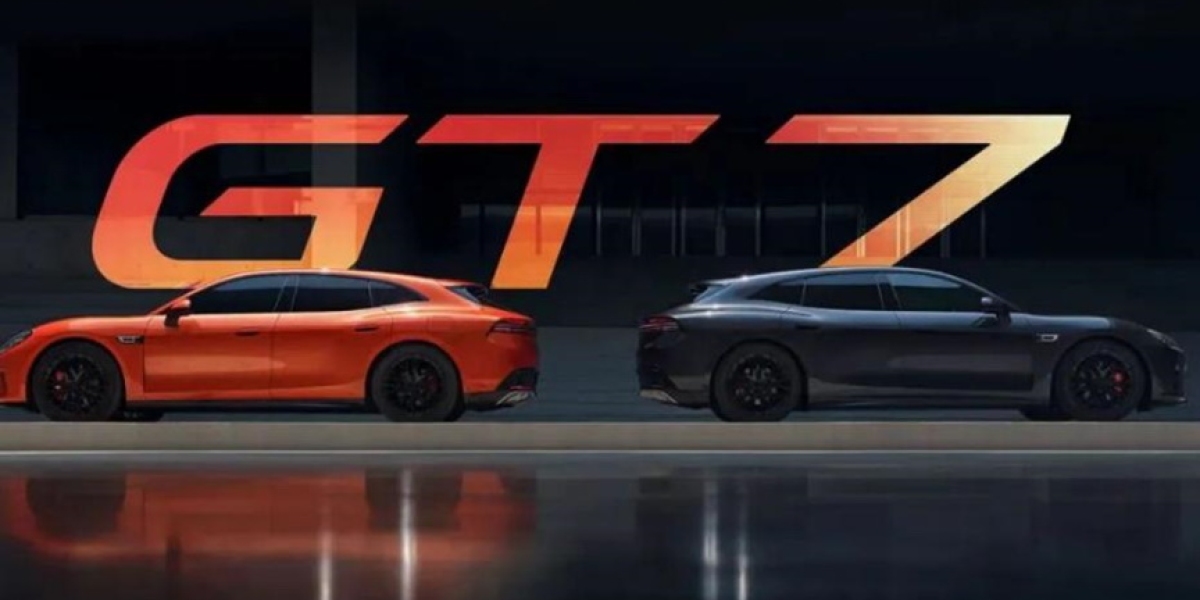
On May 29, 2026, Aistaland opened presales for the GT7 and received more than 10,000 orders within five hours ...
A new brand tries to avoid the usual trade-off
That early response drew attention because the GAC-Huawei brand is entering a brutally crowded Chinese new-energy vehicle market with a first model in an unusual body style: a shooting-brake coupe.
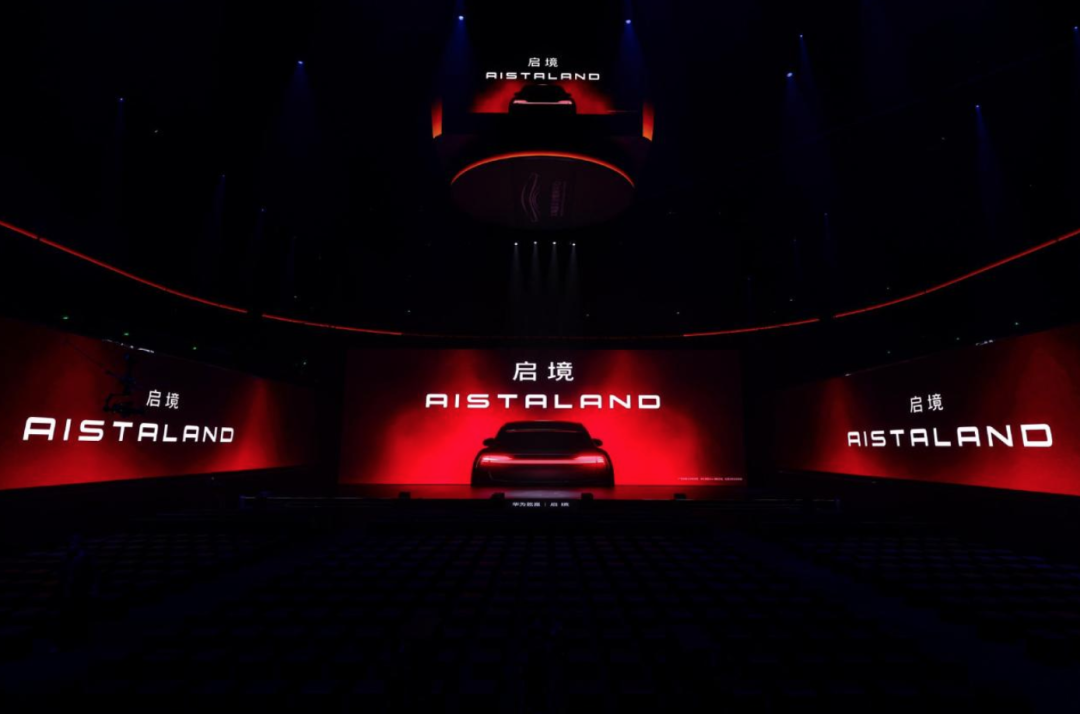
Aistaland sits at the intersection of two urgent needs. GAC needs a stronger route through an industry shake-out as joint ventures lose momentum and its own brands seek sharper differentiation. Huawei wants deeper influence in vehicle technology without every partnership being judged through the same control debate that surrounds other technology-led auto alliances.
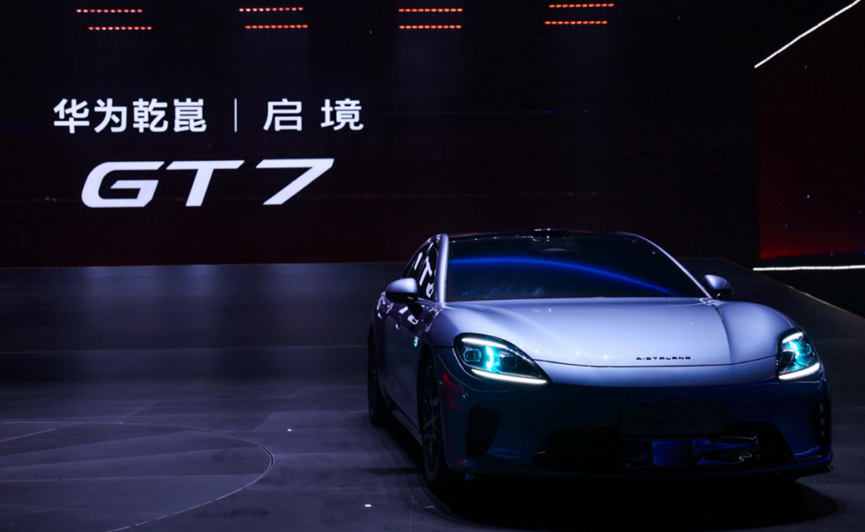
The structure is unusually deep. The brand, manufacturing and channels sit with GAC. Huawei is heavily involved in technology, team processes and development methods. More than 800 people from the two sides have worked together for over a year, with Huawei's IPD process implanted into GAC's manufacturing system. Product definition, design, development, testing, quality validation and launch decisions are jointly advanced.
This makes Aistaland different from a simple supplier relationship and different from a model where the carmaker appears to surrender the brand to a technology company. Its test is whether shared responsibility can create speed without erasing either side's role.
Finding a new point of cooperation
For many carmakers, working with technology companies remains uncomfortable. Full self-development is possible, but building chips, algorithms, smart cabins and assisted-driving systems requires enormous investment. Full outsourcing can deliver results faster, but it risks diluting the carmaker's brand value and technical capability.
Aistaland is trying to occupy the middle ground. GAC no longer treats Huawei as only a supplier, while Huawei does not appear to insist on taking over the brand. The companies have created a more integrated operating system, with shared decisions on product definition, technology selection and development rhythm.
If it works, Aistaland could become a reference model for traditional manufacturers that need stronger technology support but do not want to give up product control. The GT7's early presale orders are only a first signal, not proof of success, but they suggest the market is willing to examine the idea.
A niche body style becomes a strategic opening
The decision to launch with a shooting-brake coupe is risky, but it is also deliberate. China's mainstream EV segments are crowded and dominated by faster, better-funded players. A new brand entering a conventional sedan or SUV category would face severe pressure from the first day.
The shooting-brake segment is smaller, but less saturated. Zeekr 001 helped move the concept from enthusiast circles into broader consumer awareness, with monthly sales stabilising around 5,000 to 6,000 units. Aistaland's argument is that the segment can be upgraded again with a stronger intelligent-vehicle package from Huawei.
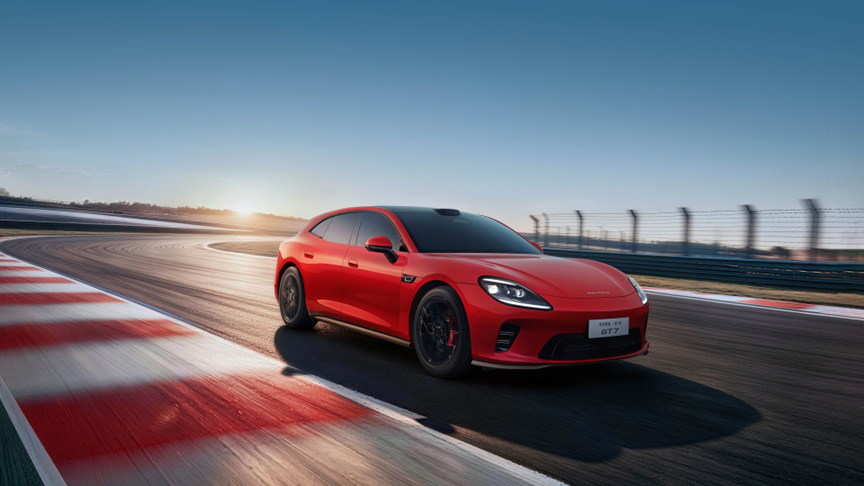
The timing also matches a shift in younger buyers' behaviour. More consumers are willing to pay for personality, design and experience rather than strict practicality. Aistaland is trying to weaken the old view that shooting brakes look good but are not useful.
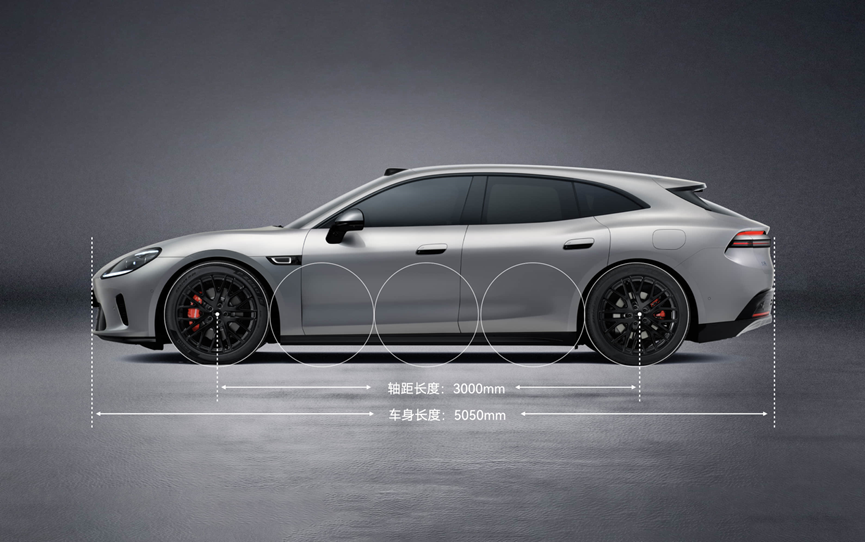
The GT7 addresses practicality with a 215-litre front trunk, 647 litres of standard rear luggage space and up to 1,606 litres with the seats folded. With a starting price of about $31,000 and a specification strategy that presents the entry model as well equipped, Aistaland is trying to make the category look both aspirational and usable.
Huawei technology and GAC manufacturing form the pitch
Aistaland's strongest market signal is the combination of Huawei technology and GAC manufacturing. The GT7 includes an 896-line lidar, ADS 5 intelligent driving, HarmonyOS cockpit 5 and the XMC digital chassis engine. For consumers, the message is simple: the car carries a broad Huawei Qiankun technology package.
GAC provides the other half of the proposition. Manufacturing quality, supply-chain management and production discipline are not built overnight. Many start-ups have had to suffer through production ramp-up and process instability. Aistaland can lean on GAC's mature manufacturing base and quality-control standards from the start.
In the smart-EV era, technology may make consumers pay attention, but reliability still determines whether they buy. Aistaland is trying to build a double backstop: Huawei for intelligence and GAC for production confidence.
Speed will matter
Aistaland is moving quickly. The GT7 is scheduled for delivery in June, and the GX7 is expected to launch in the autumn. That means the brand could move from one model to two product lines within half a year.
The retail push is also accelerating. Aistaland plans to open 300 stores across 70 Chinese cities by the end of June. The participation of investors from traditional luxury-brand networks suggests some confidence in the commercial prospects of the new brand.
The risks remain clear. Huawei's technology dividend is being shared across more brands, which could dilute differentiation. The ceiling of the shooting-brake segment is still unproven. Brand recognition takes time, and China's new-energy market is eliminating weaker players quickly.
Even so, Aistaland has a clearer opening than many new entrants. Its cooperation model gives it a distinct industry story, its first model avoids the most crowded body styles, and its dual support from Huawei and GAC gives it a better survival window. The next test is whether early curiosity becomes deliveries, repeatable execution and durable owner trust.