
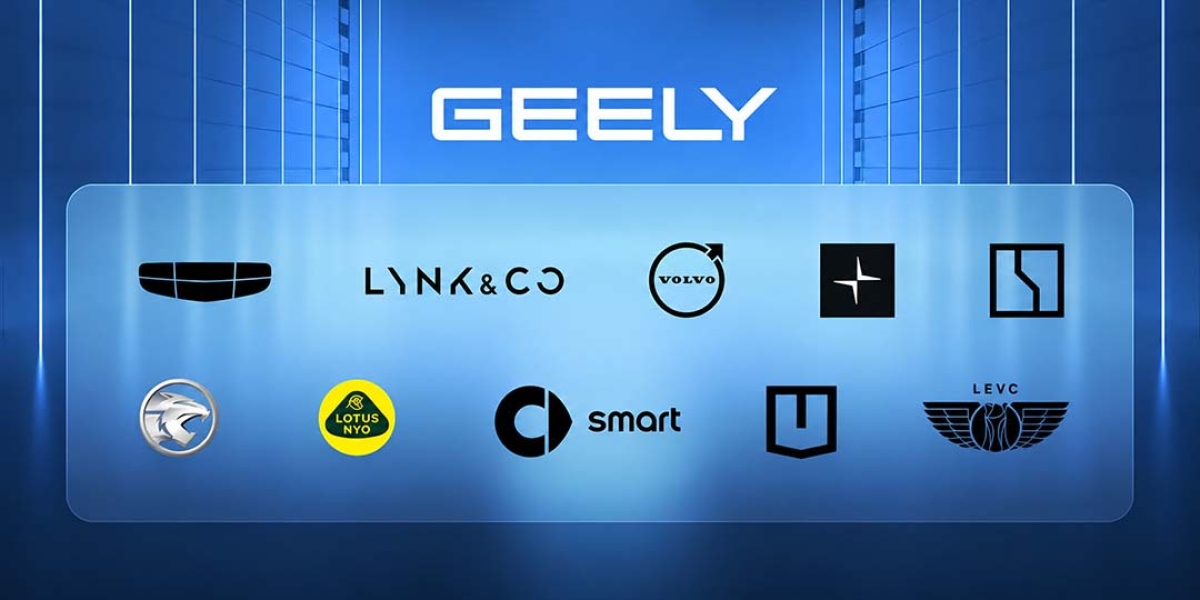
Geely has overtaken Ford in European vehicle sales, becoming the largest Chinese automotive group in the region despite mounting trade barriers against Chinese-built electric vehicles.
Geely Passes Ford in Europe, Marking a Milestone for Chinese Automakers
The milestone underscores how Chinese manufacturers continue expanding in one of the world's most competitive automotive markets even as Brussels raises the cost of market access.
During the first five months of 2026, Geely sold approximately 124,000 vehicles across the European Union through its portfolio of brands, including Volvo Cars, Polestar, Lotus, Lynk & Co, Zeekr and Smart. That surpassed Ford's roughly 108,000 registrations over the same period. According to Reuters, Geely also captured around 2.5% of total registrations in continental Europe between January and April, the highest market share among Chinese automotive groups.

The figure remains modest compared with Europe's largest manufacturers. Volkswagen Group controls more than a quarter of the market, while Stellantis and Renault maintain significantly larger positions. Yet among Chinese automakers, Geely has established a clear lead, reflecting years of acquisitions, platform development and brand expansion across Europe.
Growth Is No Longer Driven by Volvo Alone
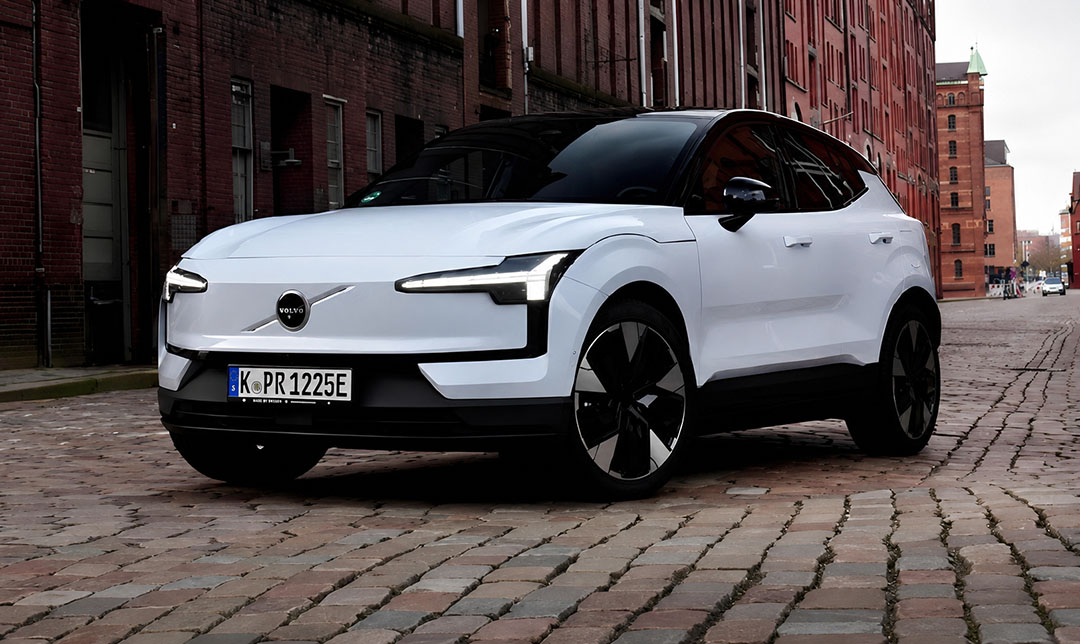
Volvo continues to account for a substantial share of Geely's European business. As an established Scandinavian brand with mature dealer networks and strong customer recognition, it provides the group with an advantage unavailable to most Chinese competitors.
What is changing is the pace at which Geely's own brands are gaining traction.
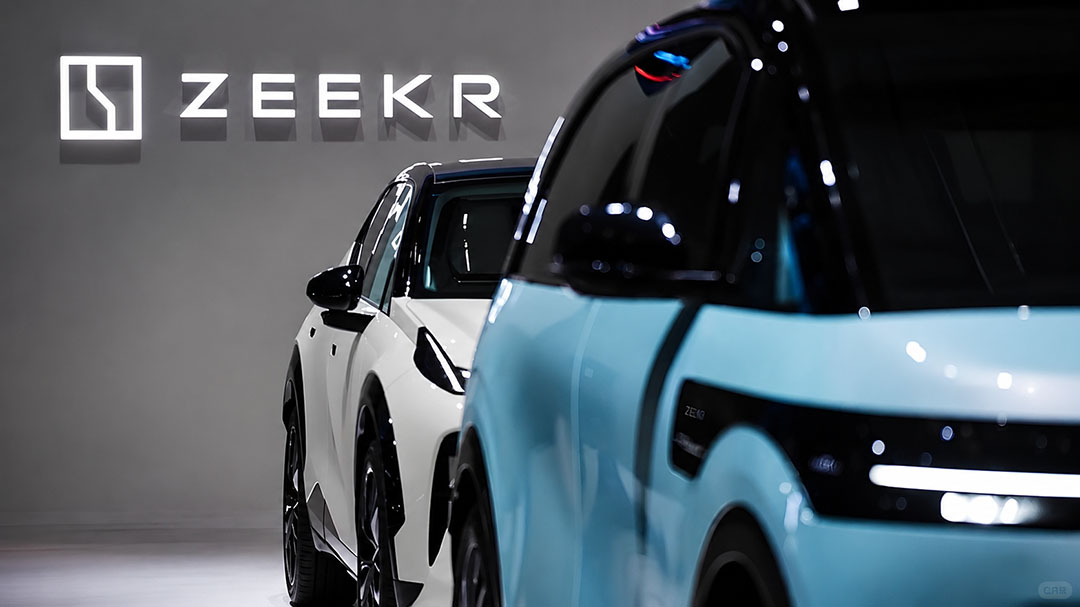
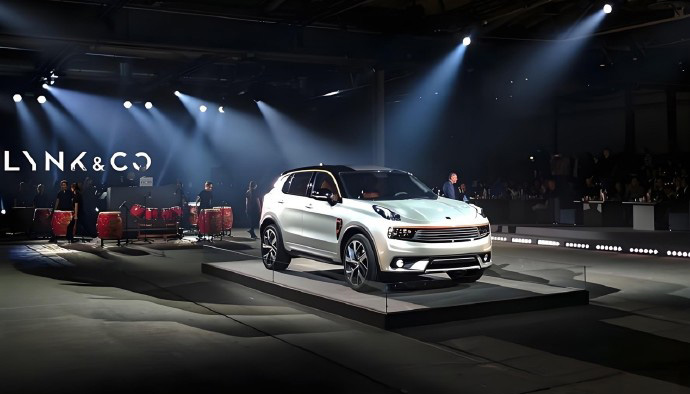
Dataforce figures show Geely-branded vehicle sales in Europe rose by more than 800% during the first four months of 2026 compared with a year earlier, reaching around 6,440 units. Lynk & Co now operates in 25 European markets through 121 sales locations, while Zeekr plans to expand its dealer network from roughly 30 outlets to around 100 by the end of 2026 after entering the region in 2023.
The expansion suggests Geely is gradually transforming from the owner of successful European brands into a company capable of building recognition for Chinese-developed products in mature overseas markets.
EU Tariffs Have Raised the Stakes
Geely's advance comes against an increasingly difficult regulatory backdrop.
Since October 2024, the European Union has imposed anti-subsidy duties on battery electric vehicles manufactured in China. Those tariffs are applied on top of the bloc's existing 10% import duty, leaving Geely subject to an additional 18.8% tariff, BYD to 17.0%, and SAIC to as much as 35.3%. For some models, the combined tariff burden exceeds 45%.
European policymakers have also discussed extending anti-subsidy measures to plug-in hybrid vehicles, creating fresh uncertainty for Chinese manufacturers that have increasingly shifted towards hybrid exports.
Every additional vehicle sold into Europe therefore faces greater policy risk than only a few years ago, making long-term expansion dependent on more than competitive pricing.
A Strategy Built Around Flexibility
Geely has responded with a two-pronged strategy designed to reduce its exposure to changing trade policies.
The first is a shift towards plug-in hybrid vehicles. Chinese exports of plug-in hybrids to Europe accounted for more than 55% of electrified vehicle shipments during the first quarter of 2026, up sharply from roughly 30% a year earlier. Geely's Thor Hybrid powertrain is intended to appeal to European buyers seeking improved fuel efficiency without relying entirely on public charging infrastructure.
The second pillar is local manufacturing.
Spanish media have reported that Geely has reached an agreement with Ford to acquire a body assembly and final assembly production line at Ford's Valencia plant to produce future multi-energy vehicles based on the company's Global Intelligent Electric Architecture (GEA). If completed, the project would allow Geely to expand European production while reducing exposure to import tariffs.
Volvo Cars' management has also suggested that production capacity at its European factories could eventually be shared with other Geely-controlled brands, providing additional manufacturing flexibility inside the European Union.
Analysts See Advantages Beyond Low-Cost Manufacturing
Despite growing geopolitical uncertainty, major international investment banks remain broadly positive on Geely's long-term outlook.
Citigroup recently raised its Hong Kong-listed target price from HK$26 to HK$27 while maintaining a Buy rating and increasing earnings forecasts for 2026 through 2028 by around 3%. Analysts at Bank of America and Morgan Stanley also maintain largely positive recommendations, with very few Sell ratings across the sector.
The investment case rests on three structural advantages.
First, Geely's shared vehicle architectures, including CMA and SEA, allow multiple brands to use common engineering and components, lowering development costs as production volumes increase.
Second, the company continues integrating its European commercial operations. Earlier this year, Geely transferred responsibility for Lynk & Co's European marketing, sales and after-sales services to Volvo Cars, reducing duplicated investment while taking advantage of Volvo's established retail network.
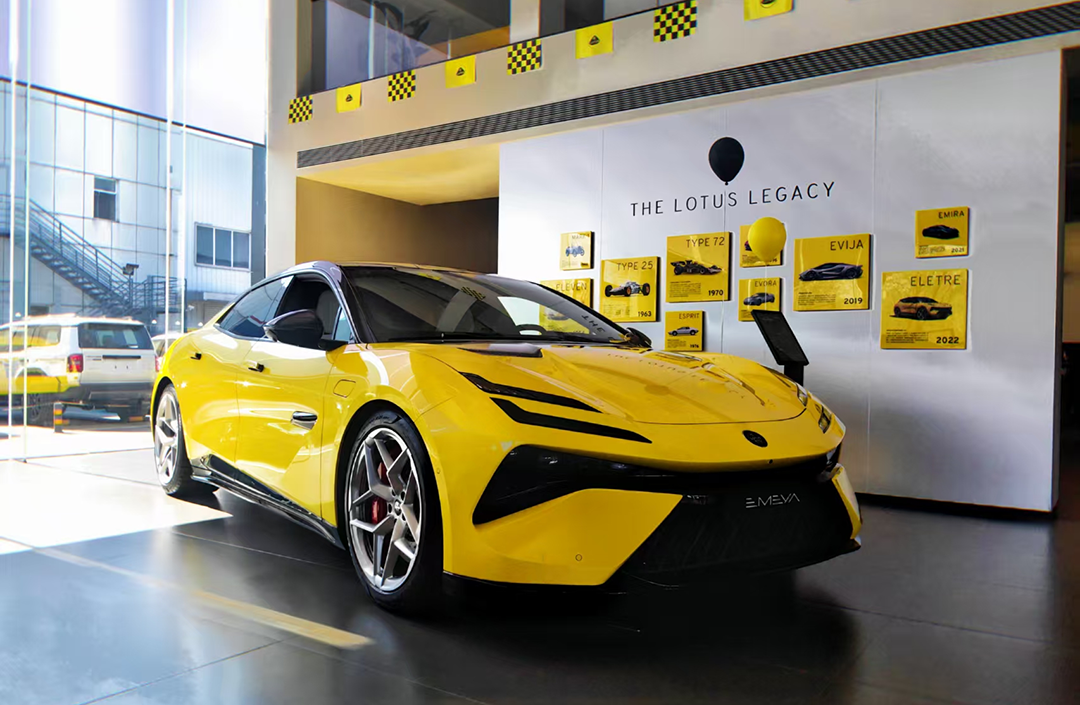
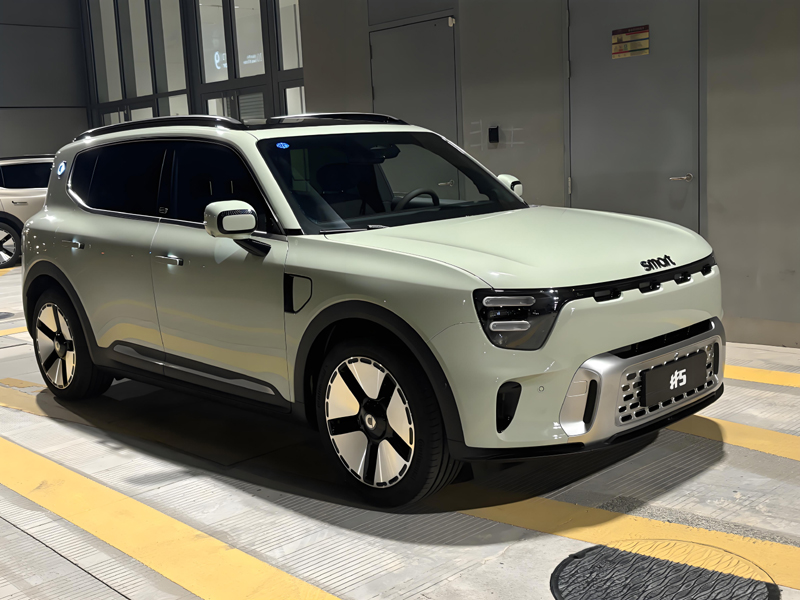
Third, Geely now covers nearly every major segment of the European market. Volvo serves premium buyers, Zeekr targets the high-end electric vehicle segment, Lynk & Co offers flexible ownership models, while Smart focuses on compact urban mobility.
Holding the Lead May Be More Difficult Than Winning It
Geely's achievement comes as competition among Chinese manufacturers accelerates across Europe.
Chinese brands collectively increased their European market share to approximately 10.7% in May, up from 9.8% in April. The market opportunity is expanding, but so is competition among companies seeking to establish themselves before local production becomes essential.
BYD registered around 31,575 vehicles across Europe in May, representing year-on-year growth of more than 141%. Several other Chinese manufacturers are also accelerating their regional expansion, intensifying the race for scale and brand recognition.
For Geely, overtaking Ford is an important symbolic milestone, demonstrating that a Chinese automotive group can outperform one of Detroit's traditional manufacturers in Europe's home market. Maintaining that advantage will be a tougher challenge.
Expanding Zeekr's dealer network, integrating Lynk & Co into Volvo's distribution system and establishing manufacturing capacity inside Europe all move the company in the right direction. The question facing investors is no longer whether Geely can compete in Europe. It is whether it can widen the gap before trade barriers rise further and rivals such as BYD close in.