

Volvo Cars CEO Håkan Samuelsson has suggested that Geely, Zeekr and Lynk & Co could make use of Volvo’s existing European production capacity instead of investing in new factories.
Volvo considers opening plants to Geely-linked brands
He emphasized that local manufacturing is essential for success in Europe and argued that using existing facilities may be faster and more cost-efficient than building new plants. He also clarified that Volvo would maintain brand independence without structural consolidation.
The proposal effectively positions Volvo as a potential provider of industrial capacity across Europe.
Significant underutilised capacity across Europe
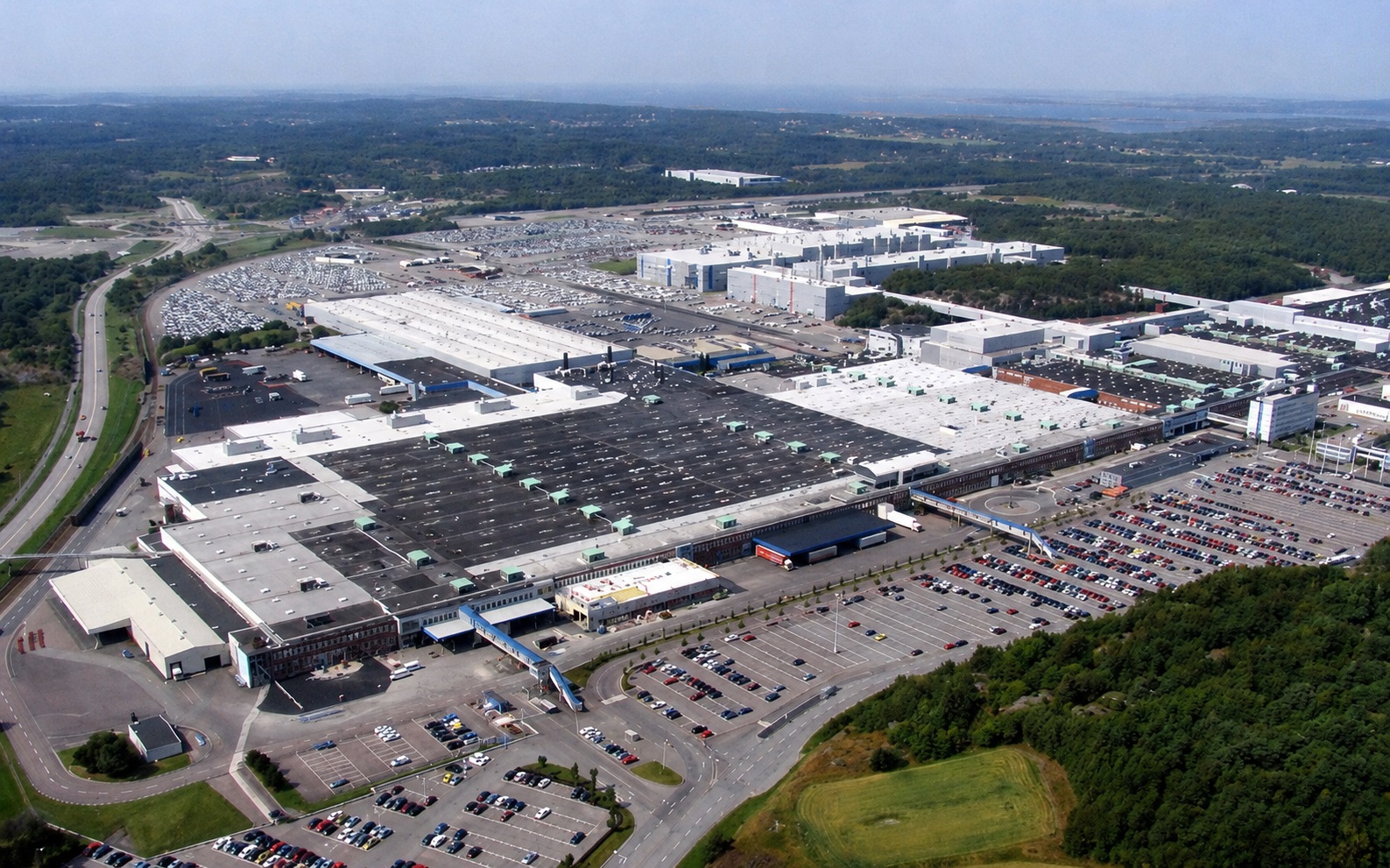
Volvo operates three main European manufacturing sites: Torslanda in Sweden, Ghent in Belgium, and a planned plant in Košice, Slovakia.
Combined annual capacity is around 800,000 units, yet European sales in 2025 were roughly 380,000 units, leaving utilisation below 50%.
Torslanda and Ghent currently produce a limited range of models including XC90, XC40 and EX30, leaving spare capacity available. Košice is still under development and will require volume once it becomes operational.
Tariffs increase urgency for local production
EU trade measures introduced in late 2024 have raised tariffs on Chinese-made electric vehicles to around 29%, significantly increasing landed costs for exporters.
Additional policy discussions in Brussels could extend tariff exposure to plug-in hybrids, further tightening export conditions for Chinese automakers.
As a result, local European production is increasingly viewed as both a cost-control mechanism and a regulatory necessity.
Geely pursues dual-track European expansion
Geely is exploring two parallel strategies to expand its European manufacturing footprint.
The first involves acquiring idle capacity at Ford’s Valencia plant in Spain, which has been underutilised since 2023. Investment requirements are estimated at €300–500 million, significantly lower than building a new plant.
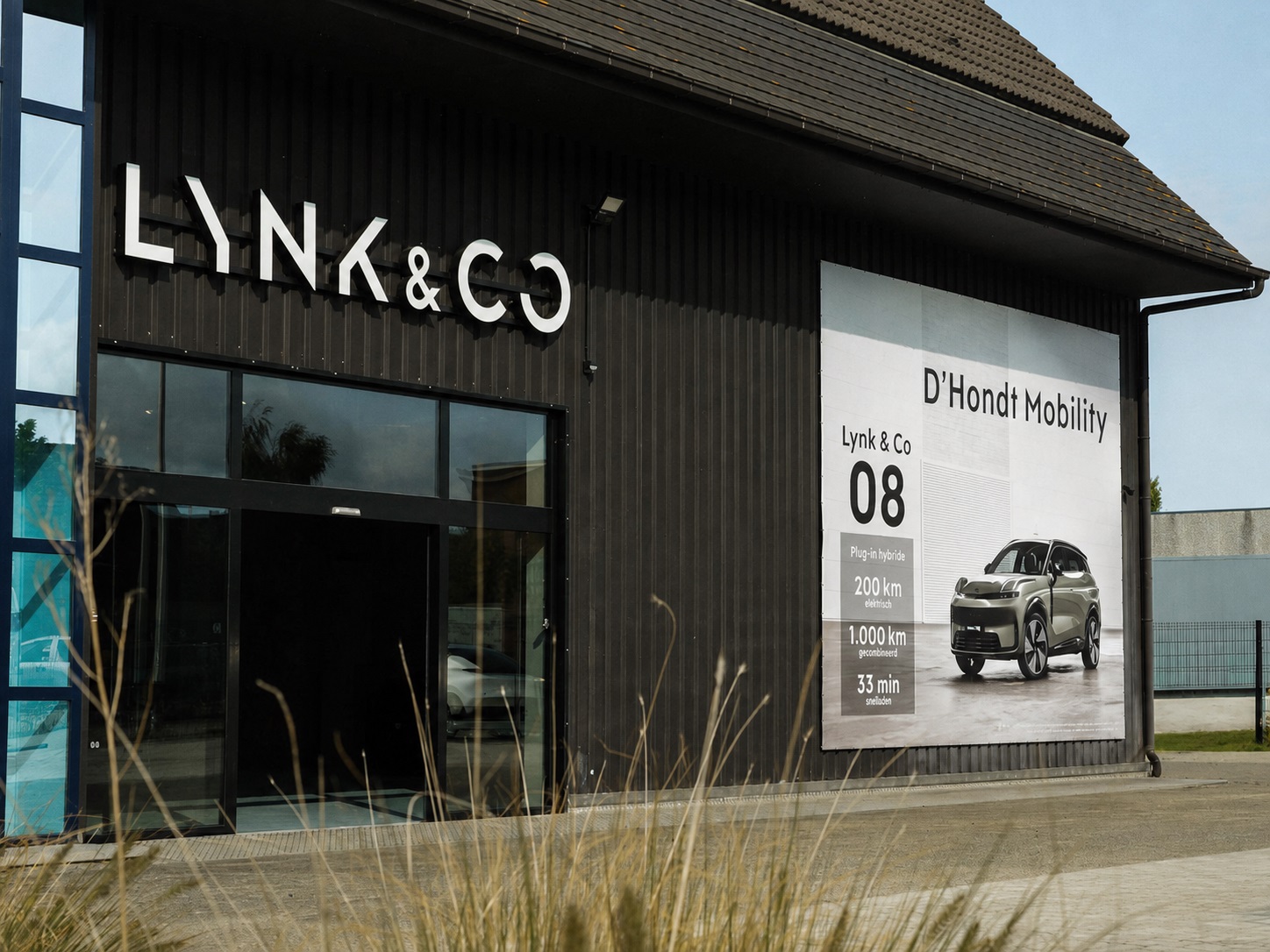
The second route is internal group coordination. Volvo and Geely have already integrated Lynk & Co into Volvo’s European distribution network, creating a foundation for deeper manufacturing collaboration.
Shared platforms such as CMA and SPA reduce technical barriers to production alignment.
Outlook: Europe’s production map is shifting
If both strategies progress, Geely could operate a dual European production base combining Volvo facilities in Sweden and Belgium with repurposed capacity in Spain.
Geely’s European sales have grown rapidly from a low base, reaching around 14,000 units year-to-date in 2026.
Key risks remain, including EU antitrust approval for acquisitions and delayed ramp-up of new capacity in Slovakia. In the short term, Volvo’s existing plants represent the most immediately available production option.
The broader trend points toward deeper integration between European manufacturing assets and Chinese automotive groups.