China's new-energy vehicle penetration continues to rise, and many carmakers are reducing investment in combustion models. The sales data tells a more complicated story.
Petrol Demand Remains Too Large to Ignore
From January to May 2026, petrol passenger-car sales in China reached 3.87mn units, still accounting for 52 per cent of the market.
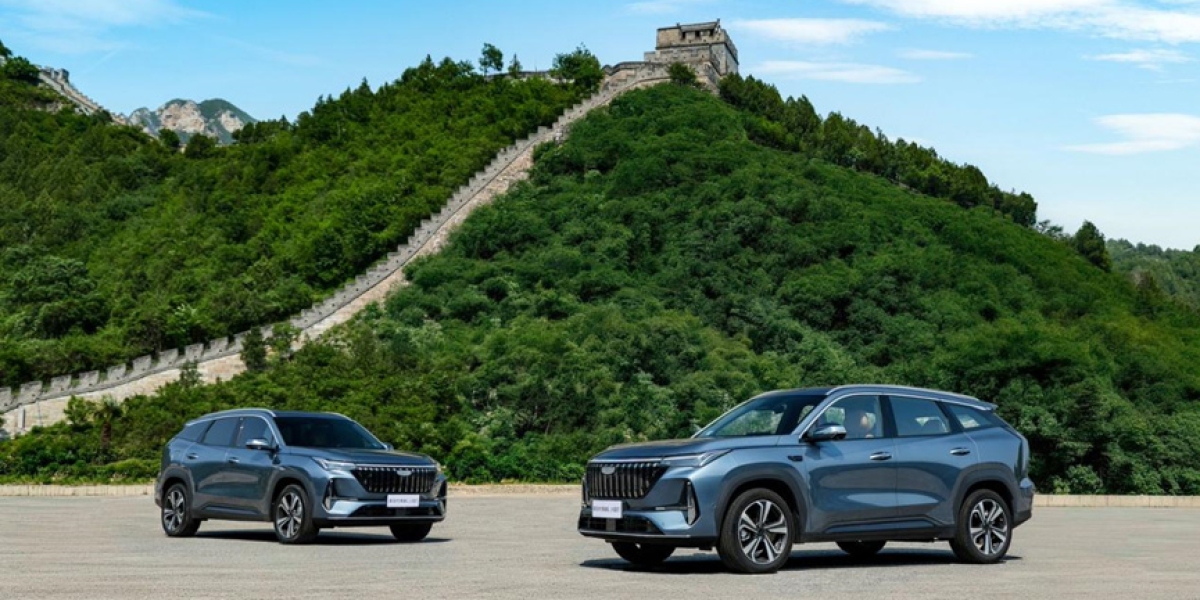
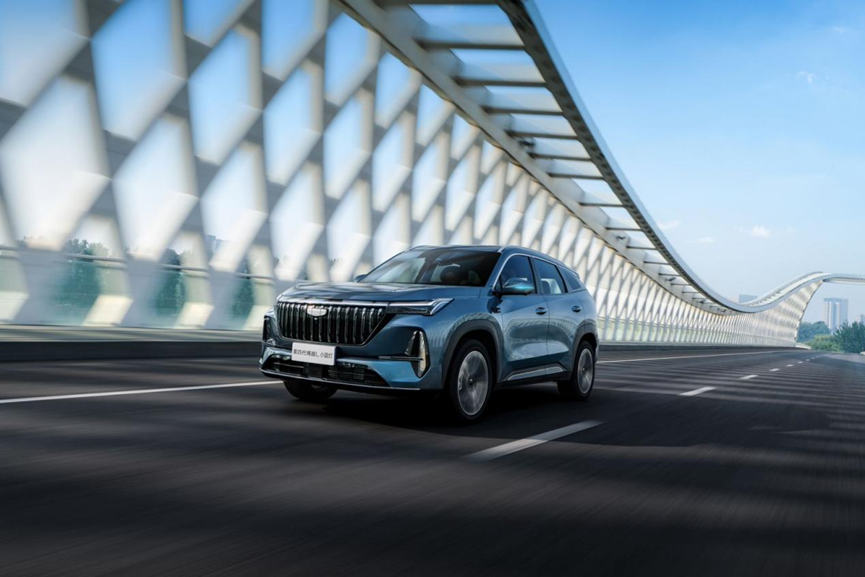
More than 25,000 petrol cars are still delivered to Chinese buyers every day, and more than 200mn remain on the road. That is the market Geely is addressing with the fourth-generation Starray.
The model has led all-brand petrol SUV sales in China for five consecutive months in 2026 and has topped the A-segment petrol SUV ranking for 11 months. Average monthly sales have exceeded 30,000 units, an unusually strong result for a vehicle competing in a market assumed to be in structural decline.
Geely’s Multi-Energy Bet
Geely's argument is that petrol, hybrid and electric vehicles are not simple replacements for one another. They will coexist for longer than much of the market narrative suggests, because buyers have different infrastructure, cost and usage needs.
That explains why the company has continued to invest in combustion models while also building electric and hybrid platforms. Its global research centres, Xingrui computing platform and AI models are being used to bring EV-style intelligence into petrol cars.
The Starray uses Geely's GEEA 3.0 electrical architecture, Xingrui AI-Drive tuning and FlymeAuto cabin system. Technologies that once sounded exclusive to new EV brands are being pushed into a mainstream petrol SUV.
Advanced Assistance Below the Usual Price Point
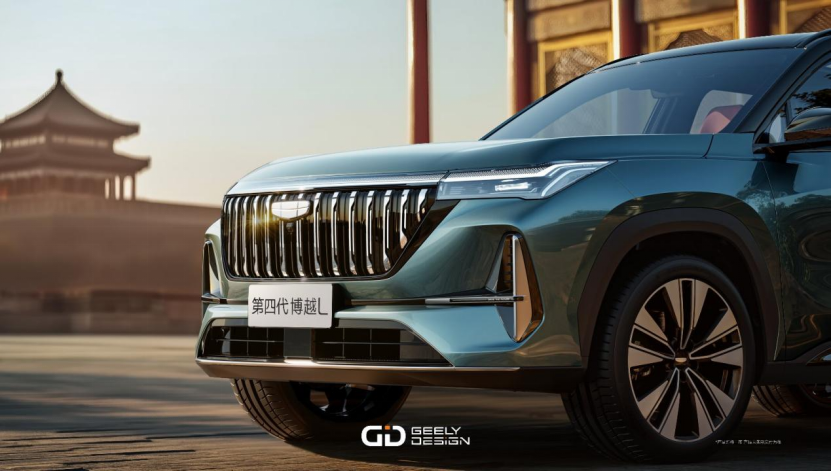
The Blue Light version of the Starray uses the Qianli Haohan H3 driver-assistance package. Geely says it is the only petrol SUV below about $17,000 in China with high-level assisted-driving capability.
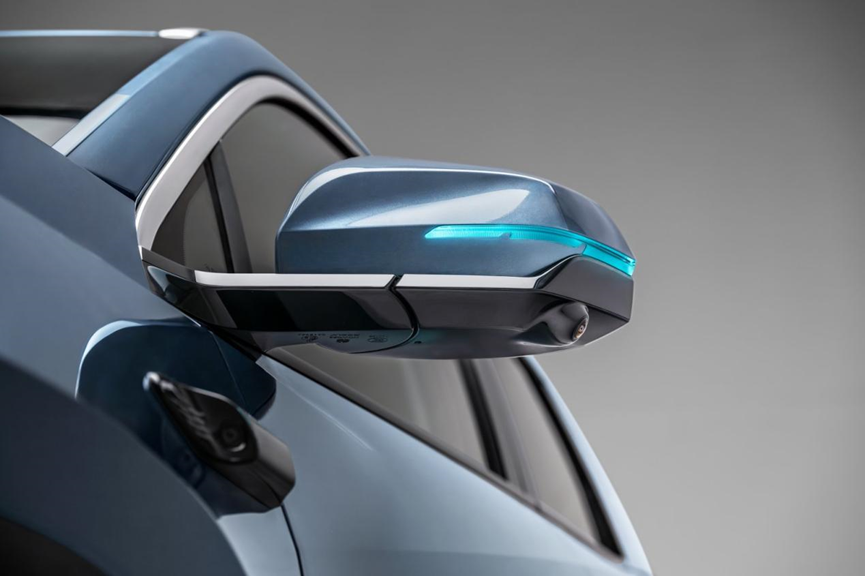
The system is based on Horizon Robotics' Journey J6M chip, with 128 TOPS of computing power, three millimetre-wave radars, 11 cameras and 12 ultrasonic sensors. It supports highway and elevated-road navigation assistance, traffic-jam cruising and multi-scenario parking assistance.
User data is central to the pitch. Geely says the Blue Light version has a 75 per cent assisted-driving activation rate, with some users recording more than 50,000km of assisted driving and individual cars logging more than 2,000 parking-assist events.
An EV-Style Cabin in a Petrol SUV
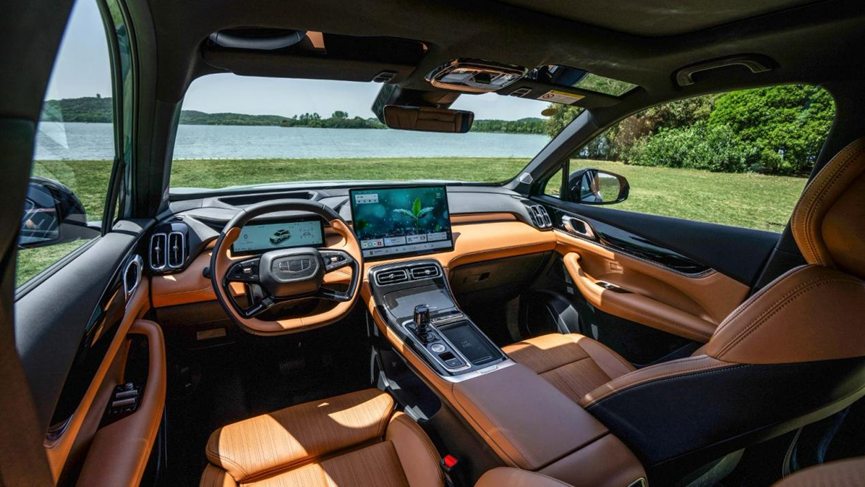
The cabin strategy is just as important. FlymeAuto is fitted across the range, alongside a 15.4-inch 2.5K display, a 16-speaker FlymeSound audio system, a 1,000W independent amplifier, 7.1.2 surround sound and a 25.6-inch AR head-up display.
Those features would not look out of place in an electric SUV costing about $28,000, but Geely is applying them to a lower-priced petrol model. Full-domain FOTA upgrades also allow the car to keep receiving software improvements after delivery.
The Starray Formula Has Been Built Over a Decade
The Starray family has sold more than 2.4mn units globally since 2016. The first generation helped bring voice interaction into China's mass-market SUV segment. Later versions added wider safety technology, CMA architecture and navigation assistance for petrol cars.
The model is also part of Geely's export story. It has reached more than 60 markets, with local production in Belarus and Malaysia and a strong position among Chinese-brand SUVs in countries including Costa Rica and Moldova.
The broader message is that Geely is not treating petrol as a legacy afterthought. It is using combustion-car volume to fund software, data and global expansion, while giving petrol buyers the intelligent functions they increasingly expect.
The debate over petrol versus electric will continue. Geely's wager is that buyers ultimately care less about the slogan attached to an energy strategy than about whether the vehicle is easy to drive, easy to park, affordable to run and modern enough to keep.