
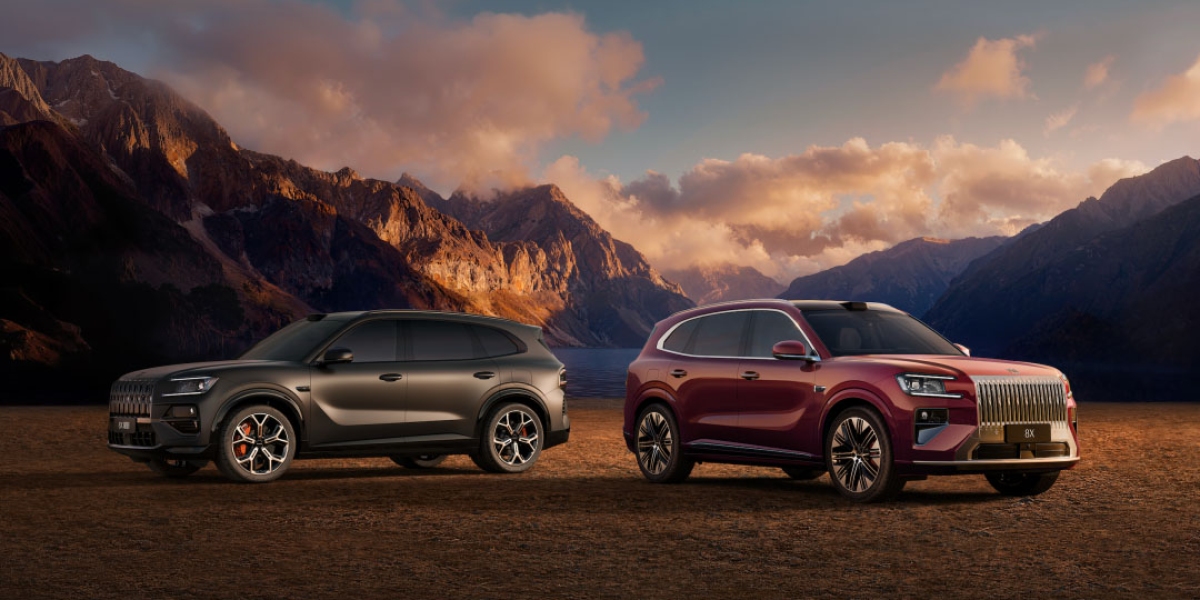
A Chinese electric vehicle brand turning a large SUV into one of the biggest draws at the Beijing auto show says as much about the country’s premium-car ambitions as it does about a single model.
At the 2026 Beijing auto show, Zeekr’s stand became one of the busiest on the floor. Pianist Lang Lang, actor Huang Xiaoming and other celebrities were seen at the booth, while Li Auto chief executive Li Xiang spent time inside the Zeekr 8X, giving the car an extended look.
The attention had started before the show opened. Zeekr launched the 8X on April 17. Within 29 minutes, the company said firm orders had passed 10,000 units. The more important number was not the order count, but the mix: Ultra and higher-trim versions accounted for 95.6% of orders, while the average transaction price exceeded about $59,000.
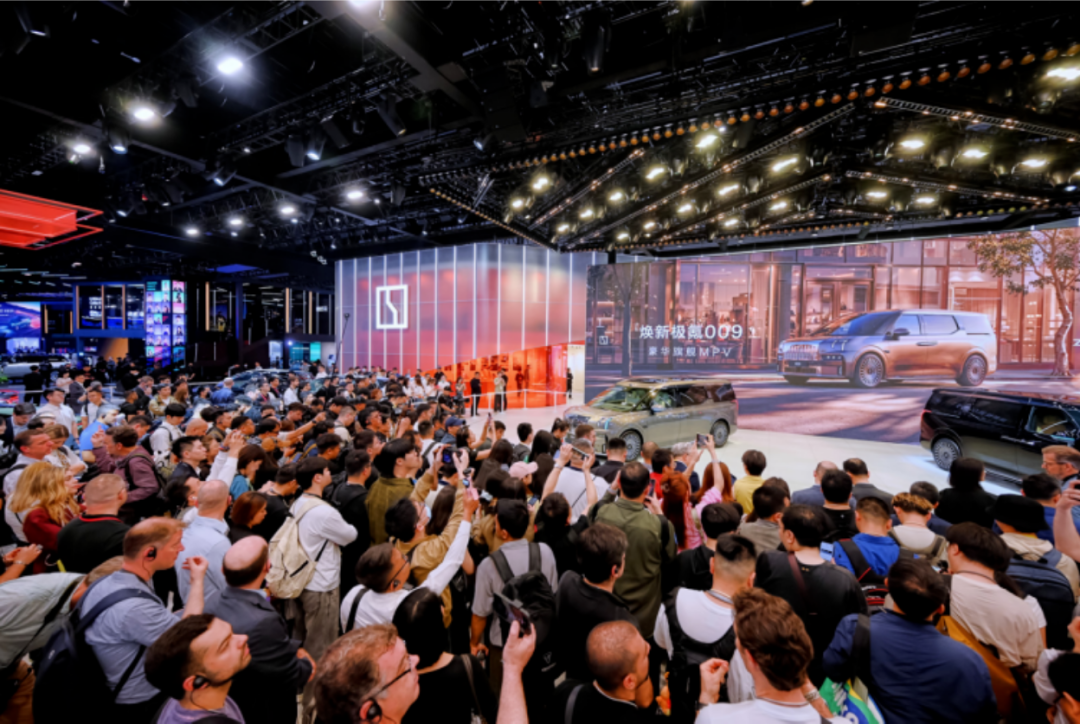
That means buyers were not lining up simply because the car was cheap. The 8X is being bought as a serious premium SUV, not as a discounted alternative.
Zeekr quickly moved to keep the momentum going. Five days after launch, it named actor Peter Ho as the model’s “delivery officer”, pairing his image with what the brand called a new “king of the road”. The marketing may have been theatrical, but the bigger question is more strategic: why are consumers willing to pay more than $59,000 for a new Chinese SUV?
The 8X Is Not Just a Pricing Story
The Zeekr 8X has a limited-time benefit price range of roughly $49,000 to $70,000. In China’s premium SUV market, that pricing is aggressive. Yet what has unsettled rivals is not the price alone, but the technology Zeekr has packed into it.
The car uses Zeekr’s Haohan-S super hybrid architecture, a full-stack 900V high-voltage hybrid system, a 6C hybrid battery and a dedicated 2.0-litre hybrid engine. Much of that technology first appeared only months earlier on Zeekr’s more expensive 9X, a vehicle positioned at around $78,000.
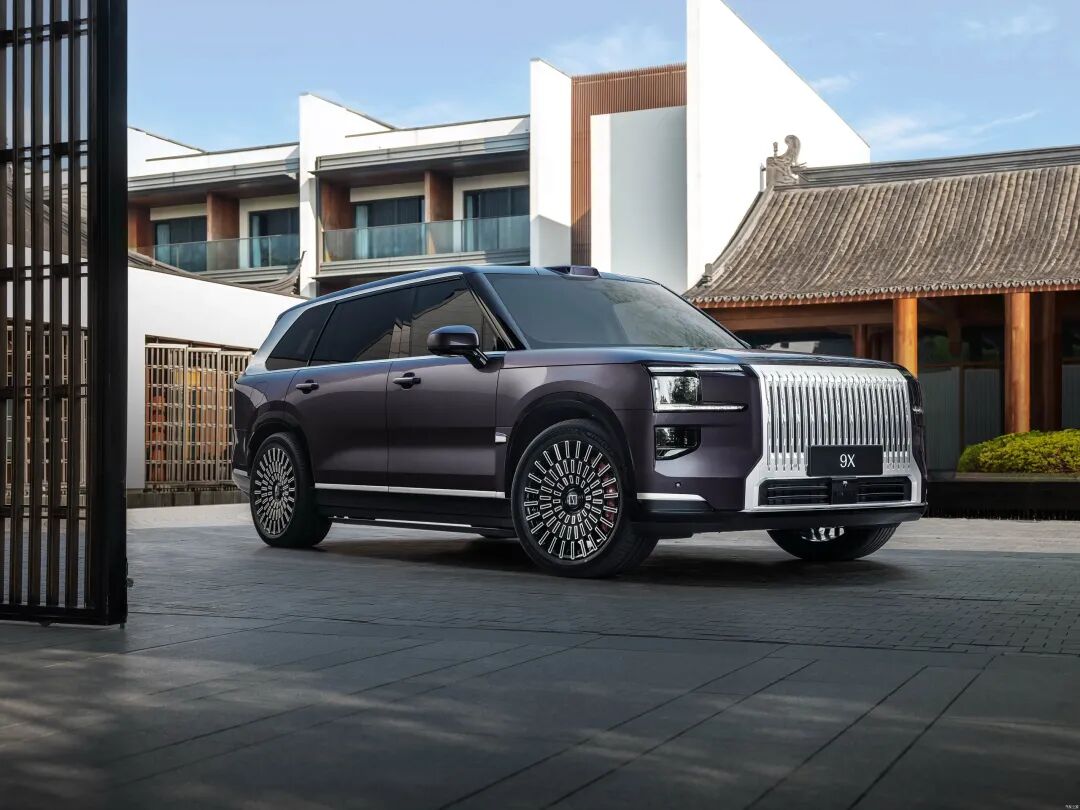
The 8X also brings a tri-motor megawatt electric-drive system with peak output of 1,030kW and a claimed 0-100km/h acceleration time of 2.96 seconds. Zeekr says that makes it the fastest accelerating hybrid SUV in the world, a performance claim that would previously have belonged to far more expensive models.
Inside, the 8X introduces a new cabin-and-driving integrated intelligent system. Built around Zeekr’s WAM world behaviour model, it links cockpit functions with assisted driving and turns the voice assistant into an AI system able to interpret the vehicle’s surroundings.
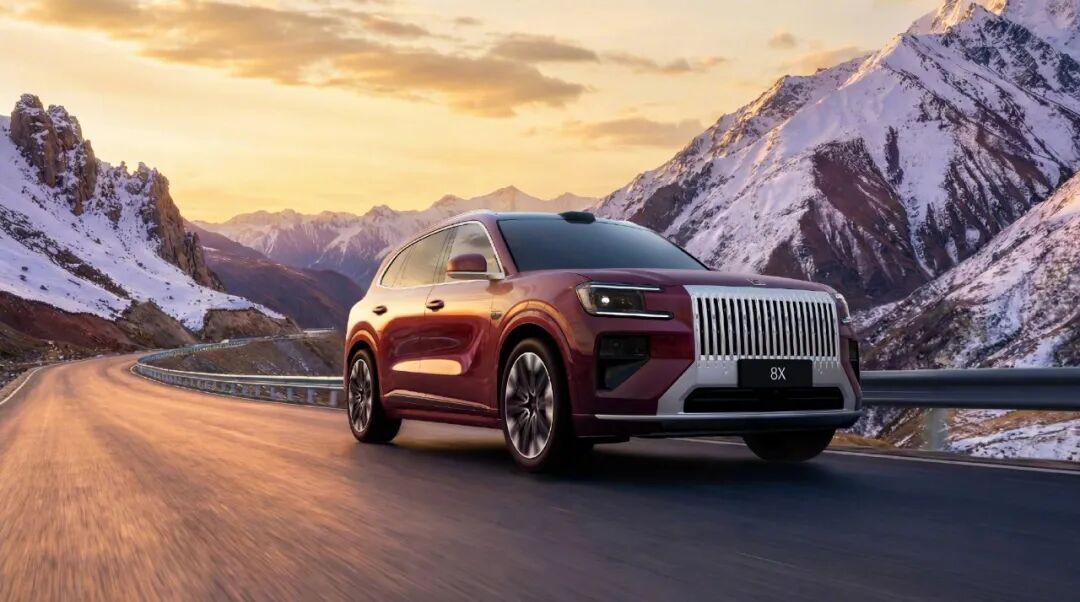
Any one of these technologies could have supported a standalone launch event a few years ago. In the 8X, they arrive together in a vehicle that starts below $49,000. That is why some Chinese media have described the model as a “price killer”. But the economics are more complex than a simple discount strategy.
The 9X Created the Technology Surplus
The 8X’s strongest argument was built by the 9X. Launched in September 2025, the Zeekr 9X led China’s large SUV sales chart above roughly $74,000 for five consecutive months. Deliveries passed 10,000 units in December alone, cumulative deliveries exceeded 50,000, and the average transaction price was above $78,000.
One figure is especially important: Zeekr says 80% of 9X buyers came from traditional luxury brands such as Mercedes-Benz, BMW, Audi and Porsche. In other words, the 9X did not merely sell well inside the Chinese EV market. It entered the core customer base of legacy premium brands.
The 9X therefore mattered less as a volume model than as a strategic breakthrough. It pushed a Chinese brand through a price and perception ceiling that had long limited domestic premium vehicles, giving Zeekr’s higher-end technologies a real-world test among luxury buyers.
The 8X benefits from that earlier investment. Its chassis, hybrid architecture, tri-motor system and digital chassis technology are effectively the product of the 9X development cycle. The high-margin flagship helped absorb the research and development burden. Once that technology was validated at the top end, Zeekr could deploy it into the $44,000 to $74,000 range at a much lower marginal cost.
That makes the 8X different from a model built to chase sales through subsidies. It is using the accumulated technical surplus of a flagship programme to create distance in the mainstream premium market.
A Five-Year Premium Relay
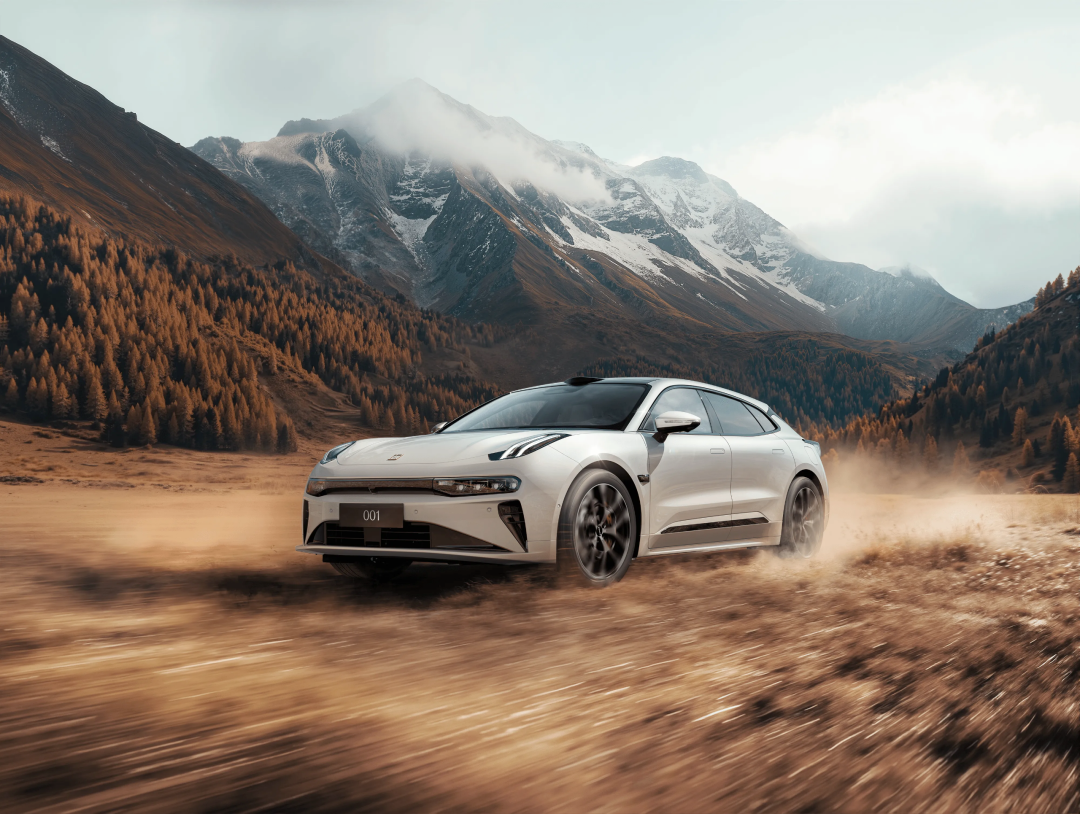
Zeekr has used this approach before. The 001 created a new space for the brand with a shooting-brake EV that helped define a niche in the $30,000 to $44,000 band. The 7X brought higher-grade chassis and intelligent features into a more affordable family SUV. The 8X is different because it is no longer trying to create a niche. It is moving straight into the mainstream premium SUV market.
Seen together, the 9X and 8X look like a relay race. The flagship establishes credibility, absorbs development cost and creates brand momentum. The next model carries those technologies into a broader segment.
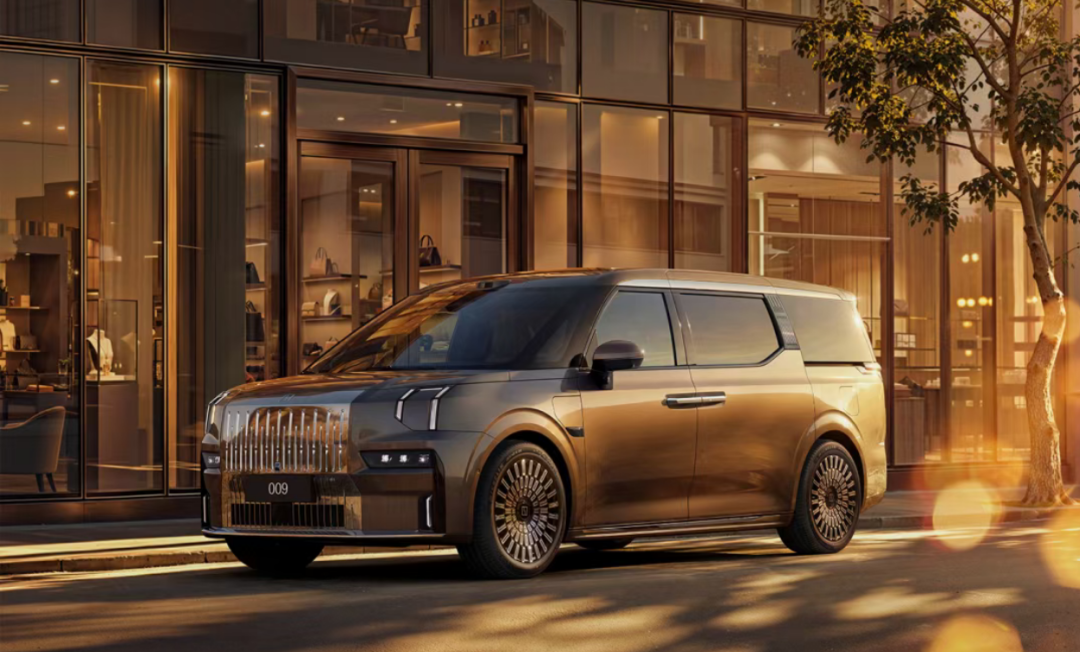
The same logic can be seen across Zeekr’s wider line-up. The 009 has led China’s MPV market above $59,000 for two consecutive years, according to the company, and has also topped luxury electric MPV rankings in Hong Kong, Thailand and Malaysia. MPVs are not the largest segment, but they are among the hardest premium categories to win because business users are highly sensitive to comfort, quietness and status.
The 001 remains Zeekr’s starting point. In 2023, few Chinese brands were confident enough to price a shooting-brake EV around $44,000. The 001 did so and became the sales leader among Chinese battery-electric models above that level, with cumulative deliveries approaching 100,000 units. More importantly, it gave Zeekr its first core customer base: younger, well-educated buyers willing to pay for design, driving feel and technology.
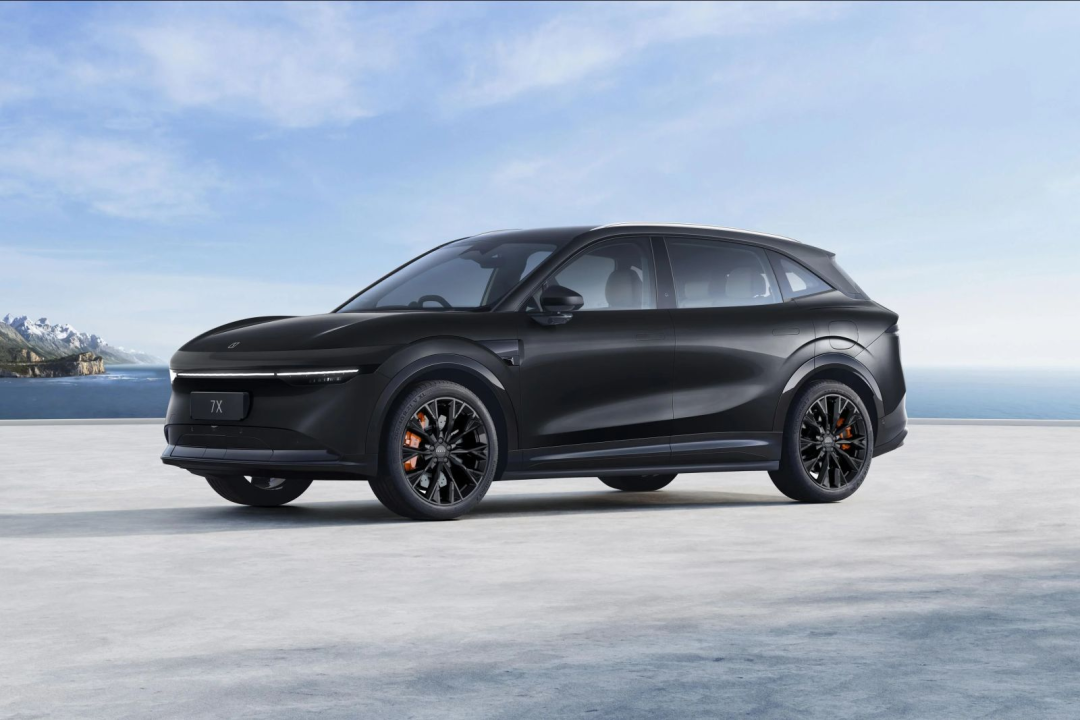
The 7X then became the bridge. Positioned as a large five-seat luxury SUV at around $34,000 to $40,000, it sold 60,771 units in 2025 and briefly crossed 10,000 monthly sales after the start of 2026. Its role was to move Zeekr’s technology reputation from the niche shooting-brake market into a more mainstream family SUV category.
With the 009 in premium MPVs, the 9X in large luxury SUVs, the 7X as a volume SUV, the 001 defining the shooting-brake segment and the Zeekr X covering the entry point at about $22,000, Zeekr has built a product board stretching from roughly $22,000 to more than $78,000. The 8X fills the most important gap: the core $44,000 to $74,000 premium SUV battleground.
Scale Is the Other Half of the Strategy
Geely Auto Group chief executive Gan Jiayue has said the auto industry ultimately depends on scale: good products must reach more people, and scale helps spread costs across the business. That statement comes close to summarising Zeekr’s product logic.
The model is not easy to copy. It requires a unified and highly reusable technology platform. It also requires flagship products that genuinely sell, rather than halo cars that exist only for marketing. Without both elements, the relay breaks down.
That is why the 8X is more than a new SUV. It is a test of whether a Chinese premium brand can use one successful flagship to reset expectations across a wider market.
Zeekr Is Fighting a Battle Over Expectations
The 95.6% high-trim order share may look like a launch statistic, but it carries a deeper message. Buyers in the $59,000 SUV market are not looking for “good enough”. They want a car that feels uncompromised.
That has been the problem for many Chinese new-energy brands in the premium price band. They could tempt customers with a lower price than German rivals, but many buyers still needed a reason to believe they were choosing something better, not merely cheaper.
The 8X appears to have found that argument. Customers choosing Ultra and higher versions are not paying the entry price. They are committing more than $59,000, a level that turns the purchase into a direct vote of confidence in Zeekr’s technology and brand positioning.
Chinese financial media have described Zeekr’s pricing logic as an effort to use Geely’s system-level capability to bring features and performance once reserved for luxury brands to a much larger audience. Put simply, Zeekr is not only fighting a price war. It is fighting a battle over expectations, asking consumers to reconsider what a premium SUV should deliver for the money.
The real rival is not only another EV maker. It is the market’s long-held belief about how much a respectable, high-end SUV should cost. In that contest, customers are not persuaded by discounts alone. They are persuaded by the idea that they can buy comparable, or stronger, technology for less money.
If the 8X proves durable in the market, its significance will extend beyond Zeekr. It would show one possible route for Chinese premium brands: use flagship models to establish a technology anchor and brand premium, then pass the technical dividend down to core products in an orderly way. Scale can then fund the next cycle of investment.
For China’s carmakers, that may become one of the most important lessons of the move upmarket. Premium credibility does not have to be rebuilt from scratch at every price point. It can be transferred, if the technology is real, the flagship succeeds and the brand knows how to turn momentum into a system.