

At a time when China’s auto industry is being squeezed by its weakest profitability in a decade, Zeekr has crossed a milestone that few young carmakers can claim: more than 800,000 cumulative global deliveries in less than five years.
The brand, owned by Geely, began deliveries of its first model, the Zeekr 001, in October 2021. By June 16, its global tally had moved past 800,000 vehicles. The pace has accelerated sharply. It took Zeekr roughly a year to move from 500,000 to 800,000 deliveries.
The timing matters. In the first quarter of 2026, China’s auto industry sales margin fell to 3.2%, the lowest level in nearly a decade. Passenger-car retail sales in the first five months dropped to 7.1 million units, down almost 20% year on year, as discounting, losses and further price cuts fed into one another.
Zeekr is moving in the opposite direction. The brand says its average transaction price has risen above $53,000, higher than the average achieved by BMW and Audi in China over the same period. That makes Zeekr one of the clearest examples of a Chinese EV maker trying to escape the price war by moving upmarket.
How Zeekr Pushed Its Average Price Above $53,000
The pressure across China’s auto sector has intensified. Wang Xia, chairman of the automotive sub-council of the China Council for the Promotion of International Trade, said at the 2026 China Auto Chongqing Forum that the simultaneous decline in sales, revenue and profit was rare. The marginal impact of price cuts is fading.
New model launches have not been enough to revive the market. More than 100 new vehicles were introduced in the first five months of the year, yet passenger-car retail sales still fell sharply. Cost pressures have made the problem more severe. Memory-chip prices have reportedly risen fivefold, while lithium carbonate has climbed from about $12,000 a tonne to about $27,000 a tonne. Vehicle costs have increased by roughly $2,000 to $3,000 per unit.
Seres chairman Zhang Xinghai warned that rising raw-material prices and falling retail prices had put heavy pressure on automakers, calling the current price-war model unsustainable. Nio founder William Li has described this year as the brutal final stage of the industry’s elimination round.
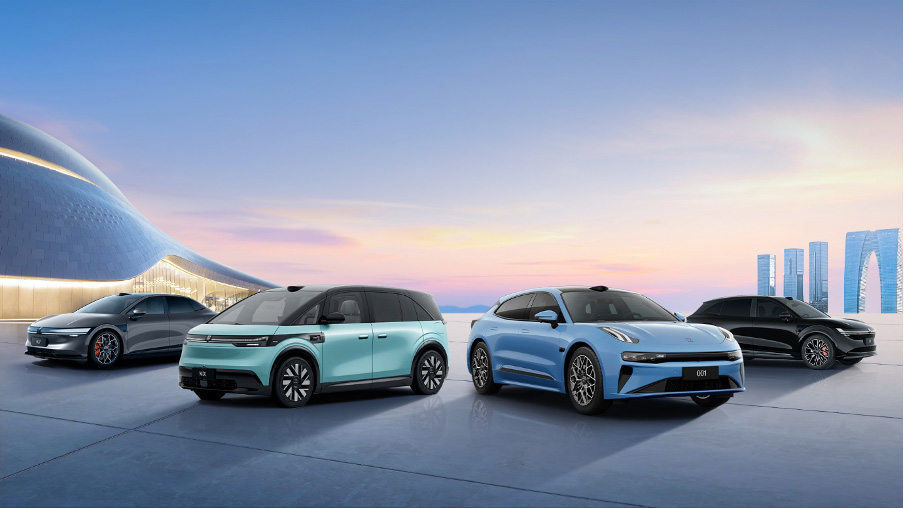
Zeekr’s recent numbers tell a different story. In May, the brand delivered 34,377 vehicles, up 81.8% from a year earlier, marking its fourth straight month of both sequential and year-on-year growth. In the first five months, it delivered 143,201 vehicles, completing 48% of its 300,000-unit annual target.
The more important figure is pricing. Zeekr’s average transaction price has exceeded $53,000, up 52.4% year on year. The product mix explains much of the increase. The Zeekr 009, 9X and 8X flagships account for nearly half of sales, meaning one in every two vehicles sold by the brand is priced above roughly $59,000.
The Zeekr 9X has become the core of that push. Cumulative deliveries have passed 60,000 units, with an average transaction price above $78,000. Over the past six months, the model has accounted for roughly one in every three vehicles sold in China’s market above $74,000.
China’s EV Premium Is Starting to Travel
Chinese automakers once relied heavily on value-for-money positioning overseas. Zeekr is trying to prove that Chinese EVs can command a premium abroad, not just volume.
The pricing signal is clear. In China, the Zeekr 7X is priced from about $34,000 to $40,000. In Europe, the same model is listed at €52,500 to €62,250. In Australia, its starting price is A$65,000, roughly equivalent to about $44,000 based on the China-side reference used in the source material. In Singapore and the Middle East, some Zeekr models are priced at more than twice their domestic levels.
The Zeekr 009 has reportedly reached a transaction price of S$340,000 in Singapore, equivalent in the source material to nearly $296,000. A customised Zeekr 9X by the international tuning brand Mansory has been priced overseas at more than $400,000.
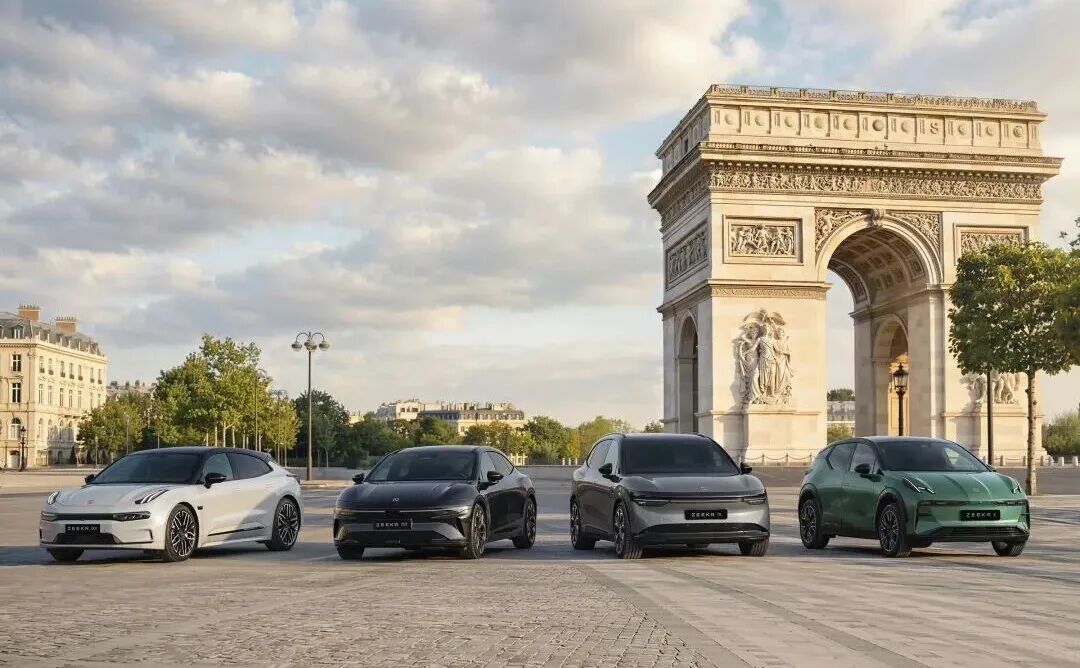
Demand is also visible beyond official pricing. In the Middle East, top-spec versions of the Zeekr 9X have reportedly attracted mark-ups of about $30,000 while still remaining difficult to obtain. On US social platforms, some users have said they would pay about a 10% premium to secure earlier delivery.
Sales performance is beginning to follow. In the first quarter, Zeekr delivered 1,725 units of the 7X in Australia, ranking first among luxury battery-electric SUVs priced above A$65,000. In Hong Kong, the model delivered 1,504 units over the same period and led the luxury SUV segment. Across five European markets, Zeekr delivered 966 vehicles in the first quarter, putting it among the top-selling Chinese EV brands in the EU market. By the end of May, Zeekr’s business covered more than 50 countries and regions.
Luxury Positioning Is Becoming a Profit Strategy
The overseas premium matters, but Zeekr’s bigger achievement may be domestic profitability. Geely CFO Dai Yong said in March that the scaling-up of the Zeekr 9X was a key driver of the group’s earnings improvement.
As 9X deliveries climbed in the fourth quarter of 2025, Zeekr’s profitability improved and helped lift Geely Automobile’s gross margin to 16.9%. In the first quarter of 2026, the group’s gross margin rose further to 17.5%, up 1.8 percentage points from a year earlier.
That stands in sharp contrast with the broader industry’s 3.2% sales margin in the first quarter. Many brands are operating on thin profits or losses. Zeekr’s flagship-heavy mix gives it a different earnings profile.
The 9X is the clearest example. The model delivered more than 20,000 units in the first quarter. Based on an estimated per-vehicle profit contribution of about $10,000, the model may have generated roughly $207 million in profit during the quarter. Zeekr delivered more than 77,000 vehicles in the period, up 86% year on year. Under Hong Kong accounting standards, Zeekr Technology recorded a quarterly profit of about $75 million, marking its third consecutive profitable quarter. Geely Automobile’s core net profit attributable to shareholders reached about $674 million, up 31% year on year.
The Moat Is Product, Not Price
Zeekr’s playbook is not especially complex. It is built around a positive cycle: use technology to create a barrier, use flagship models to lift brand value, and use scale to spread development costs.
Its SEA architecture, 900V high-voltage platform and AI digital chassis are long-cycle investments that rivals cannot easily reproduce in a short period. While many Chinese brands are fighting in the roughly $30,000 price band, Zeekr has built a position above $59,000.
That is why the brand’s 800,000-delivery milestone matters. It is not only a volume achievement. It shows that at least some Chinese EV makers are beginning to redefine what a domestic luxury vehicle can be.
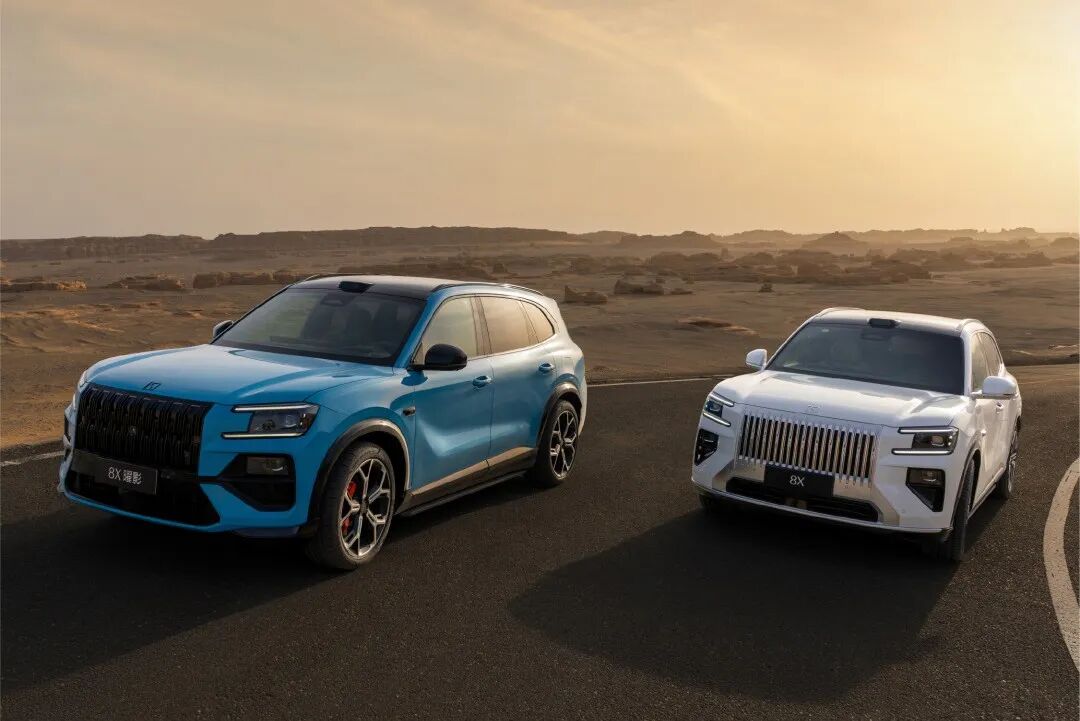
At home, Zeekr has used technology and product positioning to avoid the worst of the price war and sustain profitability. Abroad, the same formula is challenging the idea that Chinese cars must win through low prices. The shift from value export to brand premium is still early, but Zeekr has made it visible.
The industry’s 3.2% margin is a warning sign for China’s carmakers. The downturn will not fall evenly. When the tide goes out, the companies with real product power will be easier to spot. For Zeekr, 800,000 deliveries is a milestone, not a finish line. In the emerging contest between China’s new luxury EV brands and Germany’s old premium order, the decisive battle has only just begun.