
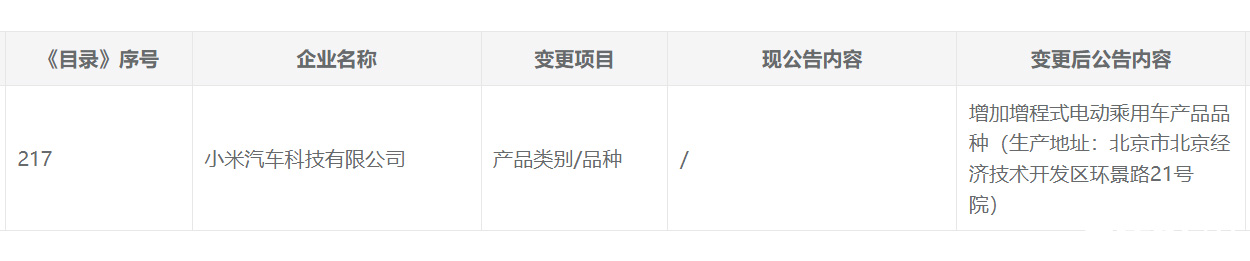
China’s Ministry of Industry and Information Technology has released regulatory filings confirming Xiaomi’s expanded automotive ambitions. In the 408th catalogue, Xiaomi Automobile Technology Co., Ltd. has been approved to add “extended-range electric passenger vehicles” to its production scope, with manufacturing based at its Beijing Yizhuang factory.
The update may be short on detail, but its implications are substantial. It effectively grants Xiaomi formal approval to move beyond a pure battery-electric lineup, marking the start of a dual-track strategy combining battery EVs and range-extended models.
A Three-Year Development Path Comes Into View
The approval did not arrive suddenly. Internal hiring, prototype testing, and supplier activity suggest a long gestation period behind the scenes.
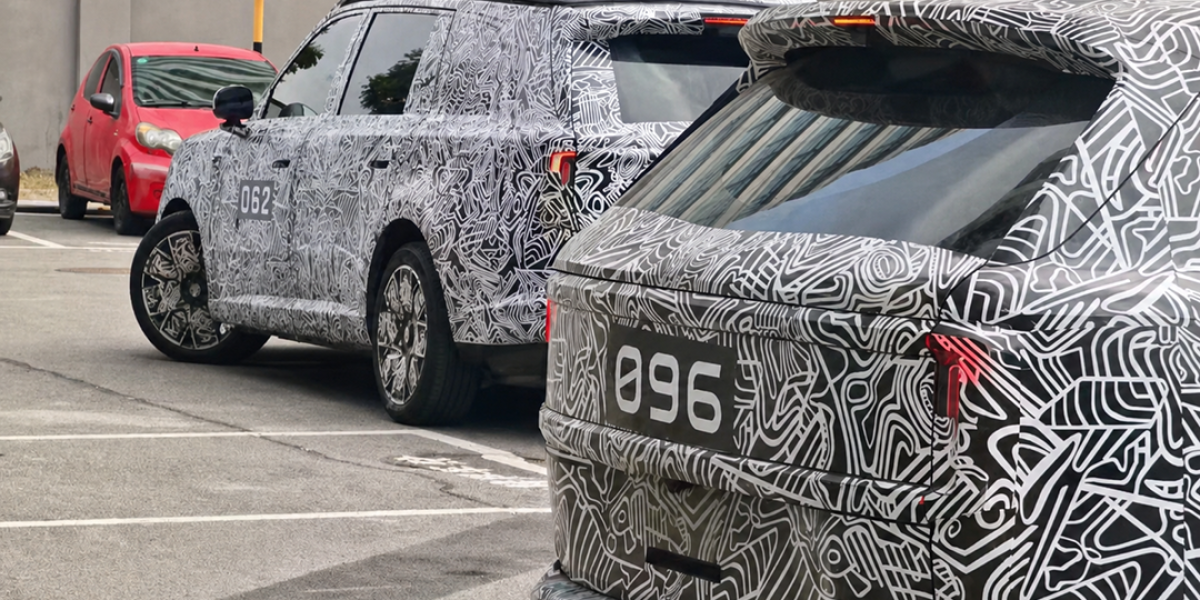
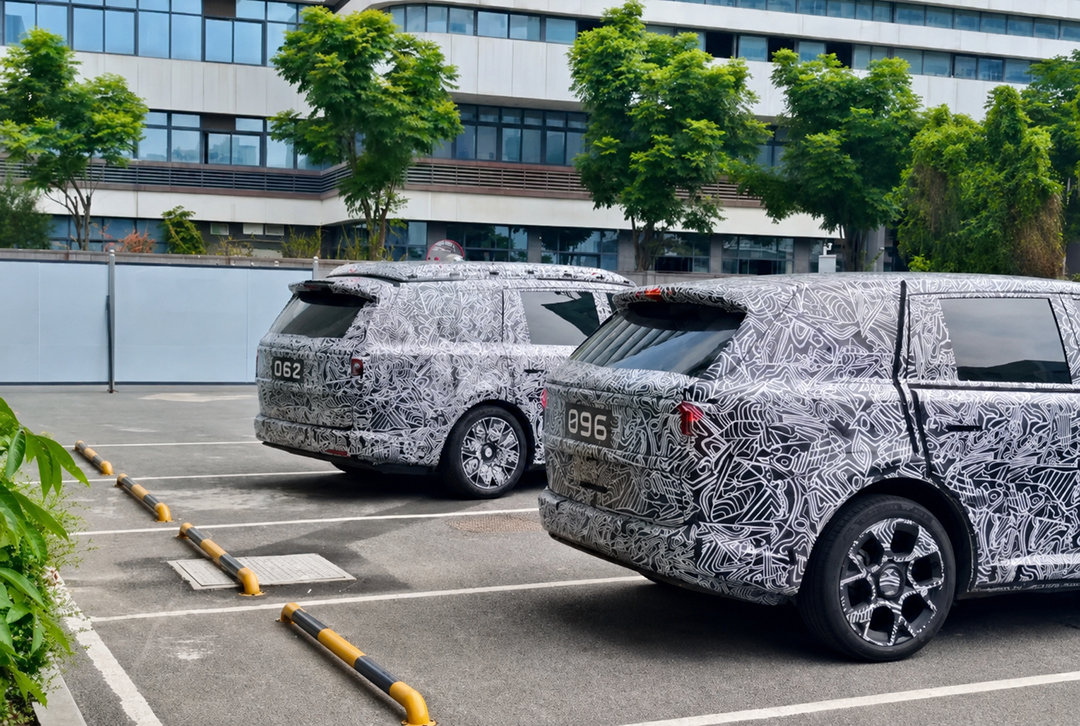
In late 2023, before deliveries of the SU7 had even begun, Xiaomi’s recruitment platform already listed roles for extended-range system engineers. By 2024, camouflaged full-size SUV prototypes—internally linked to the codename “Kunlun”—were spotted undergoing road testing.
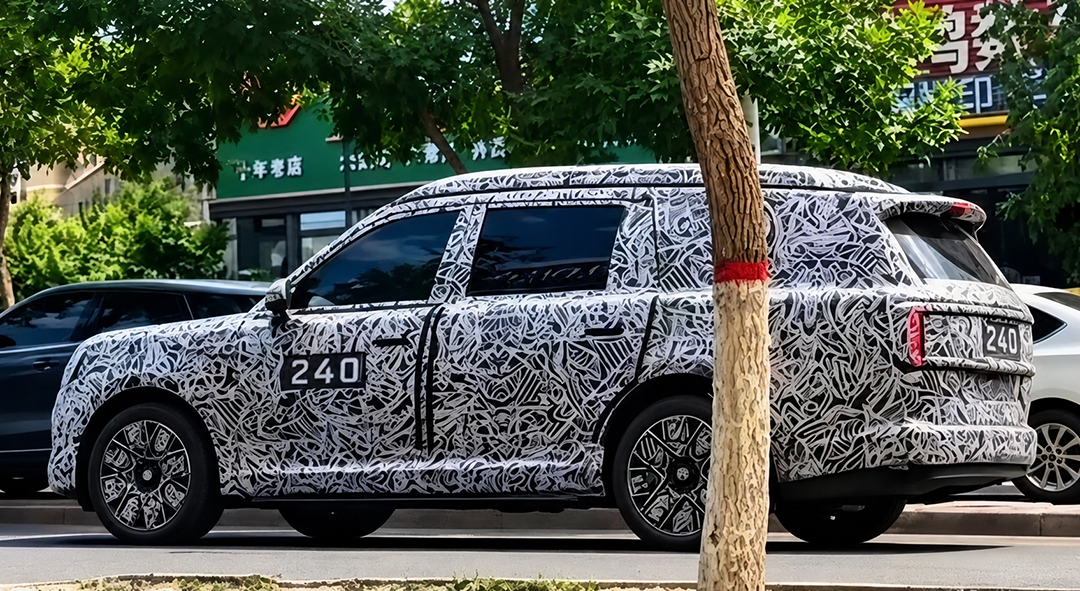
Speculation intensified through 2025 as supply-chain leaks and spy images circulated widely across Chinese social media. By early 2026, Xiaomi Group President Lu Weibing hinted during an earnings call that a new mid-to-large vehicle platform would debut in the second half of the year.
The regulatory filing in June 2026 effectively pulls these scattered signals into a single confirmed trajectory. What had been treated as industry rumor is now embedded in official approval channels.
“XunTian N90”: A Large SUV Targeting the Family EV Segment
Although the filing does not specify a production model, multiple industry reports point to a large SUV likely positioned under a new “XunTian” (SKYNOMAD) series rather than a standalone sub-brand. The vehicle is expected to carry Xiaomi branding alongside “Xiaomi XunTian N90” badging.
Design and sizing place it firmly in the upper mid-to-large SUV segment. The vehicle is expected to exceed 5.2 metres in length, with some estimates reaching 5.3 metres. The wheelbase is projected at around 3.1 metres, with a height close to 1.9 metres.
Styling departs sharply from Xiaomi’s SU7 sedan and upcoming YU7 crossover. The SUV adopts a boxy silhouette, drawing comparisons to high-end off-road and luxury family SUVs in China’s fast-growing premium EV category.
Exterior design cues include a closed front fascia, split LED daytime running lights, and a prominent roof-mounted lidar unit. At the rear, a circular continuous light signature dominates the design, paired with vertical indicators and an additional lighting cluster likely linked to autonomous driving status.
Higher-end configurations are expected to include a seven-seat layout, an electrically raised roof section, and a split tailgate system designed to expand usable outdoor space—positioning the model toward camping and long-distance travel use cases.
Range-Extended Powertrain Targets Long-Distance Usability
The most consequential shift lies in propulsion. The vehicle is expected to adopt a 1.5-litre turbocharged engine acting as a generator, paired with dual electric motors and all-wheel drive.
Under current estimates, pure electric range is expected to reach 400–500 km, while total combined range could extend to around 1,500 km. This places the model directly in competition with established range-extended large SUVs in China’s premium segment.
Battery supply is expected to be split between mid-tier manufacturers, including Sunwoda and CALB, rather than relying exclusively on the industry leader. This choice is widely interpreted as a cost-optimisation strategy, potentially allowing Xiaomi to position the model more aggressively on pricing.
Why Xiaomi Is Entering the Range-Extended Segment
The strategic rationale is closely tied to scale. Xiaomi delivered more than 410,000 vehicles in 2025 and is targeting 550,000 units in 2026, a year-on-year increase of roughly 34 percent.
Relying solely on two battery-electric models makes that target difficult to sustain. The extended-range SUV opens access to a broader family-oriented customer base, particularly buyers who remain sensitive to charging infrastructure and long-distance usage constraints.
The segment has already been validated by competitors such as Li Auto and Aito, both of which have demonstrated strong demand for range-extended large SUVs in China’s premium market.
Beyond hardware, Xiaomi’s broader ecosystem strategy plays a central role. Integration with its smart home platform, in-car operating system, and retail distribution network could create a differentiated ownership experience compared with traditional automakers.
Pricing Strategy Points to Aggressive Entry Positioning
Based on supply-chain assumptions and competitive benchmarks, market expectations place the Xiaomi XunTian N90 in a price range of roughly 200,000 to 300,000 yuan, equivalent to approximately $28,000 to $42,000.
That positioning would place it directly against models such as the Aito M7 and other mainstream extended-range SUVs, while undercutting many premium three-row competitors.
If Xiaomi maintains this pricing structure, the impact on China’s extended-range SUV segment could be immediate. The combination of software integration, fast-charging capability, and flexible interior configuration would introduce a new level of competitive pressure across the category.
Outlook
The regulatory approval marks a clear inflection point. Xiaomi is no longer operating as a single-architecture EV manufacturer. Instead, it is building a broader portfolio strategy that mirrors established automotive incumbents while leveraging its consumer technology ecosystem.
The first official unveiling of the extended-range model is expected in the second half of 2026. Until then, the contours are becoming increasingly visible—even if many technical details remain unconfirmed.
What is already clear is that Xiaomi’s automotive expansion is entering a more complex and competitive phase, where scale, ecosystem integration, and pricing discipline will determine whether its momentum can be sustained.