
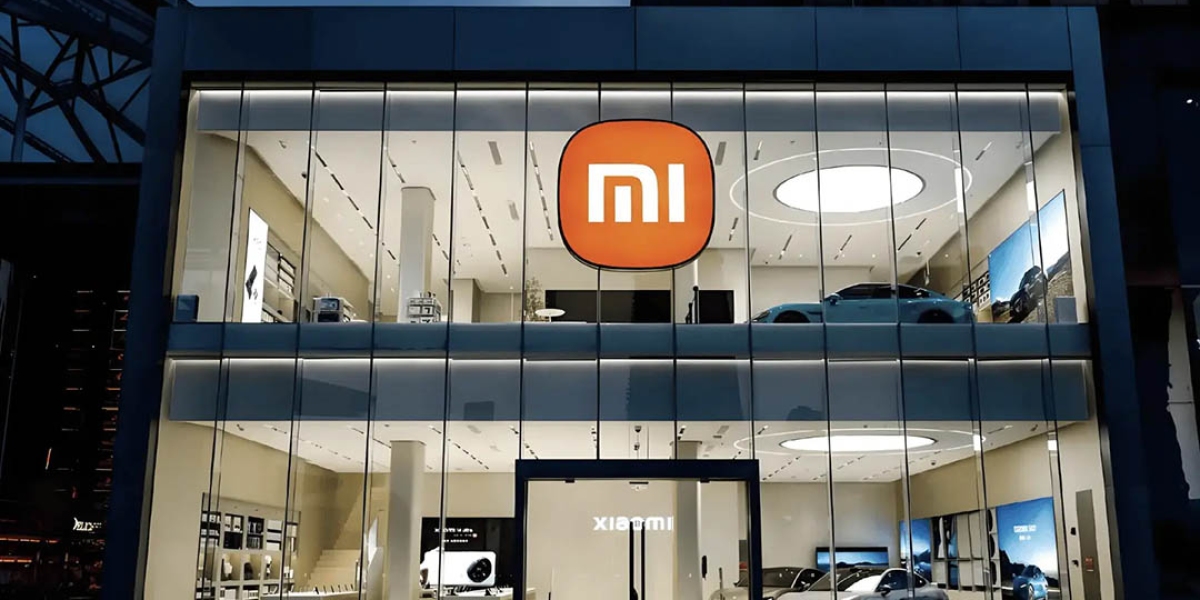
Xiaomi Group (01810.HK) once stood at the centre of Hong Kong’s tech rally, briefly reaching HK$61.45 in June 2025 and pushing its market capitalisation above HK$1.6 trillion.
From Market Darling to Sharp Repricing
At the time, investors bought into a compelling narrative: a tightly integrated “human × car × home” ecosystem that positioned Xiaomi as a potential “China’s Apple”. Global brokerages responded in kind, lifting price targets to HK$80 and beyond.
Less than a year later, that optimism has largely unwound. By mid-June 2026, the share price had fallen to HK$24.64, a decline of nearly 60% from its peak. At one point, the company had erased more than HK$800 billion in market value, reflecting a rapid reversal in sentiment rather than a single catalyst-driven correction.
The turning point was not just valuation compression, but a growing disconnect between forward expectations and realised fundamentals.
Full-Year Strength Masking Forward Weakness
Xiaomi’s 2025 full-year results initially appeared robust. Revenue rose 25% to RMB 457.3 billion, while adjusted net profit increased 43.8% to RMB 39.2 billion, both record highs. The automotive division crossed the symbolic RMB 100 billion revenue threshold, reaching RMB 106.1 billion, and posted its first annual operating profit of RMB 900 million.
Yet the market reaction told a different story. Despite record results, the stock failed to sustain momentum after earnings. Instead, it extended a multi-month decline, signalling that investors were increasingly focused on 2026 trajectory rather than backward-looking performance.
That shift became explicit in the first-quarter 2026 results, where weakness moved from expectation to reality.
Q1 2026: Growth Reversal and Profit Compression
In Q1 2026, Xiaomi reported revenue of RMB 99.1 billion, down 10.9% year-on-year. Adjusted net profit fell 43.1% to RMB 6.072 billion, marking the steepest decline in recent years and the first simultaneous contraction in both revenue and profit since the automotive business scaled.
On a closer reading, the headline “adjusted net profit” diverges significantly from core operating profitability. After adjusting for costs of goods sold and operating expenses, estimated core operating profit was closer to RMB 2.9 billion, implying an operating margin of roughly 3%. The gap reflects the impact of non-core items such as share-based compensation and financial adjustments, which are not necessarily sustainable drivers of earnings quality.
This divergence between reported and underlying profitability has become central to investor debate.
EV Expansion Under Margin Pressure
Xiaomi’s automotive and AI segment recorded RMB 900 million in operating profit in 2025, a figure frequently cited as proof of early success in its EV strategy. However, this combined reporting structure also includes AI-related investment costs, effectively blending high-growth R&D spending with vehicle economics.
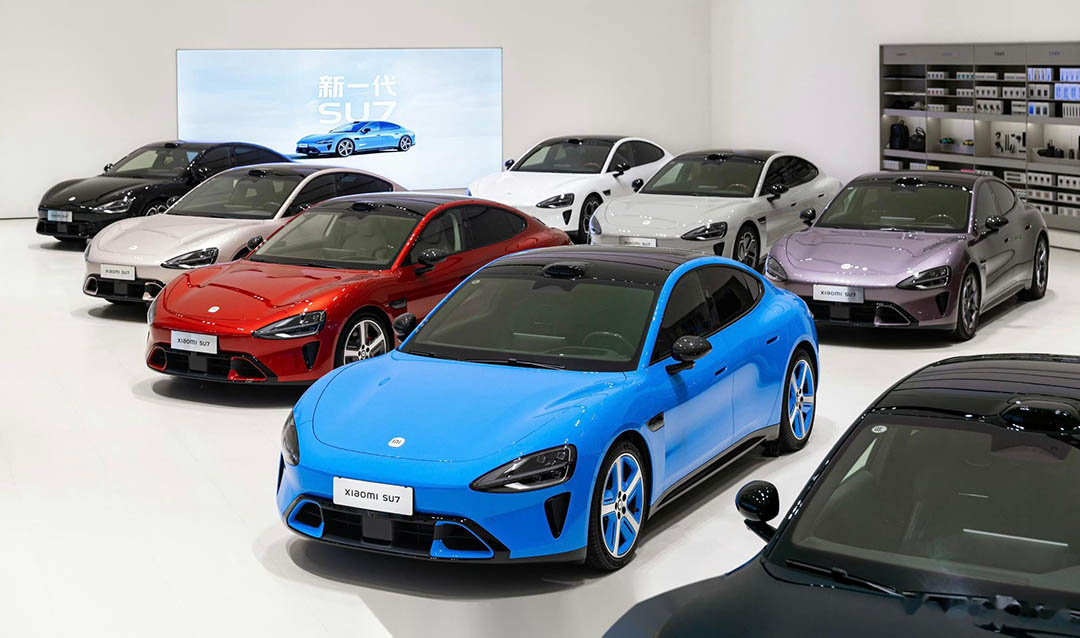
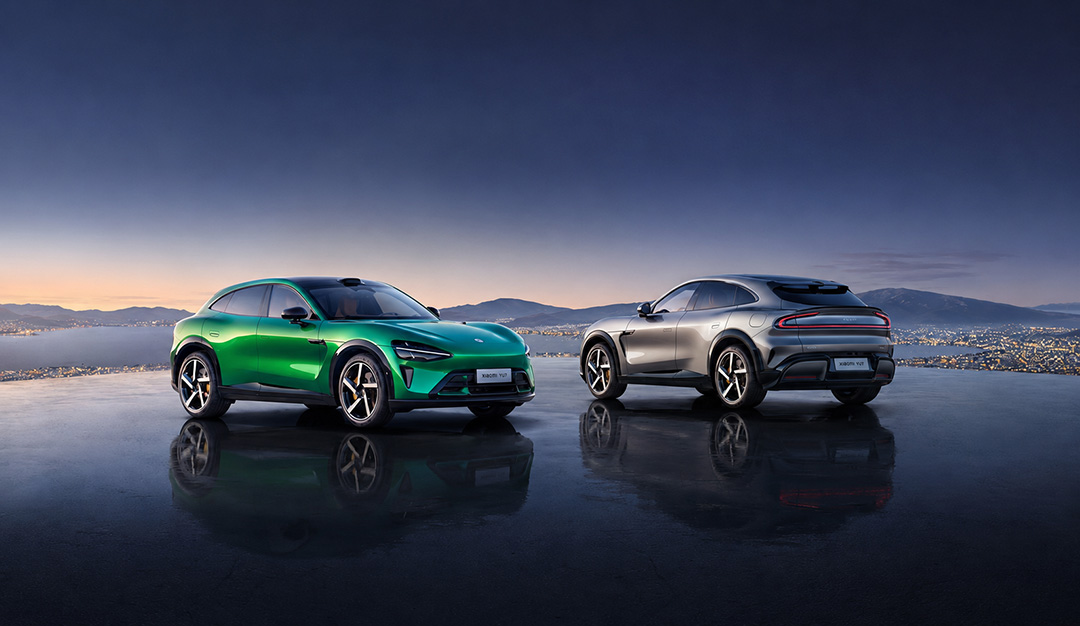
In Q1 2026, the segment swung to an operating loss of RMB 3.1 billion, with automotive core operating performance deteriorating by RMB 4.1 billion quarter-on-quarter. Management attributed this to model transitions in the SU7 lineup, policy-related cost adjustments, and discount-driven inventory clearance.
Margin compression has been persistent. Automotive gross margin fell from 25.5% in Q3 to 22.7% in Q4, and further to 20.1% in Q1, indicating structural rather than cyclical pressure.
Smartphone Business: Scale Without Margin Expansion
The smartphone division, still Xiaomi’s core revenue base, also showed weakening momentum. Shipments declined 19.2% year-on-year in Q1 2026, even as average selling prices rose 8.2% to RMB 1,310, driven by a higher-end product mix.
However, profitability remains constrained. Smartphone gross margin stood at just 10.1%, underscoring the limits of premiumisation in a highly competitive Android ecosystem. Compared with Apple’s handset margins of over 40%, Xiaomi’s pricing upgrade strategy still has limited impact on structural profitability.
Cash Flow, Capex and Strategic Expansion
R&D investment continues to accelerate. Q1 2026 spending reached RMB 9 billion, up 35% year-on-year, with full-year guidance exceeding RMB 40 billion. Over the next three years, AI-related investment is expected to surpass RMB 60 billion, with a five-year cumulative target of RMB 200 billion.
While Xiaomi holds RMB 220.6 billion in cash reserves, operating cash flow turned negative at RMB 1.79 billion in Q1, reflecting rising investment intensity combined with slower revenue growth. The company is not facing liquidity pressure, but its dual-track strategy is increasingly capital intensive.
Insider Selling vs Buyback Support
Market attention has also focused on governance signals. In late 2025, co-founder Lin Bin disclosed plans to gradually reduce holdings from 2026, potentially selling up to US$2 billion in stock over time. This comes alongside a HK$20 billion buyback programme, creating a contrasting dynamic between corporate support for share price stability and insider monetisation plans.
Analyst Divide Reflects Identity Crisis
Sell-side institutions remain sharply divided. Goldman Sachs maintains a buy rating with a HK$41 target, while Citi sits at HK$40–42, citing AI optionality. HSBC is more optimistic at HK$53.4, expecting stronger EV execution.
On the other side, CICC and Bank of Communications International have adopted more cautious stances, with targets around HK$37, citing weaker visibility in EV demand and cost pressures from memory pricing cycles. UBS has reduced its target to HK$36, arguing that recent profit strength is driven by non-recurring items rather than core operations.
Across brokers, valuation targets span HK$36 to HK$53, a wide dispersion that highlights a deeper issue: Xiaomi is simultaneously being modelled as a consumer electronics company, an EV manufacturer, and an AI platform. Each classification implies a different valuation framework.
Conclusion: Narrative Compression Meets Operational Reality
The central tension is not isolated to any single business unit, but to the gap between narrative expansion and operating reality. The previous market premium relied on three simultaneous assumptions: sustained smartphone premiumisation, rapid EV scaling with improving profitability, and AI-driven ecosystem monetisation.
Q1 results suggest that none of these assumptions are currently fully validated. Smartphone scale is under pressure, EV margins are compressing, and AI investments remain in an early monetisation phase.
With 550,000 vehicle deliveries targeted for 2026, execution over the next three quarters will likely determine whether Xiaomi stabilises at current valuation levels or faces another round of repricing.
The current share price near HK$30 reflects a market still oscillating between two competing interpretations: a structurally transformed technology platform, or a diversified hardware group facing cyclical and structural headwinds at the same time.