
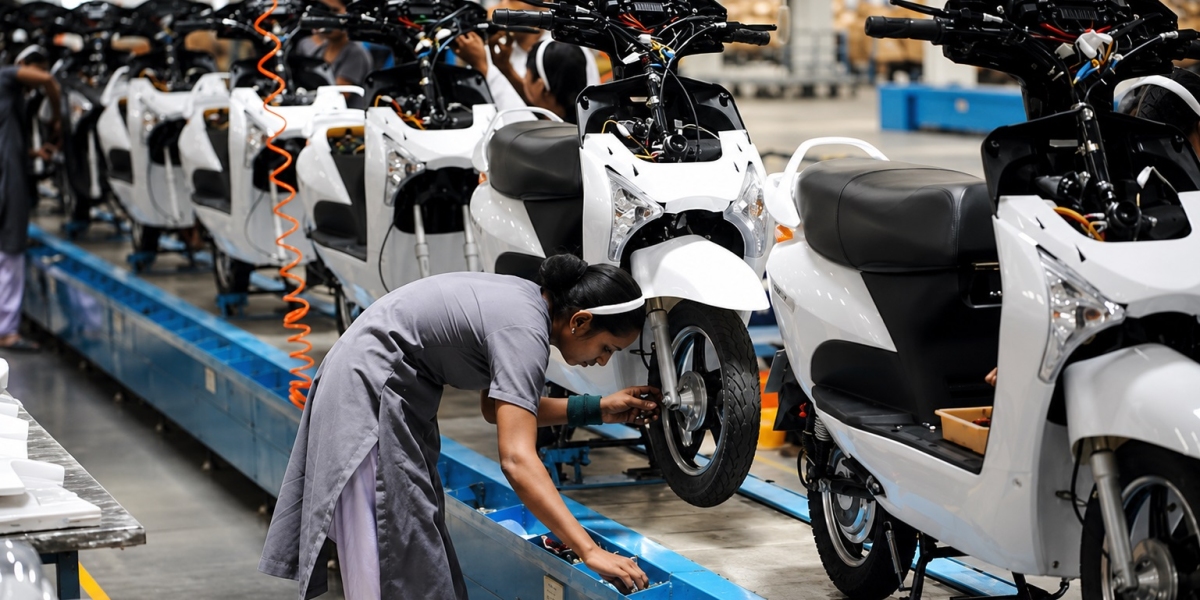
India’s electric two-wheeler market is expanding far beyond the headline race between Ola Electric, TVS, Bajaj and Ather. A quieter surge is taking place in low-speed scooters, where Chinese-made kits are helping push sales into million-unit territory.
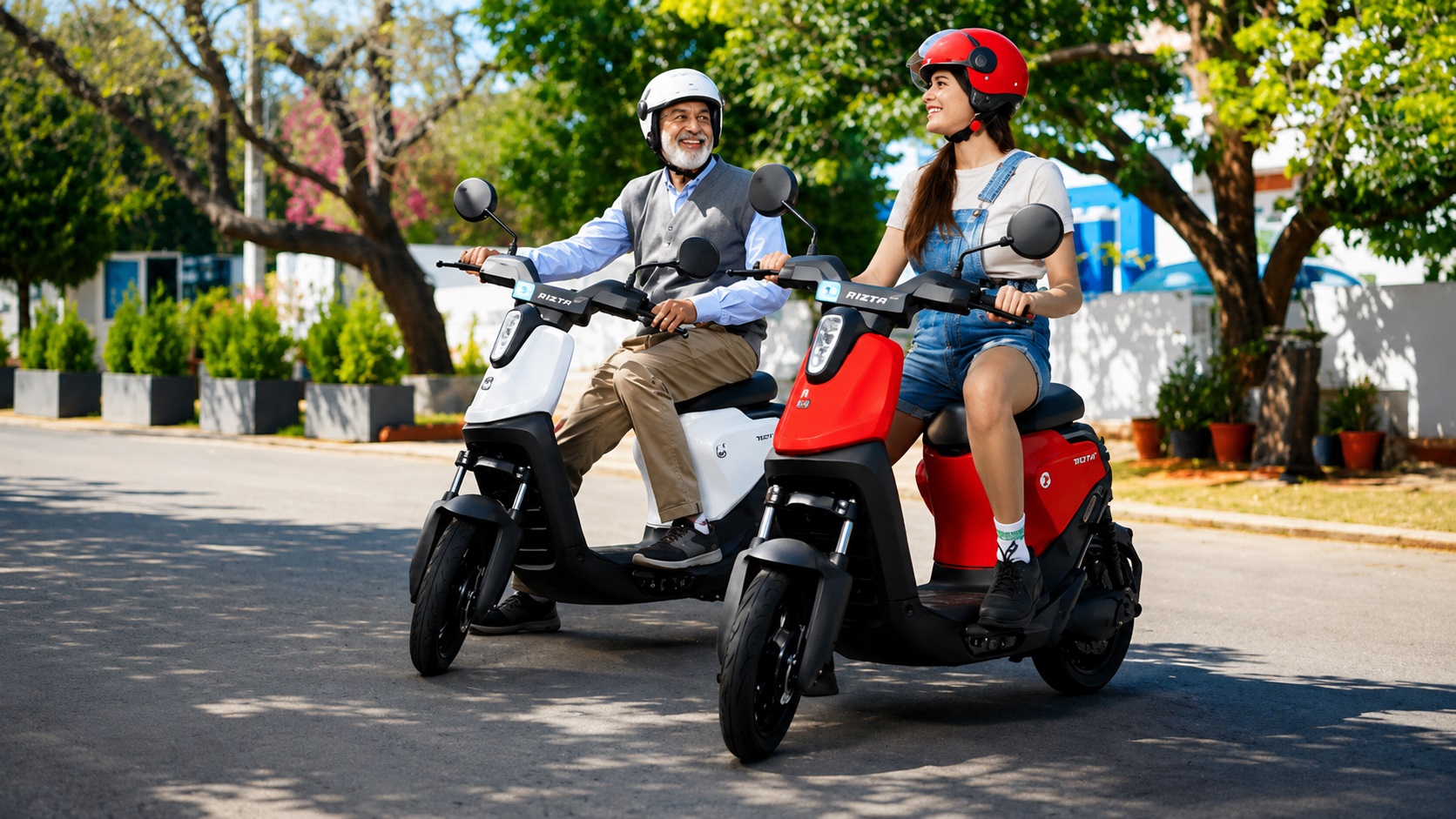
Sales of low-speed electric two-wheelers reached about 1.3 million units in India’s 2024-25 financial year, more than tripling from a year earlier, according to industry estimates cited by Mint. The vehicles, capped at 25kph, appeal to first-time young buyers, short-distance delivery fleets and consumers in smaller towns looking for cheap urban mobility.
China’s CKD Model Changes the Economics
The economics are difficult for local manufacturers to ignore. Complete knock-down kits imported from China can cost less than $1,000. With a battery included, the total build cost still remains below $1,000, allowing finished scooters to be sold for less than $1,000 in many cases.
That is roughly half the price of a typical high-speed electric scooter in India. For many assemblers, the business model is simple: import the kit, assemble locally, distribute through regional dealer networks and avoid the heavy capital spending required for deeper manufacturing.
A Market Growing Outside the Dashboard
The low-speed category sits in a regulatory grey area. Because these scooters do not exceed 25kph, they are not required to be registered on India’s Vahan vehicle database. That has allowed one of the fastest-growing segments of India’s EV market to expand with limited official visibility.
For consumers, the appeal is clear: low upfront cost, easy availability and enough performance for short trips. For policymakers, the problem is just as obvious. A market that can scale quickly without registration also makes it harder to monitor safety, quality and after-sales obligations.
Local Manufacturers Fear a Race to the Bottom
Indian manufacturers say the low entry barrier is attracting informal players that rely on imported parts, local assembly and aggressive pricing. Many of these products, they argue, offer limited warranty coverage and weak service support.
Only a small group of more organised companies, including Yulu and Zelio, have built a visible presence in the low-speed segment. But India’s domestic supply chain remains far behind China’s in cost, component depth and speed of delivery.
India’s EV Dilemma Deepens
The boom exposes a broader tension in India’s electric mobility strategy. New Delhi wants to localise EV manufacturing and reduce dependence on Chinese components. Yet the most affordable end of the market is being powered by the very supply chain India is trying to move away from.
That leaves India facing a difficult choice. Tighter oversight could improve safety and protect consumers, but it may also raise costs in a segment built almost entirely around affordability. Leaving the market unchecked risks turning low-speed EVs into another example of rapid electrification outpacing regulation.