
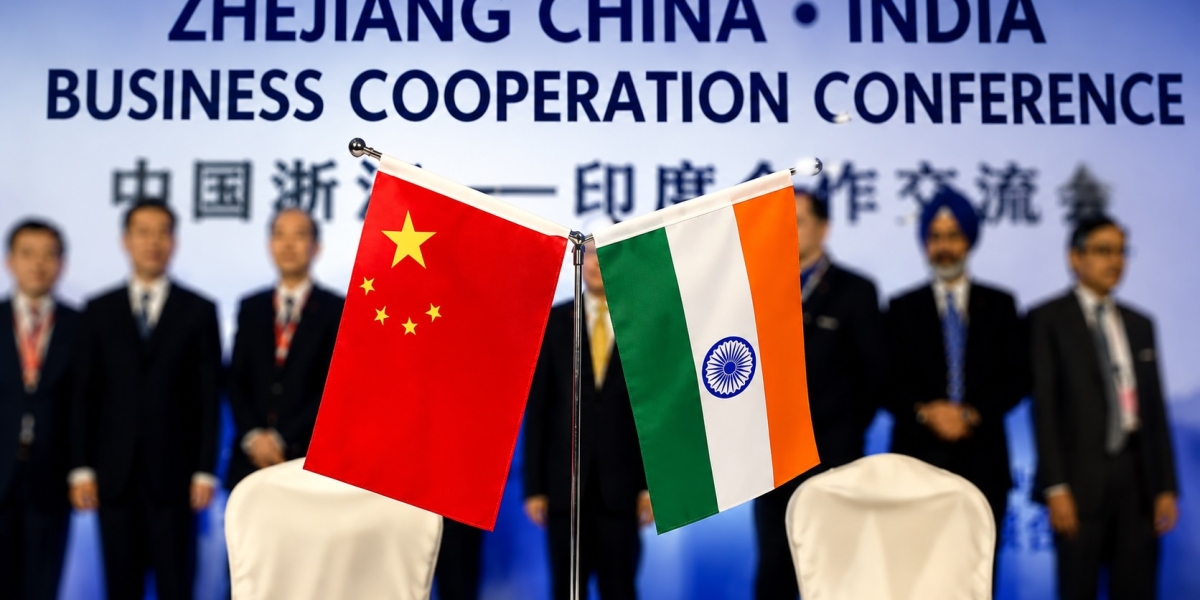
India’s largest carmakers are moving to loosen their reliance on Chinese lithium-ion batteries, as Beijing’s tighter grip on critical materials and export incentives exposes a strategic weakness in one of the world’s most closely watched electric-vehicle markets.
The shift is being driven by a blunt calculation: batteries account for more than a third of the cost of building an electric vehicle, while the supply chain behind them remains heavily concentrated in China. For India, which wants to turn itself into a manufacturing base for affordable EVs, that dependence has become harder to ignore.
China Risk Moves From Trade Tension to Factory Planning
China began tightening controls on rare-earth magnets in April 2025, a move that sent concern through India’s auto sector just as several EV launches were being prepared. Beijing has also moved to reduce export tax rebates for batteries, cutting the rebate from 9% to 6% from April 2026 before eliminating it entirely by January 2027.
For global automakers, the policy shift is more than a pricing issue. It threatens to raise cell costs, complicate procurement and force companies to reconsider where future EV capacity should be located. For India, the pressure is sharper: more than three quarters of the country’s EV battery supply is still tied to imports from China.
India Pushes for Local Battery Manufacturing
New Delhi’s answer is to accelerate domestic battery production. Companies including Agratas, Exide Industries, Amara Raja, Reliance Industries, JSW and Ola Electric are pushing ahead with gigafactory plans aimed at building a local cell ecosystem rather than simply assembling imported packs.
The effort fits India’s wider industrial strategy: reduce dependence on Chinese inputs, capture more value inside the country and make EVs less vulnerable to policy decisions made in Beijing. Yet the path is slow. Battery manufacturing requires not only capital and scale, but also chemistry expertise, raw-material security and years of process refinement.
Mahindra, Tata and Hyundai Look Beyond China
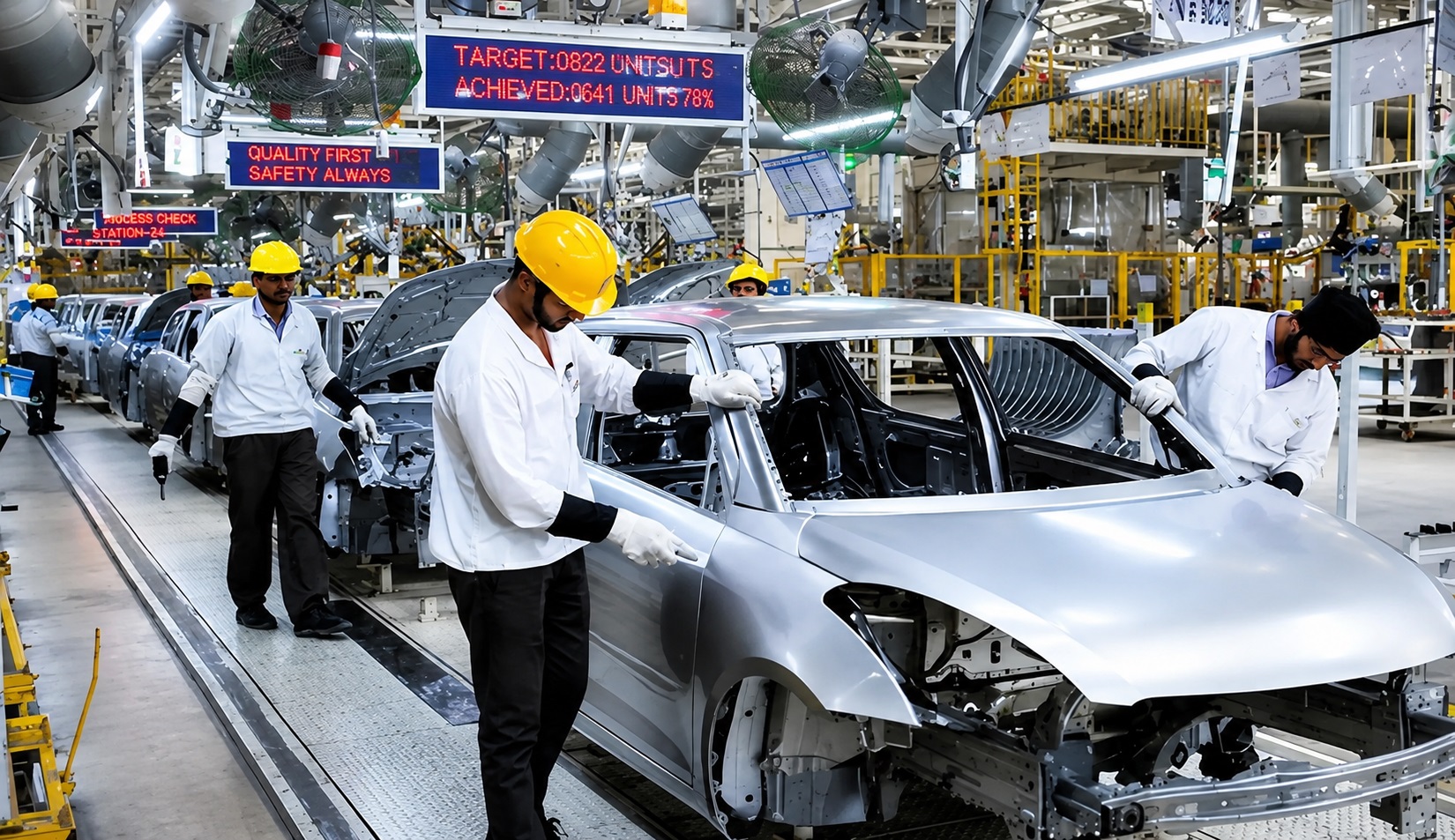
India’s major carmakers are now adjusting their sourcing strategies. Mahindra & Mahindra has been in talks with Volkswagen Group, whose PowerCo battery unit is being positioned as a future cell supplier. Tata Motors is expected to rely on Agratas, the Tata-owned battery company, as it builds out its EV pipeline. Hyundai Motor India has deepened its partnership with Exide Industries to localise battery supply.
These moves reflect a broader change in the Indian market. Battery sourcing is no longer a back-office procurement decision. It is becoming central to product planning, pricing power and long-term competitiveness.
Maruti Suzuki Shows the Scale of the Challenge
The limits of localisation are clear in the case of Maruti Suzuki, India’s largest carmaker. Suzuki Motor chairman Toshihiro Suzuki said in 2025 that lithium-ion battery technology had still not been effectively localised in Japan or India, making it harder to launch small, affordable EVs at scale.
Suzuki’s first electric model uses BYD’s blade battery, underlining a difficult reality for India’s auto industry: even companies with deep local manufacturing roots still depend on external battery technology for critical EV components.
India Wants Battery Independence. The Hard Part Is Building It
India’s EV strategy is now entering a more demanding phase. Government incentives and rising consumer interest can support demand, but the country’s ability to scale electric cars will depend on whether it can build a battery supply chain that is competitive, reliable and less exposed to China.
For Western automakers and suppliers watching India, the opportunity is significant. A market seeking alternatives to Chinese cells could open space for European, Japanese, Korean and domestic Indian battery players. But the transition will take time, and China’s lead in battery technology, materials processing and manufacturing scale remains formidable.
India’s carmakers are no longer treating battery diversification as a future option. It has become a necessity — and one that may decide how fast the country’s EV market can grow.