
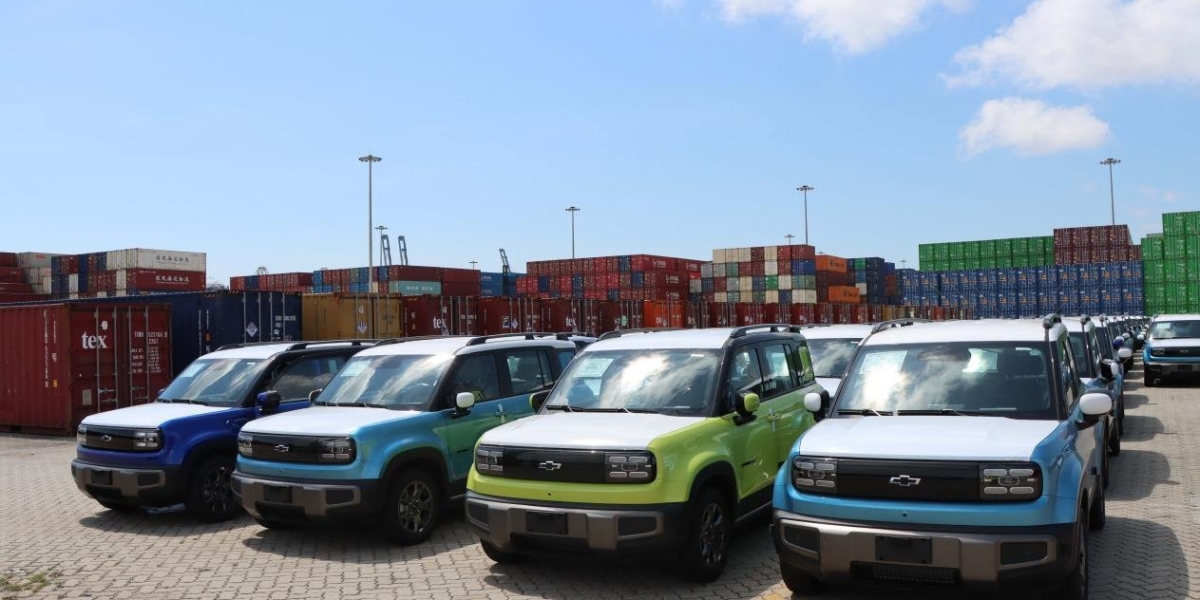
General Motors has quietly unveiled a new electric city SUV in Mexico that offers another glimpse into how Chinese automotive technology is spreading across global markets, often under established international brands rather than Chinese nameplates.
At the AMOF 2026 (Electric Vehicle and Charging Infrastructure Exhibition) in Mexico, visitors spotted the Chevrolet Spark EUV, a compact battery-electric crossover carrying Chevrolet branding but bearing a striking resemblance to the Baojun Yep Plus developed by GM’s Chinese joint venture with SAIC and Wuling.
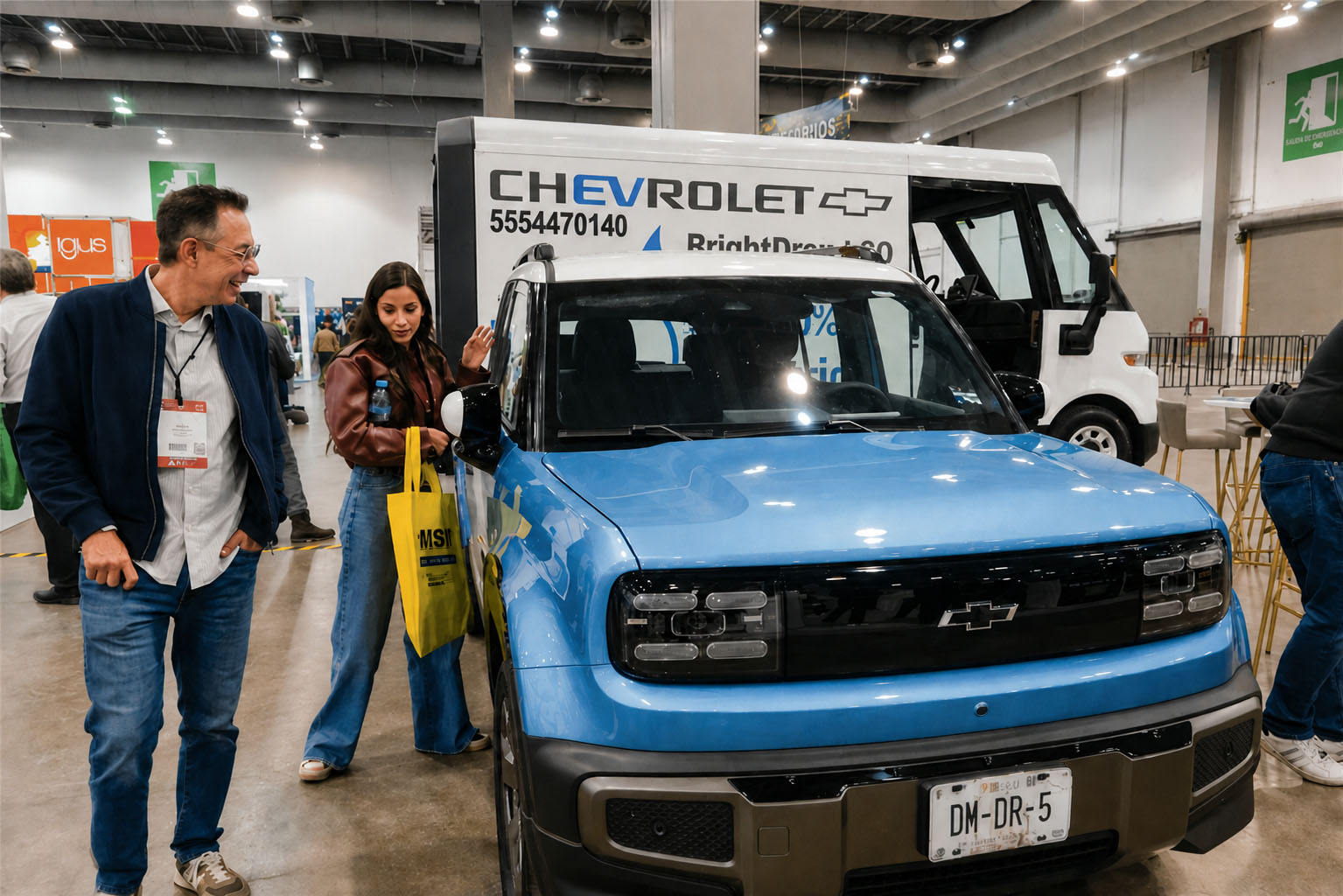
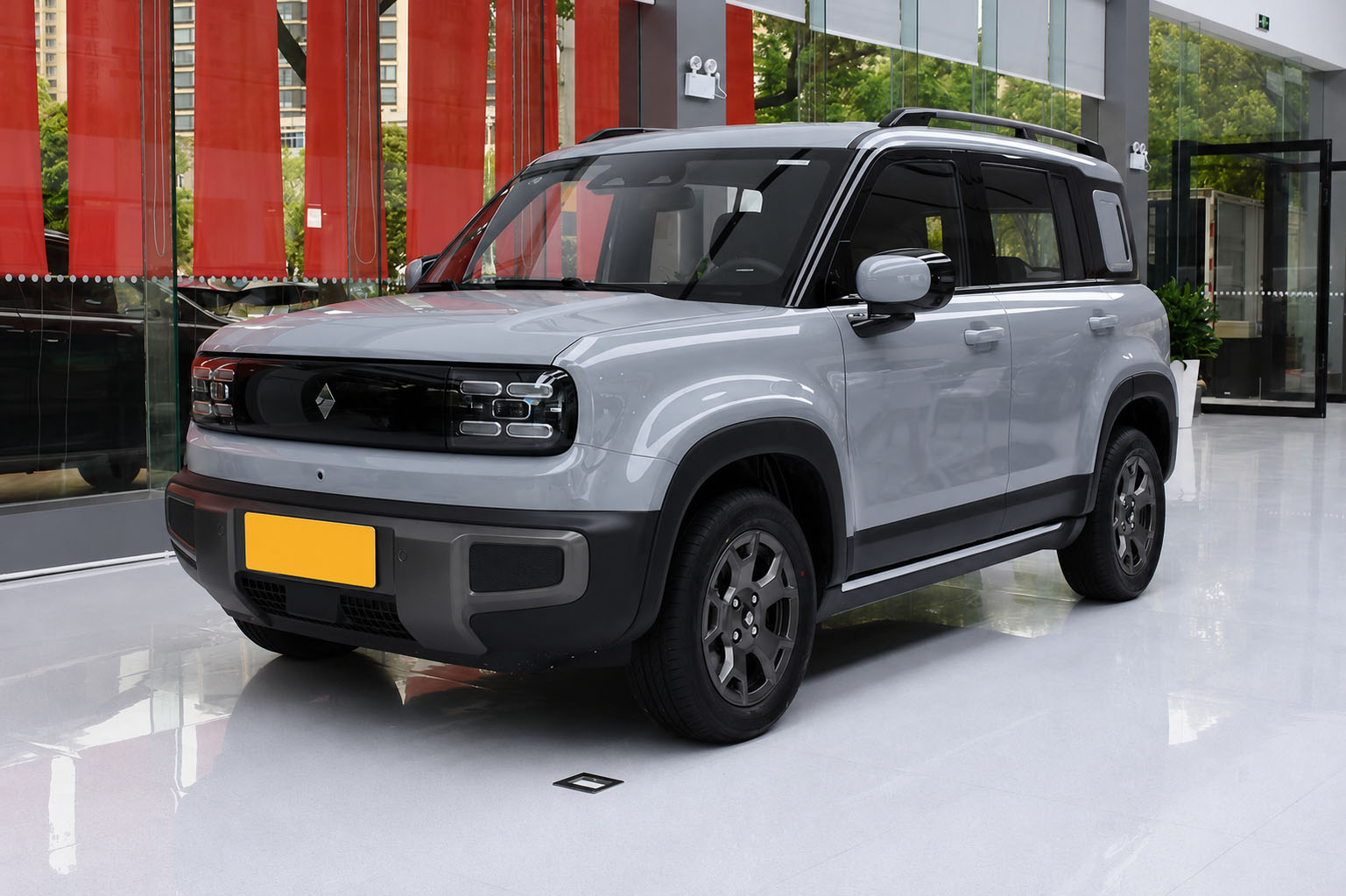
The vehicle's appearance has reignited discussion about a growing export strategy increasingly used by both Chinese manufacturers and multinational automakers: leveraging Chinese-developed electric vehicle platforms, engineering expertise and supply chains while marketing the products through familiar global brands.
From China’s Domestic Market to Global Showrooms
The Spark EUV is widely understood to be based on the Baojun Yep Plus, an electric SUV originally developed in China by the SAIC-GM-Wuling partnership. While the exterior design has been adapted to fit Chevrolet’s global brand identity, much of the underlying architecture, battery technology and manufacturing know-how originates from China.
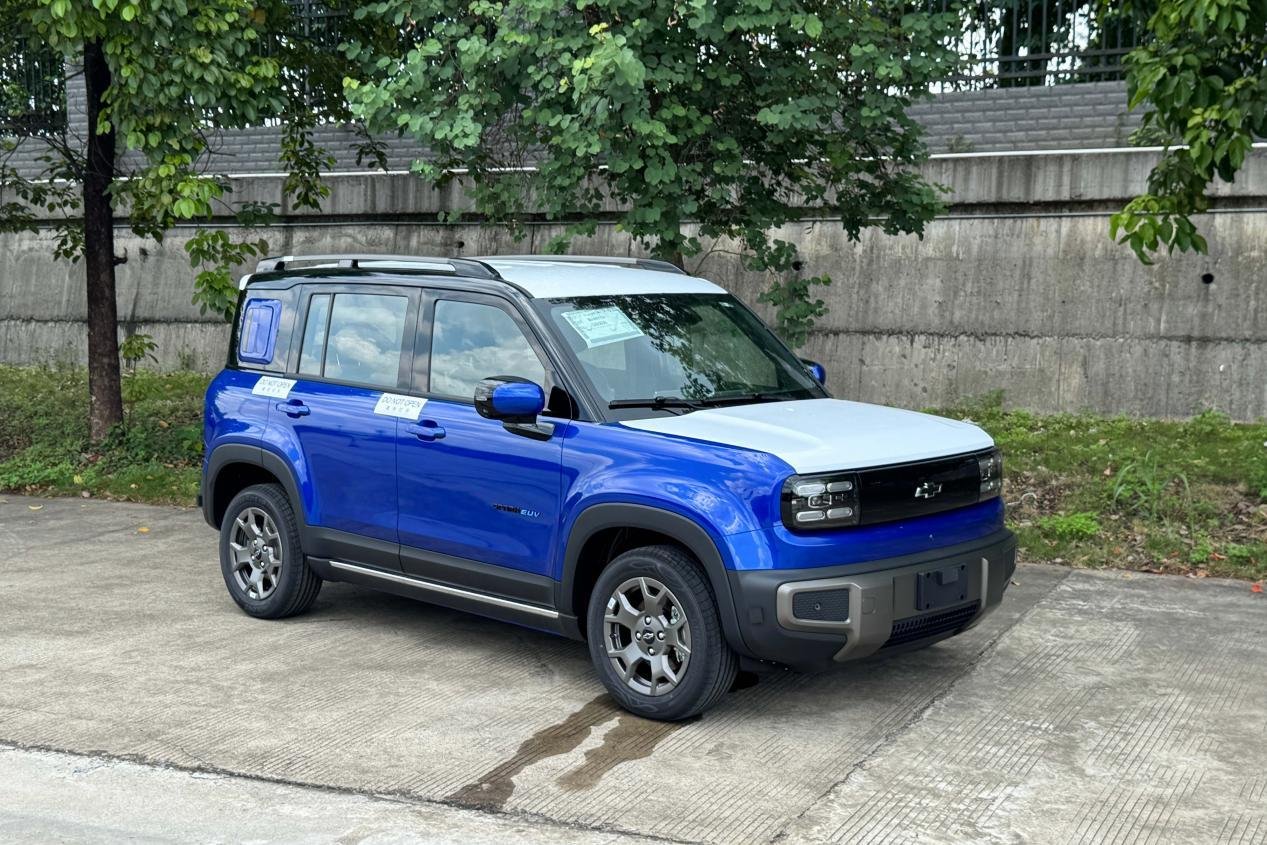
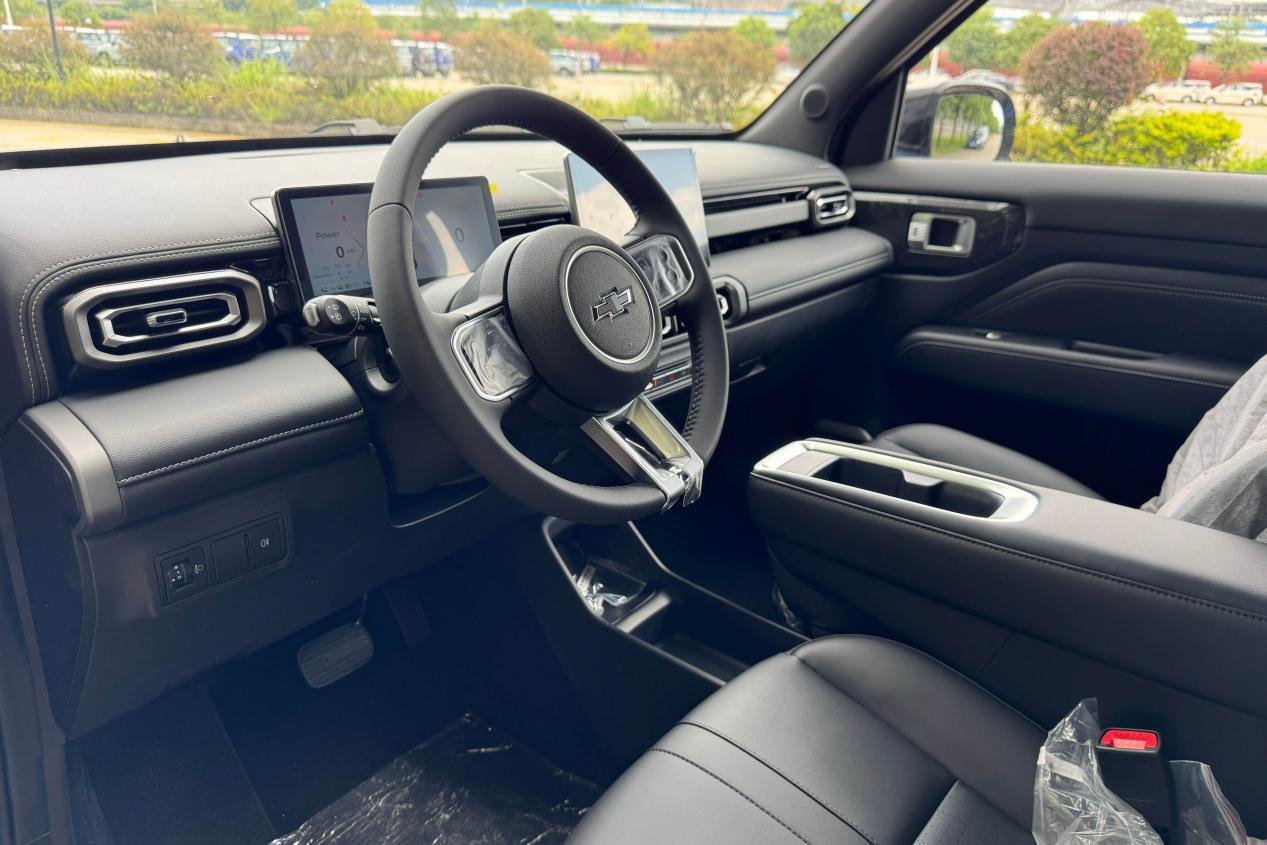
The approach allows global automakers to accelerate their EV rollouts without investing years in developing entirely new platforms. For markets such as Mexico, Latin America and parts of Southeast Asia, vehicles developed in China can offer competitive pricing, mature battery technology and shorter development cycles.
Industry analysts increasingly view such projects as a form of automotive technology transfer in reverse. Rather than Western automakers exporting technology to China, Chinese engineering centres are now supplying platforms and electric vehicle expertise that support overseas expansion by global brands.
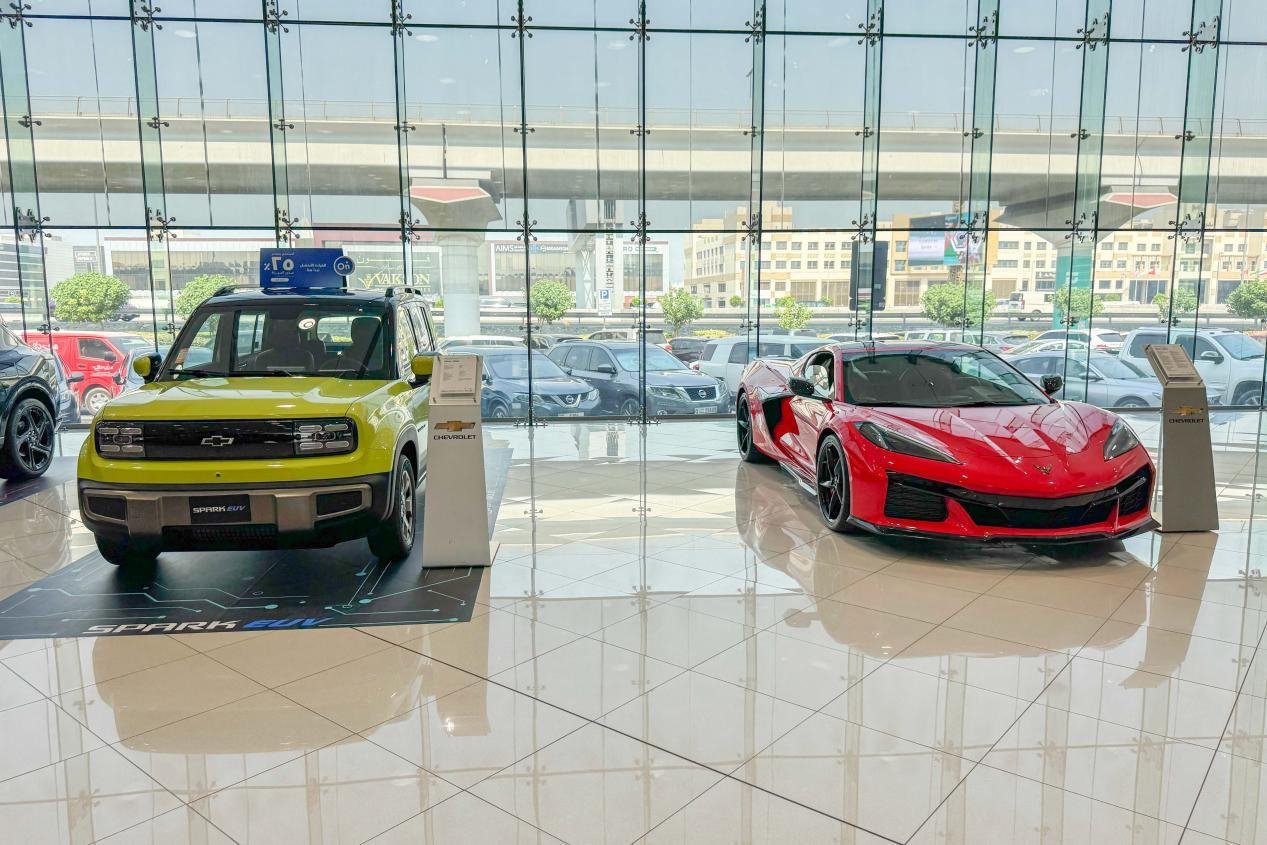
A New Phase of China's Automotive Globalisation
The Spark EUV is not an isolated case. Over the past several years, multiple vehicles originally engineered by Chinese manufacturers have reappeared overseas under different badges through licensing arrangements, joint ventures and contract manufacturing agreements.
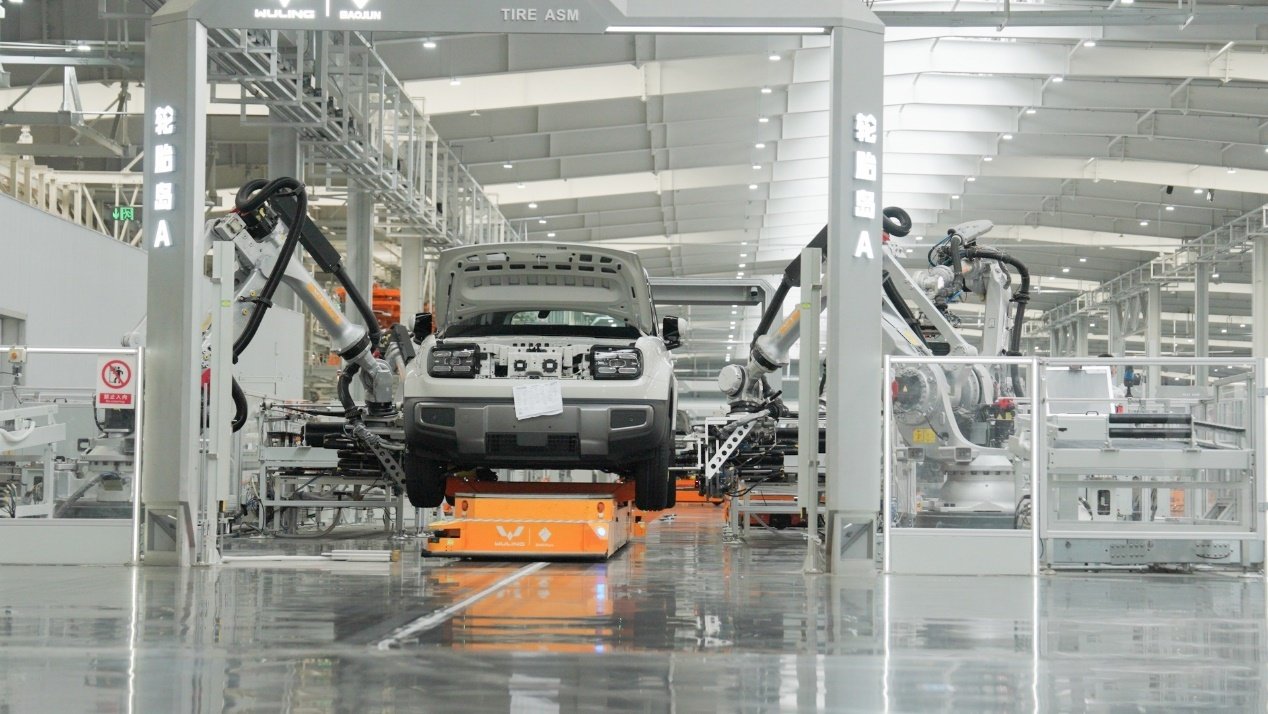
For international consumers, the vehicles often arrive as Chevrolets, Fords or other familiar brands. Behind the scenes, many rely on Chinese-developed battery systems, software architectures, supply chains and production capabilities.
The trend highlights how China’s role in the global automotive industry is evolving. The country is no longer simply the world's largest vehicle market or manufacturing base. It is increasingly becoming a source of vehicle platforms, electric drivetrain technology and product development expertise that multinational automakers use to compete in overseas markets.
Mexico Emerges as a Strategic Gateway
Mexico has become one of the most important testing grounds for this strategy. The country combines strong demand for affordable electric vehicles with close links to North American supply chains. For automakers, it offers an opportunity to introduce Chinese-developed EV technology without directly entering the United States market.
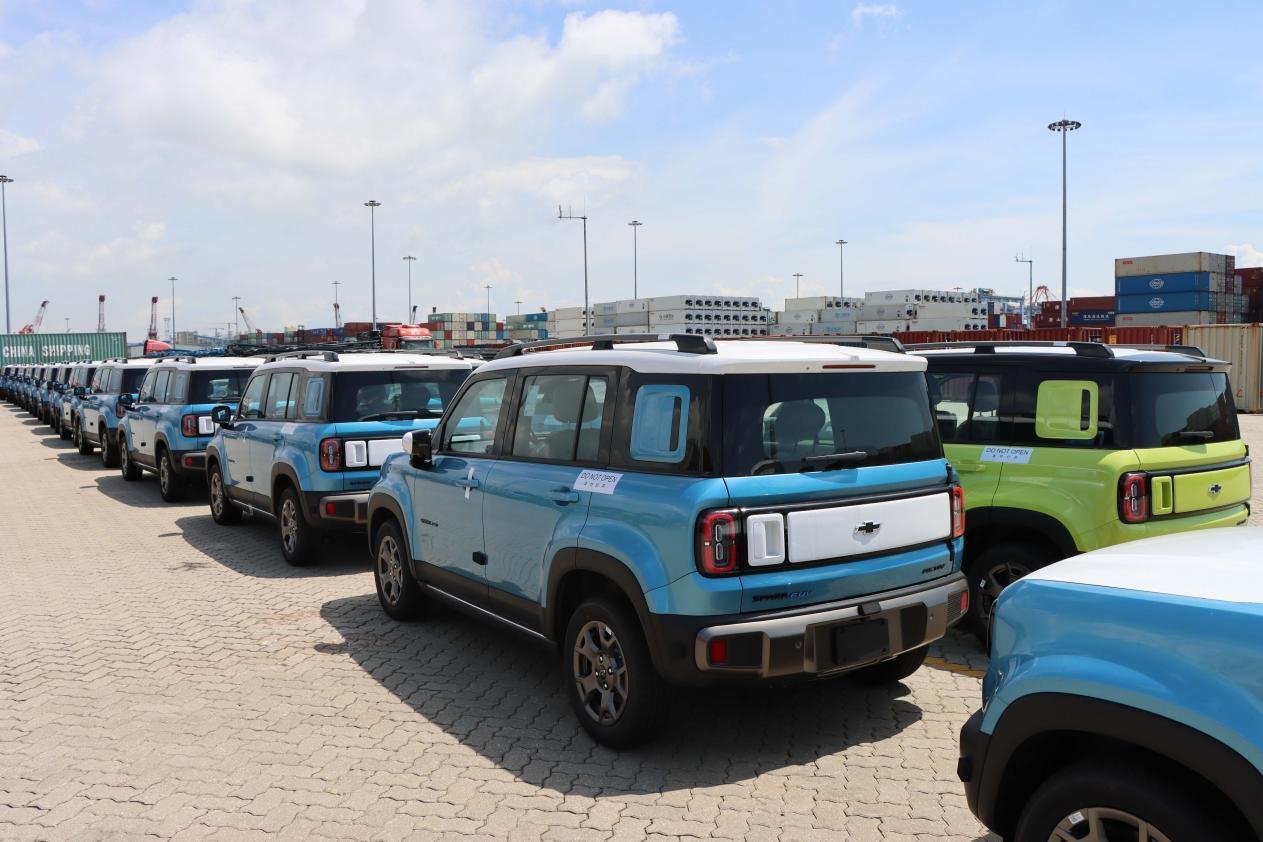
The appearance of the Chevrolet Spark EUV at AMOF 2026 suggests that Chinese-developed electric vehicles may continue expanding internationally through partnerships, badge engineering and technology-sharing arrangements. As the global EV industry becomes increasingly interconnected, consumers may find that some of the newest vehicles carrying established Western badges have roots that trace back to China's rapidly evolving automotive sector.