
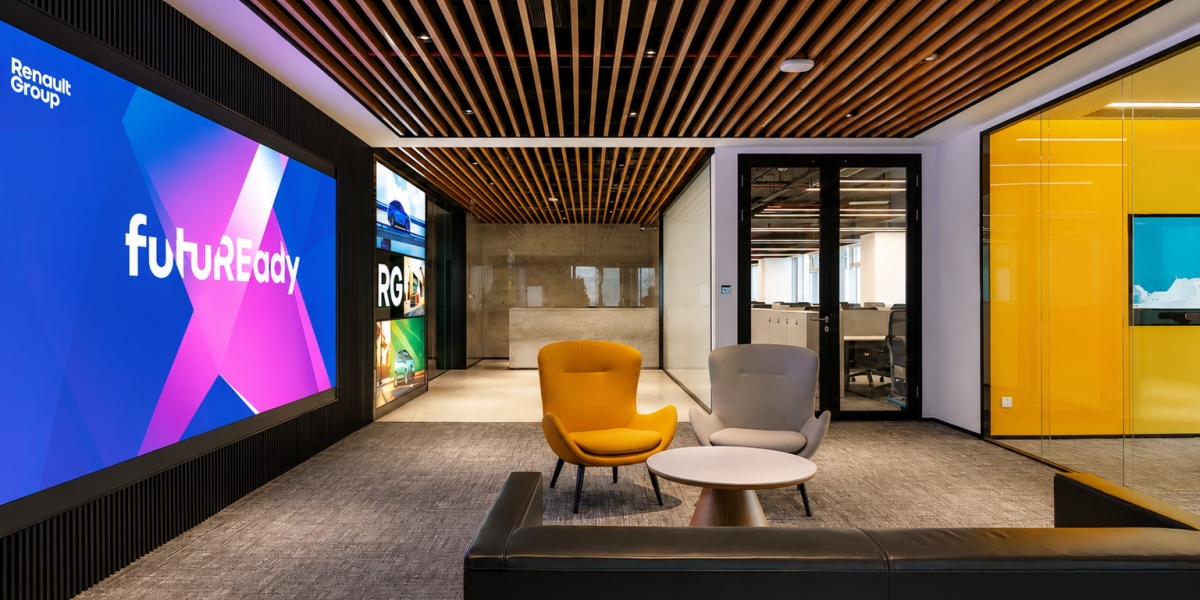
Renault has opened a new research and development office in Hangzhou, marking another sign of how China is shifting from a sales market for foreign carmakers into an engineering base for global vehicle programmes.
The office, formally launched on June 15, is part of Renault's ACDC organisation in China. Unlike the traditional model of multinational carmakers setting up Chinese R&D teams to localise vehicles for domestic buyers, the Hangzhou operation is focused on cars intended for overseas markets, including future models for Nissan and Dacia.
Shanghai Builds the Hardware, Hangzhou Leads the Software
The new office gives Renault a two-centre structure in China. Shanghai will focus on hardware integration, powertrains and whole-vehicle engineering, while Hangzhou will concentrate on software, artificial intelligence and user interaction.
That split also reflects a broader change in the role of ACDC. Renault no longer sees the team simply as a project delivery unit. It is being upgraded into what the company describes as a core capability centre, designed to turn China-based engineering experience into reusable systems for future global programmes.
A 22-Month Development Cycle Sets the Benchmark
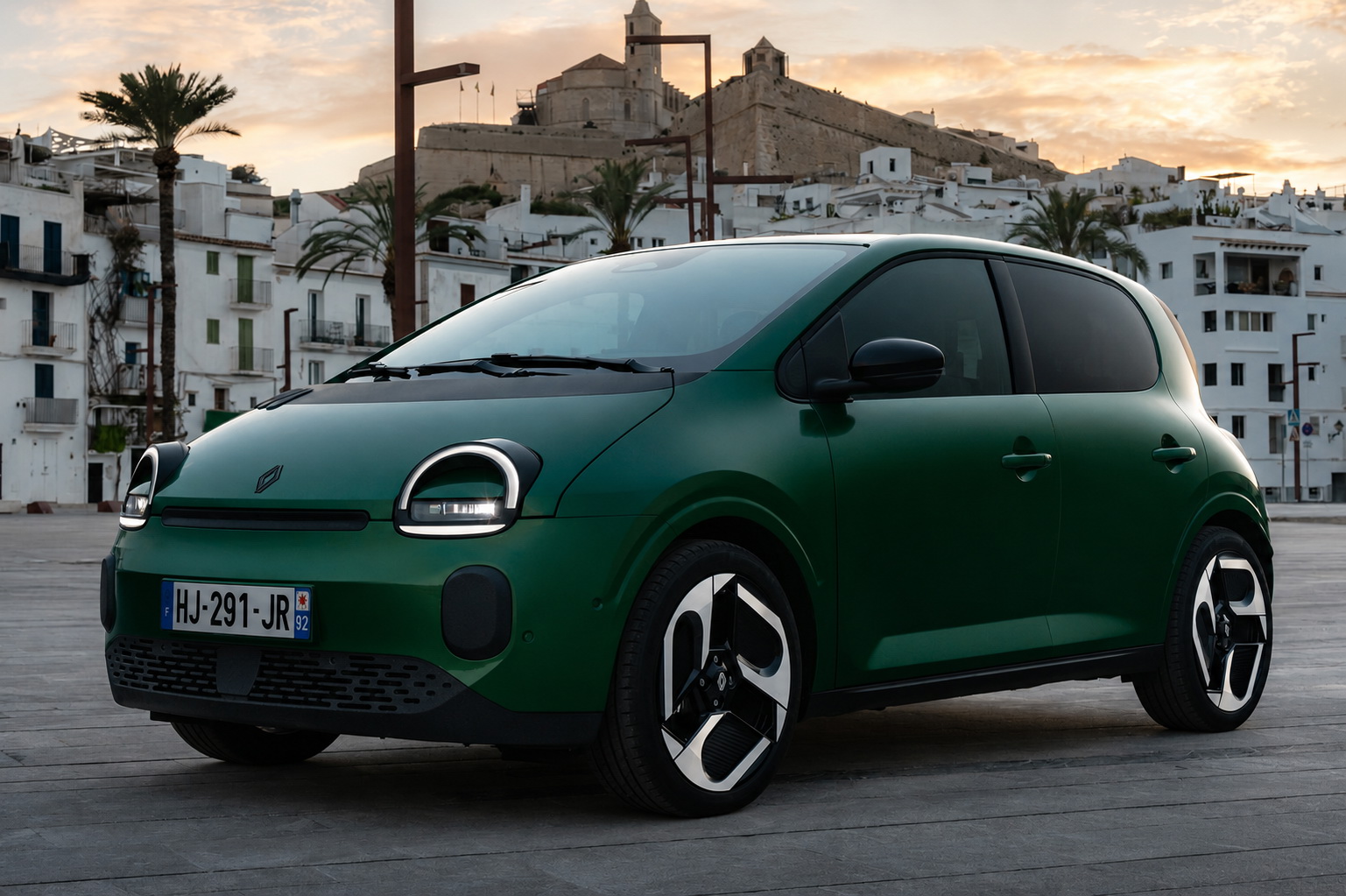
The clearest example so far is the Twingo E-Tech, Renault's entry-level electric car for Europe. The model was led by the China team and moved from project launch to delivery in just 22 months.
For traditional global carmakers, developing a new vehicle has typically taken 36 to 48 months. Even in an industry trying to shorten development cycles, a 22-month timeline from approval to production is unusually fast. Renault is now using the programme as an internal benchmark.
Renault's China Team Is Moving Beyond Renault
The work will not stop with Twingo. After that project, the China team is expected to take part in the next-generation Dacia A-segment electric vehicle, Nissan's next A-segment electric car and models based on the RGEA platform for Brazil.
That project list matters because several of the vehicles are not Renault-branded. Dacia, Renault Group's Romanian value brand, and Nissan are both set to benefit from engineering work carried out by the China team. ACDC is becoming less a Renault-only development arm than a technical resource for the wider Renault-Nissan alliance.
China's Role in Global Carmaking Is Changing
For years, foreign carmakers used China mainly as a manufacturing base. That evolved into China-specific product development as local buyers became more demanding and the market grew more competitive. Renault's latest move points to a third stage: Chinese engineering feeding global vehicle development.
Renault is a useful case study because it no longer has a large-scale passenger-car production business in China. Rather than trying to rebuild a domestic retail presence, the company is embedding Chinese engineering capacity directly into its global model pipeline.
Hangzhou's role as the software hub is also deliberate. The city has become one of China's most important centres for artificial intelligence and digital talent, making it a logical base for work on software-defined vehicles, user interfaces and connected-car systems.
The model still has to prove itself. The next test will be whether the Dacia and Nissan projects can be delivered with the same speed and discipline as Twingo. Even so, Renault's approach shows that "developed in China for the world" is no longer just a slogan inside the alliance. It is now part of the product schedule.