
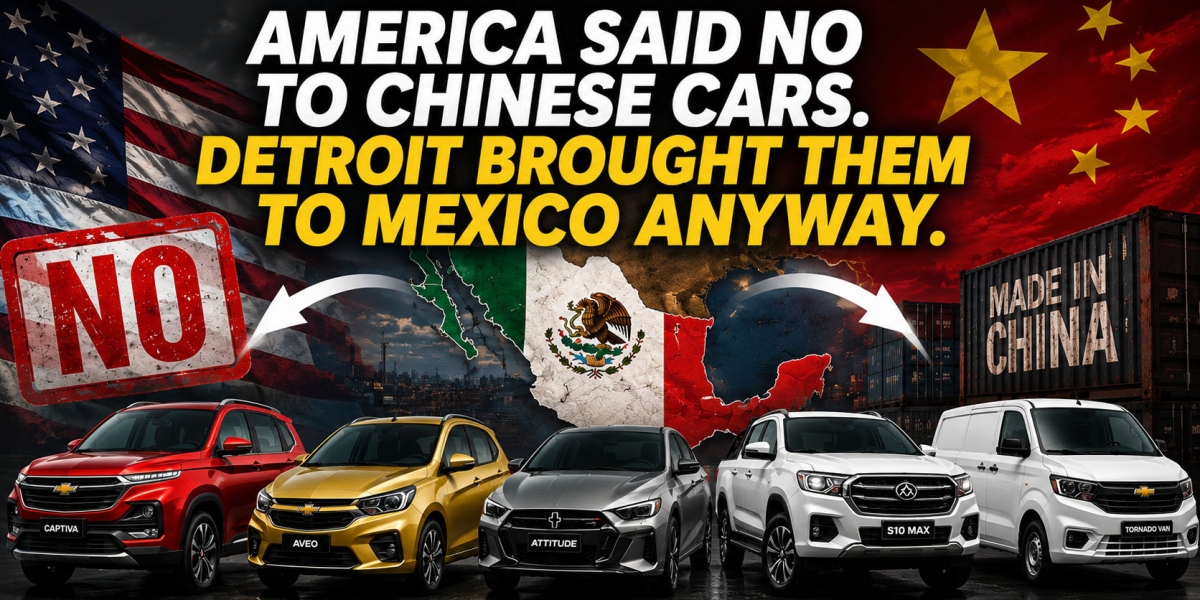
For years, Chinese automakers were treated as outsiders to the North American car market. Their brands were unfamiliar, their dealer networks were absent, and Washington’s tariff wall made a direct push into the United States commercially difficult. Yet travel south of the U.S. border and a different story appears on the showroom floor.
In Mexico, several vehicles wearing Chevrolet and Dodge badges trace their engineering, production or product origins back to Chinese automakers. Some come from joint ventures tied to General Motors. Others are sourced through partnerships with Chinese manufacturers that have become increasingly competitive in affordable SUVs, sedans, vans and pickups.
The result is one of the most interesting rebranding stories in the global auto industry: Chinese vehicles are not just entering Latin America under Chinese names. In some cases, they are arriving through Detroit’s own badges.
The Data: Chinese Models Behind Detroit Badges in Mexico
| Mexico-market model | U.S. brand | Chinese-origin model | Chinese partner / source | Segment |
|---|---|---|---|---|
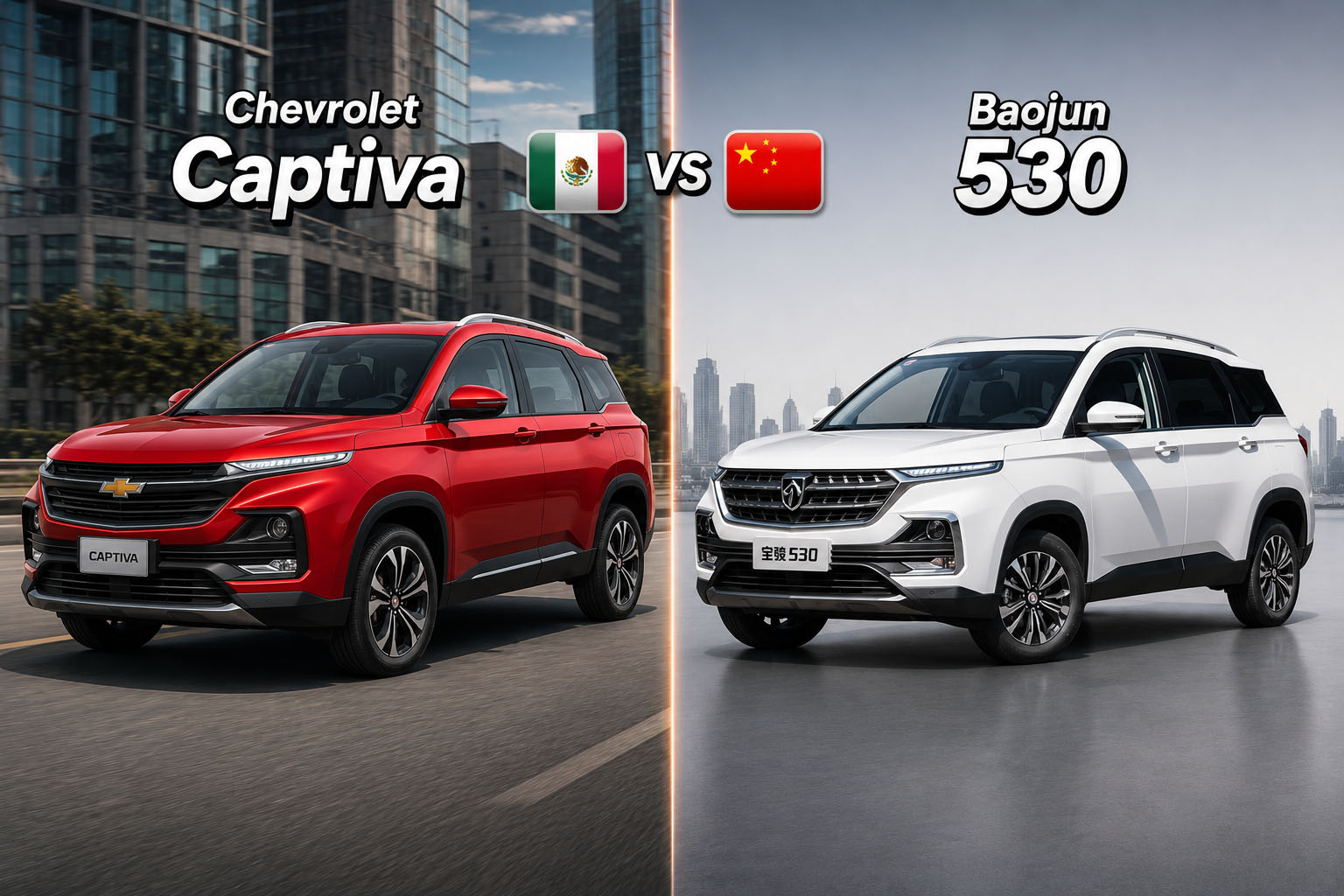
| Chevrolet Captiva | Chevrolet | Baojun 530 | SAIC-GM-Wuling | Compact SUV |
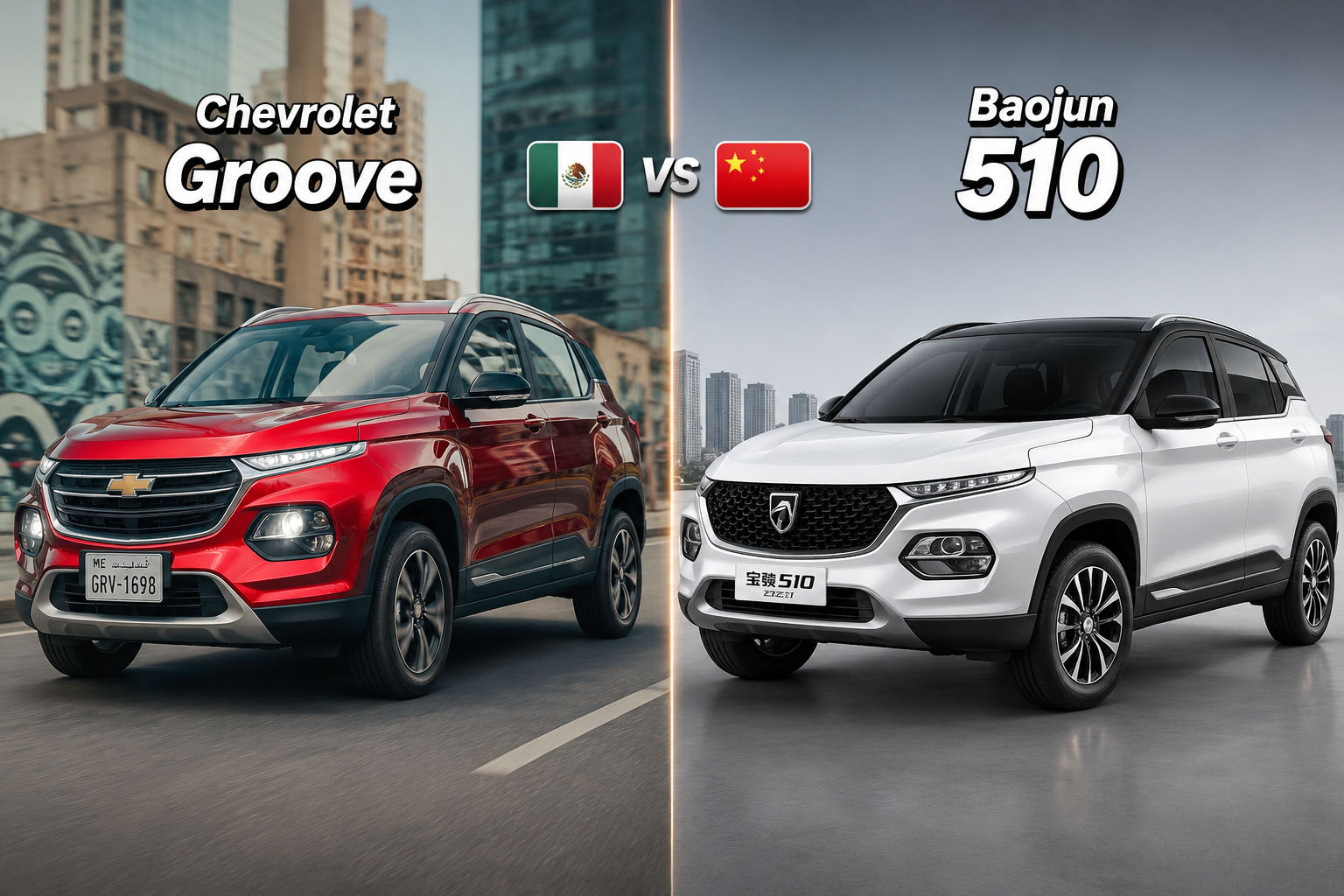
| Chevrolet Groove | Chevrolet | Baojun 510 | SAIC-GM-Wuling | Small SUV |
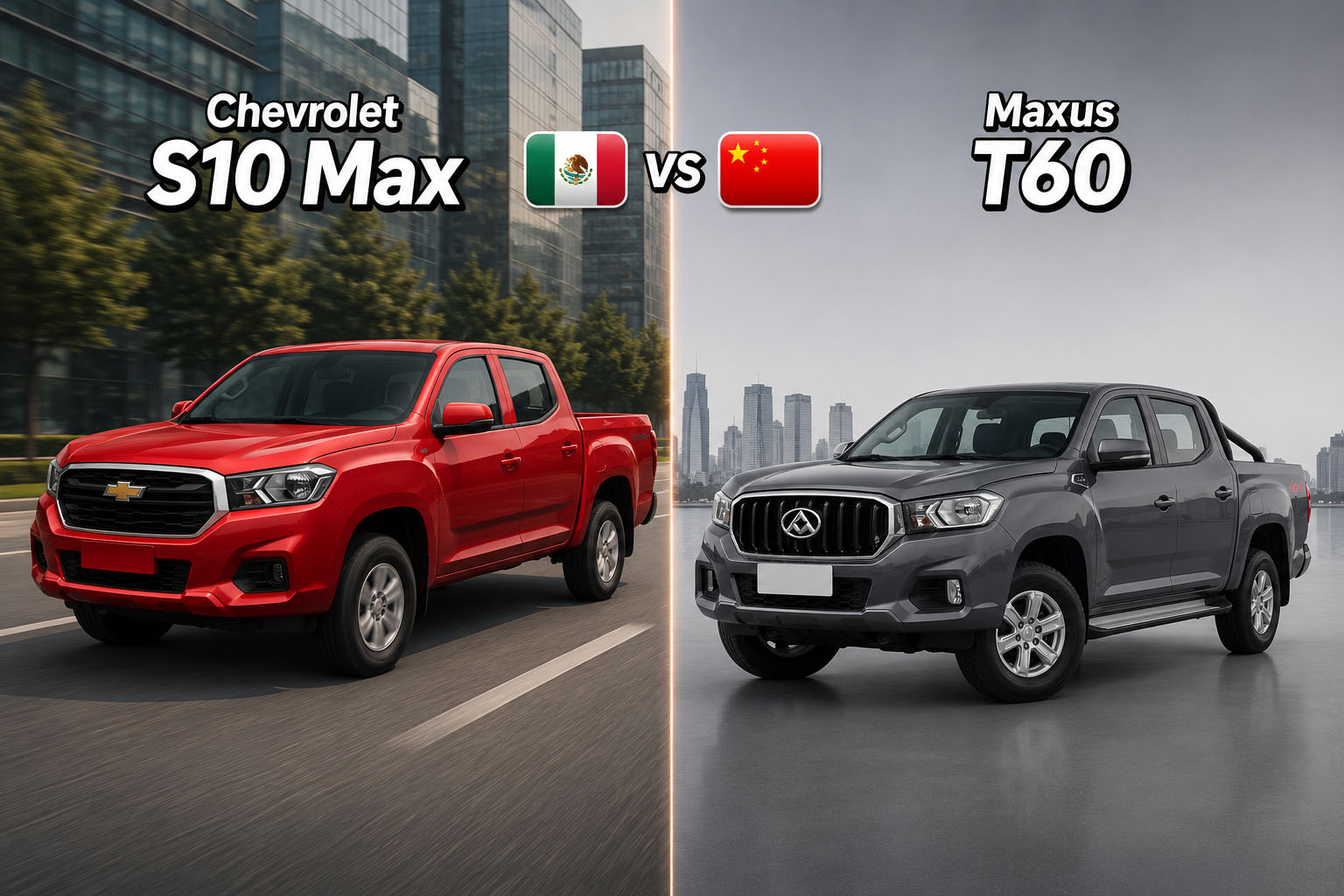
| Chevrolet S10 Max | Chevrolet | Maxus T60 | SAIC Maxus | Pickup |
| Chevrolet Tornado Van | Chevrolet | Wuling Hongguang | SAIC-GM-Wuling | Commercial van |
| Dodge Attitude | Dodge | GAC Empow | GAC / Trumpchi | Compact sedan |
| Chevrolet Aveo | Chevrolet | SAIC-GM-Wuling small-car platform | SAIC-GM-Wuling | Hatchback / sedan |
Why Mexico Became the Workaround
The United States has never been an easy landing zone for China-built cars. Tariffs, regulatory scrutiny and political pressure have made the market difficult even for global automakers with deep experience in compliance and distribution. Mexico is different. It is close to the U.S., deeply connected to North American manufacturing, but its car market is more price-sensitive and more open to small vehicles that Detroit no longer prioritizes at home.
That gap created an opening. Chevrolet and Dodge needed affordable products for Mexican buyers. Chinese automakers and joint ventures had exactly those products: compact SUVs, entry sedans, small vans and value-oriented pickups that could be adapted quickly and sold under familiar Western badges.
This is not simply a story about cheap cars. It is a story about product economics. A full new model program can cost hundreds of millions of dollars. Rebranding an existing vehicle from China can fill a market gap faster, preserve dealer traffic and keep a brand present in segments that might otherwise be abandoned.
Chevrolet Captiva vs Baojun 530: The SUV That Made the Strategy Visible
The Chevrolet Captiva is the most obvious example. The name sounds familiar to global buyers, but the modern Mexico-market Captiva is widely identified as a rebadged version of the Baojun 530, a compact SUV from SAIC-GM-Wuling. Its value proposition is straightforward: family-friendly packaging, SUV styling and pricing below many traditional rivals.
For Chevrolet, the Captiva gave the brand a way to compete in a fast-growing SUV segment without relying on a U.S.-market product that would have been too expensive for many Mexican consumers. For SAIC-GM-Wuling, it gave a Chinese-developed vehicle a route into a North American-adjacent market under a badge buyers already trusted.
The image comparison is powerful because the strategy becomes instantly visible. Change the grille, badge and market positioning, and a Chinese SUV becomes a Chevrolet.
Chevrolet Groove vs Baojun 510: The Entry SUV Play
The Chevrolet Groove follows the same logic at a lower price point. Based on the Baojun 510, it sits in the small-SUV space that has grown quickly across Latin America. These vehicles are not designed to dominate luxury markets. They are designed to be attainable, efficient and easy to sell through existing dealer networks.
For General Motors, the Groove helped cover a part of the market where American product planning has become thin. U.S. automakers have spent much of the past decade chasing higher margins through pickups, large SUVs and premium crossovers. Mexico still has strong demand for smaller, cheaper vehicles. Chinese platforms can meet that demand quickly.
Chevrolet S10 Max vs Maxus T60: China Moves Into the Work Truck Segment
The Chevrolet S10 Max shows that the pattern is not limited to passenger cars. The pickup is closely associated with the Maxus T60, a truck developed by SAIC Maxus. In Mexico, Chevrolet positions the S10 Max as a work-ready pickup, offered in versions aimed at commercial users and small businesses.
This matters because pickups are central to the identity of Detroit automakers. A Chinese-origin Chevrolet pickup in Mexico undercuts the idea that Chinese automakers only compete in budget city cars or low-end EVs. They are also supplying the bones of commercial vehicles and trucks in markets where value matters more than brand purity.
Chevrolet Tornado Van vs Wuling Hongguang: The Fleet Logic
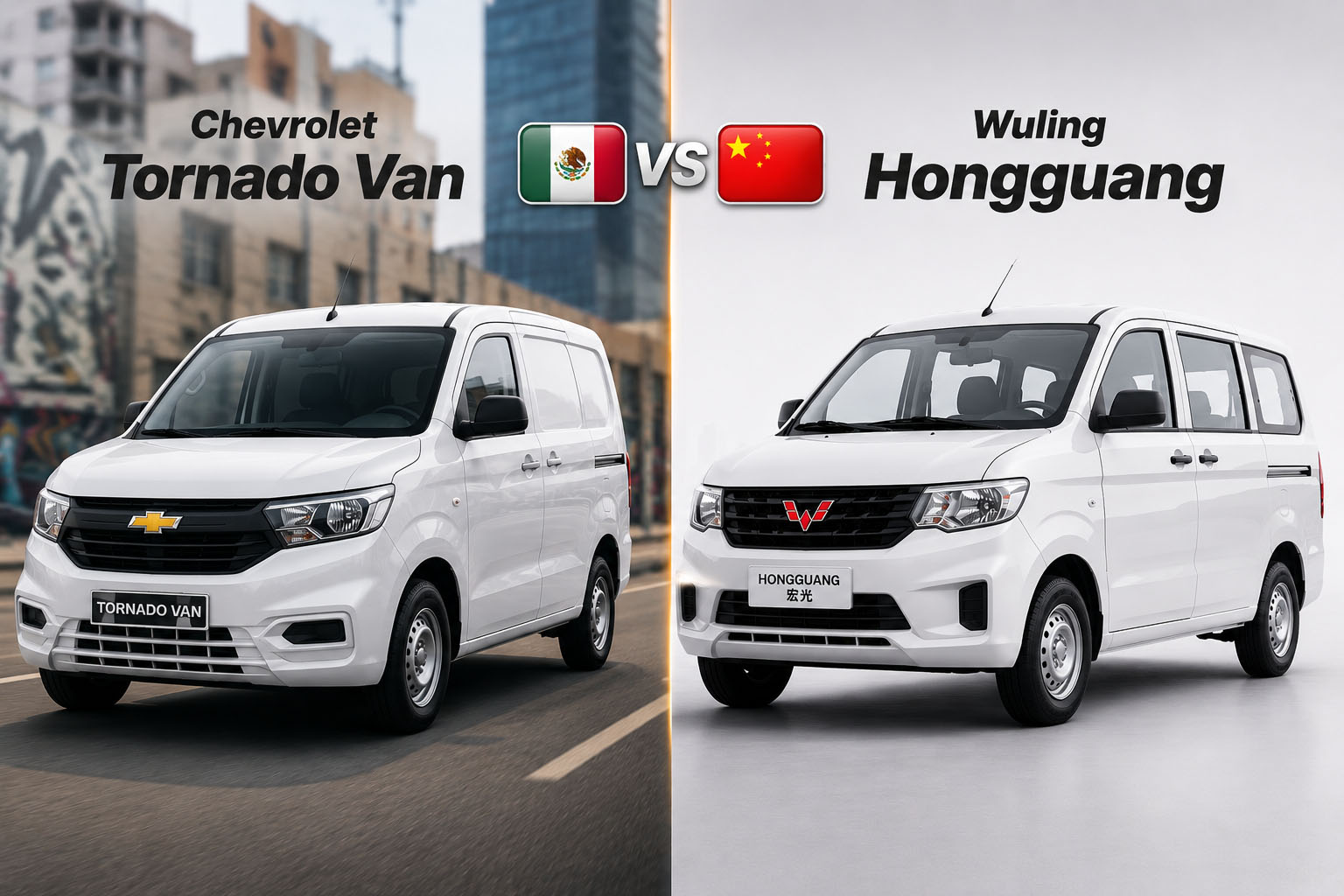
The Chevrolet Tornado Van is perhaps the clearest business case. The van traces its roots to Wuling’s Hongguang family, one of China’s best-known affordable people- and cargo-movers. In Mexico, the Chevrolet badge turns it into a practical commercial product for small companies, delivery operators and fleet buyers.
Fleet customers tend to be pragmatic. They care about price, durability, parts supply and dealer support. A Chinese van sold through Chevrolet’s network can be more attractive than an unknown Chinese badge trying to build trust from scratch.
Dodge Attitude vs GAC Empow: Stellantis Finds a Sedan in China
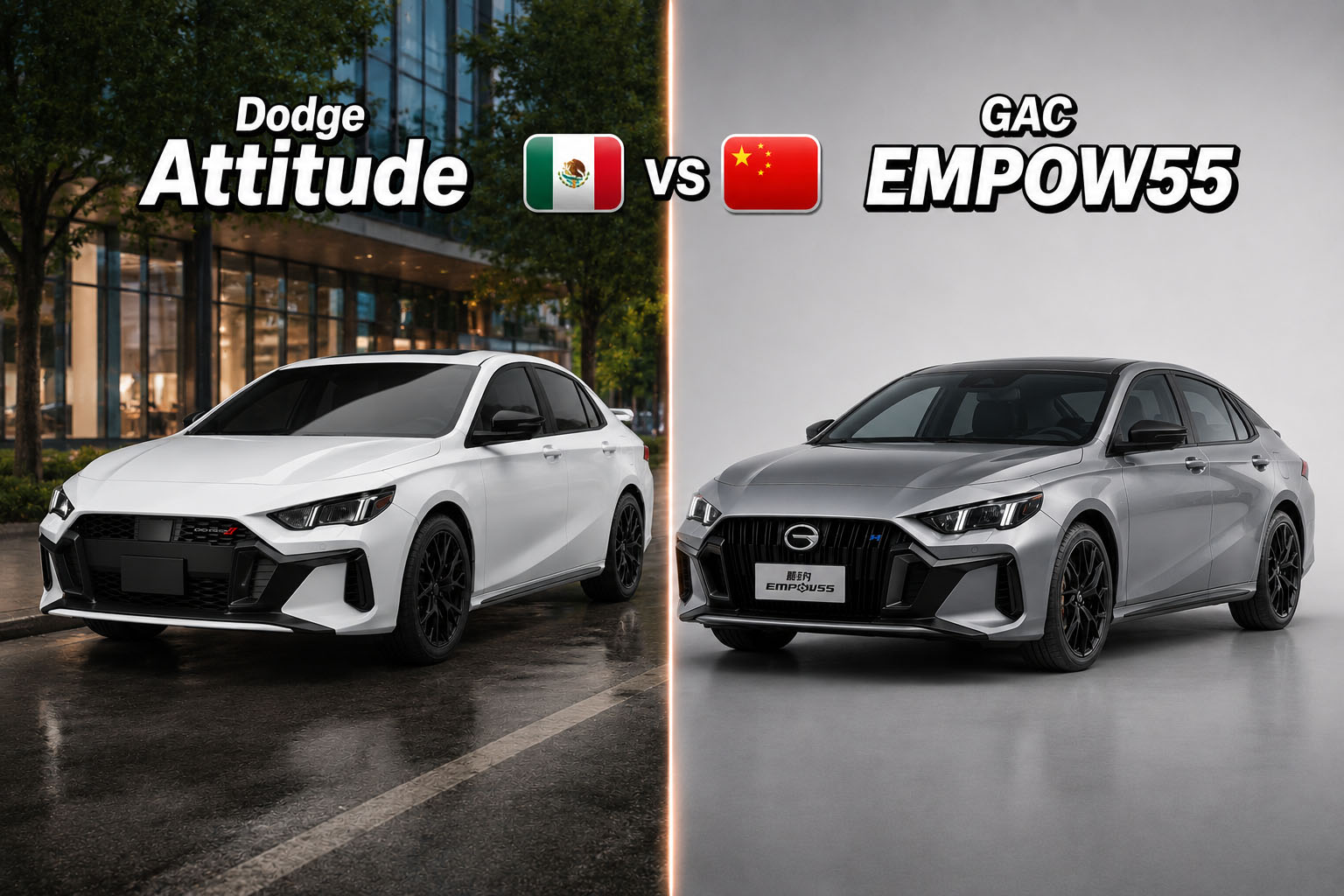
The Dodge Attitude may be the most viral example. Dodge has almost disappeared from the U.S. sedan market, yet in Mexico the Attitude name continues on a compact sedan based on the GAC Empow. That makes it a strange product by American standards: a Chinese sedan wearing one of Detroit’s most aggressive performance-oriented badges.
There is a reason the model attracts attention online. It collides with everything many U.S. readers think they know about Dodge. The brand sells muscle cars and SUVs in America, but a China-sourced compact sedan in Mexico. That contrast makes the Attitude especially useful for social media, where surprise and contradiction often drive shares.
Chevrolet Aveo vs Baojun 310: The Value-Car Connection
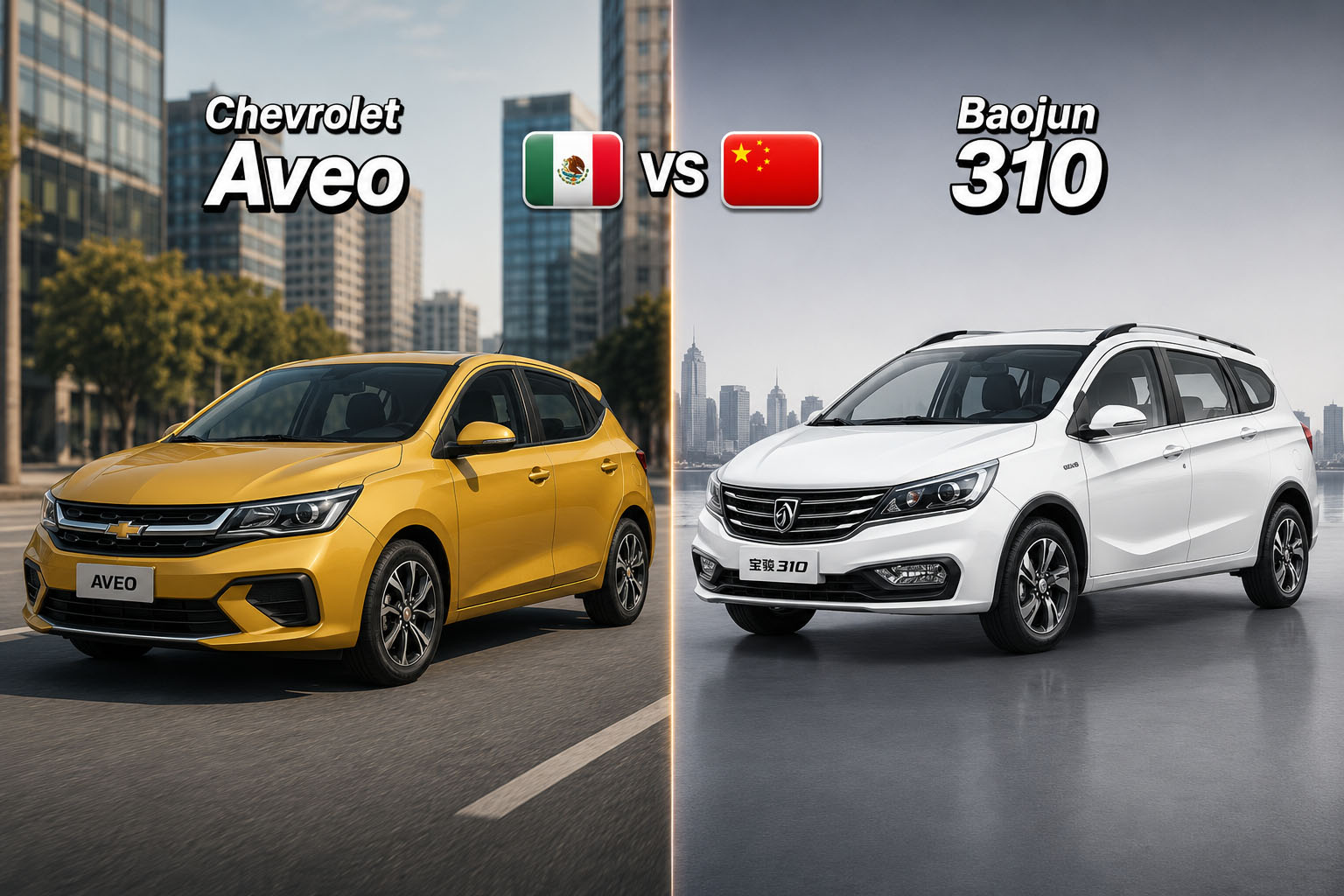
The Aveo name has long been associated with affordable transportation in Mexico and other emerging markets. The latest Mexico-market Aveo was developed and produced through SAIC-GM-Wuling in China, reinforcing the same pattern: Chevrolet uses Chinese small-car engineering to stay competitive in an entry-level segment that U.S. product planners largely left behind.
The Baojun 310 comparison helps explain the logic visually. Whether the technical relationship is described as a direct rebadge or a broader SAIC-GM-Wuling small-car lineage, the strategic message is the same: China has become a source of affordable global platforms for brands that once defined mass-market motoring themselves.
Why Detroit Is Doing This
The strategy is easy to criticize, but hard to dismiss. These vehicles help Chevrolet and Dodge solve three problems at once.
First, they fill product gaps. Detroit’s U.S. lineups are increasingly concentrated around profitable trucks, SUVs and premium models. Mexico still needs entry cars, small crossovers, commercial vans and affordable work trucks.
Second, they reduce development risk. Instead of engineering a new vehicle for a market with lower margins, an automaker can adapt an existing Chinese model, localize it and sell it through a known brand.
Third, they keep dealers supplied. A brand that leaves too many low-cost segments risks losing younger buyers, fleet operators and first-time households. Chinese-origin models give dealers more showroom coverage.
The Risk: What Is a Brand Worth?
The risk is brand dilution. A Chevrolet built on a Chinese joint-venture platform may make commercial sense, but it can also confuse consumers. Are they buying an American car, a Chinese car, or something in between?
That question matters more as Chinese automakers become stronger in their own right. In the past, rebadging often helped foreign brands hide the origin of a lower-cost product. Today, Chinese engineering is no longer automatically a weakness. In some segments, it may be the reason the product exists at all.
The bigger challenge for Detroit is that Chinese automakers are learning the market at the same time. Every rebadged Chevrolet or Dodge gives a Chinese supplier more data on regional tastes, pricing, regulation and after-sales expectations. That experience could become valuable if Chinese brands later choose to expand under their own names.
The Bigger Story: China Is Already in North America
The usual debate asks when Chinese automakers will enter the United States. The better question may be whether they have already entered the broader North American ecosystem through Mexico, joint ventures, component supply and rebranded vehicles.
These cars are not flooding U.S. highways under BYD, Geely, Chery or GAC badges. They are entering nearby markets more quietly, often through brands American buyers already know. That makes the strategy less visible, but perhaps more important.
America may have said no to Chinese cars. Detroit, facing the economics of affordable vehicles in Mexico, found a different answer.