
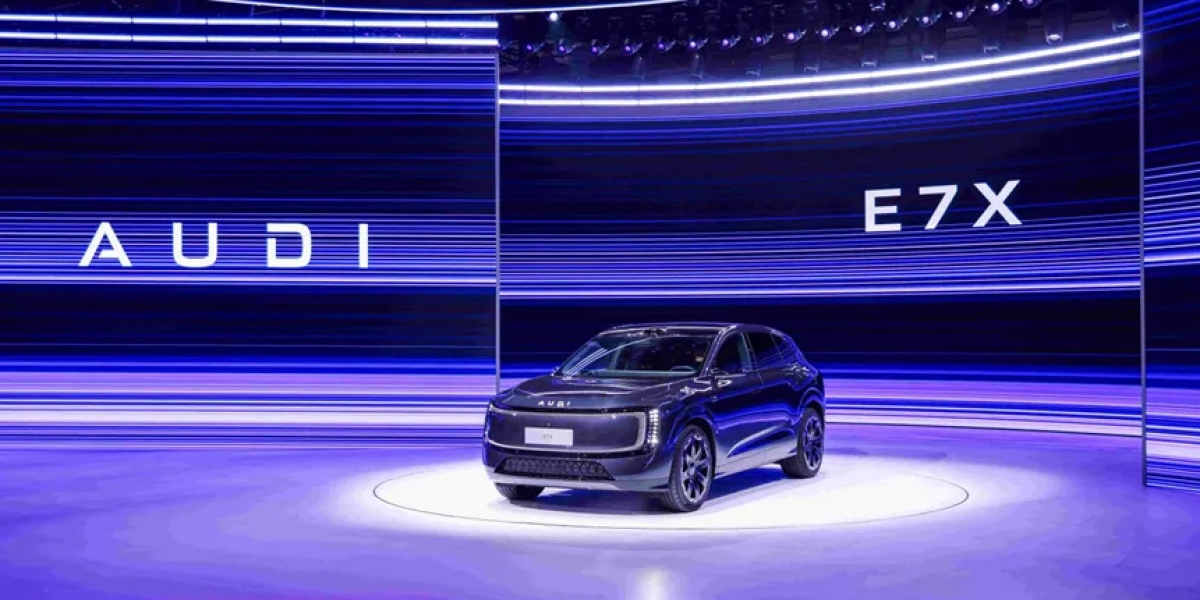
When many industry observers had begun writing off traditional luxury brands in China’s electric vehicle race, Audi’s E7X delivered an unexpected early result.
The new electric SUV recorded 4,017 deliveries in its first month, with an average transaction price above $40,000, placing it among the top three models in the 300,000-yuan-plus equivalent premium electric SUV segment.
The numbers alone are not the biggest story. Audi E7X represents a broader strategic shift: a legacy European luxury brand attempting to rebuild its position through product strength, technology integration and a new approach to pricing.
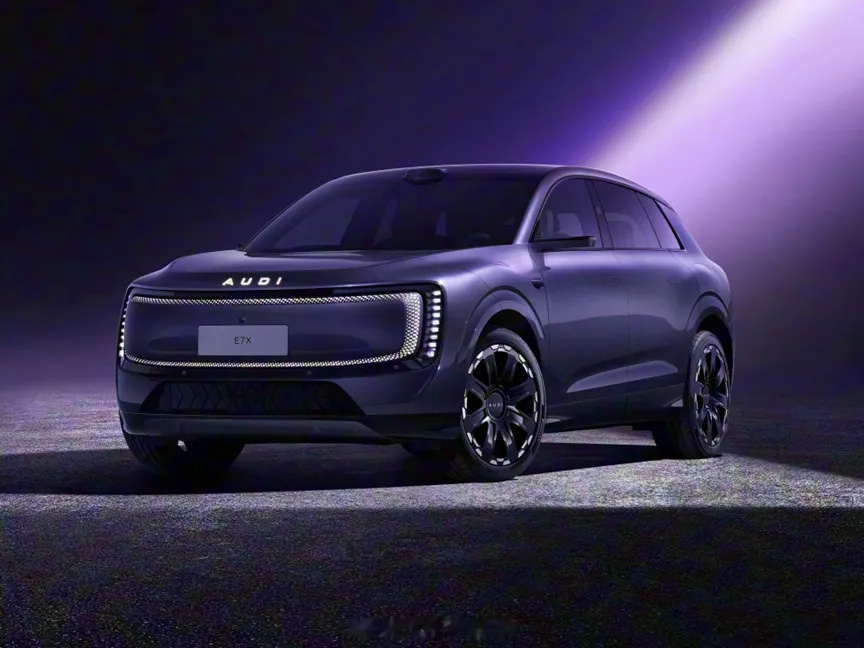
A Different Luxury Formula: Removing the Old Premium Tax
The E7X entered the market with a starting price of about $37,000, significantly lower than many buyers would expect from a German luxury SUV. Audi and its joint venture partner SAIC positioned the vehicle without traditional brand premium pricing, aiming instead to let technology and engineering define value.
This approach challenges a long-standing assumption in the luxury auto industry: that brand reputation alone can justify higher prices. Audi’s strategy is not a retreat from luxury, but an attempt to redefine what luxury means in the EV era.
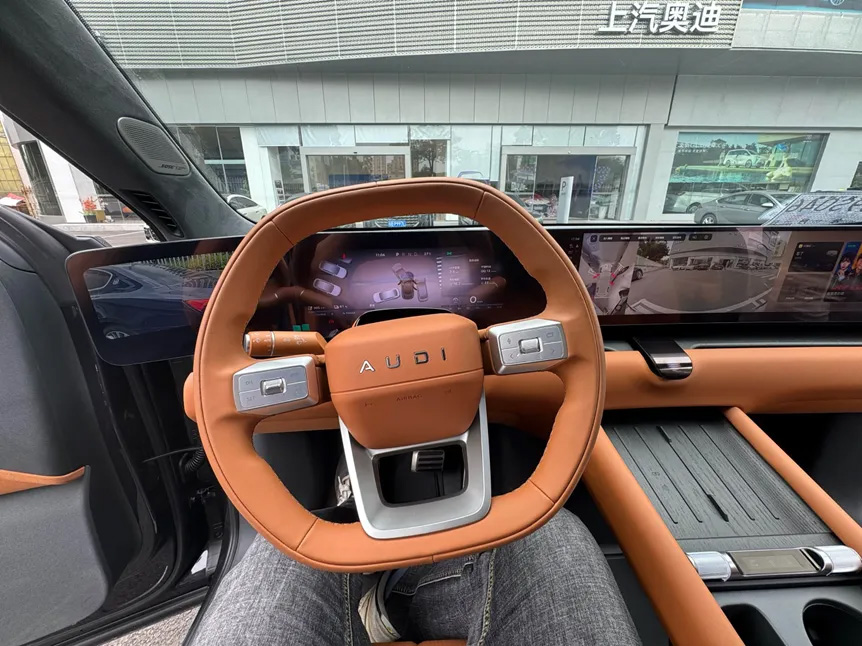
More than 90% of E7X buyers came from replacement or upgrade purchases, while 57% were existing German-brand owners. Some Porsche and Rolls-Royce Cullinan owners also reportedly purchased the vehicle, suggesting that a segment of premium customers still values German driving characteristics and engineering identity.
The New Battle for China’s Premium EV Market
China’s electric vehicle market has become increasingly focused on price competition, feature battles and rapid product cycles. Many international brands have struggled as their traditional advantages became less distinctive.
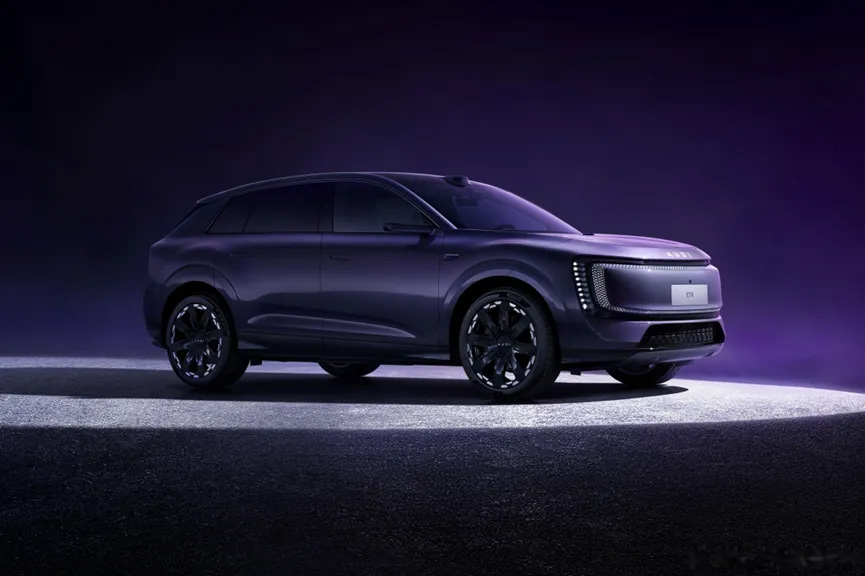
Audi took a different route. Instead of joining aggressive discounting campaigns, the company equipped the E7X with features such as rear-wheel steering, lidar technology and a 900V high-voltage platform, creating a perception of a fully equipped premium EV rather than a discounted luxury product.
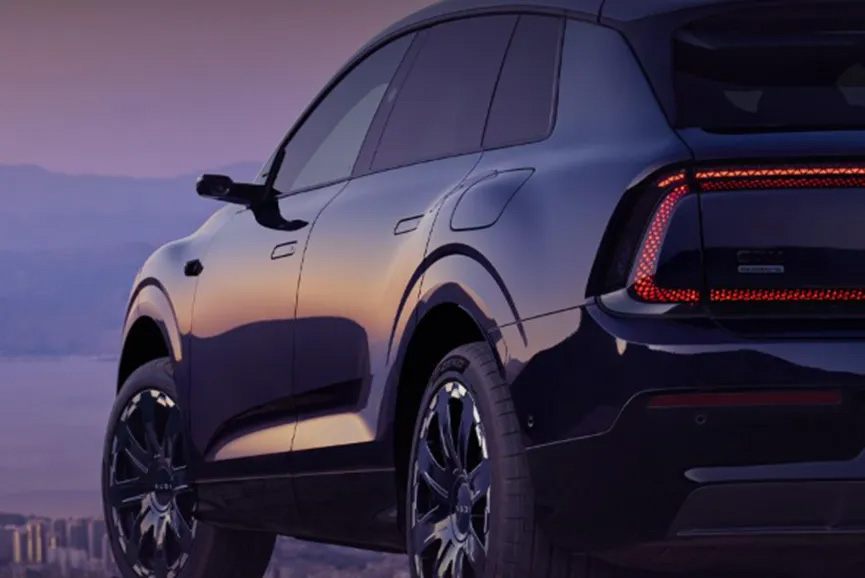
The strong take rate of quattro versions, with more than 60% of customers choosing the option, indicates that buyers are still willing to pay for meaningful technology and driving capability.
China’s Role in Audi’s Next Generation Strategy
The E7X is also a test of a new form of international cooperation in China’s auto industry. Traditional joint ventures once followed a simple formula: global automakers supplied technology while Chinese partners provided market access. That model is being reshaped by the speed of China’s smart EV ecosystem.
Audi’s partnership with SAIC reflects a deeper level of collaboration, combining German expertise in vehicle dynamics, safety and premium engineering with Chinese strengths in software, intelligent systems and supply-chain efficiency.
Audi’s global leadership has described China as a core innovation hub for the company’s transformation. The E7X demonstrates how a European luxury manufacturer is trying to absorb local EV expertise while maintaining its global brand identity.
A Balanced Product Strategy in an Era of Specialization
Many Chinese EV brands have built their reputation around specific strengths: intelligent driving, family-oriented space, user services or ecosystem integration. Audi’s approach is different. The E7X aims to become a well-rounded premium vehicle without a major weakness.

The SUV combines advanced driver assistance technology, a premium cabin experience, large dimensions and strong performance. Its strategy is not based on dominating one single category, but on delivering a balanced ownership experience.
For many consumers, a complete product with reliable performance across multiple areas may be more attractive than a vehicle that excels in only one dimension.
The AUDI Brand Experiment
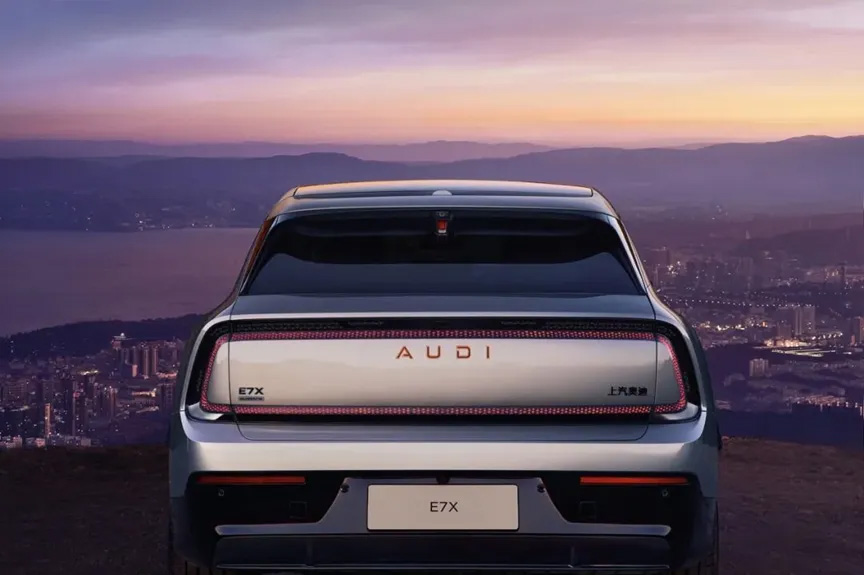
Audi’s decision to create a new AUDI brand identity without the traditional four-ring logo represented a significant gamble. Many industry observers questioned whether a century-old luxury manufacturer could create a new identity in China’s rapidly changing EV market.
The move reflected a willingness to adapt rather than defend the past. Audi’s leadership chose to embrace China’s innovation speed and create a new platform designed specifically for the electric era.
The E7X’s early performance suggests that the strategy has gained initial market acceptance, although the long-term challenge remains turning early interest into sustained brand growth.
A German Counterattack Has Only Just Begun
With 4,017 first-month deliveries, Audi E7X is not yet a market-changing volume product. But its importance goes beyond sales figures. The model provides a potential blueprint for traditional luxury automakers facing disruption from China’s EV leaders.
Audi’s experiment shows that global brands may still have a role in the electric future if they can combine heritage with local innovation. The German comeback story in China’s EV market is far from complete, but the E7X has opened a new chapter.