
BMW is preparing for one of the most abrupt resets in its China electrification strategy: a near-total pause in its locally built battery-electric line-up before the arrival of its next-generation EV platform.
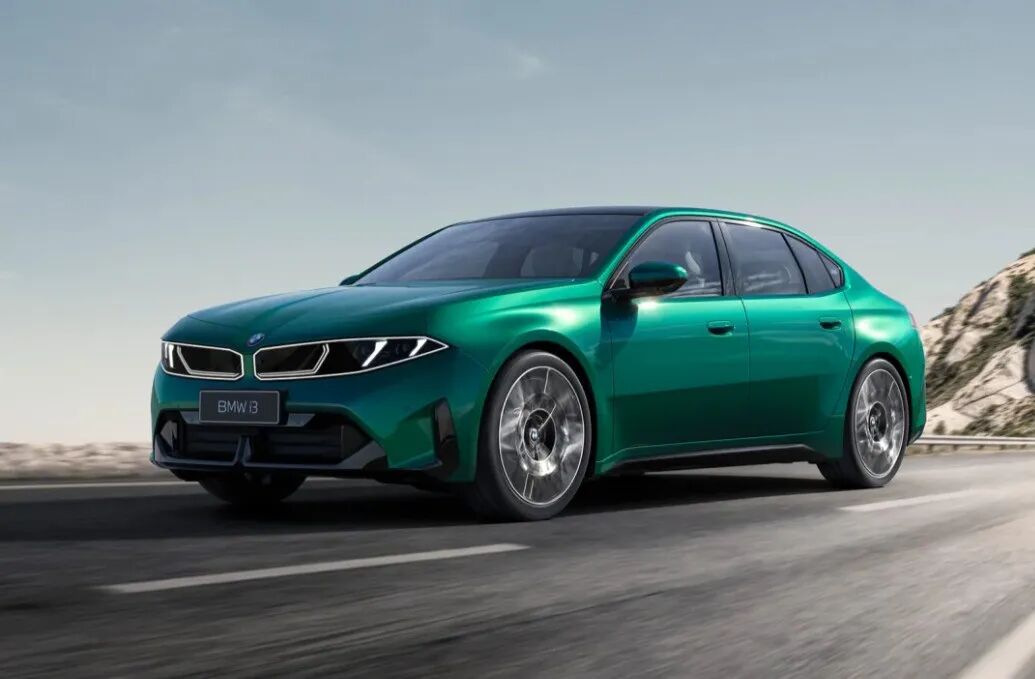
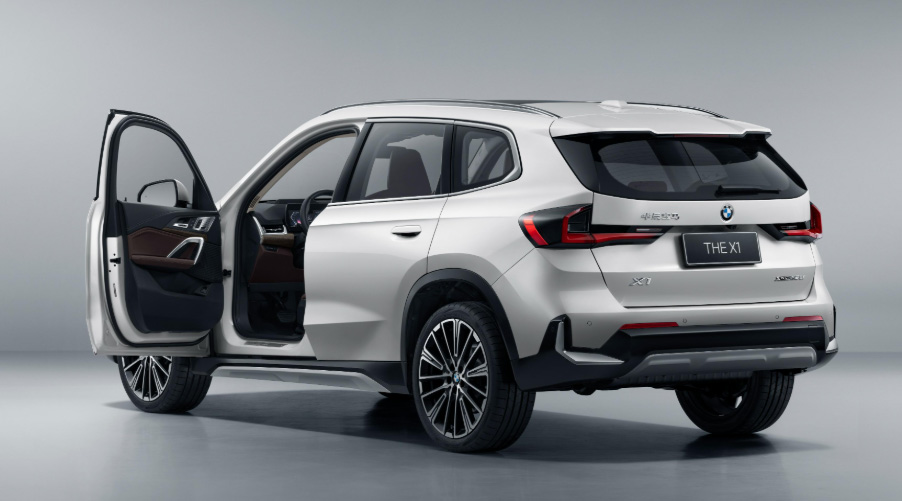
In July 2026, BMW’s electric range in China could enter an unprecedented gap. The BMW i3, i5 and iX1 built by BMW Brilliance are expected to be discontinued at the same time, while the imported i7 has already entered its own run-out phase. That would leave BMW without its main locally produced electric models for several months, until the long-wheelbase Neue Klasse BMW iX3 is scheduled to arrive in the fourth quarter.
BMW has described the move as a routine production adjustment based on market timing and product cycles, rather than a retreat from locally made electric vehicles. Yet the decision to halt an entire domestic EV line-up at once is unusual not only for BMW, but for the traditional luxury car industry more broadly. It is a high-stakes wager that the Neue Klasse platform can restore BMW’s relevance in the world’s most competitive electric-vehicle market.
BMW was not late to electrification. It introduced the BMW i sub-brand in 2011 and launched the first production i3 in 2013, well before most of China’s current EV challengers had gained scale. The problem is that an early start did not translate into sustained leadership. More than a decade later, BMW is effectively trying to begin again, this time with a dedicated electric architecture rather than combustion-era platforms adapted for batteries.
Why BMW Is Cutting Away Its First China EV Line-Up
The three locally built models expected to be discontinued - the i3, iX1 and i5 - are all based on CLAR, BMW’s flexible architecture for combustion and electrified vehicles. CLAR powered core BMW models including the 3 Series, 5 Series and X3 during the combustion era. In the EV era, its compromises have become harder to hide.
The current i3 uses a 400V electrical architecture and offers 550 kilometres of CLTC range in its entry version. The iX1 and i5 sit broadly in a 550km to 713km range band. By 2026, neither the range figures nor the voltage architecture look especially competitive in China, where high-voltage fast charging and long-range battery packs have rapidly moved from premium selling points to mainstream expectations.
The industrial logic is just as important. CLAR is not compatible with the Neue Klasse manufacturing system or supply chain. Deploying an 800V high-voltage architecture, large cylindrical cells and BMW’s sixth-generation eDrive system requires deep changes to existing production lines. Continuing to build older models would keep capacity tied to a less efficient generation of products and make it harder to concentrate resources on the new platform.
Sales data underline the urgency. According to China Passenger Car Association data cited in the original report, BMW’s i3, i5 and iX1 together delivered just 5,680 retail sales in the first quarter of 2026. Even the stronger-selling i3 averaged only about 2,000 units a month in 2025, far behind domestic new-energy rivals that can exceed 10,000 monthly sales in comparable segments.
Discounting has not solved the problem. The i3 continued to struggle even after terminal incentives of more than $11,000, while the iX1’s transaction price fell into the $25,000 range. In February 2026, i3 monthly sales dropped to just 577 units. When price cuts no longer create meaningful demand, the economics of continuing production become increasingly difficult to defend.
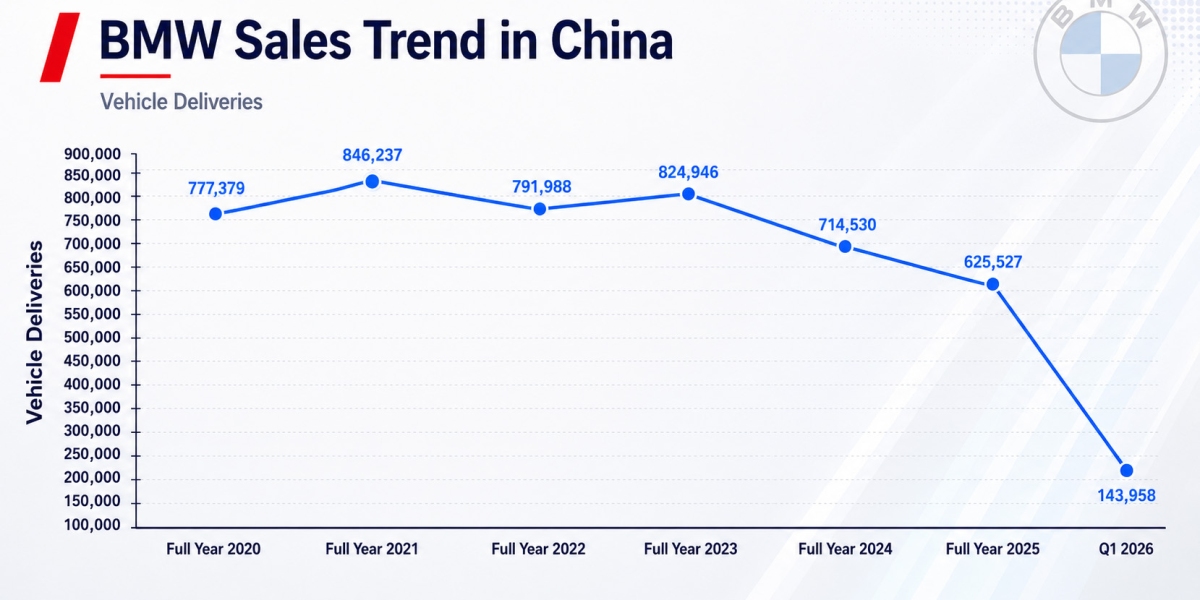
The broader China picture is also deteriorating. BMW’s China deliveries have fallen for three consecutive years, from 825,000 units in 2023 to 715,000 in 2024 and 625,000 in 2025. In the first quarter of 2026, China deliveries dropped another 10 per cent year on year to 144,000 units. China’s share of BMW’s global sales fell from 32.3 per cent in 2023 to 25.4 per cent in 2025, a decline of almost seven percentage points.
The pressure has reached the profit line. In June 2026, BMW Group sharply reduced its full-year guidance, cutting the automotive EBIT margin outlook from 4-6 per cent to 1-3 per cent, a level close to the stress seen during the 2008 financial crisis. The company identified pricing pressure in China as one of the main reasons. In the first quarter, BMW launched official discounts across 31 models, with the flagship i7 carrying incentives of more than $42,000, yet the sales slide continued.
Seen in that context, the production halt has a clear financial rationale. The current EV line-up is delivering weaker returns, and keeping it alive would risk further margin pressure. Ending production can improve cash discipline, absorb depreciation earlier and preserve room for a more competitive product cycle.
The risk is the gap. From a July shutdown to the fourth-quarter launch of the new iX3, BMW faces a three- to five-month vacuum in locally built battery-electric vehicles. The impact on showroom traffic, dealer confidence and customer retention will be one of the first tests of the strategy.
What Neue Klasse Is Meant to Fix
If BMW’s CLAR-based electric models were transitional products, Neue Klasse is designed to mark the company’s full shift to a native EV strategy. It is one of the largest technology investment programmes in BMW Group’s history, with related research and development spending exceeding 10 billion euros.
The difference is structural. CLAR was created for combustion vehicles and later adapted for electrification. Neue Klasse starts from the requirements of electric vehicles: battery packaging, charging speed, software architecture, energy efficiency and future production flexibility.
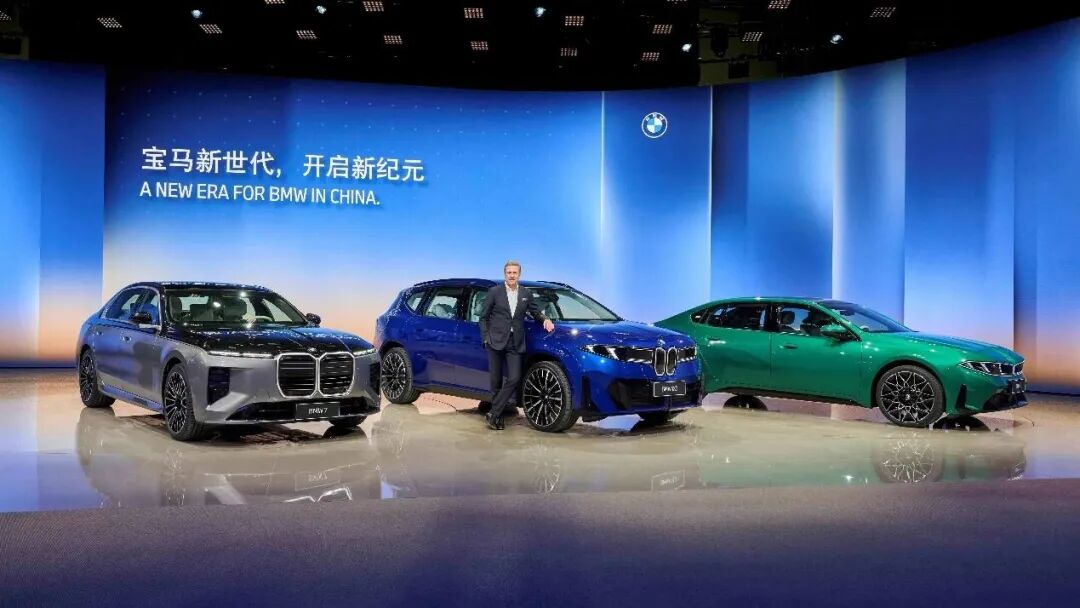
The first China-made Neue Klasse model will be the long-wheelbase BMW iX3, scheduled to enter production at BMW Brilliance’s Shenyang plant in the fourth quarter of 2026. A long-wheelbase Neue Klasse BMW i3 is planned to follow in early 2027.
On hardware, the new platform is a major step forward. The iX3 will use an 800V high-voltage architecture with peak fast-charging power of up to 400kW. Under CLTC testing, BMW says a 10-minute charge can add about 350km of range.
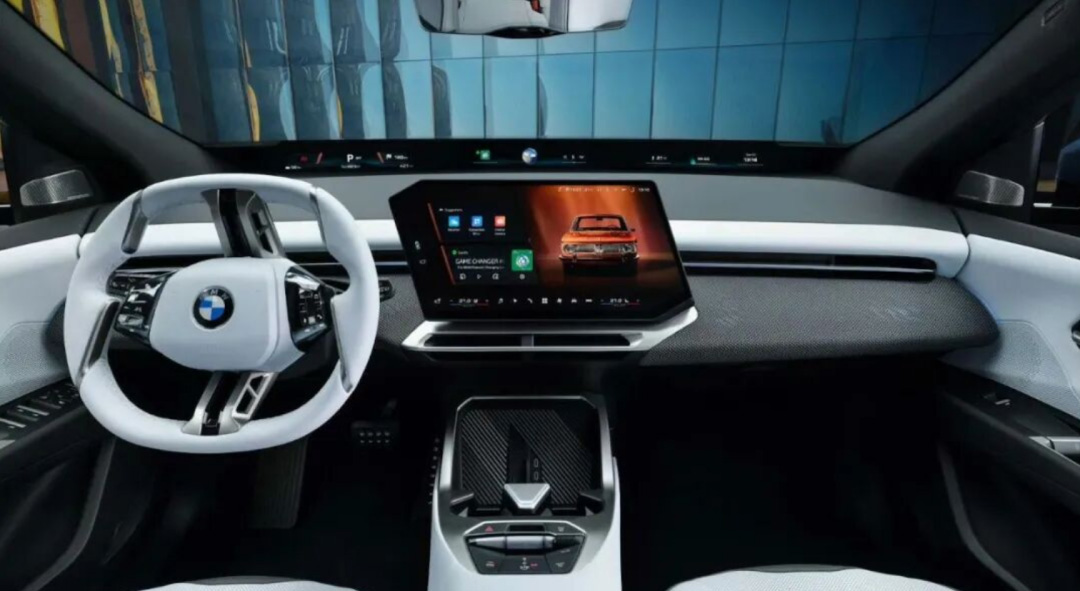
The vehicle will use BMW’s sixth-generation eDrive system and a 108kWh large cylindrical-cell battery. The long-wheelbase Neue Klasse iX3 is expected to exceed 900km of CLTC range, while the China-specific long-wheelbase i3 is expected to surpass 1,000km. A central computing unit, described by BMW as an integrated “driving control superbrain”, will coordinate power, braking, recuperation and other core vehicle systems. Total computing power is expected to be more than 20 times that of current models.
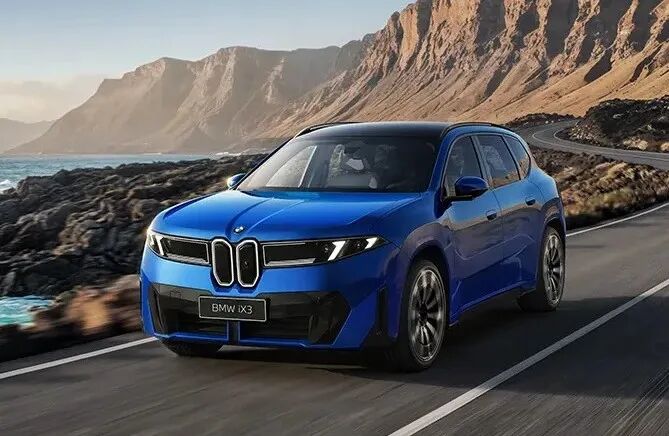
BMW is also changing its China development logic. Earlier electric models largely followed a global-product template with limited local adaptation. Neue Klasse has been developed with Chinese user needs more deeply embedded from the outset. The most visible sign is the extended wheelbase: the long-wheelbase iX3 reaches 3,005mm, 108mm longer than the standard global version and longer in wheelbase than the standard BMW X5.
On intelligent driving, BMW is working with Momenta on a full-scenario driver-assistance system tailored to Chinese road conditions. In the cockpit, about 70 per cent of the underlying code for the China-specific Neue Klasse Operating System X has been developed by BMW’s China team. The in-car AI personal assistant integrates Alibaba’s large language model and DeepSeek technology. The vehicle will also support Huawei HarmonyOS NEXT digital key functions and HiCar connectivity.
BMW has said the new generation of batteries could reduce overall battery costs by as much as 50 per cent compared with its fifth-generation system, assuming the same range target. If achieved, that would give Neue Klasse a better chance not only to close the product gap with leading Chinese EV brands, but also to compete with them on cost.
The platform will not stop with one model. BMW plans to launch at least six Neue Klasse vehicles within 24 months of the first model’s debut, covering segments from compact sports activity vehicles to mid-to-large sedans. By the end of 2027, BMW expects to introduce more than 40 new or updated models globally. In China, it has positioned 2026 as a major product year, with BMW, MINI and Motorrad together preparing about 20 new and refreshed models.
Can the New Platform Change BMW’s China Story?
Neue Klasse gives BMW a more credible technological answer to its China EV problem. Range, charging speed and electronic architecture should move closer to the industry’s leading edge. But a stronger platform does not guarantee a turnaround.
BMW still has genuine advantages. Its expertise in chassis engineering, energy management and vehicle dynamics remains an important asset. In this year’s Norwegian EV summer test, the Neue Klasse iX3 delivered real-world range performance ahead of several rivals including Mercedes-Benz and Lucid, according to the original report, suggesting BMW’s efficiency and calibration work remain competitive.
The brand also retains value beyond China’s EV battlefield. BMW’s global sales edged up 0.5 per cent in 2025, while its European battery-electric sales rose 28.2 per cent. That suggests the group’s electrification strategy is not failing everywhere; the problem is concentrated most sharply in China.
BMW’s new chief executive, Milan Nedeljkovic, has repeatedly described China as the company’s largest single market and expressed confidence that Neue Klasse can stabilise performance as the product cycle advances. That remaining brand equity gives BMW some room to fight back.

The obstacles are substantial. The first is the market cost of the product gap. Between the July halt and the fourth-quarter iX3 launch, traffic in the mid-to-high-end EV market may shift further toward domestic brands. Dealers will have to manage a period with fewer electric products to sell, while potential customers may not wait.
The second is the speed of competition. In 2026, Chinese brands already account for more than 60 per cent of the domestic new-energy market above the roughly $42,000 price level. In that part of the market, 800V charging, long range and advanced driver assistance have become expected features. Once Neue Klasse fills BMW’s hardware gaps, the next battle will be user experience, software ecosystems, service quality, and pricing discipline.
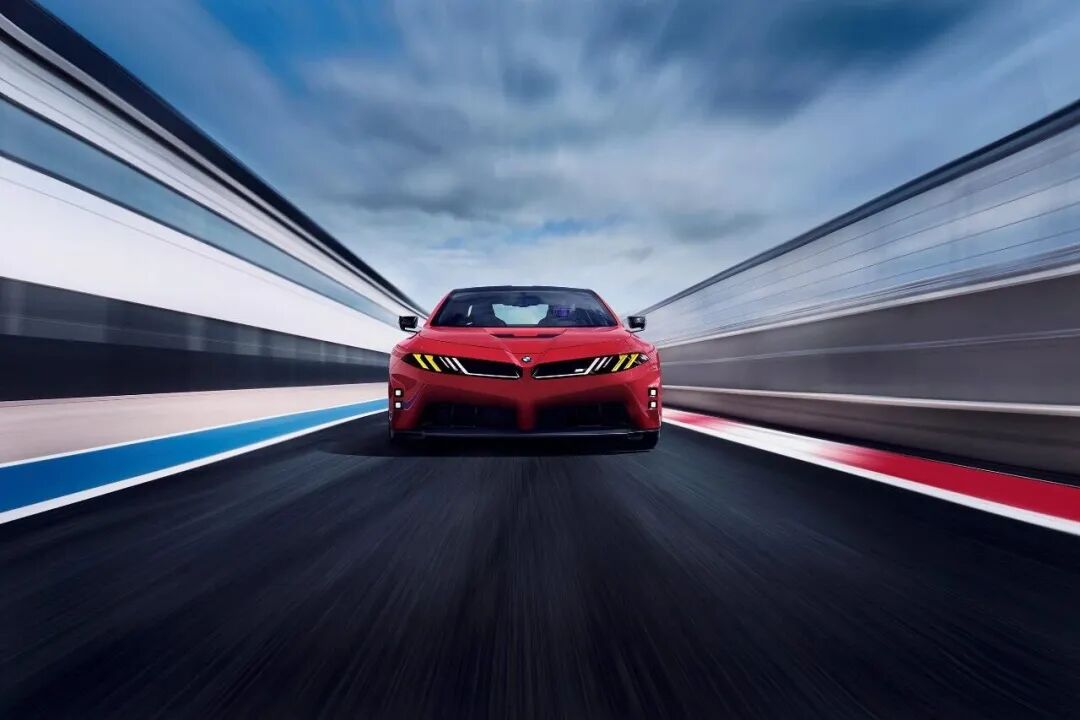
Intelligence may be the largest uncertainty. BMW’s partnership with Momenta could narrow the gap in driver assistance, but it remains unclear whether it can match the pace set by China’s leading smart-EV players. The same question applies to the cockpit: local AI models and China-specific software matter only if the experience feels native, fast and useful to Chinese consumers.
The planned halt of BMW’s locally built electric models should be read as a correction to a decade of incremental electrification, not simply as a sign of retreat. By concentrating resources on Neue Klasse, BMW is attempting a deeper transformation in China. It is a necessary reset, but also an unusually exposed one. The next iX3 will not merely replace an outgoing model; it will test whether BMW can still turn engineering credibility into electric-vehicle demand in China.