
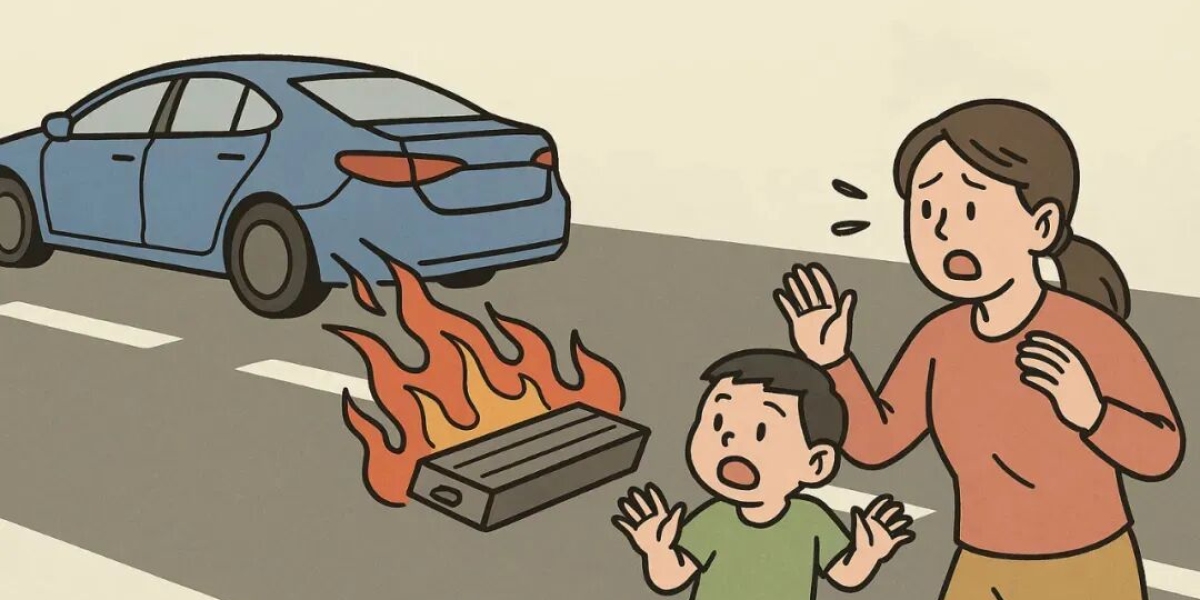
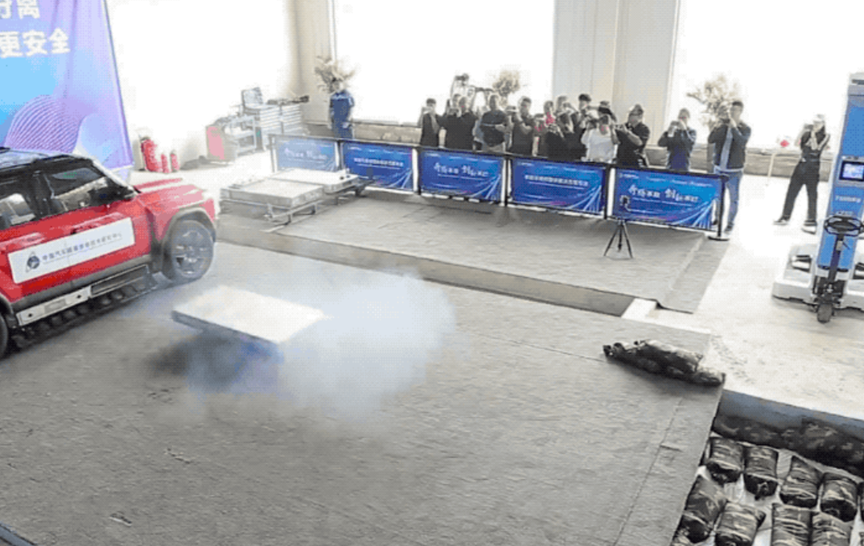
A video showing an electric-vehicle battery pack being ejected from a car in one second has triggered a fierce debate in China's auto industry.
A dramatic answer to a real EV problem
The demonstration, jointly presented by the China Automotive Collision Repair Technology Research Center and Joyson Electronics, was framed as a way to separate a vehicle from a battery in thermal runaway.
The image was striking: a heavy battery pack detached from the underbody and thrown clear of the vehicle. In theory, the system is designed to protect occupants by removing the source of fire or explosion risk from the cabin area. In practice, it raises a harder question for the EV era: can a safety system be considered safe if it protects one vehicle by shifting danger onto everyone around it?
The controversy does not come from hostility to innovation. Battery safety is one of the most important issues facing electric vehicles. The problem is the method. Most credible safety work focuses on preventing thermal runaway, strengthening pack protection and limiting the spread of damage. An ejection system appears to move the hazard elsewhere.
Risk transfer is not risk reduction
According to descriptions of the online demonstration, the system uses a gas generator similar in concept to an airbag inflator, giving it enough force to propel the battery pack roughly three to six metres away from the car. On a closed test site, that may look like a clean separation. On a public road, it could send a hot, damaged or burning battery toward other vehicles, pedestrians or infrastructure.
That is why the reaction online has been so sharp. Drivers asked what happens if another car is struck by the pack, or if a burning battery ends up underneath a nearby vehicle. The criticism points to the core flaw: the system may reduce one risk inside the originating car while creating a new, less controllable risk for third parties.
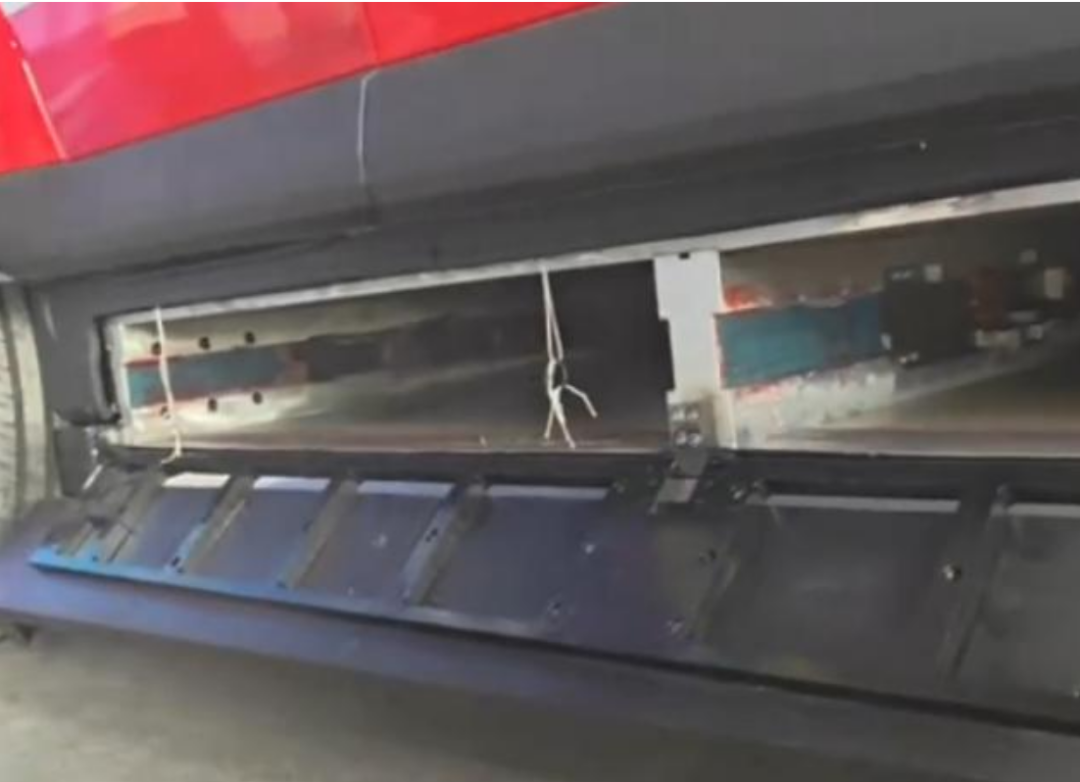
There is also no guarantee that the system would work in the crashes where it is most needed. In many EV accidents, either the battery is not materially damaged, or the underbody has been deformed by an impact that crushes the pack area. In the latter case, the space needed for a clean one-second separation may no longer exist. A battery trapped in a distorted chassis cannot simply be launched on command.
False activation is another concern. Autonomous-driving specialist Wu Hao of the Chinese Academy of Sciences has been cited as saying that current sensors can still misjudge conditions in rain or snow at a rate of 3.7%. Applied to an ejection system, that could mean thousands of erroneous activations per 100,000 trigger decisions. A battery pack suddenly detaching at speed would alter the vehicle's centre of gravity and could cause a secondary crash.
EV safety should start before the fire
The history of vehicle safety has generally moved from mitigating harm to preventing accidents. Bumpers, seat belts and airbags reduced injury after impact; stability control and automatic emergency braking sought to avoid or control the crash itself. Battery safety should follow that same logic.
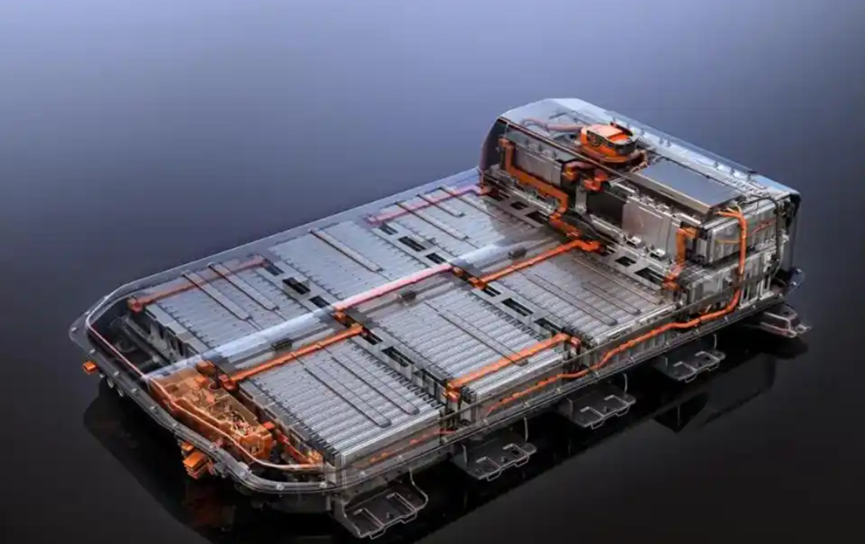
Data cited from China's Ministry of Emergency Management for 2024 said underbody strikes accounted for 37% of EV fire incidents involving battery damage, while fast charging was linked to 21% of thermal-runaway cases. If external impact and charging stress are major causes, the rational response is stronger pack structures, better thermal management, tougher underbody protection and more reliable monitoring.
An ejection device reverses that sequence. It treats the extreme final stage as the main arena for innovation, rather than reducing the chance that the pack reaches that state. That is why the debate has become about values as much as engineering. If the industry rewards spectacular demonstrations over durable safety architecture, consumer anxiety about EV batteries will deepen.
The road is a shared safety system
Automotive safety is not limited to the occupants of a single car. Public roads are shared by drivers, passengers, cyclists, pedestrians and emergency responders. A solution that protects one set of occupants by endangering others fails a basic test of technical responsibility.
Zhang Xiang, a researcher at the Automotive Industry Innovation Research Center of North China University of Technology, has argued that any safety solution must not sacrifice third-party safety. That principle should be central to EV regulation. A detached battery, an unstable vehicle body or an unpredictable ejection angle could all threaten surrounding road users.
The larger concern is that publicity-driven technology can shift the competitive agenda. If unusual demonstrations win more attention than pack chemistry, structural design, validation testing or emergency-response planning, manufacturers may feel pressure to chase spectacle. The lesson from the past decade of assisted-driving marketing is clear: when technology moves faster than rules and public understanding, serious accidents can follow.
Innovation needs rules as well as imagination
China's EV sector has advanced quickly because companies have invested heavily in batteries, manufacturing and software. That pace now requires firmer boundaries. For battery ejection, key questions remain unresolved: when should such a system trigger, what distance is safe, who is responsible for the ejected pack, how should reliability be tested, and what happens in rain, snow, side impacts or multi-car collisions?
Without standards, the market could drift into a contest of theatrical safety claims. Different brands might adopt different ejection logic, force and angles, leaving public roads exposed to a technology that has not been judged as part of the wider traffic system.
The battery-ejection debate should be read as a warning. EV safety will not be secured by a single dramatic mechanism. It will come from repeated engineering gains, conservative validation and rules that put public safety ahead of launch-stage attention. Innovation needs imagination, but it also needs limits.