

For years, a familiar line has accompanied new-car launches in China: more than 10,000 early reservations. The number is meant to signal a hit before the first serious delivery data arrives.
The latest theatre around “hot-selling” launches
It reassures management, excites dealers and gives hesitant buyers the sense that a model has already won the crowd.
A recent comment from a well-known automotive media figure punctured that routine. Advertising agencies, he said, can begin planning a “10,000-plus reservation” campaign months before a launch, using the figure to create the aura of a breakout product and to keep senior executives pleased. Once deliveries begin and the model enters ordinary sales, he added, the real demand is much harder to hide.
The remark resonated because it described a practice many in the market already suspected. The issue is less about one unnamed brand than about an industry habit: using refundable expressions of interest as if they were durable evidence of consumer demand.
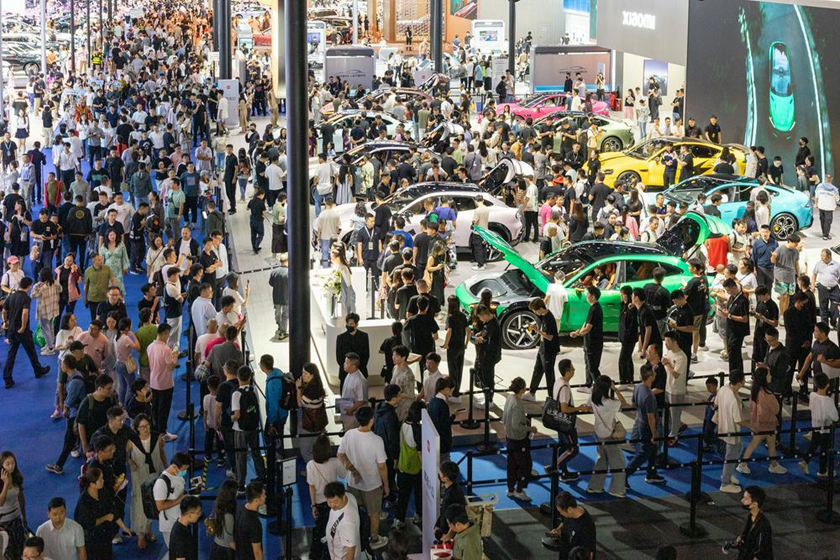
Why small deposits are so easy to inflate
The mechanics are simple. A small reservation deposit is usually cheap and refundable. It is not a binding purchase commitment, and it does not carry the same weight as a locked order backed by a formal contract and production allocation. That makes it an ideal marketing metric: it is fast, flattering and difficult for outsiders to audit in real time.
Under pressure from both headquarters and the market, launch teams have every incentive to turn the figure into a performance tool. Agencies can arrange paid traffic, staged test-drive bookings, bulk reservations or other promotional activity that pushes the counter higher. A modest number may look like a weak launch; five digits can be presented as proof that the product has arrived with momentum.
Executives also have their own reasons to prefer a clean story. In many car companies, launch-order data is treated as a verdict on product planning, pricing and leadership judgment. Strong early numbers help management speak to boards, investors and the press with confidence. Weak demand raises harder questions about strategy.
Deliveries expose what reservations conceal
The difficulty is that the illusion has a short shelf life. A refundable reservation can be inflated; a final order is harder to manufacture. Once a buyer signs a formal purchase contract or pays a larger non-refundable amount, the commitment becomes far more meaningful. Few consumers are willing to help a manufacturer dress up its sales book with their own cash.
After three to five months, new vehicles move from launch noise into delivery and normal retail sales. At that point, the gap between publicity and genuine demand starts to show. The market has seen models promote rapid five-digit reservation figures only to produce modest monthly sales, rising cancellations or silence around actual conversion rates.
That silence can be revealing. If a heavily promoted model is genuinely selling as strongly as advertised, most manufacturers have every reason to publish the proof. When detailed delivery or conversion figures do not follow the launch claims, investors, media and consumers begin to ask what the original number really measured.
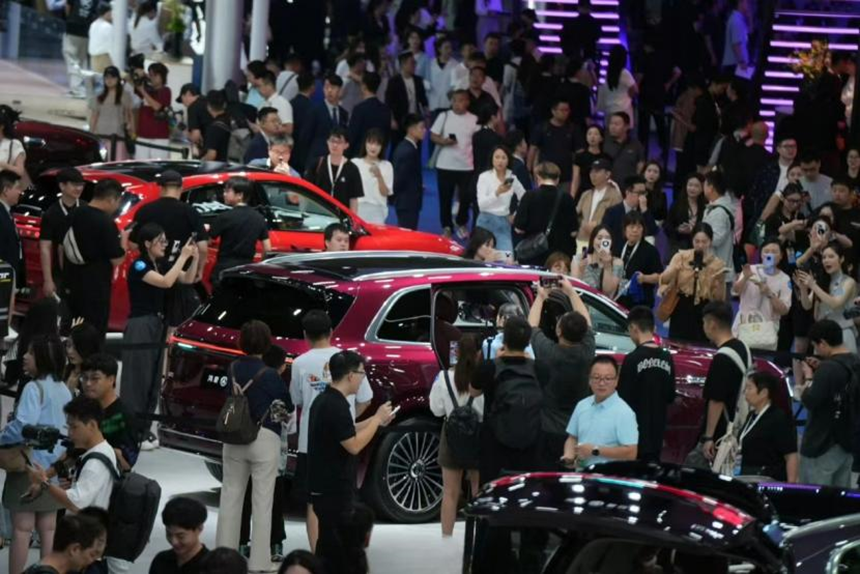
The damage goes beyond one campaign
False heat can mislead more than customers. If management treats inflated reservations as real demand, it may raise production plans too quickly, increase inventory risk and strain working capital. For weaker models and financially stretched companies, a bad read on demand can turn a marketing stunt into an operational problem.
If senior leaders already understand the gap and still tolerate it, the risk is reputational. The car business is moving through an expensive shift toward electrification, software and intelligent driving systems. In that environment, trust in data matters. Brands that use inflated order claims to create a rush may win attention for a few days, but they also train buyers to distrust official figures.
The effect is cumulative. Once consumers believe “10,000 reservations” is more slogan than signal, every brand pays a price. Media outlets treat launch claims with suspicion. Buyers wait for insurance registrations, retail deliveries and owner feedback. Rivals become less willing to take competitors' numbers at face value.
A market that needs harder numbers
China's automotive market has moved past the era when a bold presentation deck and a dramatic launch speech could carry a weak product. Competition is now measured in efficiency, pricing discipline, software capability, supply-chain execution and after-sales service. Inflated early-order claims do little to solve any of those problems.
The exposure of the “10,000 reservation” routine should be read as a warning rather than a scandal around a single company. Short-term theatre may still fill a launch hall and dominate social feeds. Real competition begins when buyers decide whether to sign, pay, take delivery and recommend the car to others.
For an industry trying to build global credibility, the lesson is plain: demand data must become more transparent, or the market will discount it before the next launch even begins.