
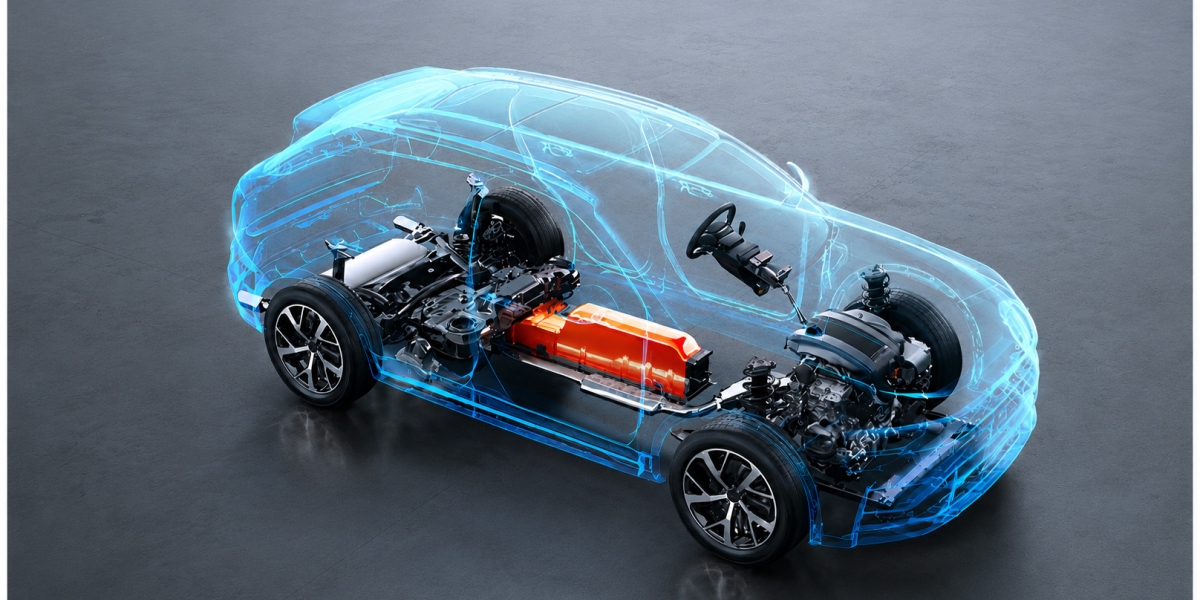
Chinese plug-in hybrids are becoming one of the world’s most important vehicle categories, but not for the reason often assumed in Europe.
In Brussels, they increasingly look like a trade problem. In developing economies, they look like insurance against weak infrastructure. In China, they have become a way for consumers to enjoy electric driving without surrendering the freedom of a petrol car.
That distinction is reshaping the global auto industry. The same Chinese PHEV can be viewed in Europe as a loophole, in Sri Lanka as a practical answer to unreliable charging, and in China as the most convenient form of electrification. Its success is not built on a single global trend. It is built on three different markets trying to solve three different problems.
That is what makes the rise of China’s plug-in hybrids more significant than another powertrain cycle. It reveals how uneven the global transition to electrification remains, and how quickly Chinese carmakers have learned to sell the same technology under very different narratives.
Europe Thinks It Is Fighting Imports. It Is Really Fighting Strategy.
Europe’s electric-vehicle debate was supposed to be about battery-electric cars. Instead, plug-in hybrids have returned as one of the region’s most politically sensitive technologies.
The reason is not difficult to find. In October 2024, the European Union imposed additional anti-subsidy duties on China-made battery-electric vehicles. The rates varied by manufacturer, with BYD facing an additional 17%, Geely 18.8% and SAIC 35.3%, on top of the bloc’s standard 10% import duty. Plug-in hybrids were left outside that additional tariff framework because they still use internal combustion engines.
That distinction created a commercial opening. Chinese automakers could continue exporting electrified vehicles into Europe without absorbing the same tariff penalty imposed on pure EVs. For manufacturers facing brutal price competition at home, slowing EV demand in parts of Europe and rising political scrutiny abroad, the incentive was clear.
Chinese PHEV exports to Europe rose 155% in 2025, while battery-electric exports grew by only 12%. By February 2026, Chinese PHEVs sold in Europe had reached about 20,000 units in a single month, up 313% year on year and accounting for roughly a quarter of Chinese-brand sales in the region.
For Brussels, those numbers were too large to be treated as coincidence. European officials now appear to believe Chinese manufacturers redirected exports through a category not covered by the original EV measures. The European Commission is preparing to expand anti-subsidy duties to Chinese plug-in hybrids, folding them into the same graduated tariff system used for battery-electric vehicles. Once the 10% base import duty is added, some Chinese PHEVs could face combined import duties of up to 45.3%.
The policy message is bigger than the tax rate. Europe does not want a powertrain distinction to undermine its trade-defence strategy. What began as a technical exemption for hybrids has become a test of whether the EU can protect its auto industry while still pushing consumers toward lower-emission vehicles.
BYD’s Seal U DM-i Explains Why Brussels Is Alarmed
BYD has become the clearest example of why Europe is moving quickly.
Before the EU’s temporary EV tariffs reshaped the market, BYD had little presence in Europe’s plug-in hybrid segment. By March 2025, the company had shipped more than 3,200 PHEVs to Europe in a single month. Its Seal U DM-i became one of the most visible symbols of China’s ability to combine battery expertise, hybrid efficiency and aggressive pricing in a format European families already understand.
The appeal is straightforward. The Seal U DM-i is an SUV, the most important body style in the European mainstream market. It offers electric driving for daily use, a petrol engine for longer journeys and fewer psychological barriers than a full EV. In Germany, it has been priced at 39,990 euros, about 10,000 euros below the Volkswagen Tiguan eHybrid.
That difference matters. European buyers are facing higher living costs, weaker EV incentives and uncertainty over residual values. A lower-priced plug-in hybrid from BYD does not require them to make the full behavioural leap into battery-electric driving. It offers an electric experience most of the time and a familiar fuel stop when needed.
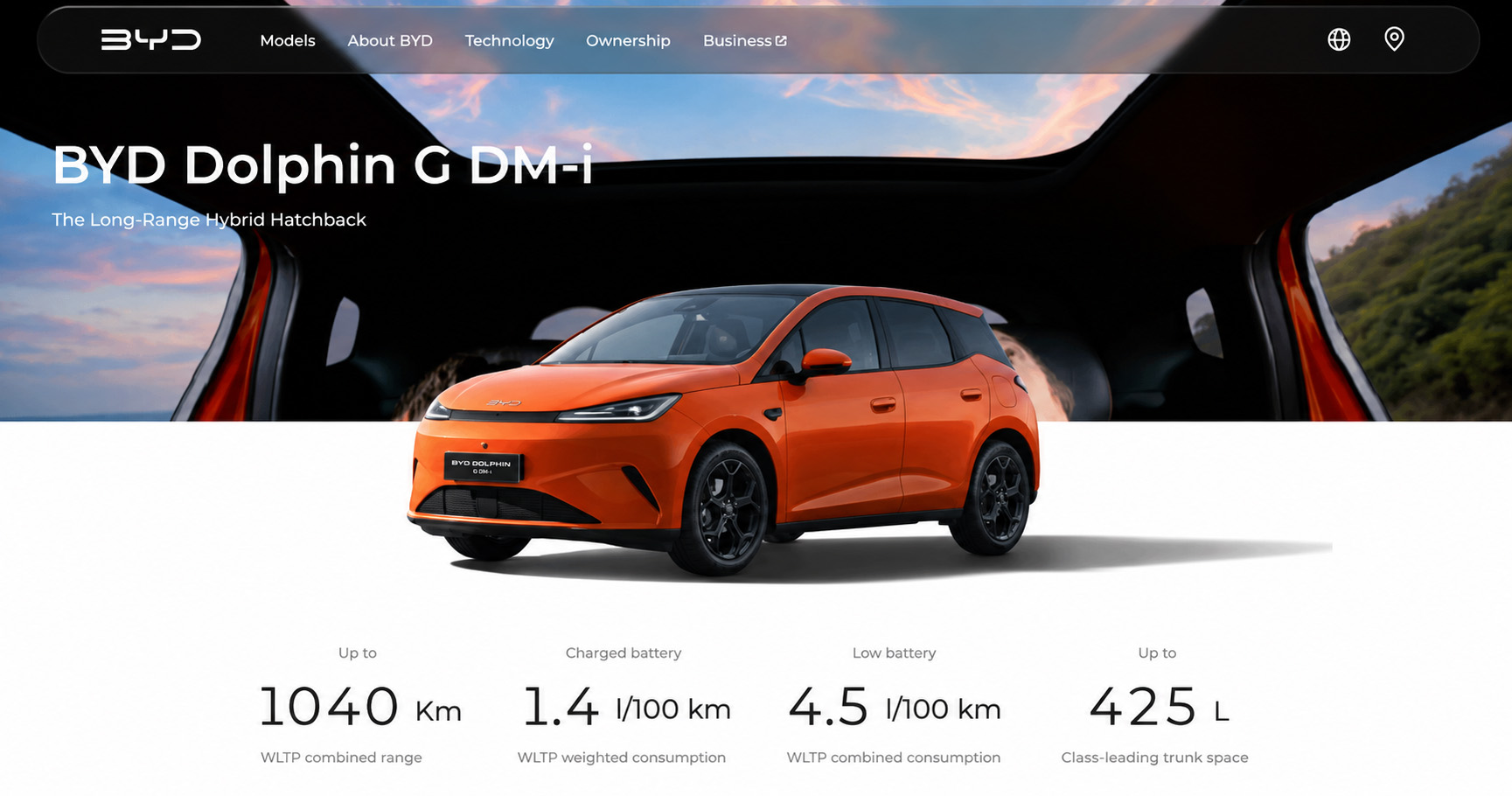
BYD is not alone. Chery, SAIC’s MG brand and Lynk & Co have also expanded hybrid offerings as part of their European strategies. Chinese-made PHEVs sold in Europe reached 34,500 units in one recent monthly snapshot, close to the 38,200 China-made battery-electric vehicles sold in the same period. Dataforce figures showed Chinese automakers’ European sales rising 114% year on year to 112,900 units, lifting their market share to 9.8%. BYD’s own sales rose 124% to 28,100 units, while Chery surged 344% to 25,600 units.
Those numbers have sharpened concerns among European manufacturers. For Volkswagen, Stellantis and Renault, Chinese PHEVs are not simply another imported product. They are arriving in the most contested part of the market: between combustion vehicles and full electrification. They also arrive at a moment when European groups are trying to fund expensive EV platforms, battery supply chains and software programmes while defending margins in their home market.
The political debate has split the European auto ecosystem. Large manufacturers are more likely to support additional duties, arguing that low-priced Asian hybrids erode market share and weaken incentives for European electrification investment. Dealers, importers and consumer groups are more cautious. They warn that higher tariffs could raise prices for buyers and slow carbon-reduction goals by making electrified vehicles less affordable.
Brussels Wants to Close a Loophole Before It Becomes a Market Structure
The EU’s concern is not limited to short-term sales data. The deeper fear is that a temporary tariff gap could become a durable market structure.
If Chinese brands use PHEVs to build customer trust, dealer networks and service capacity, the eventual shift toward locally produced EVs becomes easier. A buyer who enters a BYD showroom for a plug-in hybrid today may return for a battery-electric model in three years. A dealer group that signs with MG or Chery for hybrids may later carry the brand’s full electric range.
Europe has seen similar patterns before in other industries. A lower-cost entry product can open the door to a wider industrial presence. In cars, the stakes are larger because the sector supports millions of jobs across manufacturing, components, logistics, financing and aftersales.
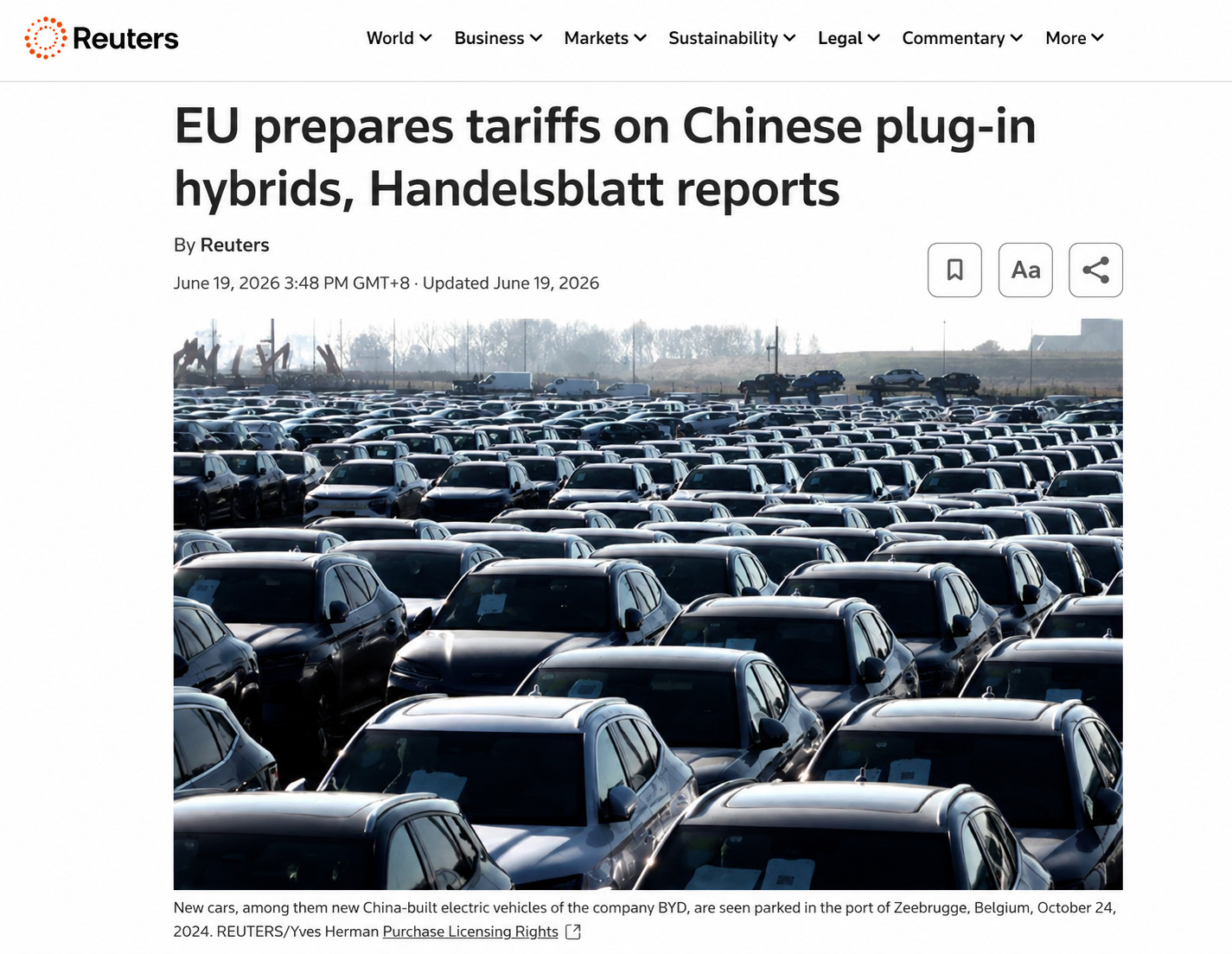
That is why Brussels is also tightening its view of local content. Europe’s emerging industrial policy is pushing for a higher share of locally made components in electrified vehicles. The pressure does not fall only on Chinese manufacturers. Korean groups such as Hyundai and Kia, which sell more than one million vehicles a year in Europe and still export a large share from South Korea, are also being forced to rethink localisation.
For Chinese automakers, the answer is increasingly obvious: build in Europe. BYD’s Hungarian factory has become central to its regional strategy. Chery and SAIC are working on assembly plans in Spain, while other Chinese companies have studied mothballed European factories as possible production sites. Local production would reduce tariff risk, soften political criticism and give Chinese brands a more permanent place in the European supply chain.
The problem is time. Major plants typically require two to four years before they reshape supply in a meaningful way. During that window, tariffs, pricing commitments and product-mix decisions will determine how much momentum Chinese PHEVs can keep.
Sri Lanka Shows What Europe Often Misses
Europe sees Chinese PHEVs through the lens of trade. Developing economies often see them through the lens of infrastructure.
Sri Lanka offers one of the clearest examples. For years, the country’s car market was dominated by used Japanese imports, partly because high taxes made new vehicles expensive. Japan’s vehicle inspection system encouraged owners to replace cars early, creating a supply of relatively fresh used models for right-hand-drive markets such as Sri Lanka.
That pattern changed after the country gradually reopened vehicle imports following its foreign-exchange crisis. Chinese brands, led by BYD and joined by Aion, Chery’s Jetour, SAIC and GWM, moved rapidly into the market. What stood out was not simply the arrival of Chinese vehicles. It was the type of vehicles consumers were choosing.
Many were not battery-electric cars. They were plug-in hybrids.
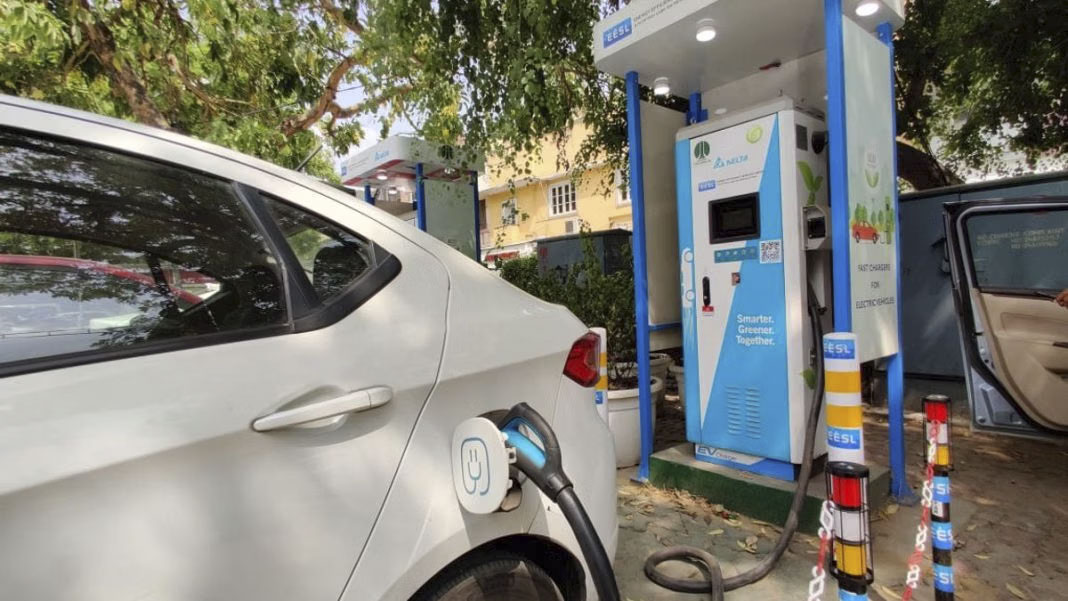
The reason had little to do with European-style debates over carbon regulation or industrial policy. Sri Lanka does not yet have enough public charging infrastructure to support mass adoption of full EVs. Chargers remain concentrated in and around Colombo, while large parts of the country have limited access. Energy supply has also been a recurring concern after the financial crisis that triggered fuel shortages and electricity disruption.
Under those conditions, a PHEV offers something a pure EV cannot: optionality. Owners can charge at home or in the city when electricity is available, then travel to other parts of the country without depending on a public charging network. Many Chinese PHEVs offer combined ranges of more than 1,000 kilometres, and some can travel even farther on a full tank and charge.
That changes the consumer calculation. A battery-electric vehicle asks the buyer to trust a system that may not yet exist. A plug-in hybrid asks the buyer to use electricity when possible and petrol when necessary. In markets with weak charging coverage or unreliable grids, that difference is decisive.
For Emerging Markets, PHEVs Are Insurance
Sri Lanka is not an isolated case. Across parts of South Asia, Southeast Asia, Latin America and Africa, the limiting factor for electric mobility is rarely interest in new technology. It is the surrounding system.
Charging infrastructure may be uneven. Grids may be stretched. Electricity demand may peak sharply in summer. Urban buyers may have access to chargers, while rural or intercity drivers have little confidence that they can recharge when needed. In India, for example, power cuts across several cities during periods of record electricity demand have reinforced concerns about relying entirely on the grid for mobility.
For such markets, PHEVs represent a lower-risk version of electrification. They reduce fuel consumption, allow electric driving in urban settings and preserve long-distance flexibility. They also fit countries where households may have irregular access to private parking or home charging.
This is why the technology can succeed even where incomes are lower and infrastructure is incomplete. The sales pitch is not that PHEVs are the cleanest possible vehicle. It is that they make electrification usable before the infrastructure is ready.
That distinction matters for Chinese manufacturers. Western carmakers have often treated plug-in hybrids as a transitional technology in developed markets. Chinese brands are using them as a global access product. In places where pure EVs still look risky, PHEVs allow them to sell electrification without asking consumers to change too much, too quickly.
China Is Solving a Different Problem Altogether
China’s PHEV boom is different again.
The country has one of the world’s largest charging networks, a deep battery supply chain and some of the most competitive pure EVs on the market. Its buyers are familiar with electric vehicles. Its cities have absorbed millions of battery-powered cars. On paper, China should be the place where PHEVs matter least.
Instead, they have become one of the most important growth categories in the market.
The reason is not infrastructure in the basic sense. It is behaviour. Chinese buyers increasingly want electric acceleration, quiet operation and low daily running costs, but many do not want a car that changes how they travel during holidays, long-distance journeys or periods of charging congestion.
A pure EV with 200 kilometres of real-world urban range may be enough for commuting. It is less reassuring for a family road trip during a national holiday, when charging queues and highway congestion can turn a routine journey into a planning exercise. Even longer-range EVs face seasonal range loss, high-speed consumption and uncertainty over charger availability.
A PHEV or extended-range EV removes much of that anxiety. It can cover daily driving on electricity, then rely on petrol when distance, weather or congestion makes charging inconvenient. It keeps the driving feel of an EV while preserving the backup logic of a combustion vehicle.
For many Chinese households, that combination is not a compromise. It is the point.
Electric Driving Without the Electric Lifestyle
The most powerful feature of China’s PHEV market may be that it does not force consumers to adopt an electric lifestyle.
Battery-electric vehicles are excellent when the surrounding conditions are right: private charging, predictable routes, mild weather and manageable daily distances. But they also ask drivers to think differently about refuelling, route planning and long-distance travel. For some buyers, especially those replacing a petrol car as the main family vehicle, that is still a barrier.
PHEVs reduce the barrier. A driver can charge at home, at work or at a mall when convenient. If charging is unavailable, the car remains usable as a hybrid. For urban commuting, it can feel like an EV. For rural trips, family visits or holiday travel, it behaves more like a conventional car.
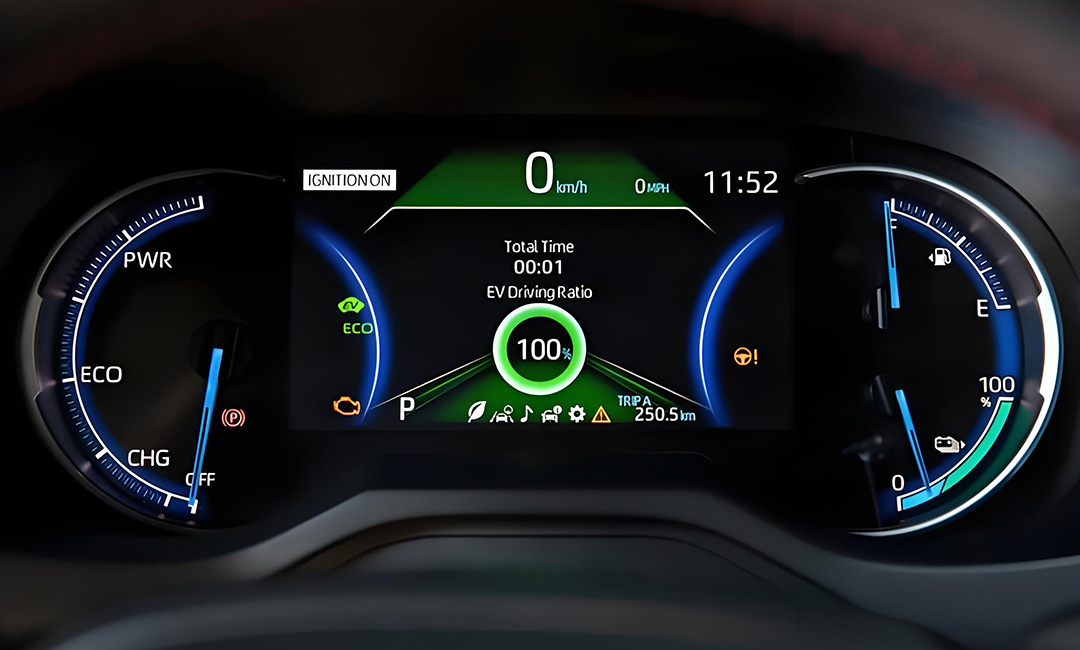
That makes the technology particularly effective in China’s family-car segment. It explains the rise of extended-range SUVs and plug-in hybrid models from brands such as Li Auto, BYD, Leapmotor, Deepal and others. Early extended-range products were often associated with higher-priced family vehicles, but the technology has moved quickly into more affordable segments. Prices that once sat above roughly $41,000 have been pushed down by competition, with newer entries appearing closer to the $14,000 to $21,000 range after currency conversion.
That price movement has made PHEVs a mainstream proposition rather than a niche bridge. Buyers can get strong acceleration, advanced cabin technology, electric commuting range and long-distance security in a single product. Compared with similarly priced petrol cars, the value equation can look compelling. Compared with pure EVs, the convenience advantage remains clear for households without ideal charging conditions.
Toyota Was Right About One Thing, But China Changed the Economics
The global return of hybrids also complicates a long-running industry argument.
Toyota spent years defending hybrids while many rivals framed battery-electric vehicles as the only serious future. Europe’s regulators largely pushed in that direction as well. China, by contrast, moved aggressively into both pure EVs and plug-in hybrids, using its battery supply chain to make hybrid systems cheaper, more powerful and more software-defined.
The result is not a simple vindication of old hybrid thinking. Chinese PHEVs are not merely fuel-saving petrol cars with a battery attached. Many are built around electric-drive experiences, larger battery packs, long electric-only ranges and powertrain architectures designed to make the combustion engine less central to everyday driving.
BYD’s DM-i system, for example, helped reposition the plug-in hybrid as an electric-first family vehicle rather than a compliance product. Extended-range EVs go even further, using the combustion engine mainly as a generator. In both cases, the consumer message is clear: the vehicle feels electric, but does not depend entirely on charging.
That is why Chinese PHEVs have been able to do what older plug-in hybrids often failed to achieve. They are not sold only to environmental early adopters or company-car buyers chasing tax advantages. They are being sold to mainstream families as practical, high-value cars.
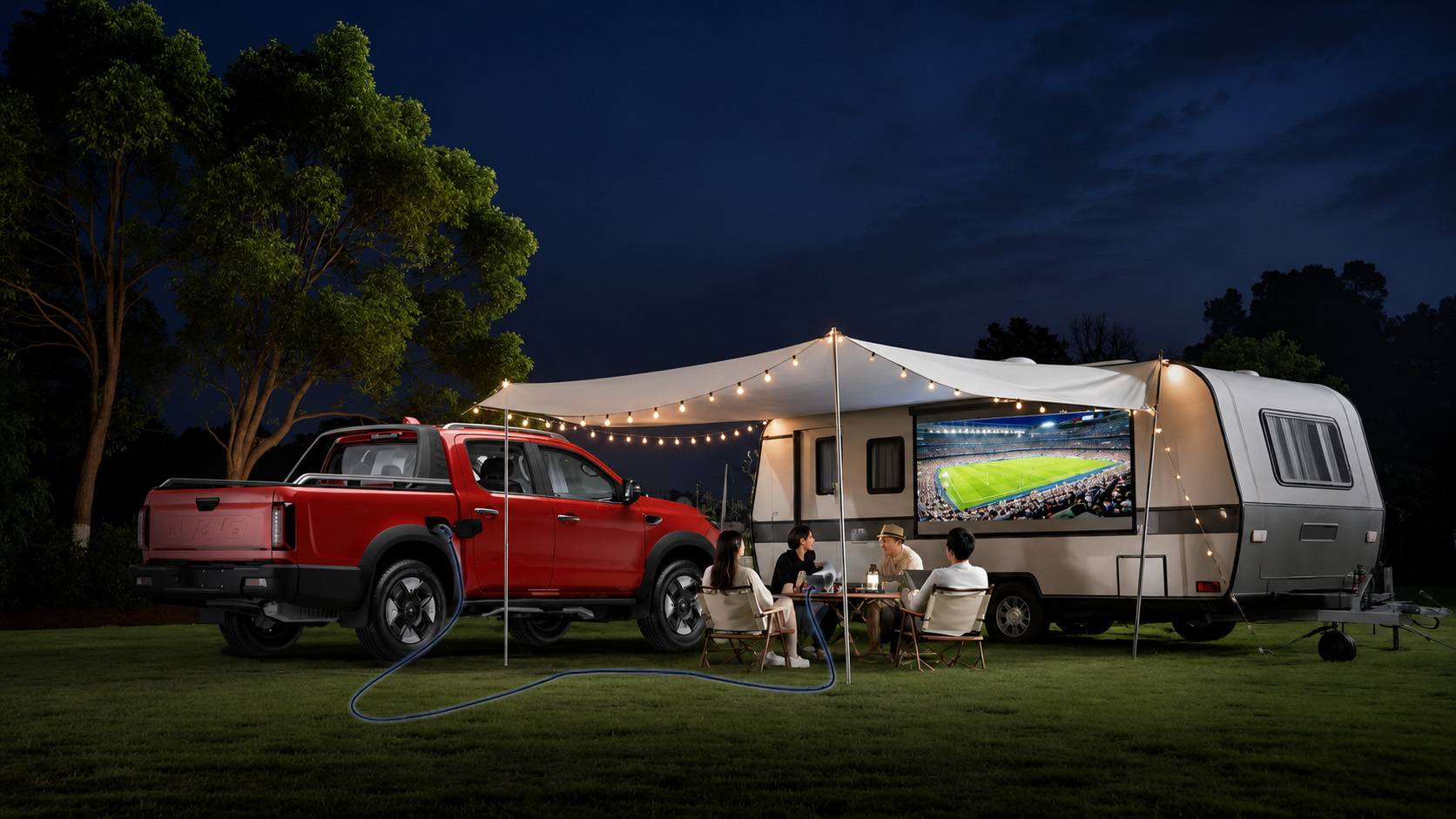
Three Markets, Three Definitions of Electrification
The rise of Chinese PHEVs makes sense only when the word “electrification” is allowed to mean different things in different places.
In Europe, electrification is a regulatory and industrial project. It is tied to emissions targets, carbon rules, industrial jobs and geopolitical competition. A Chinese PHEV entering the market is therefore judged not only as a car, but also as part of a trade strategy.
In developing economies, electrification is constrained by infrastructure. A vehicle must work around imperfect charging networks, uneven electricity supply and lower consumer tolerance for risk. A PHEV is attractive because it provides electric capability without making mobility dependent on the weakest part of the system.
In China, electrification has become a consumer-choice problem. The infrastructure is far stronger, but buyers still want flexibility. They are not asking whether an electric car can work in theory. They are asking which technology asks them to change their lives the least.
Europe sees PHEVs as a loophole. Developing markets see them as insurance. China sees them as convenience.
That is the central reason Chinese manufacturers are winning. They are not forcing one story onto every market. They are allowing the same technology to answer different anxieties.
The Risks Are Still Real
None of this means plug-in hybrids are without problems.
Critics have long argued that PHEVs can become inefficient if owners rarely charge them. They carry both a combustion engine and a battery pack, adding weight and complexity. On long highway journeys, some architectures may be less efficient than strong hybrids or more advanced direct-drive systems. Environmental benefits depend heavily on actual usage, not brochure figures.
Regulators in Europe are especially sensitive to that issue because company-car fleets and tax incentives have at times produced disappointing real-world charging behaviour. A plug-in hybrid that is driven mostly on petrol can look less like a climate solution and more like an accounting device.
Chinese automakers also face risks. If Europe extends duties to PHEVs, the export advantage could narrow quickly. If developing markets build charging infrastructure faster than expected, pure EVs may become more attractive. If China’s ultra-fast charging network keeps expanding and battery costs keep falling, some domestic buyers may eventually decide that hybrids are no longer necessary.
There is also the question of brand trust. Selling PHEVs globally requires aftersales support, parts supply, battery warranties and dealer networks. Chinese brands have made fast progress, but Europe and many emerging markets still require long-term investment before they can match the service depth of established Japanese, Korean and European manufacturers.
The Tariff Window May Be Closing, But the Lesson Will Remain
The next phase will test whether Chinese PHEVs can keep growing once Europe closes the regulatory gap.
If anti-subsidy duties are extended, Chinese automakers will face a harder choice. They can absorb costs, raise prices, shift production to Europe or redirect exports to other markets. BYD’s Hungary plant, Chery and SAIC’s Spanish plans and broader localisation efforts are all part of that calculation.
Localisation will not eliminate political friction. A Chinese-owned car built in Europe may still raise questions about supply chains, software, batteries and strategic dependence. But it changes the conversation. It makes Chinese brands employers, investors and industrial participants rather than only importers.
That may be the real long-term importance of the PHEV wave. It gives Chinese automakers a bridge into markets where pure EVs face resistance. In Europe, the bridge is commercial and political. In developing economies, it is infrastructural. In China, it is psychological.
Policymakers often describe the shift to electrification as a single road with one destination. Consumers are proving otherwise. They are choosing different routes based on income, infrastructure, regulation, geography and habit.
Chinese automakers recognised that earlier than many competitors. Their success with plug-in hybrids is not simply about building a better hybrid. It is about understanding that Europe, developing economies and China are not asking the same question.
The global transition is not moving in a straight line. Chinese PHEVs are winning because they do not need it to.