
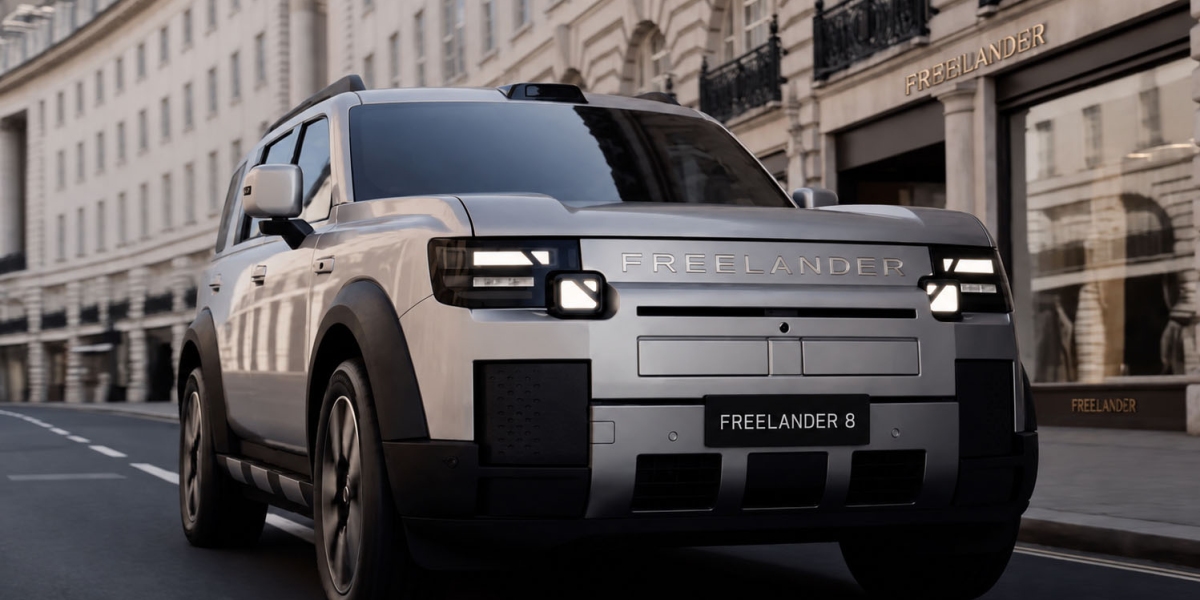
Freelander has released official images of the launch-edition Freelander 8, setting the stage for what Chery and Jaguar Land Rover have framed as a “reverse joint venture.” The timing is revealing. Months before the SUV is due to reach the market, the brand is already leaning heavily on supplier names such as Huawei, CATL and Qualcomm as proof of its credentials.
That strategy may say as much about pressure as ambition. Prices for the locally built Range Rover Evoque L have recently fallen below about $27,000 before taxes and fees, with on-the-road pricing approaching levels more commonly associated with used cars. When a China-made Land Rover slides from the $59,000 bracket toward the $30,000 range, consumers are unlikely to read it simply as better value. They are more likely to see a premium badge losing pricing power.
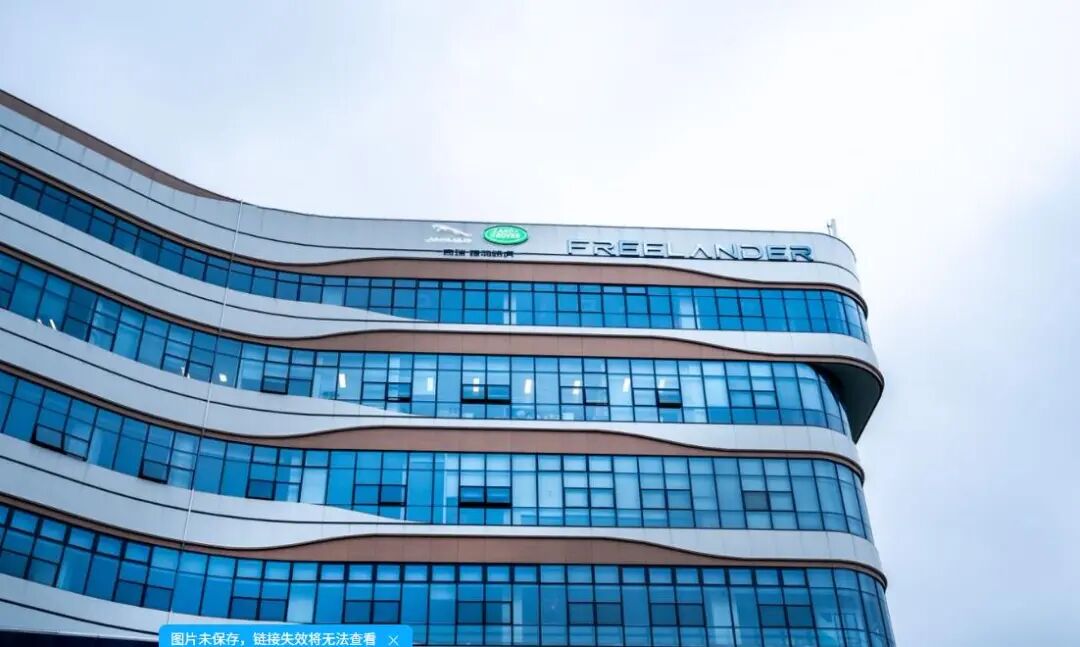
That makes the arrival of the Freelander 8 awkward as well as important. The model is entering China’s crowded $44,000-to-$74,000 off-road SUV segment without wearing a Land Rover badge, even as it asks buyers to accept a Land Rover bloodline. With the parent brand under pressure and dealership pricing increasingly unstable, the first product from this revived nameplate will have to do more than borrow prestige from the past.
A Rich Specification List Is No Longer Enough
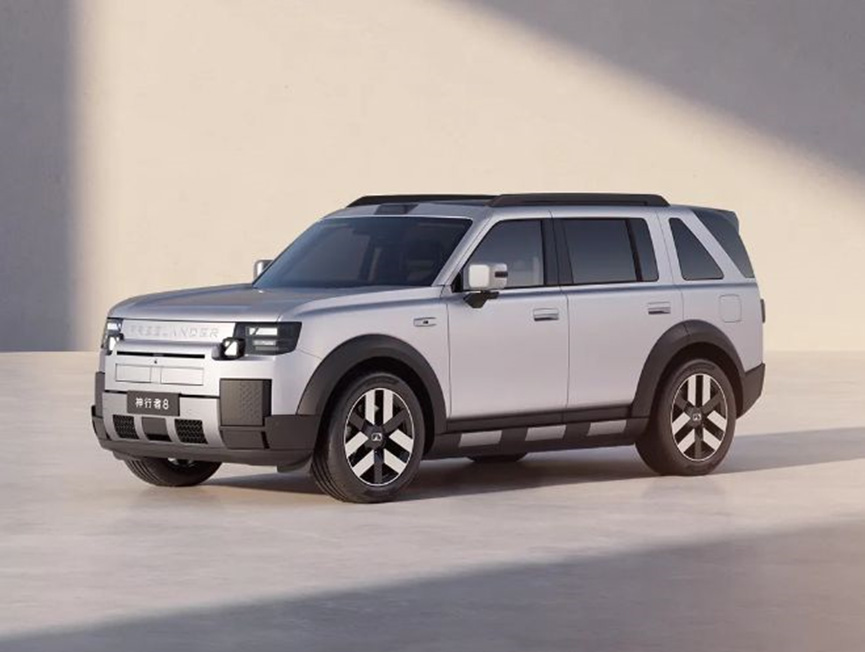
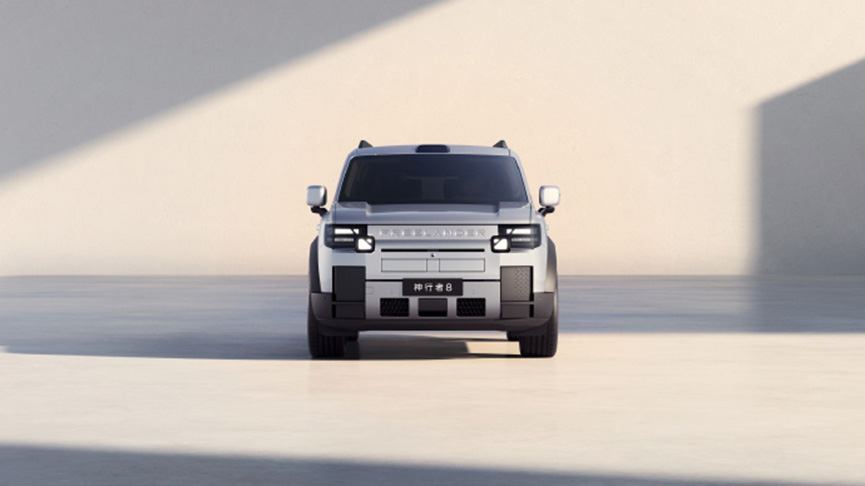
On June 15, Freelander published images of the Freelander 8 launch edition and disclosed key equipment. The SUV wears a matte flowing-silver finish and is fitted with Huawei Qiankun driver-assistance technology, Qualcomm’s Snapdragon 8397 cockpit chip and an i-ATS intelligent all-terrain system. On paper, the list is strong enough to make the vehicle appear almost without obvious weaknesses.
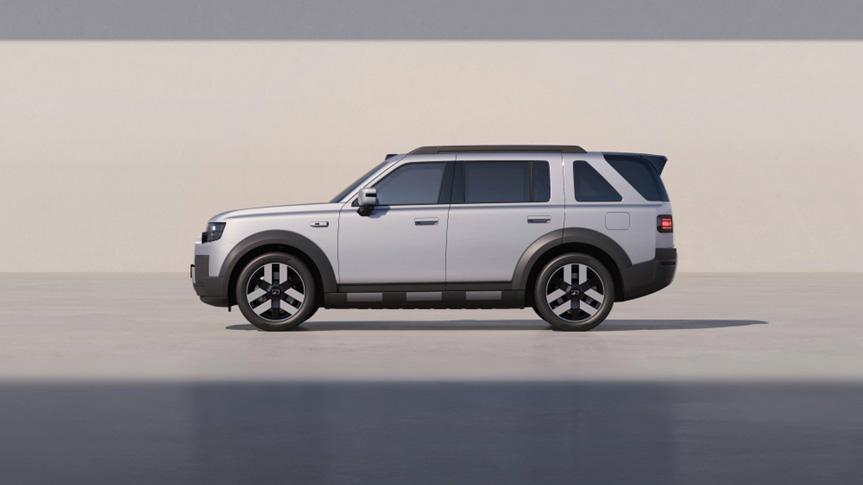
China’s off-road SUV market in 2026 is not short of vehicles with few weaknesses. What it rewards are products with a clear reason to buy. The challenge facing Freelander is not simply whether the car is competent. It is whether a young brand, built around a revived nameplate and a complex ownership story, can persuade Chinese consumers that it deserves a place in an already crowded field.
The brand itself is still taking shape. Chery and Jaguar Land Rover signed a strategic cooperation agreement in June 2024 to revive Freelander. Less than two years later, the first model is being prepared for launch. The company has signed up its first 60 stores in China, but by the standards of today’s Chinese auto market, that channel build-out is far from rapid. Bringing a high-end debut model to market before the retail network is fully mature raises a basic question: is Freelander moving because it is ready, or because the market is forcing it to move?
Too Many Rivals, Too Little White Space
China’s off-road vehicle market has expanded faster than many expected. Once a niche category, it has become a growth engine for several brands. Public industry data cited in the original Chinese article put 2025 sales at 894,000 units, with the market worth about $33 billion. At first glance, that should make the Freelander 8’s timing look attractive.
The problem is that growth has already attracted powerful incumbents. Great Wall Motor holds about 47% of the segment, while BYD accounts for 16.8%. Together, the two control nearly two-thirds of the market. Beijing Automotive, Toyota, Ford and others are fighting for much of what remains. In a market where every gain is taken from someone else, the space for a new entrant is narrow.
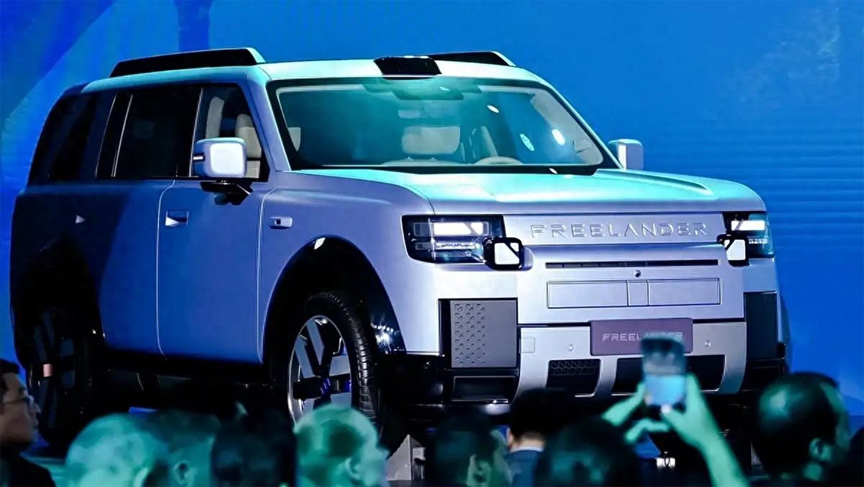
When Tank 300 arrived in 2020, the domestic hard-core off-road category still had open ground. Five years later, nearly every price band has an established player. Tank has built recognition with the 300, moved into higher price territory with the 500 and pushed beyond the $74,000 level with the 700. BYD’s Fangchengbao has carved out its own position in “technology off-road” with the Bao 5 and Bao 8. Toyota’s Prado and Ford’s Bronco add legacy strength at the joint-venture end of the market.
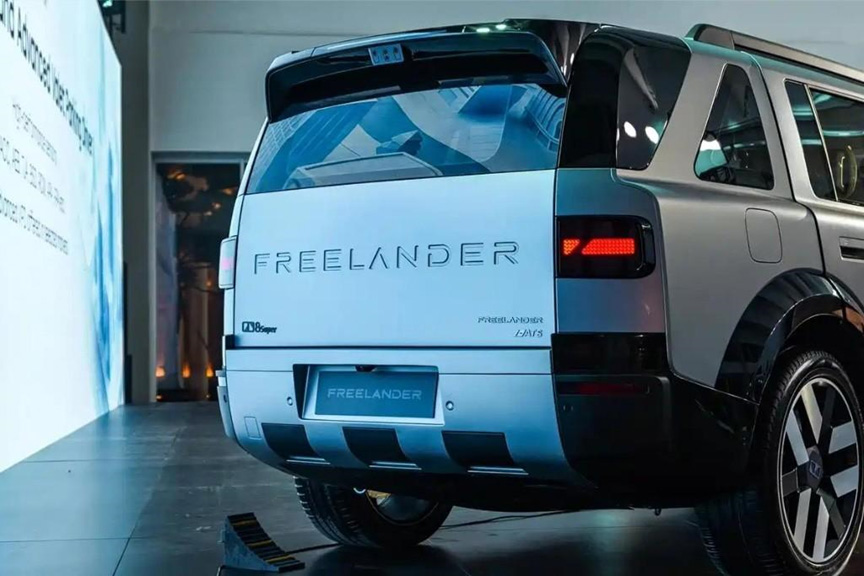
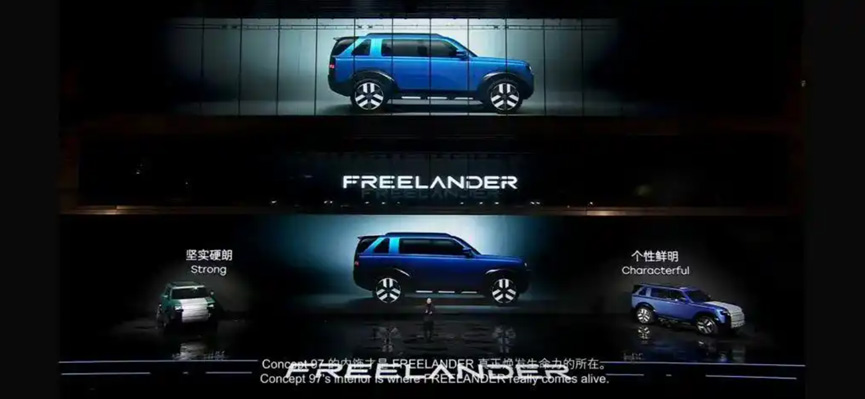
Against that group, the Freelander 8 brings a nameplate that has been absent for nearly a decade, a package of high-end supplier technology and a brand that has yet to be tested by customers. Wen Fei, global chief executive of Freelander, said at the brand’s March 31 debut that if the company could break through within two years, it would do so; if not, it would become much harder. That candour captures the urgency facing the brand. By the time the Freelander 8 reaches buyers later this year, rivals will already be iterating on second- and third-generation reputations.
The Brand Story Is Complicated
Freelander wants to tell a story of Chinese-led product definition joined with Jaguar Land Rover design and luxury positioning. In theory, that “reverse joint venture” gives the brand a distinctive narrative: British heritage on the surface, Chinese technology and supply-chain execution underneath.
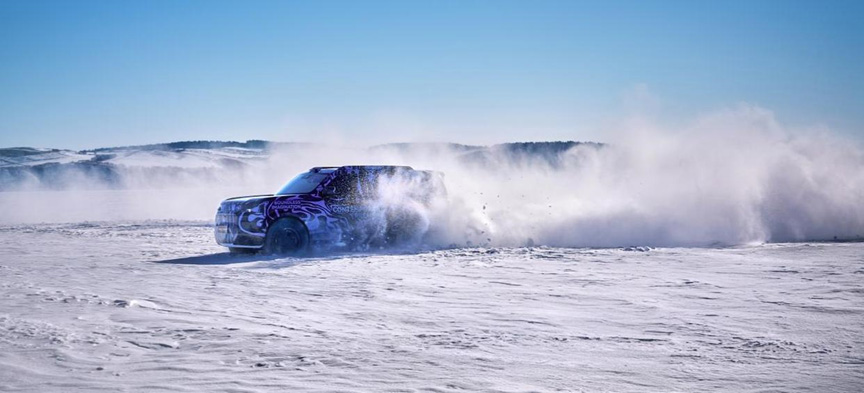
Consumers do not buy cooperation structures. They buy brands, products and confidence. The Freelander name does not carry enough recognition or pricing power in China to make that decision easy. The original Freelander was successful in Europe, but China was a different story. It entered the market as an imported model in 2004, gained some recognition as a compact British premium SUV, and was discontinued in 2015 after an uneven run.
The official explanation at the time was a shift toward higher-margin models. Yet weak sales, ageing product appeal and frequent complaints about electronic systems made the decision easier to understand. The new Freelander has deliberately grown in size to distance itself from old perceptions of the nameplate. That alone suggests the heritage is not strong enough to carry the product.
Positioning may be the more serious issue. The Freelander 8 is not badged as a Land Rover, and it is not simply a Chery model either. For Land Rover loyalists, a vehicle with Land Rover ancestry but no Land Rover badge may lack conviction. For buyers who see it as a Chery-built product, the question is why it should cost more than established Chinese premium alternatives.
Anyone Can Buy the Supplier Package
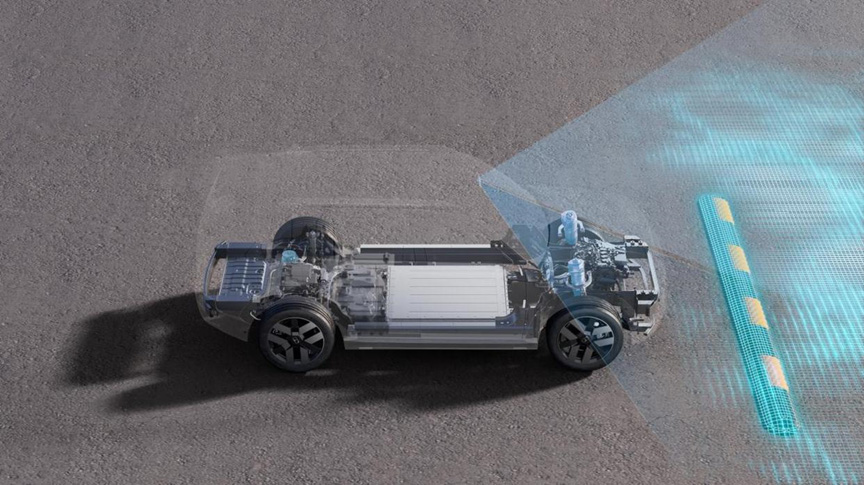
The Freelander 8’s specification sheet is impressive. It includes Huawei Qiankun assisted driving, an 896-line lidar, Qualcomm’s Snapdragon 8397 chip, i-ATS intelligent all-terrain control, a front mechanical differential lock, a rear e-LSD, a virtual centre lock, closed dual-chamber air suspension, CATL’s Xiaoyao battery for extended-range hybrids and an 800-volt extended-range platform.
The weakness is that none of these technologies is exclusive to Freelander. Huawei’s Qiankun system is already being used across brands such as Aito and Avatr. Qualcomm’s new cockpit chip will not remain rare for long. CATL supplies many carmakers, and even if Freelander’s battery has been adapted for all-terrain use, the market has yet to see whether that gives it a meaningful advantage. Three-lock layouts and air suspension are already available on rivals such as Tank 700 and Fangchengbao Bao 8. Wen has also described the company’s relationships with Huawei, CATL and Qualcomm as joint development partnerships, not exclusive supply arrangements.
That matters because China’s new-energy supply chain is unusually open. With enough money, many brands can buy similar components. Real differentiation comes from brand credibility, customer reputation, service quality and the depth of software and system integration. Those are precisely the areas where Freelander still has the most to prove.
The i-ATS system is described as the world’s first terrain-sensing setup combining an 896-line lidar with binocular cameras. The claim may sound advanced, but user experience will decide whether it matters. Tank’s off-road modes have been refined over several product cycles. Fangchengbao’s DMO hybrid off-road platform already has real-world feedback from owners. Freelander’s first-mover label will only count if it translates into a clearer benefit for drivers.
There is also a subtle tension in the brand’s own messaging. Wen has said he does not want buyers using the company’s vehicles for tug-of-war contests, dragging through sand or playing in deep mud. The line helps support a more premium lifestyle image, but it also distances the product from the hard-core off-road culture that built much of the segment’s appeal. If the Freelander 8 is really a light-off-road or all-scenario SUV, it faces an even broader and more crowded set of rivals.
A Late Entrant in an Unforgiving Market
The Freelander 8 may yet turn out to be a capable vehicle. Its problem is not a lack of equipment. It is that equipment is no longer a moat. In China’s off-road SUV market, competitors can match the supplier list, and some can make it longer.
The more difficult questions sit outside the specification sheet. Can a revived nameplate with limited local brand equity command a premium? Can a new channel network support a high-end product from day one? Can a model that does not wear the Land Rover badge still benefit from Land Rover’s heritage? And can a supplier-heavy pitch create desire in a market already crowded with Tank, Fangchengbao, Yangwang, Beijing Off-Road, M-Hero, Toyota and Ford?
China’s car market in 2026 gives new brands little time and even less patience. The Freelander 8 arrives with ambition, technology and a familiar name. What it still needs is a sharper answer to the buyer’s simplest question: why this car?