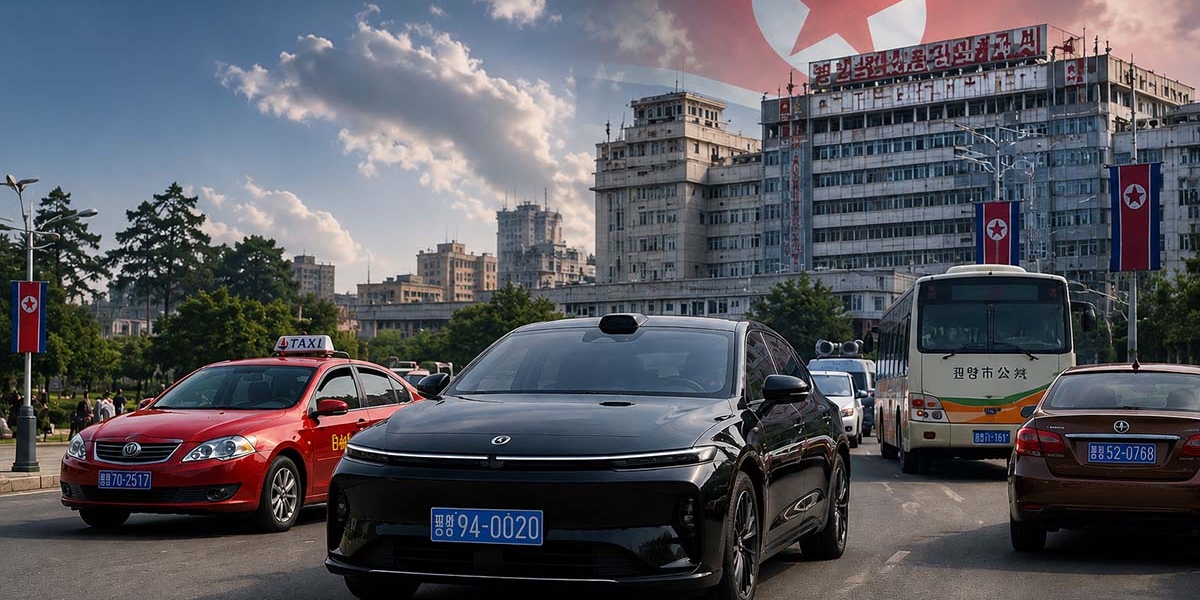
New electric vehicles are appearing on the streets of Pyongyang despite years of international restrictions, highlighting how market demand, elite wealth and cross-border supply chains continue to reshape North Korea's automotive landscape.
The Cars That Official Trade Data Struggle to Explain
For years, international sanctions have sought to restrict North Korea's access to vehicles and other transportation equipment. Under United Nations Security Council Resolution 2397, member states are prohibited from supplying, selling or transferring automobiles to the country.
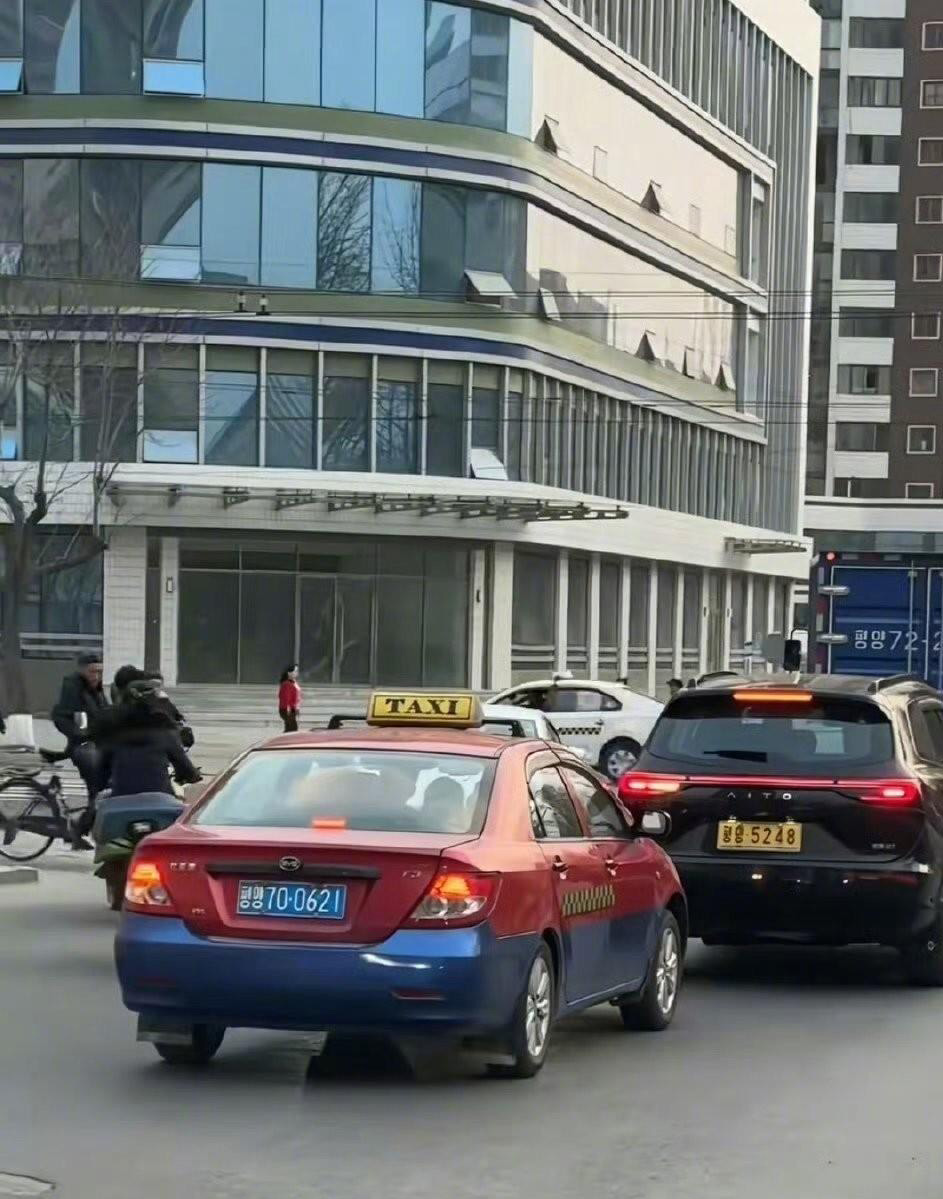
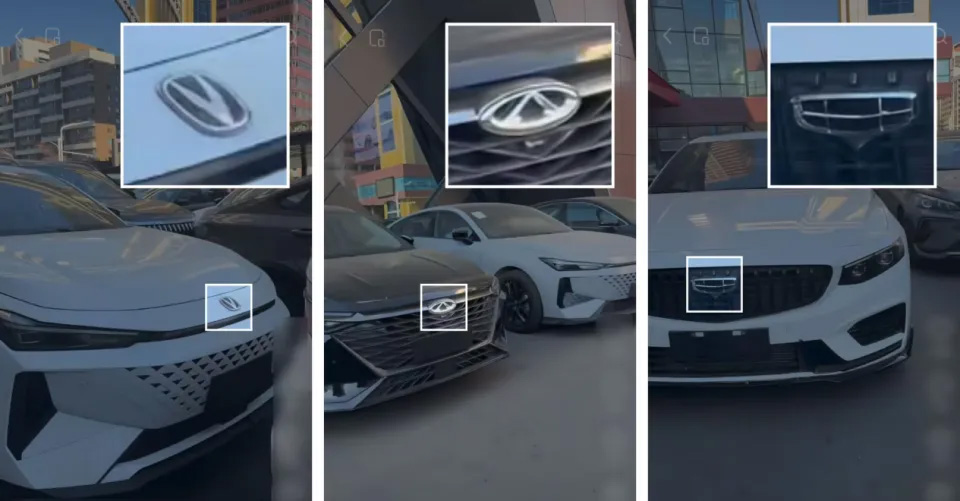
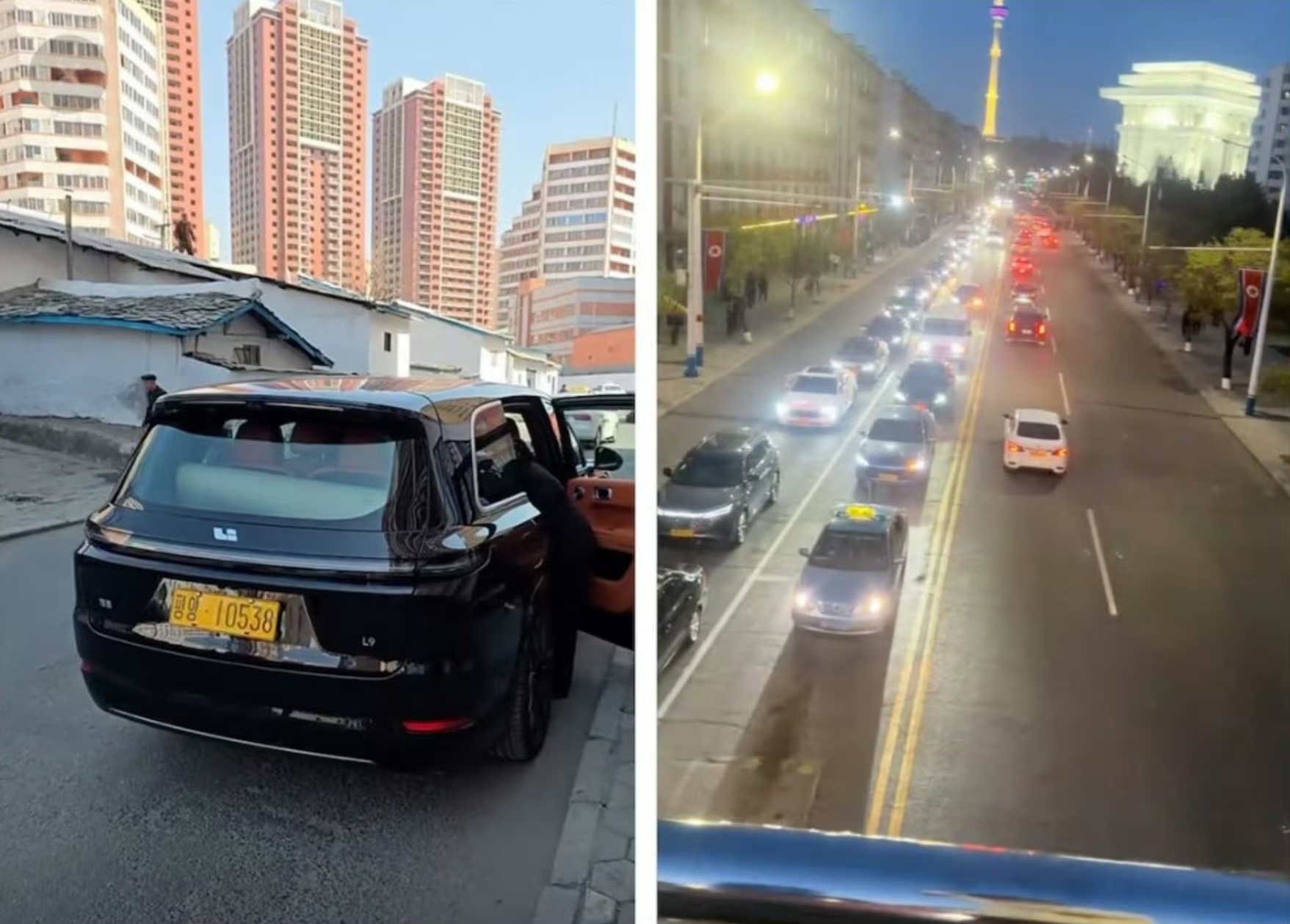
Yet visitors to Pyongyang are increasingly encountering something unexpected: modern Chinese-made electric vehicles. BYD taxis, Chinese SUVs and newly launched battery-powered models have appeared at trade exhibitions, government compounds and hotel parking lots across the North Korean capital.
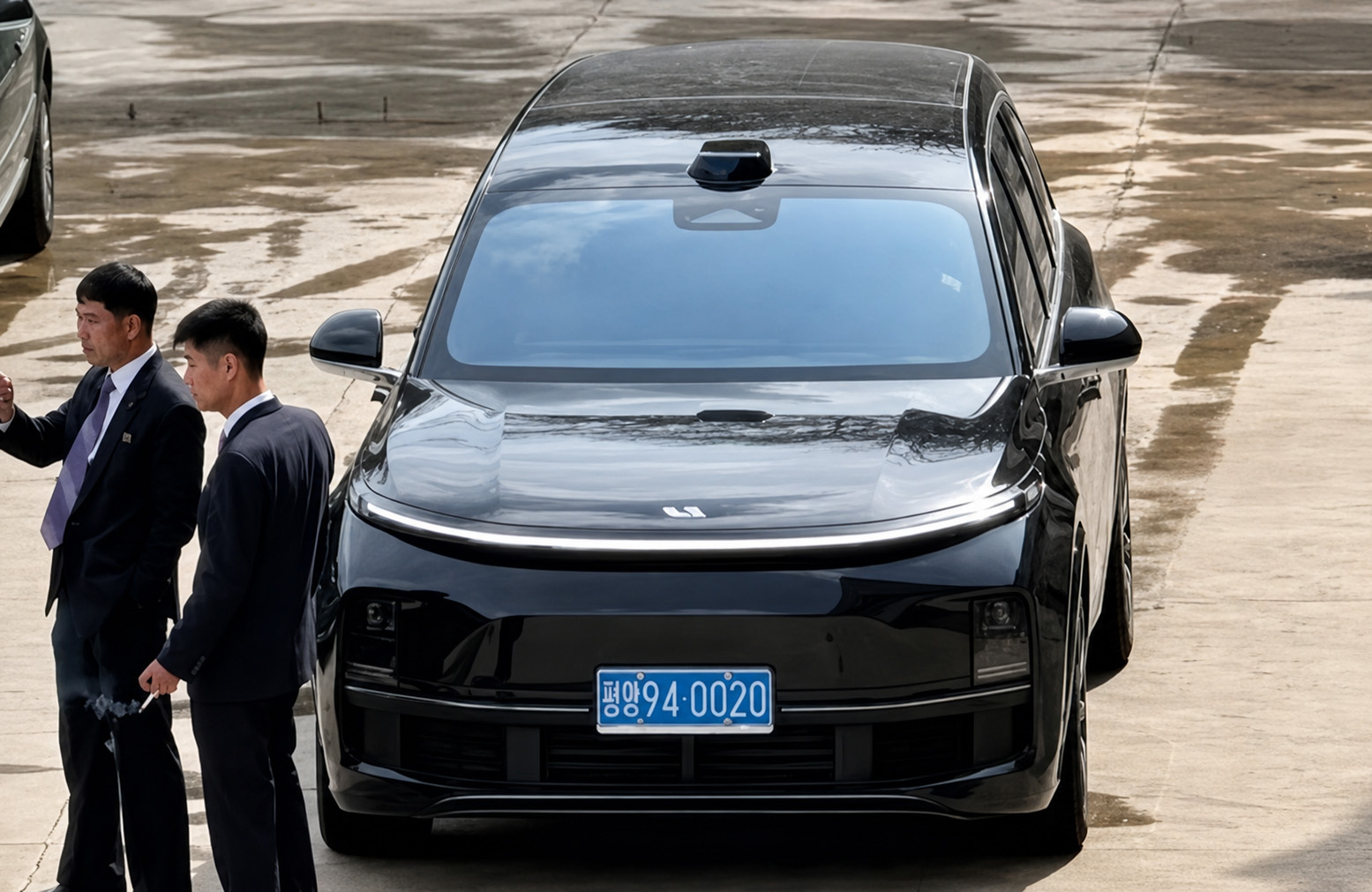
Some of these vehicles were introduced only recently in China, raising an obvious question. If vehicle exports are restricted, how are these cars reaching North Korea at all?
The answer reveals a widening gap between official trade records and realities on the ground.
A Market Hidden Behind Sanctions
Official customs data provides only a partial picture of North Korea's automotive market.
Recorded exports of complete vehicles from China to North Korea have remained extremely limited in recent years. At the same time, trade in vehicle components has continued. Auto parts, machinery and industrial equipment move through formal trade channels, often crossing through the border city of Dandong, the most important gateway for commerce between the two countries.
North Korea's domestic vehicle industry remains heavily dependent on imported components. Local manufacturers primarily assemble buses, trucks and passenger vehicles using parts sourced from abroad, many of them originating in China.
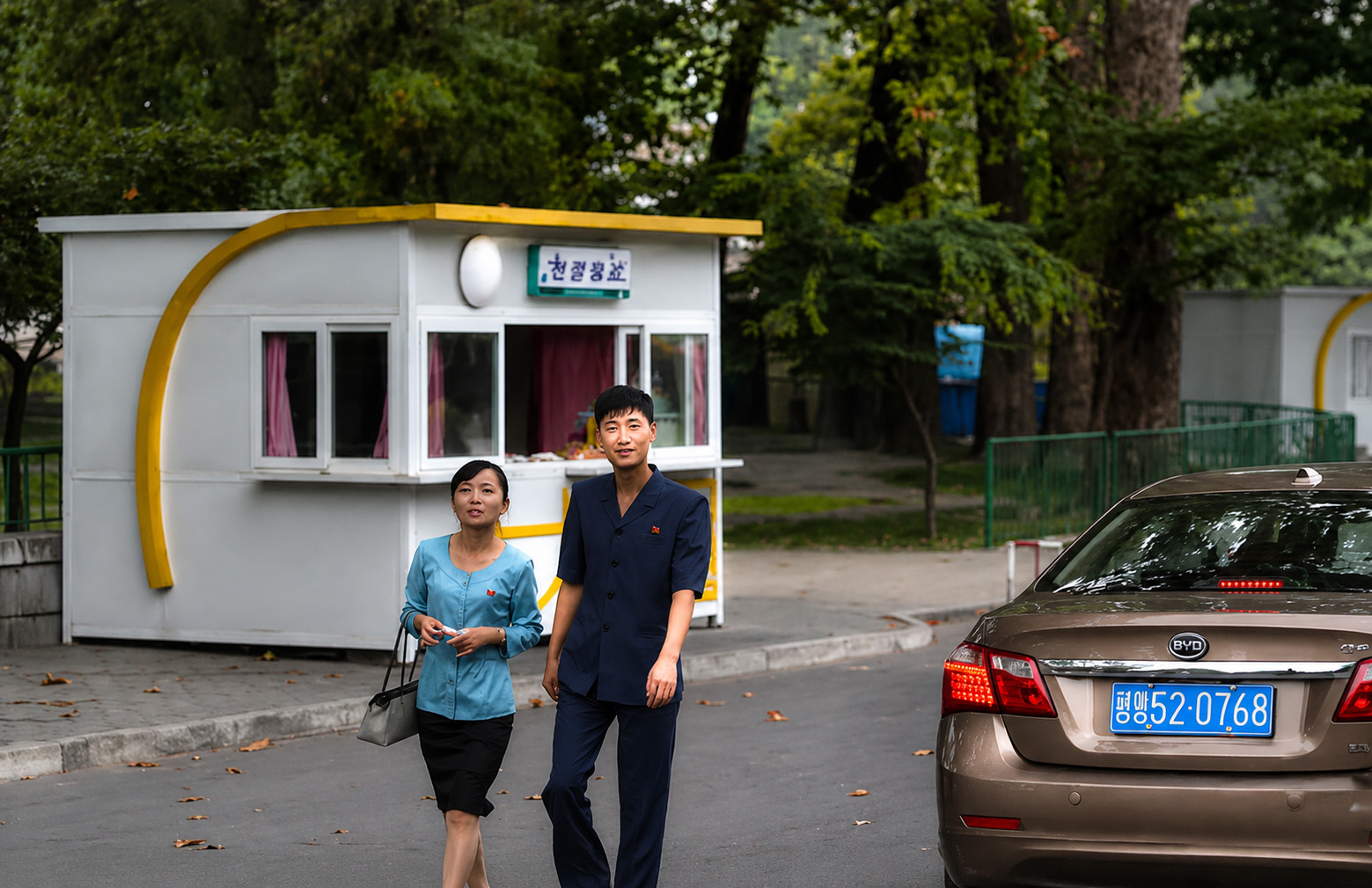
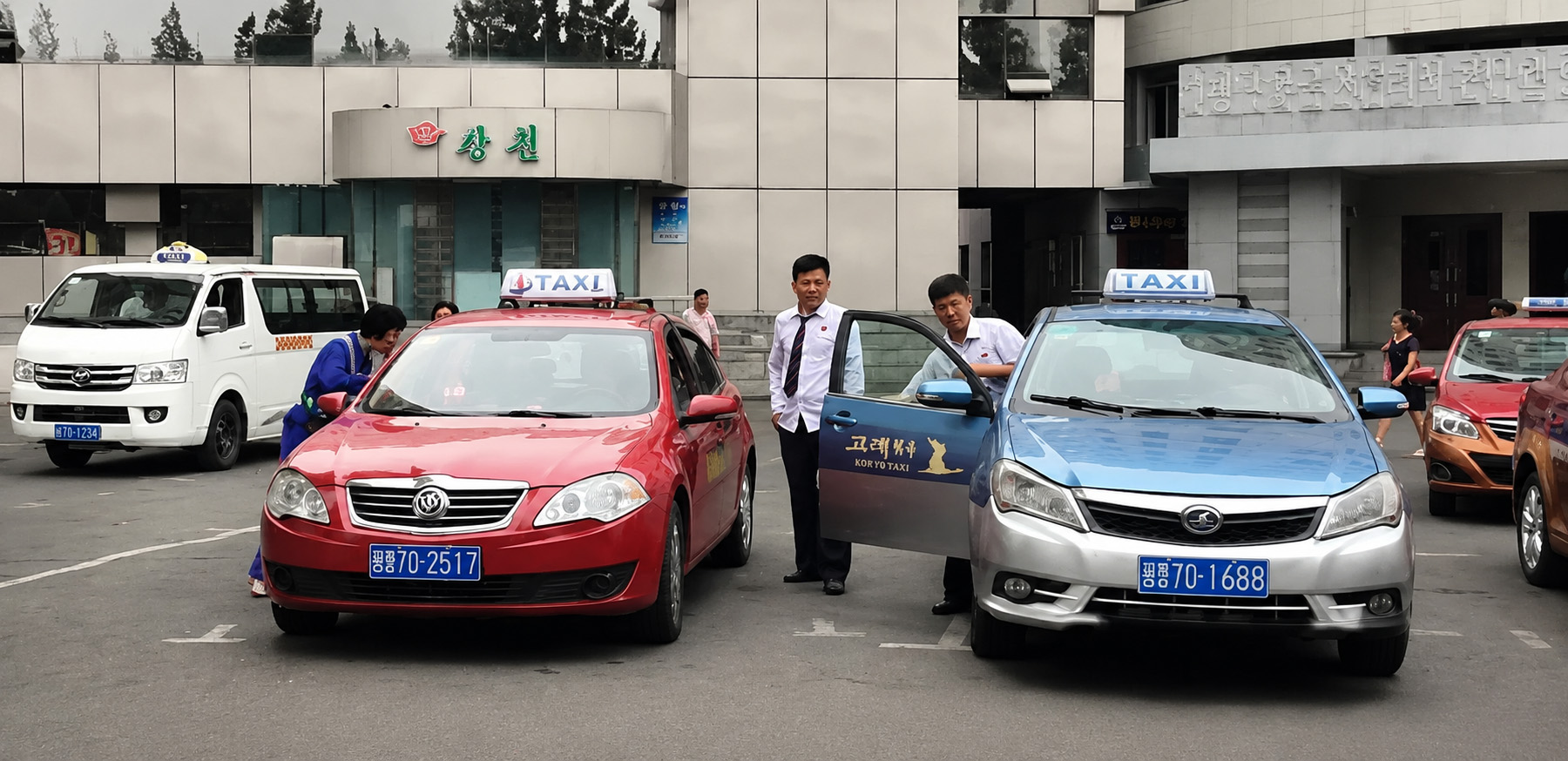
Industry observers estimate that automotive components account for a meaningful share of North Korea's imports from China, even though complete vehicle shipments rarely appear in official statistics.
The result is a market that appears much larger than formal trade data would suggest.
The Grey Networks That Keep Cars Moving
Sanctions have increased the cost and complexity of moving vehicles into North Korea, but they have not eliminated demand.
Researchers and sanctions-monitoring groups have long documented the use of third-country transshipment networks, parallel imports and fragmented supply chains. When direct vehicle exports become difficult, components can be shipped separately, routed through intermediaries or reassembled after arrival.
The methods are not unique to automobiles. During periods when rail freight between China and North Korea was disrupted, trade reportedly shifted to maritime routes and ship-to-ship transfers at sea.
Luxury vehicles have provided some of the clearest examples. Investigations into the arrival of Mercedes-Benz limousines used by North Korean leadership found that the vehicles passed through multiple ports and jurisdictions before reaching their final destination.
Chinese electric vehicles appear to be benefiting from similar commercial realities. In a market where supply is constrained and demand remains intact, traders have strong incentives to develop alternative channels.
Sanctions can raise barriers. They rarely eliminate arbitrage opportunities altogether.
Why Electric Vehicles Make Sense in North Korea
The growing presence of EVs is not simply a consequence of Chinese manufacturing strength. It also reflects North Korea's unique energy environment.
Fuel remains one of the country's most vulnerable resources. Limited refining capacity, restrictions on petroleum imports and chronic supply constraints make gasoline and diesel expensive and difficult to secure. For many vehicle owners, obtaining fuel can be more challenging than obtaining the vehicle itself.
Electric vehicles offer a different solution. Although North Korea's electricity network is unreliable, power can be sourced from multiple channels, including hydropower, coal-fired generation, diesel generators and increasingly common solar installations.
For businesses, government institutions and wealthy households, maintaining access to electricity may be easier than securing a continuous fuel supply.
Features that are often marketed as conveniences in China can carry greater practical value in Pyongyang. Long-range batteries, fast charging and vehicle-to-load technology effectively turn EVs into mobile energy-storage units, capable of providing backup power during outages.
In an environment where energy security is often uncertain, that functionality can be a significant advantage.
A Story About North Korea's Elite
The appearance of new electric vehicles should not be interpreted as evidence of widespread consumer prosperity.
North Korea's automotive market remains deeply unequal. Most citizens have limited access to private vehicles. Those who do own cars often rely on older imported models or second-hand vehicles. At the other end of the spectrum are government officials, state-linked trading executives, diplomats and a small group of individuals with access to foreign currency.
For decades, luxury cars such as Mercedes-Benz S-Class sedans, Range Rovers and Lexus SUVs have served as visible symbols of status and privilege in Pyongyang.
Chinese electric vehicles are increasingly joining that category. Unlike traditional luxury brands, they represent something different: access to advanced technology, modern industrial products and direct links to China's manufacturing ecosystem. Models from BYD, Aito, Huawei and other Chinese brands have become attractive to a segment of North Korea's elite that seeks both practicality and prestige.

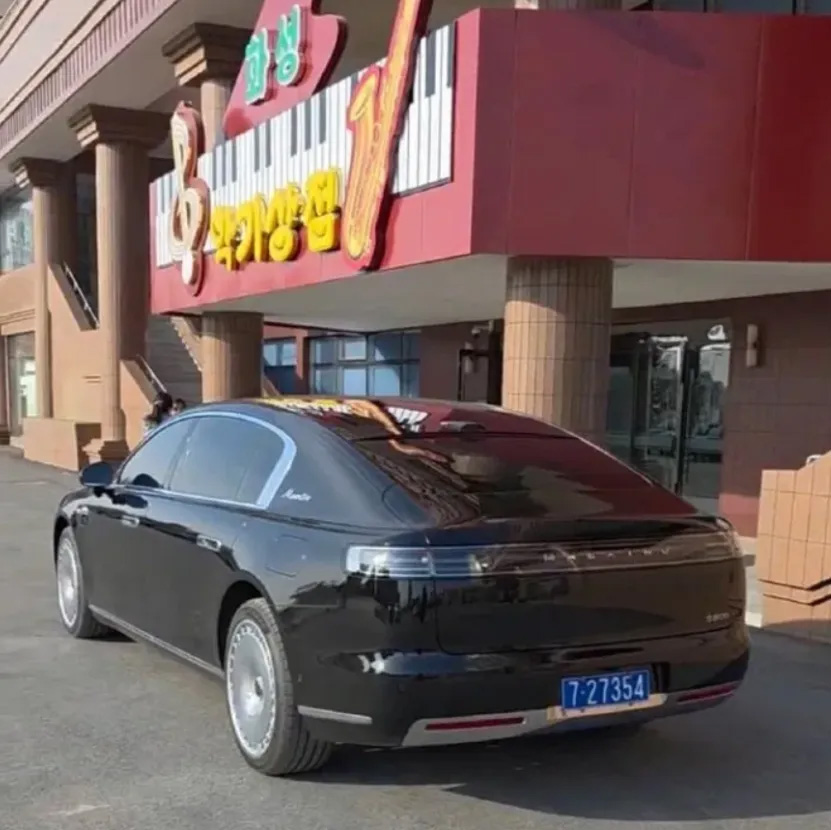
The vehicles offer a glimpse into broader changes taking place within the country's upper economic tiers, where wealth accumulation and access to foreign goods have expanded despite broader economic constraints.
More Than Cars Are Crossing the Border
What makes the trend strategically significant is that vehicles rarely arrive alone.
Every EV requires charging equipment, replacement parts, software support, diagnostic tools and trained technicians. Over time, these elements create an ecosystem that becomes increasingly difficult to replace.
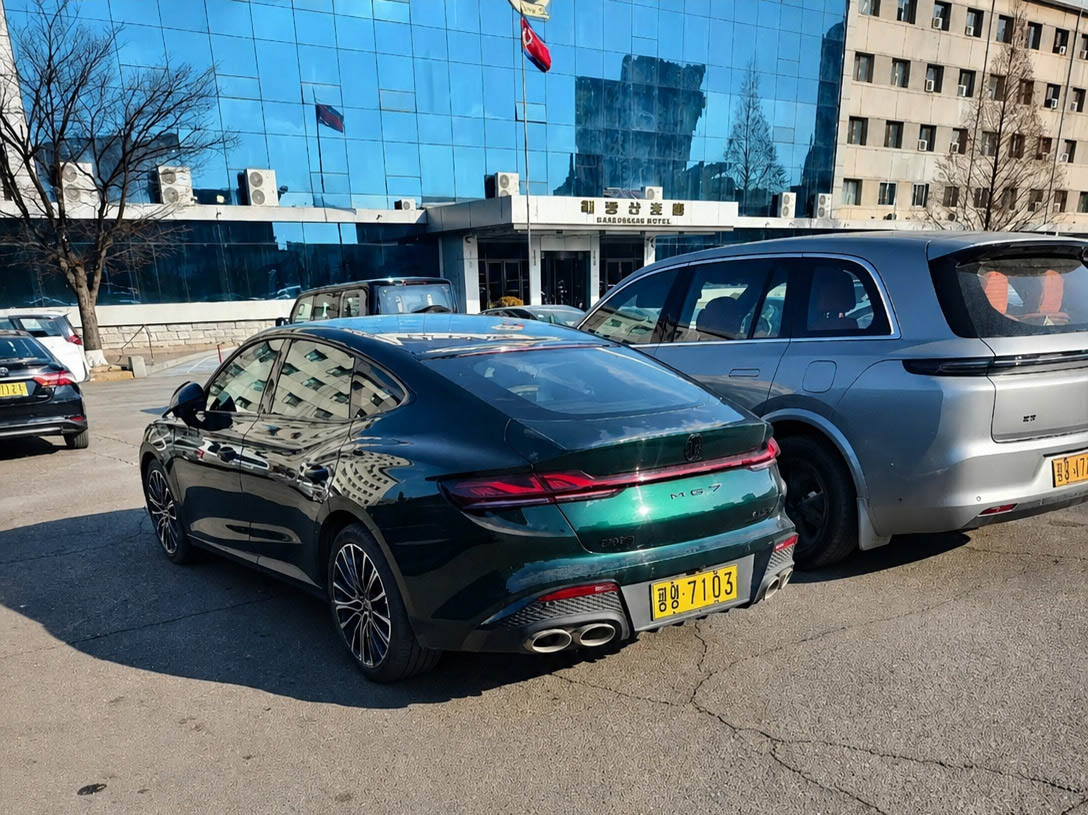
North Korean assembly plants already depend heavily on Chinese suppliers. Taxi operators favour Chinese vehicles because parts are available and repair costs are lower than many alternatives.
As more vehicles enter service, the supporting infrastructure follows.
What begins as a vehicle sale gradually becomes a long-term industrial relationship.
The Real Significance of Pyongyang's New EVs
North Korea is unlikely to become a major automotive market. Purchasing power remains limited, infrastructure challenges persist and international sanctions continue to shape economic activity.
Yet the growing presence of Chinese electric vehicles reveals something important about the modern sanctions environment.
Restrictions can limit official trade flows, but they struggle to eliminate demand, status consumption and commercial incentives.
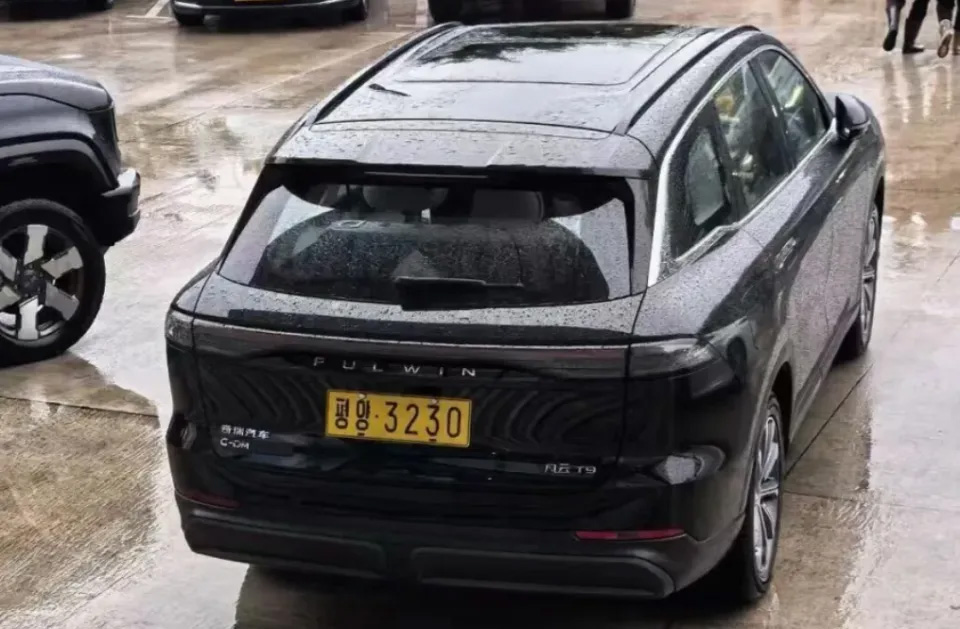
The vehicles now appearing on the streets of Pyongyang are therefore more than transportation products. They are evidence of how supply chains adapt, how elite markets evolve and how economic connections continue to emerge even in one of the world's most heavily sanctioned economies.
In that sense, North Korea's new EVs tell a larger story — not only about cars, but about the limits of sanctions themselves.