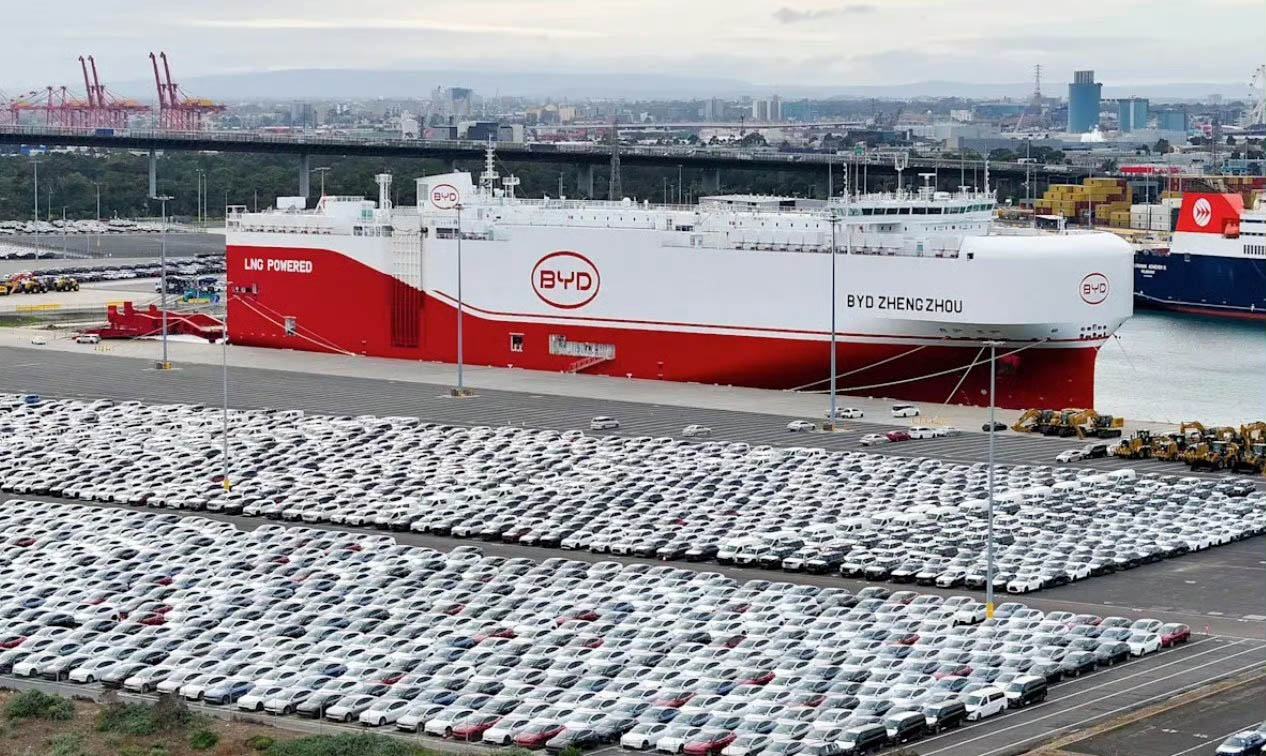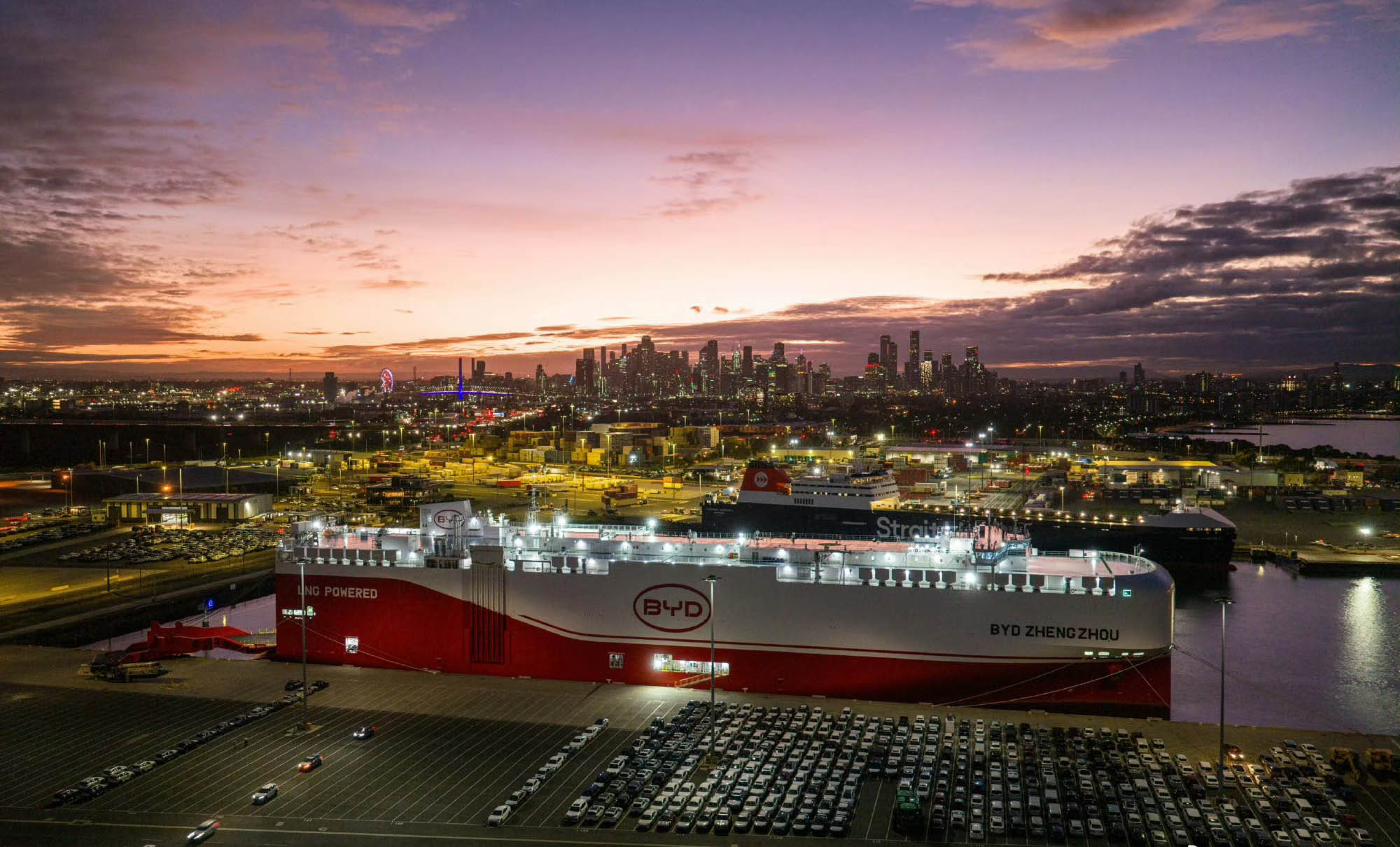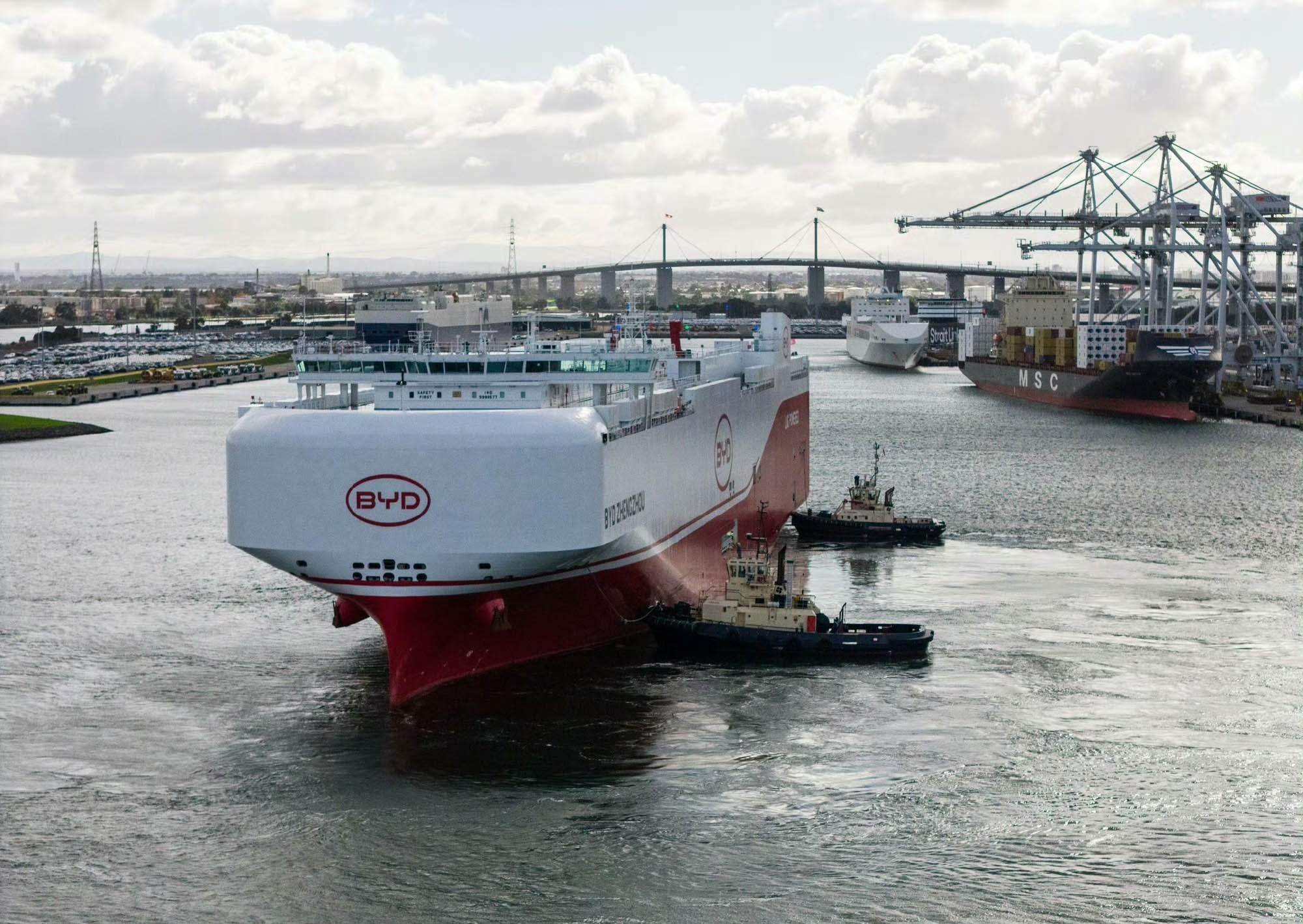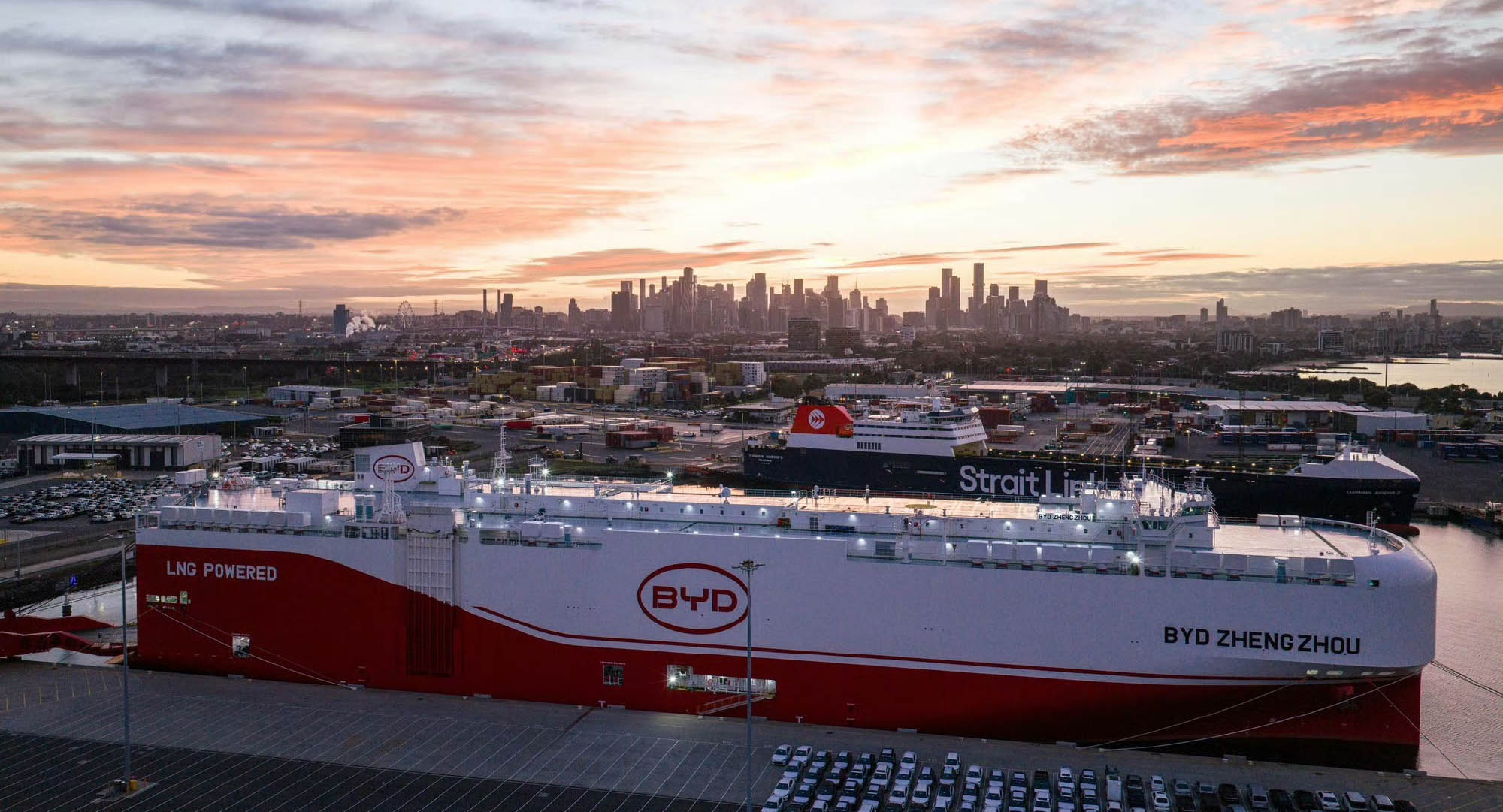
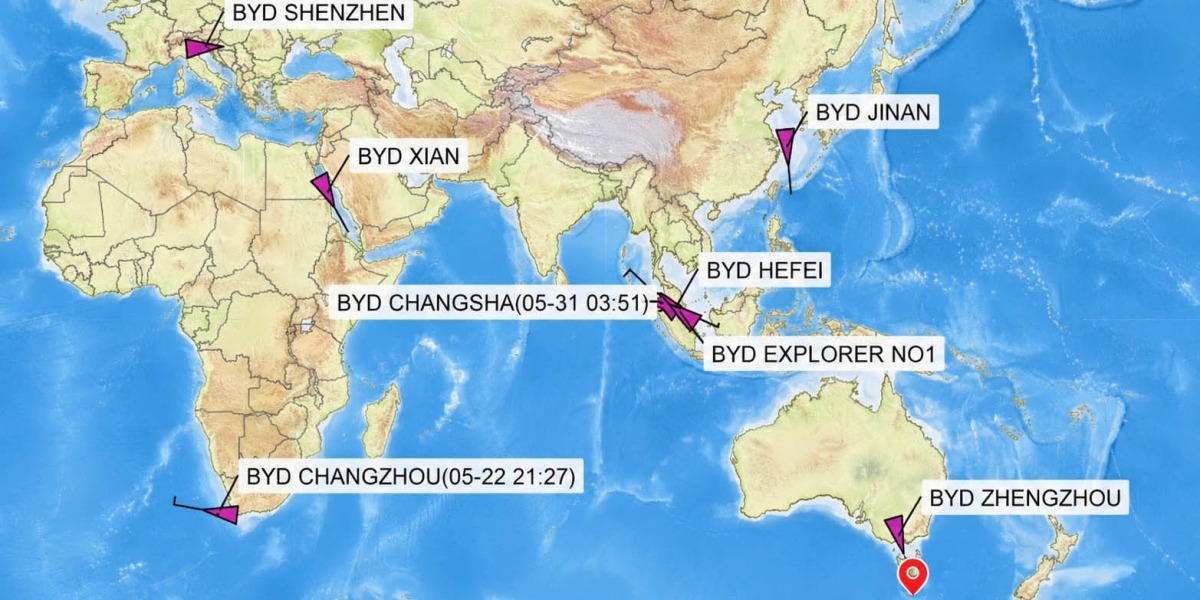
BYD has completed the first Australian voyage by one of its own car carriers, marking another step in the Chinese automaker’s effort to take greater control of its global supply chain.
A record shipment arrives in Melbourne
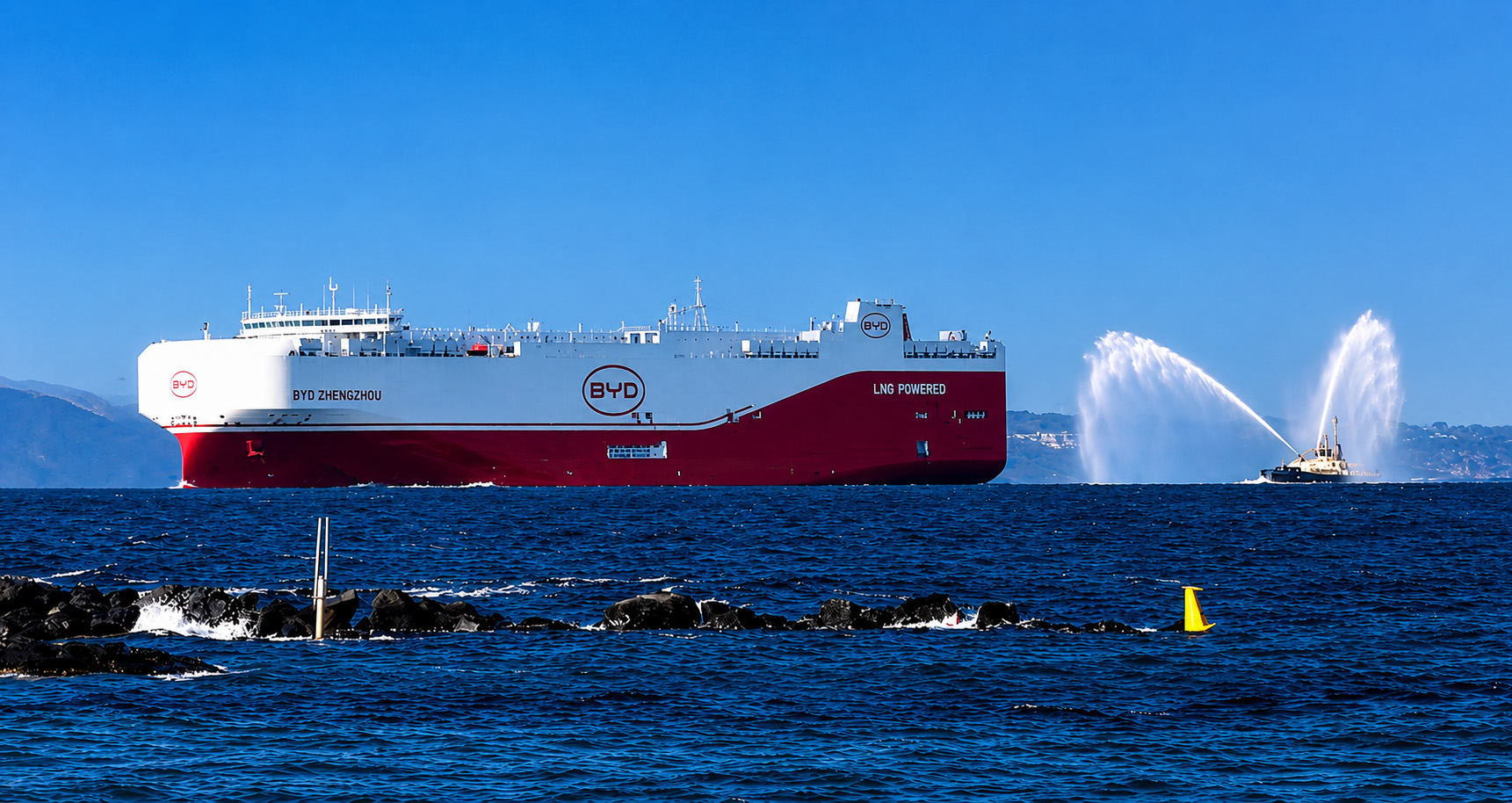
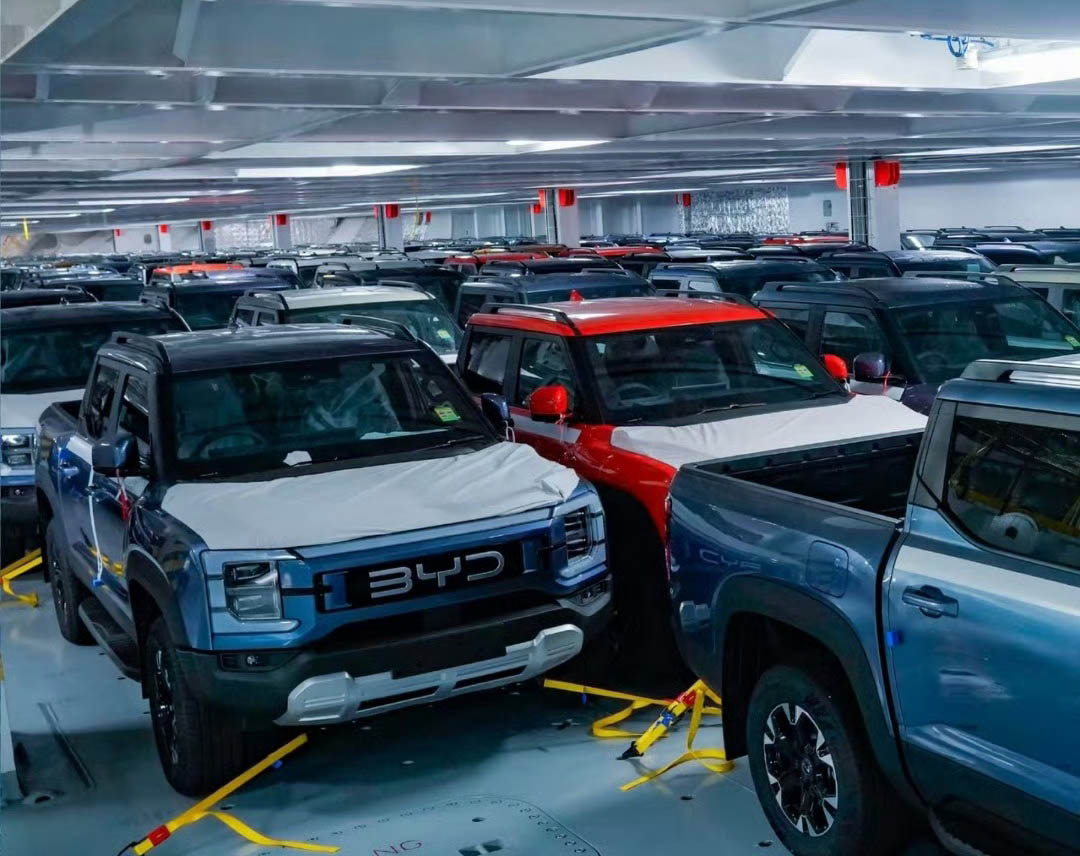
The roll-on/roll-off vessel Zhengzhou arrived at the Port of Melbourne on the morning of June 2 local time, carrying 4,809 new energy vehicles from the BYD and Denza brands. The shipment set a new record for the largest single import of electric vehicles into the Australian market.
A 14-day journey from Shanghai
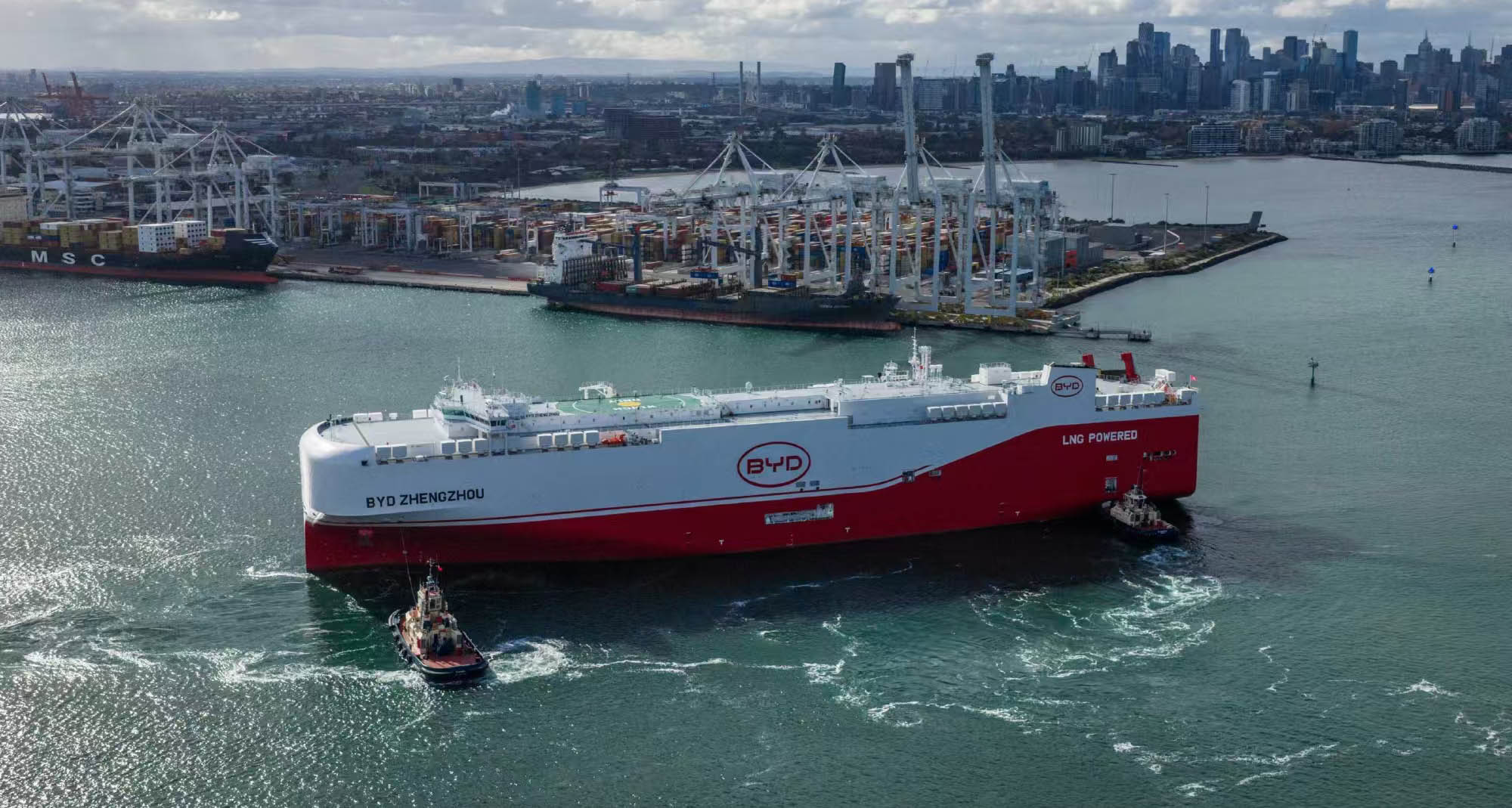
The vessel, one of eight custom-built car carriers in BYD’s self-operated fleet, departed from the Port of Shanghai and completed a roughly 14-day voyage covering 9,756 kilometres. Australian maritime and port authorities held a formal welcoming ceremony and issued a maiden-voyage certificate for the ship’s arrival.
It is the first time BYD has used its own vessel to deliver vehicles directly to Australia, a move designed to ease delivery pressure as local demand rises. In Australia, some customers have been facing waiting times of six to eight weeks.
Atto 2 and Sealion 07EV lead the cargo
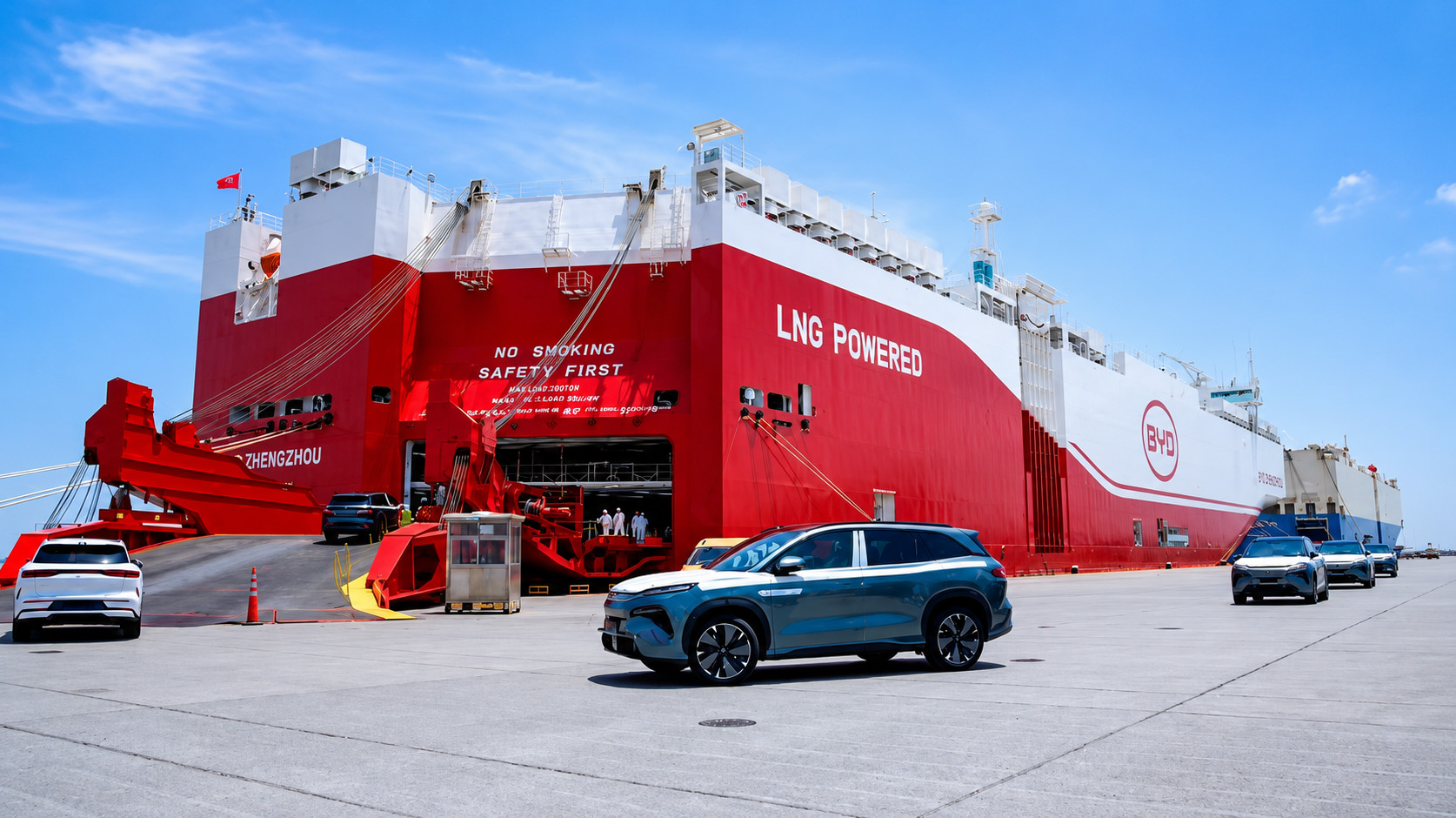
The shipment was heavily weighted toward mainstream family vehicles. The Yuan UP, marketed in some overseas markets as the Atto 2, and the Sealion 07EV together accounted for more than half of the cargo, with combined volume exceeding 2,000 units.
The vessel also carried several premium models from Denza, BYD’s higher-end marque, underscoring the company’s attempt to broaden its presence beyond lower-cost electric cars.
BYD is moving quickly in Australia
BYD’s rise in Australia has been rapid. In April, the company became the country’s second-best-selling car brand, behind only Toyota. It is targeting 30,000 deliveries in the third quarter and aims to approach 100,000 sales for the full year, nearly double its 2025 volume.
The Australian push is part of a broader shift in BYD’s business. In May, the company sold 160,600 vehicles overseas, equal to 42% of its total group sales for the month, making international markets an increasingly important pillar of growth.
Why the shipping fleet matters
BYD’s self-operated shipping fleet reflects the company’s wider vertical-integration strategy. With eight custom-built roll-on/roll-off vessels and annual carrying capacity of about 250,000 to 300,000 vehicles, the fleet gives BYD greater flexibility as it expands outside China.
For an automaker trying to scale quickly in markets from Australia to Europe and Latin America, control over logistics is becoming almost as important as control over batteries and factories. The arrival of the Zhengzhou in Melbourne shows how BYD is building the infrastructure needed to turn overseas demand into faster deliveries.